


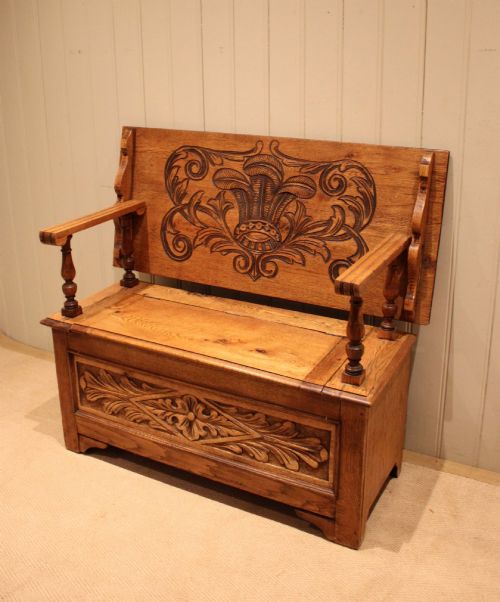
Jacobean Carved Chest
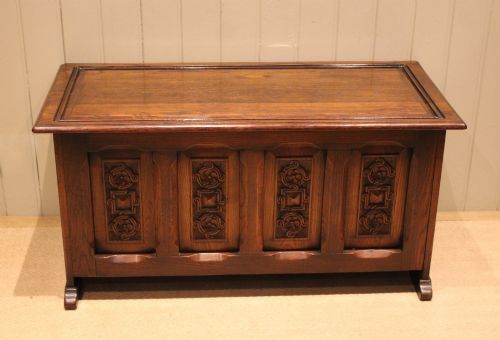
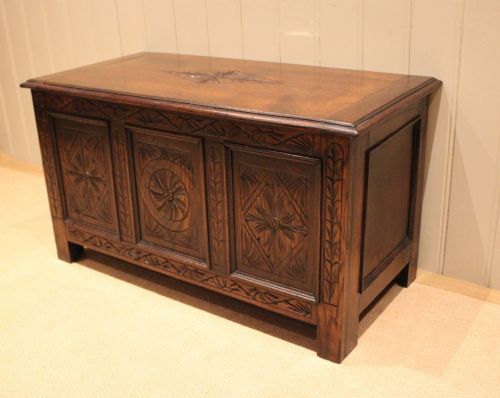
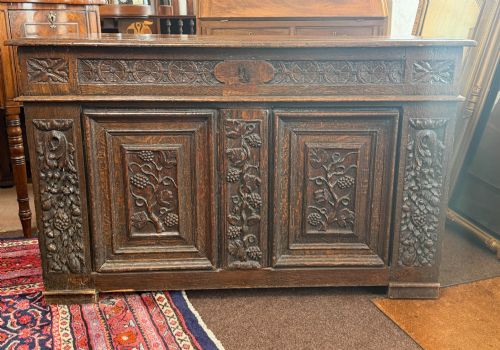
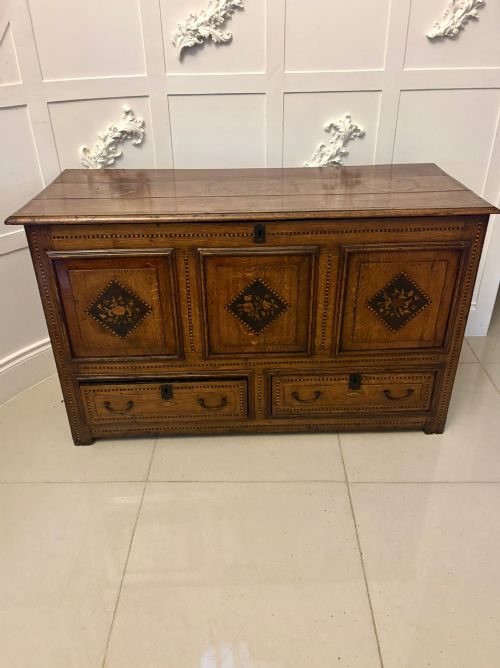
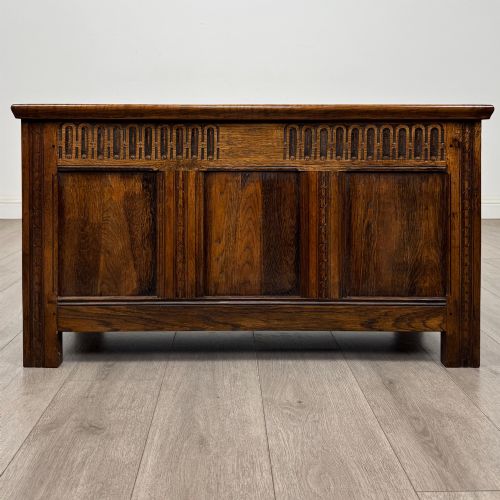
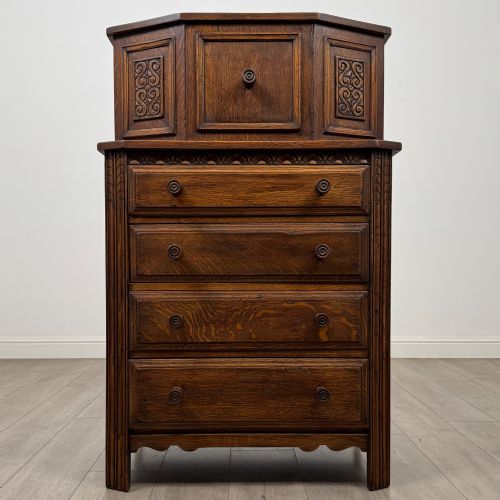
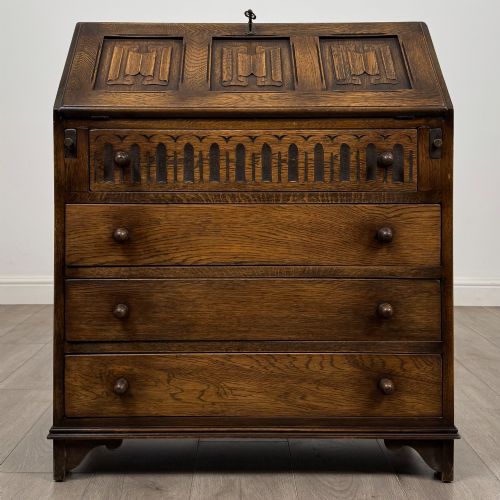
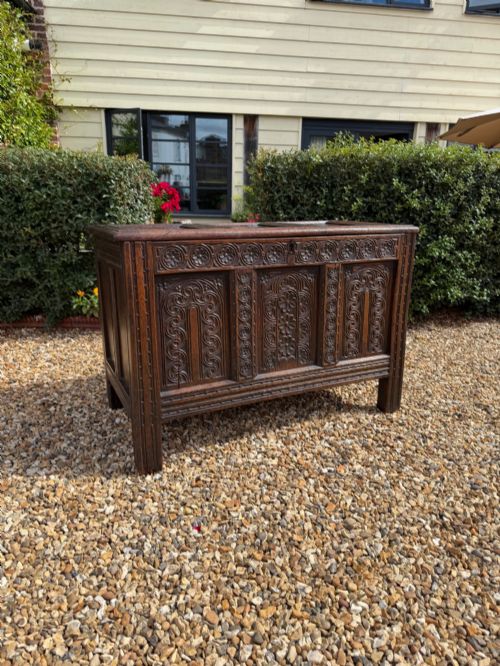
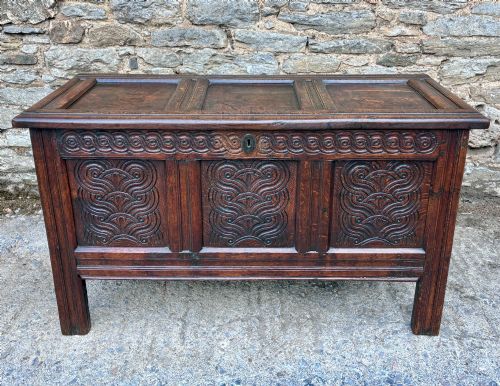
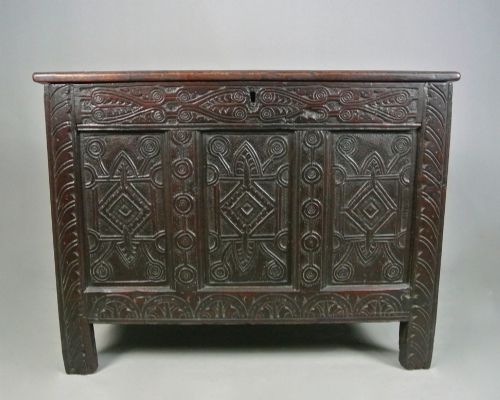
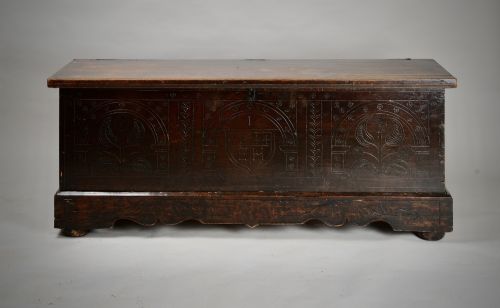
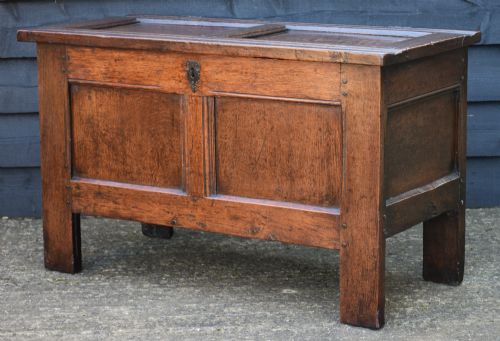
These jacobean carved chest examples are solid oak pieces from the seventeenth century that offer period storage and historic craftsmanship.
Jacobean Carved Chest types
A jacobean carved chest brings seventeenth-century joinery into domestic spaces, functioning traditionally for storage. The selection spans standard coffers and smaller bible box formats alongside regional North Country variants.
Most pieces date strictly to the seventeenth century and reflect the period styles of the era. Buyers encounter coffers and chests constructed from heavy timber with carved surface detailing.
Materials and construction
Every piece utilises solid oak as the primary timber, reflecting the dominant material of seventeenth-century English joinery. Iron fittings such as hinges and brackets frequently secure the heavy wooden structures.
Joiners shaped these items using period hand tools, carving decorative patterns directly into the oak boards. Construction relied on traditional framing and panel techniques suited to heavy domestic use.
Retail Price Guide 2026
Typical UK retail prices for jacobean carved chest, calculated from the Sellingantiques database of over a million retail prices indexed since 2003. This retail price guide relies exclusively on Sellingantiques data; no external sources or auction records are used, so the figures do not describe the wider market.
All listed pieces are constructed from oak with iron elements, originating exclusively in the seventeenth century.
Assessing quality
Quality separates simple utilitarian boxes from richly carved regional pieces through the depth and complexity of the surface decoration. North Country variants and pieces with more elaborate seventeenth-century motifs stand apart from plain utility boxes.
The integrity of the original oak and the survival of period ironwork dictate the standing of an individual coffer. Later alterations or replaced timber diminish the historic coherence of the piece.
The Jacobean Carved Chest Glossary
- Coffer
- A heavy wooden chest traditionally used for storing valuables, linen, or documents in seventeenth-century households. These storage pieces form the core of the available items.
- Bible Box
- A small desk-like box designed to hold a large family Bible, often featuring a sloping lid and carved oak panels. They represent a smaller scale of seventeenth-century joinery.
- Mule Chest
- A coffer that incorporates one or more drawers beneath the main storage compartment. The archive record includes examples with later additions alongside period elements.
- Oak
- A durable domestic hardwood utilised extensively for seventeenth-century furniture framing and carving. Its dense grain supports deep surface decoration.
- Carolean
- Pertaining to the reign of King Charles II, frequently associated with seventeenth-century furniture styles following the early Jacobean period.
Frequently Asked Questions
What is a jacobean carved chest used for?
These pieces served historic households as secure storage for textiles, valuables, and household documents. Today, buyers utilise them as coffee tables, blanket boxes, or decorative focal points.
Their robust construction allows them to continue functioning as practical storage furniture while displaying seventeenth-century character.
How old are these chests?
The available pieces date from the seventeenth century, spanning the Jacobean and Carolean eras. They represent authentic survivals from early modern English joinery workshops.
Dating relies on the structural methods, timber characteristics, and traditional carving styles typical of the seventeen-hundreds.
Are these chests made of solid oak?
Every recorded piece utilises solid oak as the primary construction material. Joiners of the seventeenth century relied on native English oak for its structural strength and availability.
Iron hardware such as hinges and lock plates complements the heavy timber construction.
What is the difference between a coffer and a bible box?
A coffer is a large storage chest designed to rest on the floor or a base. A bible box is a much smaller tabletop box created to hold sacred texts.
Both formats employ seventeenth-century oak construction and carved surface decoration.