

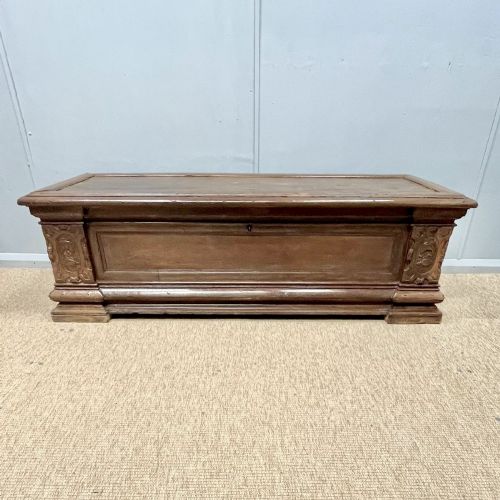
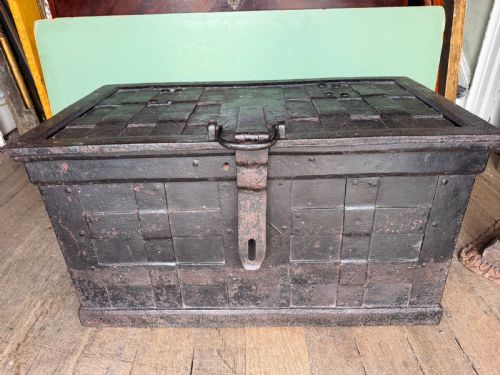
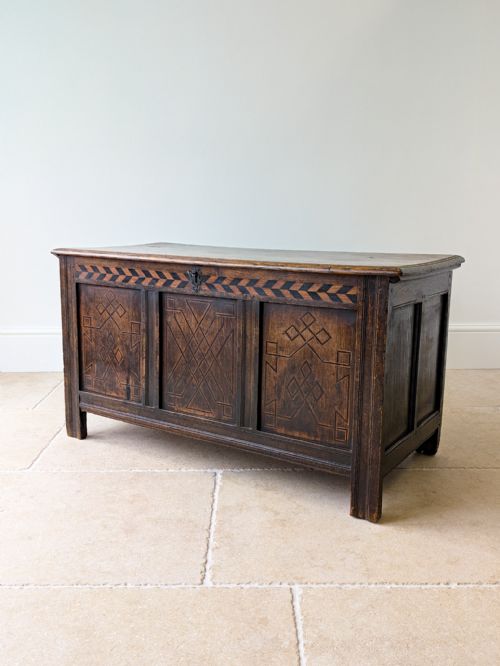
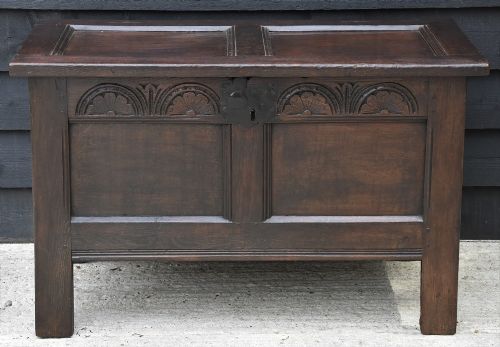
17th Century Blanket Chest
A 17th century blanket chest brings centuries of domestic history and robust storage into a modern room.
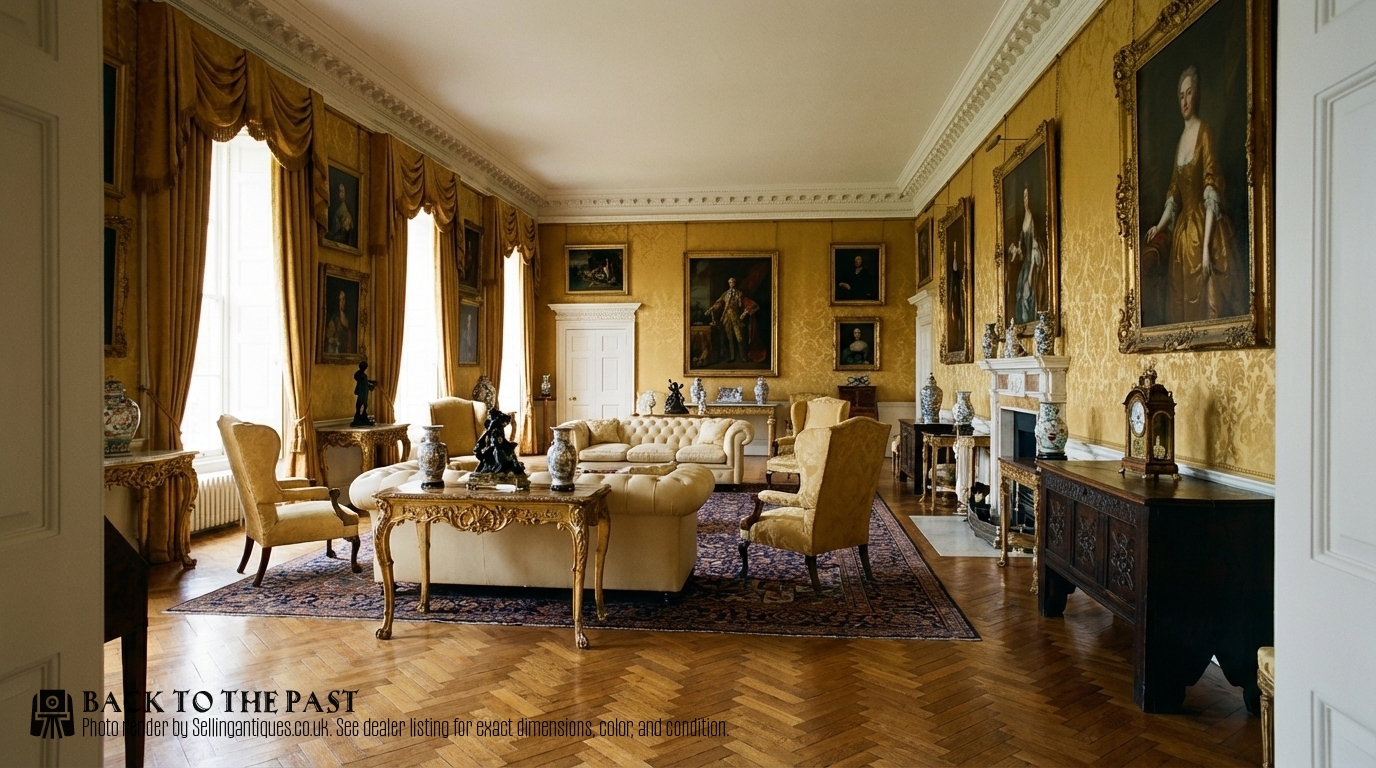
17th Century Blanket Chest
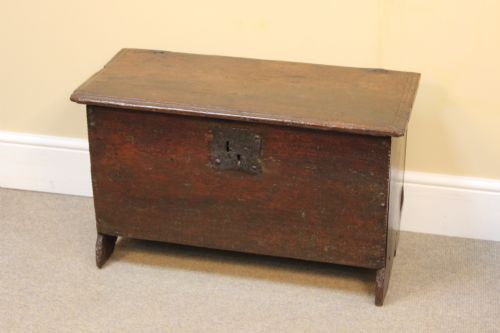
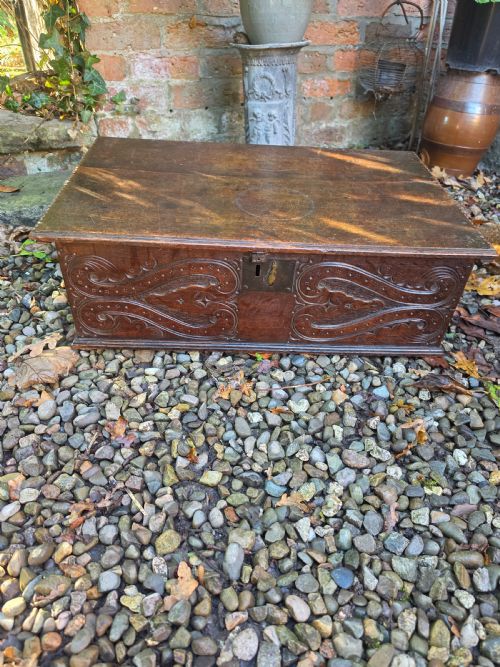
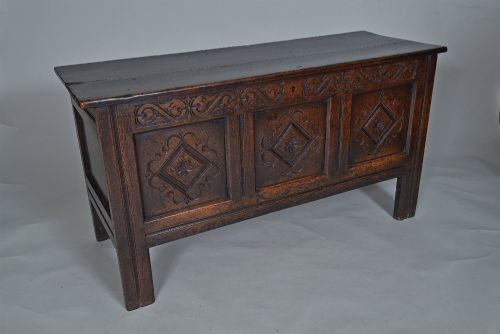
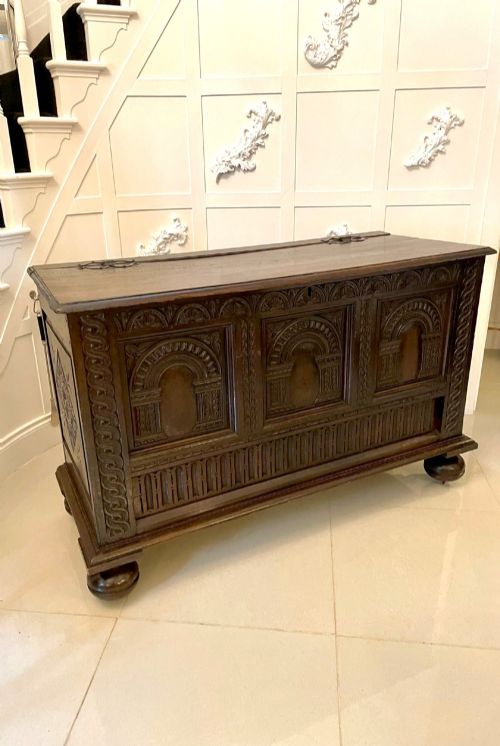
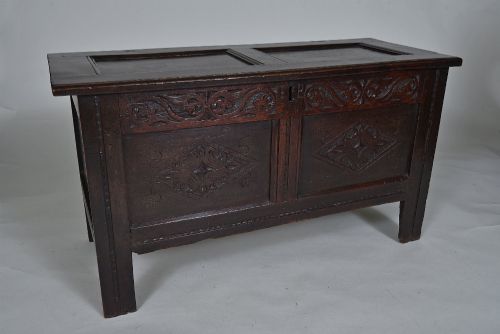
A 17th century blanket chest primarily takes the form of a robust oak coffer or panelled box used for household storage. Buyers seeking this phrase encounter solid timber constructions designed to endure for generations in domestic or ecclesiastical settings.
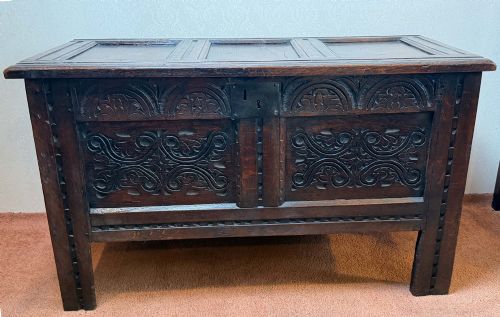
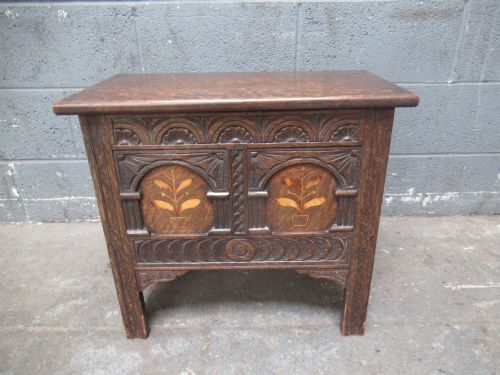
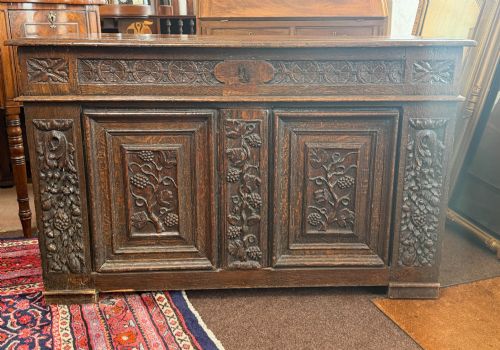
The selection ranges from vernacular six-plank elm variants to intricately carved Jacobean panels and mule chests fitted with lower drawers. Regional examples from Welsh workshops or English counties frequently appear alongside continental European cassone forms.
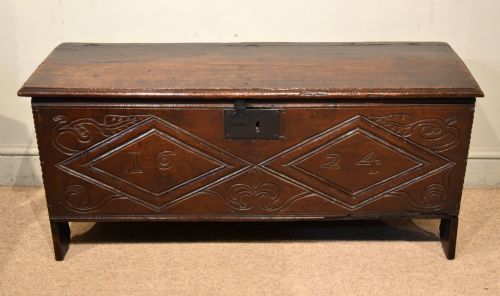
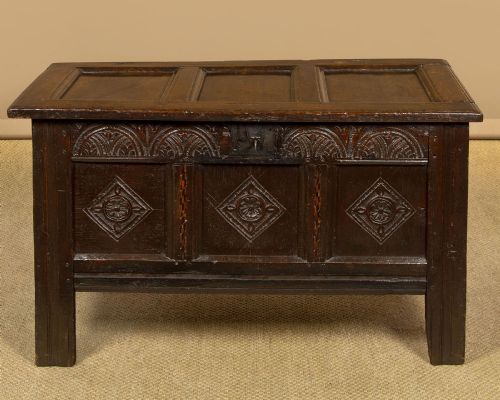
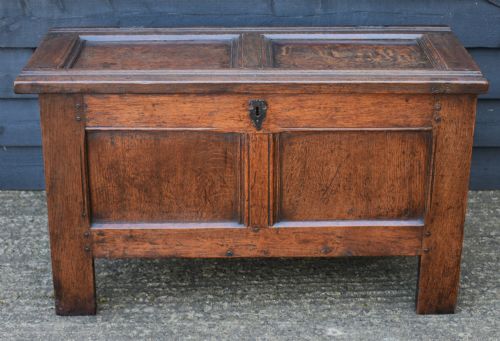
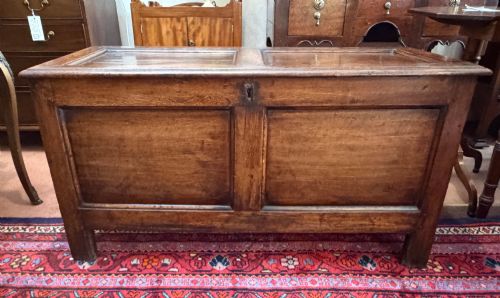
Makers of the period utilised heavy frame-and-panel construction to accommodate timber movement without splitting. Many surviving examples carry dates, initials or geometric mouldings typical of the seventeenth century.
Materials and Technique
Joinery relied on pinned mortise and tenon frames surrounding pegged oak panels, providing structural rigidity without reliance on modern adhesives. Blacksmiths forged iron hinges, brackets and strapwork to secure lids and corners.
Surface ornamentation involved chip-carving, scratch-moulding and occasionally marquetry inlay utilising mixed woods. Selected pieces incorporated cypress or elm alongside the dominant English oak framework.
17th Century Blanket Chest Retail Price Guide 2026
Typical asking prices for 17th century blanket chest among the pieces listed under this phrase on Sellingantiques today, from the lower quarter to the upper quarter. They describe what is for sale here now, not the wider market.
Distinctions in Quality
Quality depends upon the crispness of the original hand-carving and the integrity of the joined framework rather than decorative elaboration alone. Deeply relief-carved friezes and well-proportioned small dimensions command higher regard among collectors.
The survival of original board lids, ironwork and unaltered floorboards beneath the chest distinguishes exceptional survivals from pieces subjected to extensive later timber replacement.
The 17th Century Blanket Chest Glossary
- Coffer
- A heavy wooden chest traditionally used for storing valuables, linens or documents. These sturdy boxes formed a central item of furniture in early households.
- Mule chest
- A storage chest featuring one or more drawers built beneath the main internal compartment. This transitional form bridges the traditional coffer and the chest of drawers.
- Six-plank
- A primitive chest construction method utilising plain boards joined directly at the edges with dovetails or nails. This vernacular technique predates complex framed joinery.
- Marquetry
- The art of applying decorative veneer pieces in various woods to create geometric or pictorial patterns on the surface. It appears on select refined chests of the period.
- Stile
- The vertical upright member in a panelled wooden frame. Stiles receive the tenons cut from horizontal rails to lock the panel securely in place.
17th Century Blanket Chest: Frequently Asked Questions
How were these chests used?
Households utilised these heavy chests primarily for storing valuable textiles, blankets, woollens and ecclesiastical vestments away from damp floors.
They also functioned as seating benches, tables or secure repositories for town charters and family documents.
What is a mule chest?
A mule chest combines the deep top-opening compartment of a traditional coffer with one or more pull-out drawers fitted beneath.
This layout allowed users to access smaller garments without lifting the heavy lid and disturbing items stacked above.
Are all these chests made of oak?
While English oak dominates the surviving inventory, craftsmen also worked in elm, cypress, pine and occasionally exotic imported timbers.
Regional vernacular pieces often reflect the local woods available to provincial carpenters and country joiners.
How do I identify a 17th-century date?
Authentic period pieces exhibit traditional hand-cut joinery, pegged frame construction, and tool marks left by pit saws and adzes.
Many examples feature contemporary carved dates, initials or specific stylistic traits such as Jacobean geometric moulding.