

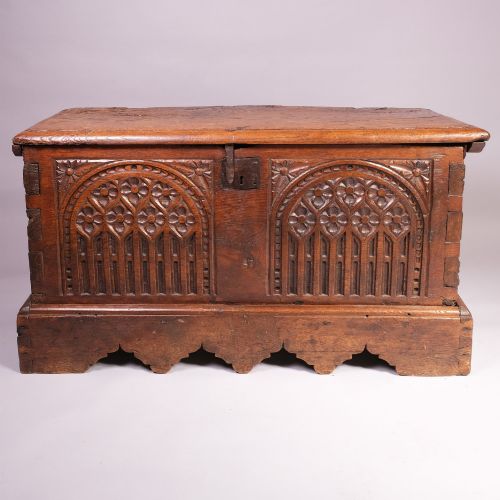


Elm Blanket Box
An elm blanket box is a sturdy timber chest built to store linens and woollens, prized for its expressive grain and honest domestic utility.
Elm Blanket Box
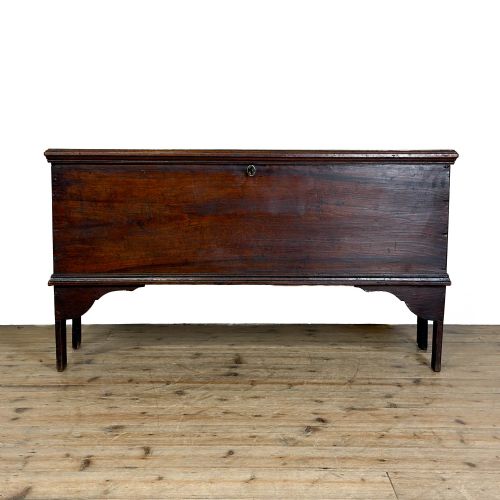
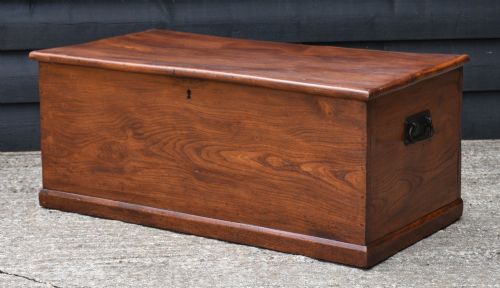
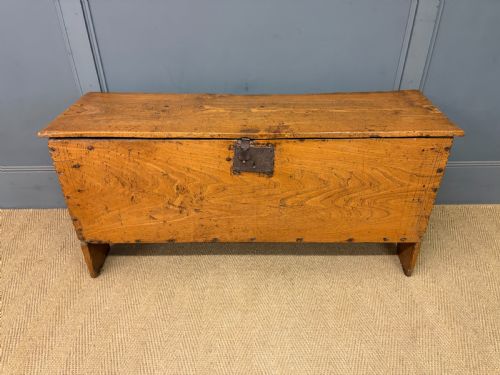
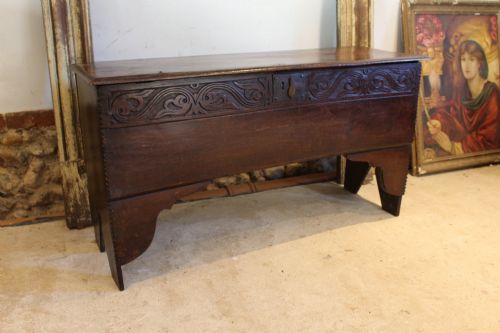
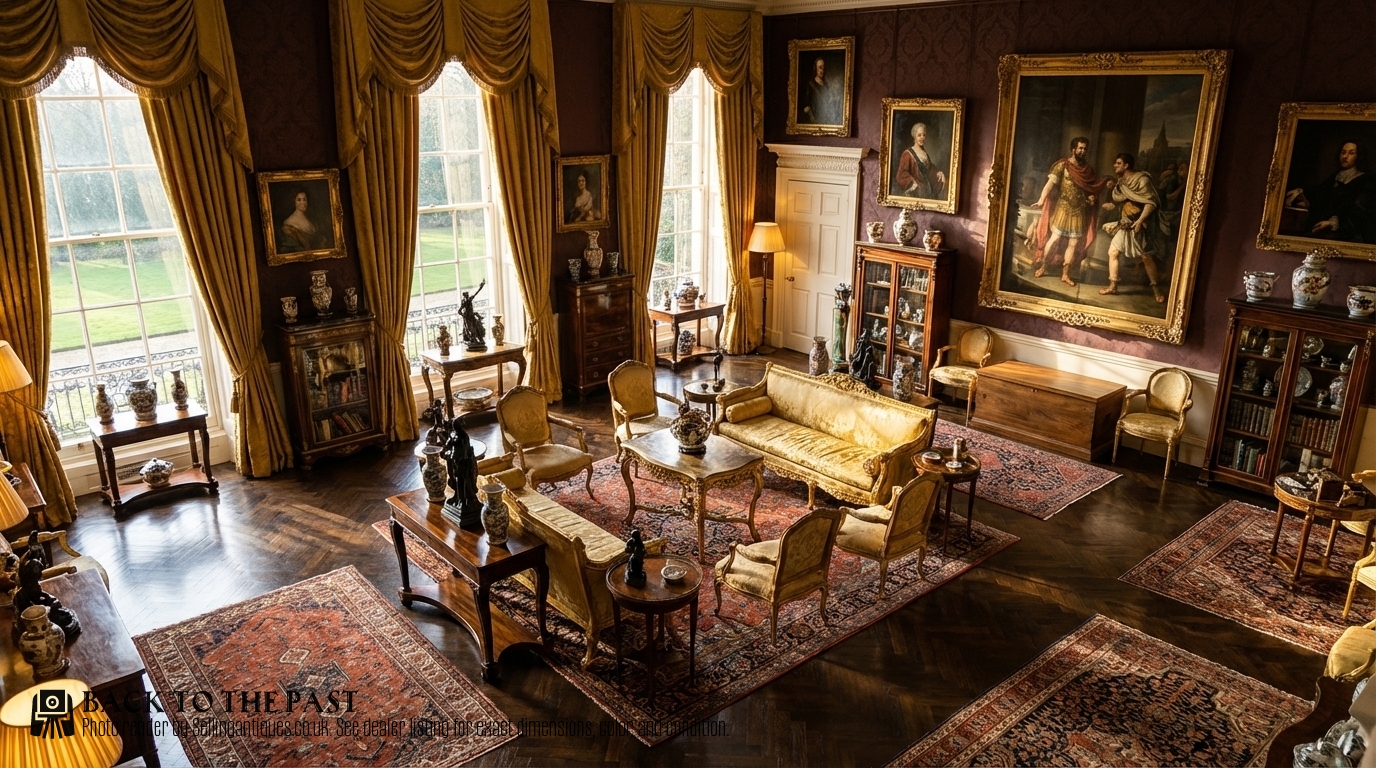
An elm blanket box is a durable timber chest primarily designed for domestic storage, frequently encountered here from the Georgian and Victorian periods. These pieces range from simple six-plank constructions to more refined vernacular trunks and mule chests with lower drawers. Most examples reflect a utilitarian heritage, serving generations of households as repositories for bedding, clothes, and domestic goods.
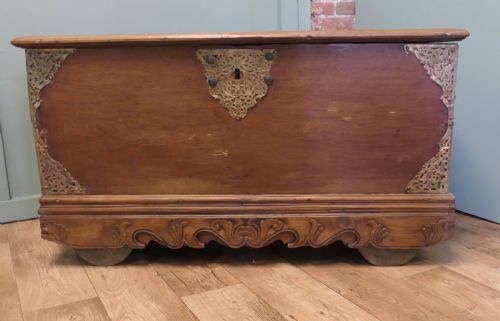
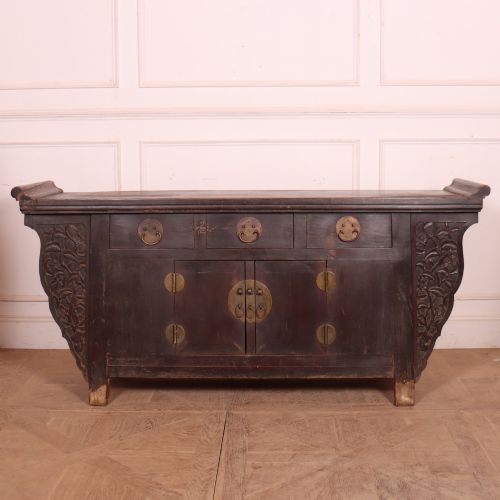
The versions most commonly met on this page span the eighteenth and nineteenth centuries, often associated with regional English styles such as Welsh vernacular or simple country workshops. Alongside these British examples, the selection occasionally includes related forms like oak coffers with burr elm panels or overseas chests in elm. Their enduring appeal lies in the warm, richly figured timber and straightforward proportions.
What varies in quality
Quality in an elm blanket box rests largely on the character of the timber and the integrity of the original construction rather than decorative carving. Master craftsmen selected boards with highly figured burr or rich grain patterns, arranging them to display the natural movement of the wood across the front facade. Simpler vernacular pieces made from plain boards hold a different rustic charm, but lack the visual depth of highly figured examples.
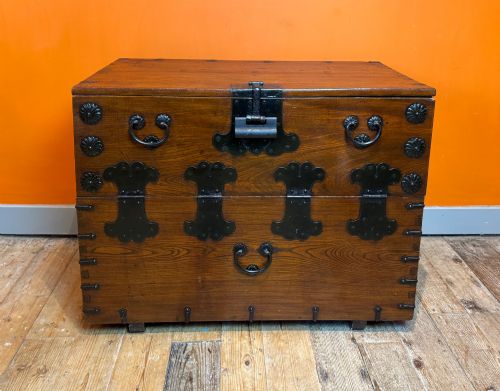
The survival of original hardware, feet, and hinges distinguishes a superior piece from one altered over centuries of use. Boxes that retain their early wrought iron strapwork, locks, and untouched surface patination carry greater historical coherence. Altered lids, replaced feet, or stripped surfaces diminish the integrity that collectors look for in vernacular furniture.
Elm Blanket Box Retail Price Guide 2026
Typical asking prices for elm blanket box among the pieces listed under this phrase on Sellingantiques today, from the lower quarter to the upper quarter. They describe what is for sale here now, not the wider market.
Listings feature elm alongside oak, burr elm, and wrought iron across centuries of regional vernacular furniture.
The Elm Blanket Box Glossary
- Six-plank coffer
- A simple chest constructed from six principal boards of timber, joined at the edges to form a rectangular box. This method represents one of the oldest and most direct forms of furniture making.
- Mule chest
- A storage chest featuring one or more drawers built into the base beneath the main compartment. This form bridges the evolution between the traditional coffer and the chest of drawers.
- Burr elm
- A growth deformity in the elm tree that produces highly swirled, knotted timber patterns. Cabinet makers prized this wood for decorative veneers and feature panels.
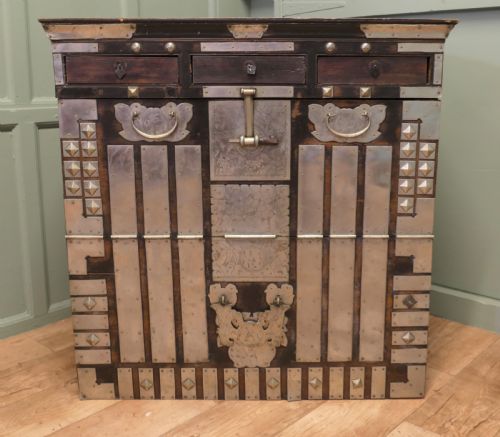
- Bandaji chest
- A traditional Korean storage chest reinforced with extensive iron strapwork and hardware. These pieces utilise elm alongside other native timbers for domestic organisation.
Elm Blanket Box: Frequently Asked Questions
What is an elm blanket box?
An elm blanket box is a traditional timber chest built to hold household linens, blankets, and woollens. Utilising the durable and heavily grained native wood, these pieces served families for generations as secure and practical domestic storage.
Over time, these chests transitioned from utilitarian household necessities into valued decorative antiques. Their robust construction and distinctive timber grain make them enduringly popular in modern interiors.
How were these chests used historically?
Historically, families placed these chests in bedrooms or hallways to protect textiles from moths, dust, and dampness. They held precious household linens, wedding dowries, and extra winter clothing before built-in wardrobes became common.
Due to their flat tops and sturdy builds, they also doubled as extra seating or tables in smaller homes. Today, many people continue to use them as coffee tables or blanket storage at the foot of a bed.
How do I care for an antique elm box?
Maintain an antique elm box by keeping it away from direct heat sources and dramatic humidity shifts, which can cause the timber to warp or split. Simple dusting with a dry, soft cloth preserves the surface.
Applying a traditional beeswax polish occasionally helps nourish the dry timber and protect the historic patination. Avoid modern silicone-based sprays, as they can permanently alter the finish of the wood.
How can I tell the age of an elm chest?
Dating an elm chest involves examining the construction methods, tool marks, and hardware types used on the piece. Hand-wrought iron hinges, peg-joined framing, and boards shaped with pit saws typically point towards earlier eighteenth-century craftsmanship.
Machine-sawn boards, standard brass screws, and later Victorian revival styles indicate a nineteenth-century origin. Comparing the style of construction with dated comparative examples helps narrow down the period.