


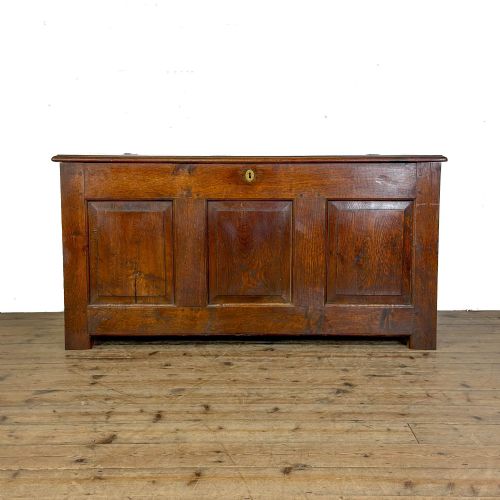
Georgian Storage Box
A georgian storage box organises daily life through heavy timber and iron straps, built to endure generations of household use.
Georgian Storage Box
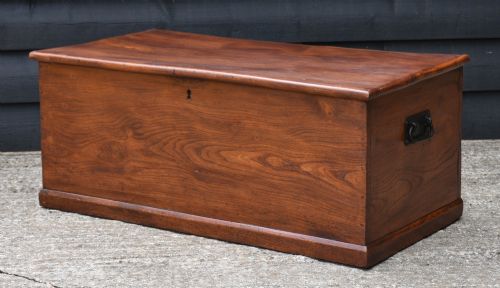
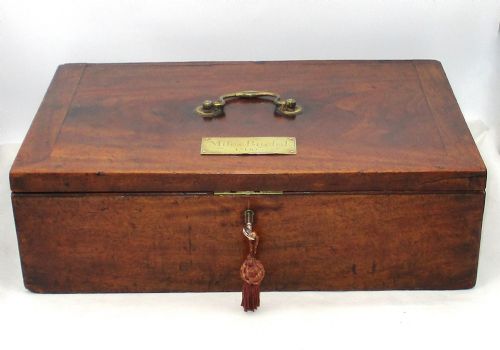
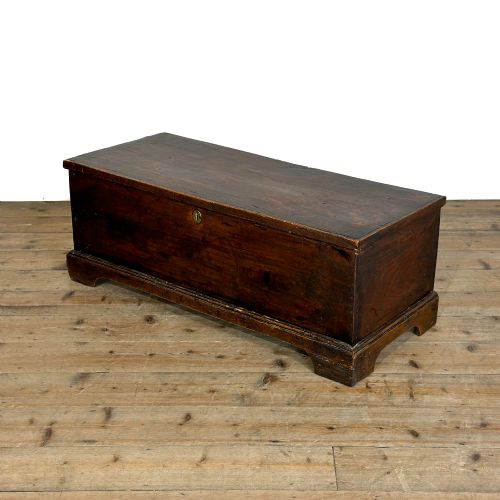
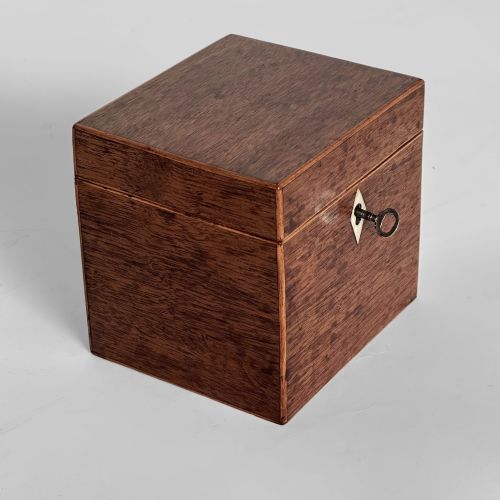
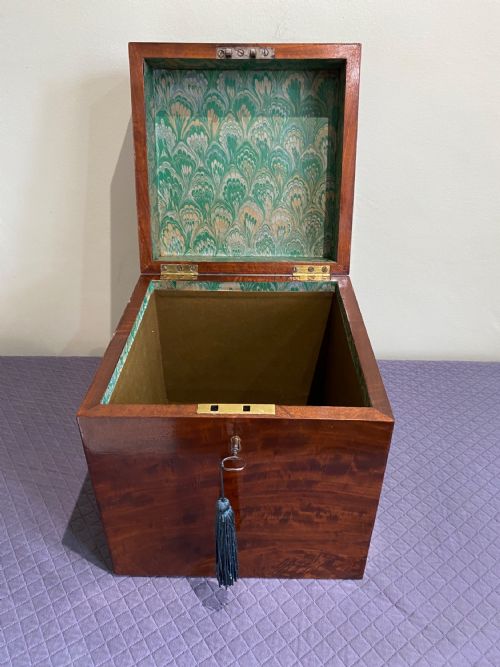
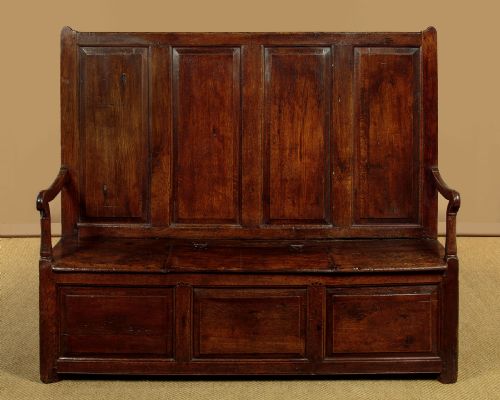
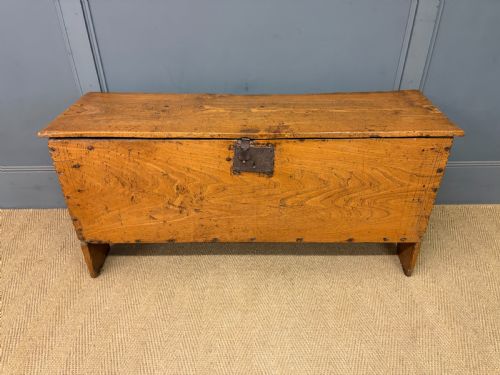
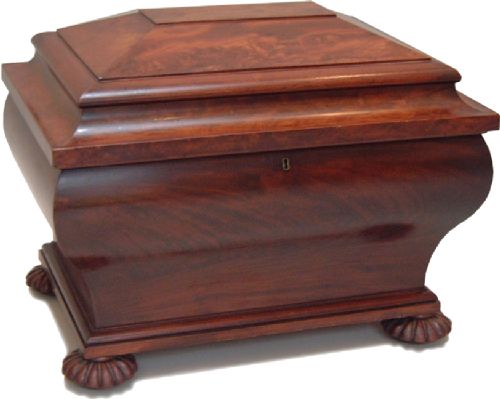
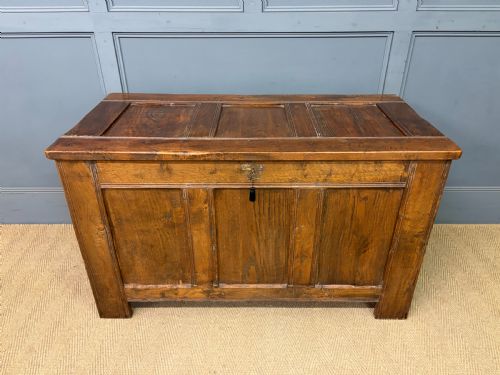
A georgian storage box encompasses robust oak coffers, mahogany document boxes, and banded leather trunks built for utility and transport. Pieces range from country house blanket chests and elm storage boxes to small walnut vanity boxes and tea caddies.
The material origins trace through Welsh vernacular workshops, English country houses, and provincial cabinet makers. Most examples on this page date from the eighteenth century into the regency period, reflecting both domestic keeping and travel.
Forms vary from wall hanging candle boxes and table top teapoys to large mule chests and military travelling chests. Each variant serves a distinct domestic role, from securing papers and silver to storing textiles and wine.
How They Were Made
Cabinet makers joined solid timbers including oak, elm, mahogany, and walnut using traditional joinery methods suited to heavy loads. Surfaces often feature crossbanding, carving, or simple plain boards finished with natural waxes.
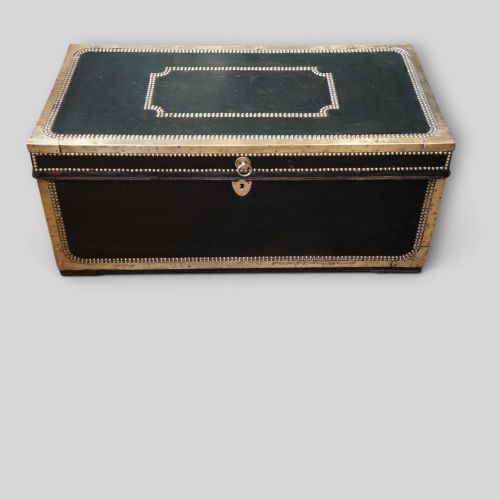
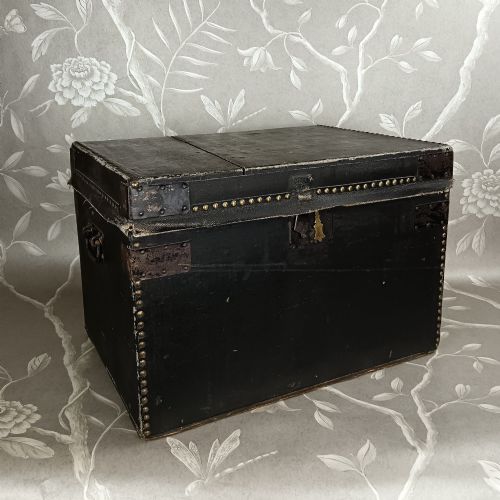
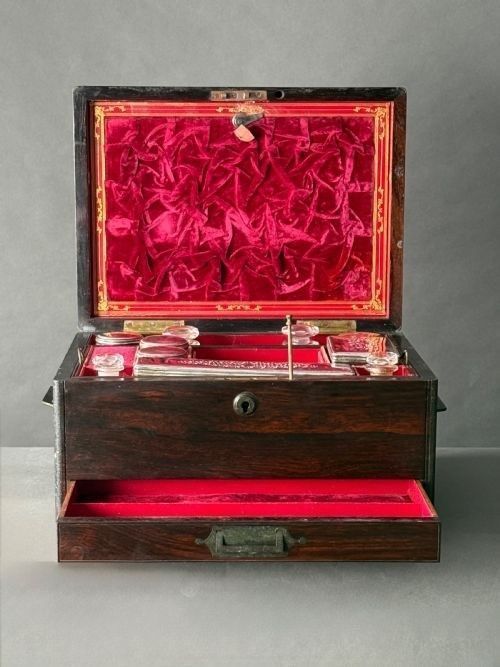
Metal reinforcement defines many functional pieces, utilising brass studs, iron bands, and heavy locks to secure valuables and withstand travel. Leather coverings, painted finishes, and mother of pearl details appear on specific vanity and travel trunks.
One piece preserves the travel history of a Waterloo commissary general through its heavy iron-bound trunk.
What Varies In Quality
Construction standards separate utilitarian farm pieces from urban cabinet work through timber selection and dovetail precision. Superior boxes employ finely figured mahogany or quarter-sawn oak with intact secondary woods and original internal compartments.
Hardware integrity dictates value, distinguishing original brass carrying handles, operational locks, and metal bindings from later replacements. The crispness of carved details on vernacular coffers and the survival of original leather surfaces also define superior examples.
Samuel Pratt·Wm. Insall of Bristol·Zimmermann
The Georgian Storage Box Glossary
- Coffer
- A heavy timber chest with a lid, traditionally used for storing valuables, textiles, or documents in domestic settings. Many early examples feature hand carved panels and robust frame construction.
- Mule chest
- A storage chest that incorporates one or more drawers beneath the main lifting compartment. This form bridges the evolution between simple blanket chests and modern drawer units.
- Cellarette
- A fitted box or container designed to hold wine bottles or decanters securely during cooling and storage. These pieces frequently appear in mahogany or walnut with interior divisions.
- Teapoy
- A small box or chest on legs designed specifically to hold varieties of loose tea leaves. They often contain internal crystal canisters and mixing bowls.
- Crossbanding
- A decorative border technique where thin strips of veneer are laid perpendicular to the grain of the primary panel. This creates a framed visual contrast on mahogany and walnut surfaces.
Georgian Storage Box: Frequently Asked Questions
What is a georgian storage box used for?
These boxes provided secure containment for household valuables, legal papers, textiles, and consumables before modern fitted furniture existed.
Different forms were tailored for specific contents, such as tea caddies for precious leaves, document boxes for deeds, and blanket chests for woolen goods.
How do I identify a georgian period piece?
Authentication relies on observing timber species like mahogany, oak, and elm alongside period-appropriate construction methods such as hand-cut dovetails and forged ironwork.
Proportions, decorative vocabulary including crossbanding or vernacular carving, and natural wear patterns help separate these boxes from later nineteenth-century revivals.
Where were these boxes placed in the home?
Depending on their scale, they lived anywhere from grand drawing rooms and bedrooms down to farmhouse kitchens and estate offices.
Smaller boxes rested on tables or walls, while heavy oak coffers and mule chests stood along hallways and landing floors.
What is the difference between a coffer and a chest?
The terms often overlap, though a coffer traditionally denotes a more rustic, heavy construction used in earlier vernacular settings for storage.
Chests frequently imply finer urban cabinet work, sometimes incorporating drawers beneath the primary lidded compartment like a mule chest.