




Rustic Elm Coffer
A rustic elm coffer is a robust, vernacular storage piece built for daily utility, prized for rich grain and honest construction.
Rustic Elm Coffer
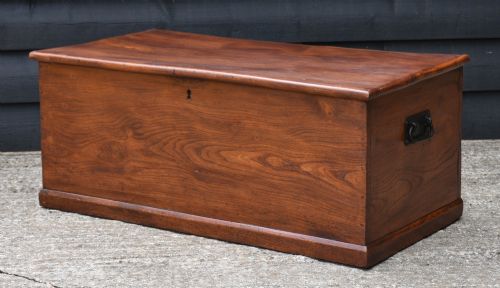
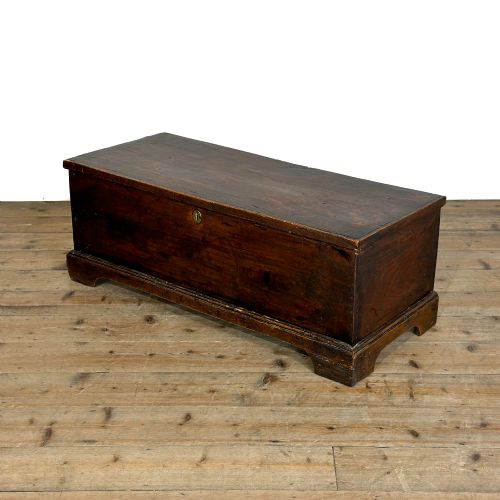
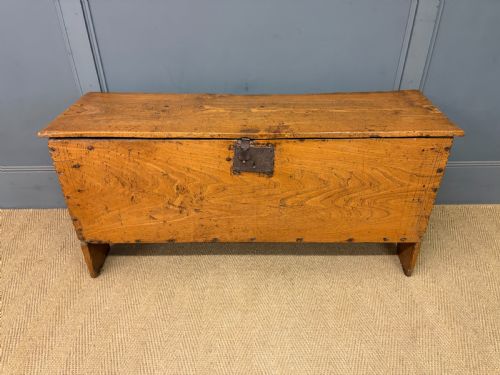
When you search for a rustic elm coffer, you encounter utilitarian storage chests built to endure centuries of domestic or provincial life. These pieces span the eighteenth and nineteenth centuries, taking the form of blanket boxes, strongboxes, and six-plank coffers. Vernacular country workshops produced the majority of these pieces, prioritising storage capacity and structural integrity over courtly ornament.
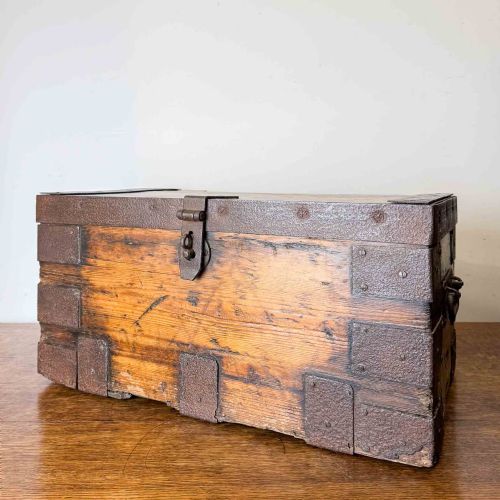
You are most likely to meet straightforward elm blanket chests and simple coffers dating from the Georgian era or the nineteenth century. Variations include pieces featuring burr elm panels, iron-bound strongboxes incorporating pine, and occasional dough bins or toolboxes. Each object reflects local provincial traditions rather than metropolitan design canons.
How they were made
Maker-joiners built these coffers using solid elm planks selected for tough, interlocking grain that resisted splitting during heavy use. Workshops reinforced vulnerable corners and lids with wrought iron straps, hinges, and hasps to secure valuables or textiles.
Secondary timbers such as pine occasionally appear in internal framing or secondary panels. Joinery methods rely on straightforward plank construction, dovetails, and pegged joints rather than elaborate decorative carving.
French elm cannonball boxes ensure you can store heavy ordnance with distinct provincial charm.
What varies in quality
Quality in these pieces rests upon timber selection and the degree of survival in the original construction. Elm boards with striking figure or burr panels command greater visual presence than plain, uniform utility planks. Untouched surface patination and original ironwork elevate an example far above pieces that have undergone extensive timber replacement or harsh stripping.
The Rustic Elm Coffer Glossary
- Cofer
- A large wooden chest used for storing valuables, linen, or documents. They typically feature a hinged lid and robust construction.
- Six-plank coffer
- A primitive chest constructed from just six pieces of timber pegged together at the corners. This represents one of the oldest forms of domestic case furniture.
- Vernacular
- Objects made by local craftsmen for everyday use rather than following high-style academic design. These pieces utilise regional materials and traditional methods.
- Elm
- A dense, tough timber known for an interlocking grain pattern that prevents splitting. It was heavily utilised for country furniture and robust utility boxes.
- Strongbox
- A heavily reinforced storage chest fitted with iron bands, straps, and secure locking mechanisms. They protected currency, documents, and high-value goods.
Rustic Elm Coffer: Frequently Asked Questions
What is a rustic elm coffer?
A rustic elm coffer is a utilitarian storage chest constructed from domestic elm timber by provincial makers. These pieces were built for everyday household storage.
They reflect regional woodworking traditions across the eighteenth and nineteenth centuries, featuring robust plank construction and practical iron hardware.
How were these chests used?
Households utilised these coffers to store blankets, garments, dry goods, or valuable documents securely away from damp floors and pests. Strongboxes and iron-bound chests held money or trade goods.
In provincial workshops and domestic settings, they served as heavy-duty furniture that doubled as casual seating when fitted with a closed lid.
How do I live with one?
A coffer functions naturally as a coffee table, end-of-bed blanket chest, or hallway storage bench. Keep elm furniture away from direct heat sources to prevent timber movement.
Allow the dry wood to stabilise in normal room conditions and maintain the surface with appropriate natural waxes rather than modern varnishes.
How do I date an elm coffer?
Dating relies upon examining construction marks, nail types, hinges, and the overall style of joinery. Georgian and George III examples display hand-forged ironwork and period-specific proportions.
Nineteenth-century variants often incorporate machine-sawn timber elements alongside older hand techniques, while six-plank constructions represent older vernacular traditions.