




Wooden Dough Box
A wooden dough box is a utilitarian vessel built to prove bread, and you want one for its honest country texture and simple storage.
Wooden Dough Box
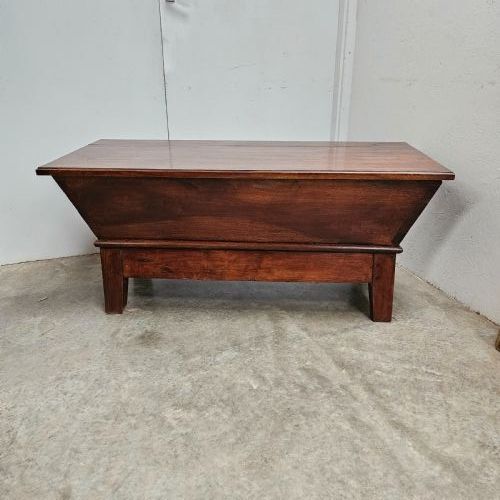
When you search for a wooden dough box, you encounter pieces that served a daily agricultural purpose in domestic kitchens across Europe. These vessels range from straightforward troughs to fitted coffers and bins designed for preparing flour and dough.
The examples available here fall mainly into the nineteenth and eighteenth centuries, reflecting regional country traditions. You meet French provincial and Scandinavian country forms alongside solid English pieces.
How they were made
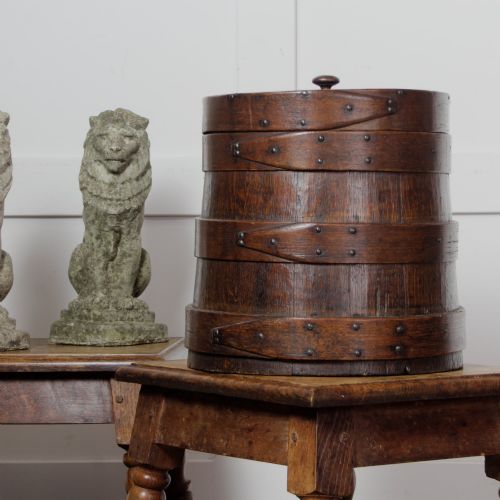
Makers utilised solid timbers such as oak, elm, walnut, and pine, often hewing boards thickly to withstand constant heavy use. Iron and metal fastenings appear on certain lids and hinges, providing structural support to the wooden frames.
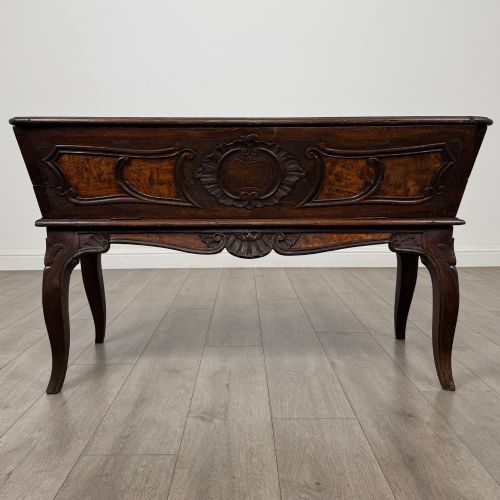
Construction methods rely on robust joinery suited to farmhouses and rustic workshops. Some French provincial versions incorporate carved cupboard sections or specialised prooving compartments beneath the main storage well.
Wooden Dough Box Retail Price Guide 2026
Typical asking prices for wooden dough box among the pieces listed under this phrase on Sellingantiques today, from the lower quarter to the upper quarter. They describe what is for sale here now, not the wider market.
Regional styles represented include French provincial, Scandinavian country, and rustic farmhouse traditions.
What varies in quality
The distinction between ordinary utility items and finer examples lies in the selection of timber and the ambition of the construction. Solid oak and figured walnut demand greater joinery skill than standard pine or elm country pieces.
Carving and integrated cabinetry set certain provincial bins apart from simple troughs. A piece featuring detailed woodwork or a fitted cupboard base demonstrates a higher level of workshop attention.
The Wooden Dough Box Glossary
- Dough bin
- A deep wooden container traditionally used for mixing and proving bread dough. These vessels often feature sloping lids to shed flour dust.
- Coffer
- A heavy wooden chest with a lid, utilised for secure storage of household provisions and dry goods. In country settings, these served double duty as work surfaces.
- Prooving box
- A specialised container designed to keep yeast dough at an even temperature while it rises. French examples sometimes incorporate carved doors beneath the main trough.
- Rustic country
- A style of utilitarian furniture made by local cabinetmakers using regional timbers without elaborate ornament. The focus remains strictly on function and structural integrity.
Wooden Dough Box: Frequently Asked Questions
How were dough boxes used?
Bakers used these wooden vessels to store bulk flour away from dampness and pests in farmhouse kitchens.
The deep interior and tightly fitted lid created a controlled environment where yeast dough could rise undisturbed.
How do I date an antique dough box?
Dating relies on examining the timber grain, tool marks, and construction joints visible on the piece.
Eighteenth-century examples often display hand-hewn surfaces and pegged joinery, while nineteenth-century versions show more standardised sawmill preparation.
Where did these dough bins originate?
These domestic vessels originated across rural Europe, with distinct regional styles developing in France, Scandinavia, and Britain.
Local makers utilised whatever native hardwoods or softwoods grew abundantly in their immediate area.
How do I clean a wooden dough box?
Maintain the aged wooden surface by dusting gently with a dry cloth and avoiding harsh chemical cleaning products.
Feeding the dry timber occasionally with a traditional wax preserves the natural finish without altering the historic patina.