



Antique Oak Dowry Chest
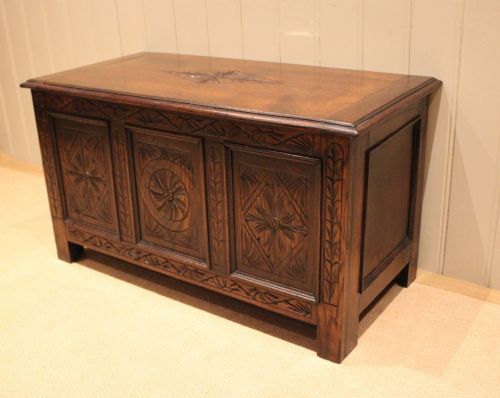
An antique oak dowry chest is a sturdy utilitarian survivor of past centuries, offering generous household storage with rich patination.
What an antique oak dowry chest is
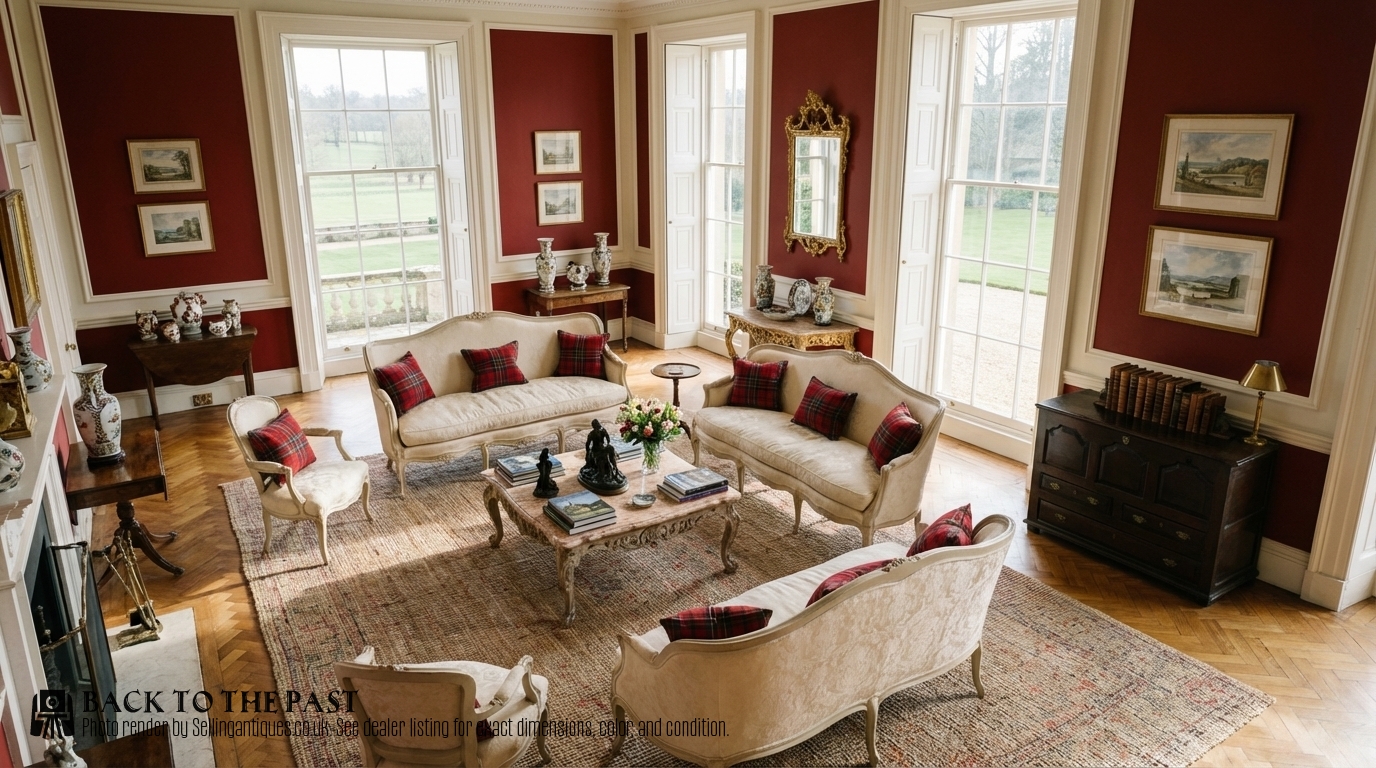
An antique oak dowry chest brings centuries of practical history directly into a modern room, functioning reliably as a coffee table, blanket box, or window seat. These sturdy repositories of household goods span the seventeenth and eighteenth centuries, originating from periods when robust timber construction was essential for domestic security.
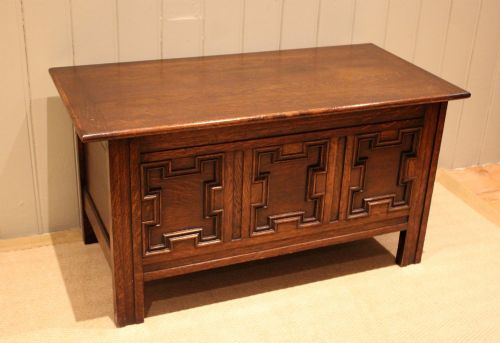
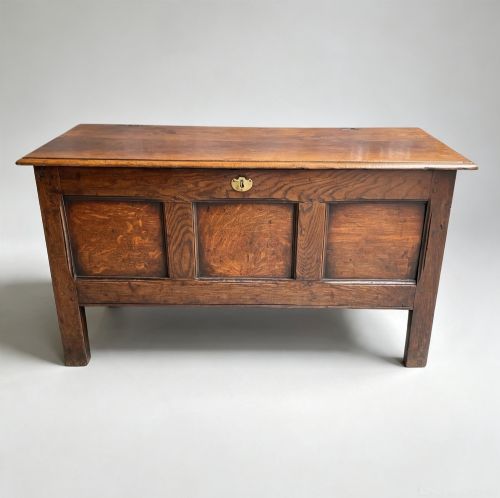
The pieces appearing on this page take the form of coffers, storage chests, and mule chests incorporating lower drawer configurations. Regional English craftsmanship dominates the selection, showing up in forms ranging from plain panelled boards to intricately carved surfaces.
Buyers seeking an authentic antique oak dowry chest encounter examples defined by heavy timber construction and practical interior space. The selection spans distinct eras including the seventeenth century, the William and Mary period, and broader eighteenth-century Georgian designs.
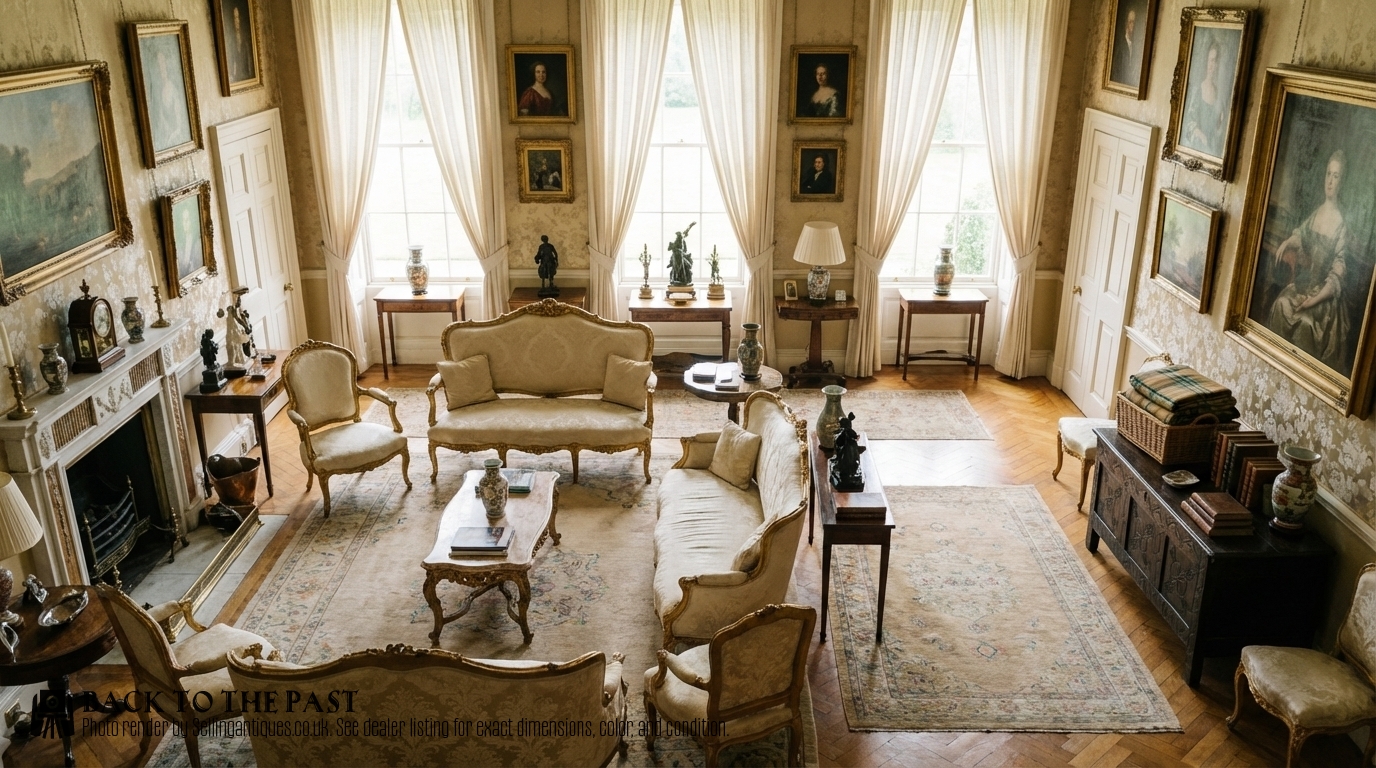
How they were made
Makers built these pieces primarily from solid oak, utilising heavy boards joined with traditional pegged framing and panel construction. This timber choice provided exceptional structural rigidity, allowing the chests to withstand generations of daily domestic use.
Hardware played a functional role in construction, incorporating iron hinges and brass fittings to secure lids and drawers. Surface decoration involved scratch carving techniques and raised panels, adding texture to the dense hardwood facades.
Retail Price Guide 2026
Typical UK retail prices for oak dowry chest, calculated from the Sellingantiques database of over a million retail prices indexed since 2003. This retail price guide relies exclusively on Sellingantiques data; no external sources or auction records are used, so the figures do not describe the wider market.
Materials recorded across these items consist strictly of solid oak with iron and brass hardware components.
What varies in quality
Quality separates simple utilitarian boxes from finer regional works through the depth of carving, the crispness of raised panels, and the integration of lower drawer tiers. Earlier pieces often display more vigorous scratch carving and heavier timber proportions.
The integrity of the original construction and the preservation of the surface patination dictate the standing of an individual chest. Expert assembly using pegged joints and minimal later timber replacement preserves the structural honesty valued by collectors.
The Antique Oak Dowry Chest Glossary
- Coffer
- A heavy wooden chest traditionally used for storing valuables or household goods. These sturdy boxes formed the backbone of early domestic storage before dedicated wardrobes and chests of drawers became common.
- Mule chest
- A storage chest featuring one or more drawers built into the base beneath the main compartment. This hybrid form bridges the traditional coffer and the modern chest of drawers.
- Raised panel
- A wooden panel with bevelled edges fitted into a grooved frame. This technique allows the solid timber to expand and contract with seasonal humidity changes without splitting.
- Scratch carving
- A simple decorative method where a profile is scraped or gouged directly into the surface of the wood. It represents an early form of ornamentation found on seventeenth-century pieces.
- Patina
- The deep, lustrous surface sheen developed over centuries through handling, waxing, and ageing. This visual depth is a primary indicator of genuine antiquity.
Frequently Asked Questions
What is an antique oak dowry chest used for?
These chests served historically to store linens, clothing, and valuables brought to a marriage. Today they function practically in homes as blanket boxes, window seats, or coffee tables.
Their deep interiors swallow household clutter while the flat timber tops provide convenient surface space in living areas and hallways.
How do I date an old oak chest?
Dating relies on examining construction methods, timber selection, and decorative styles. Seventeenth-century examples often feature scratch carving and hand-split boards, while eighteenth-century Georgian pieces introduce raised panels and base drawers.
Hardware types and tool marks left by makers also help narrow down the period of manufacture.
Are mule chests different from standard coffers?
Mule chests incorporate one or more drawers beneath the main lift-lid compartment. Standard coffers consist solely of a top-opening box.
This addition of drawer storage marks an evolutionary step in domestic furniture design during the eighteenth century.
How do I care for antique oak furniture?
Maintain antique oak by keeping it away from direct heat sources and sudden humidity shifts that can cause timber to split. Apply a traditional beeswax polish occasionally to nourish the wood and preserve the surface sheen.
Avoid synthetic sprays or heavy silicone cleaners which can damage the historic patination over time.