
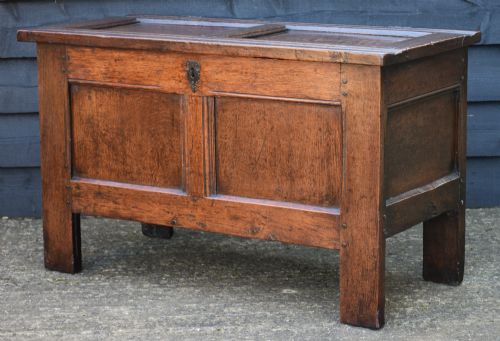
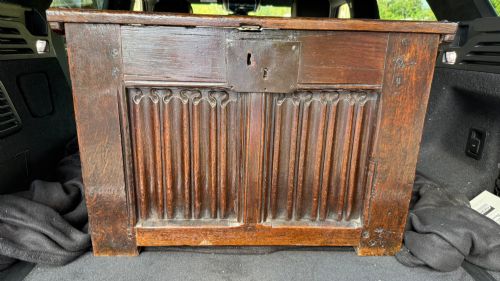
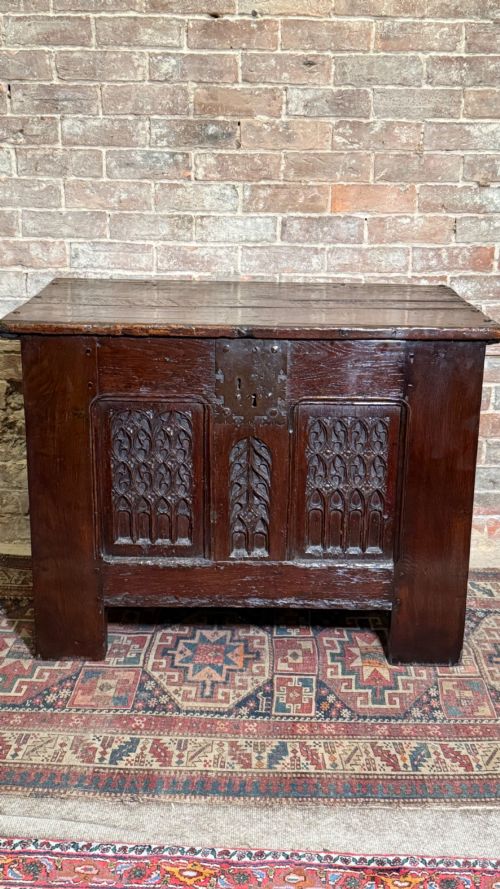
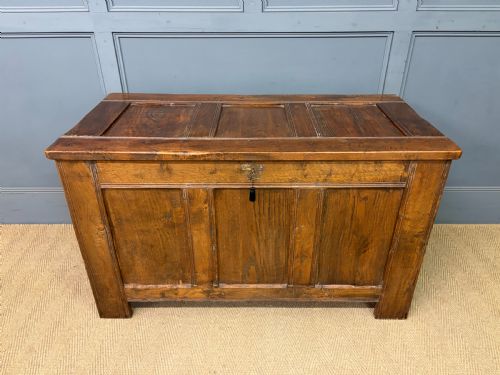
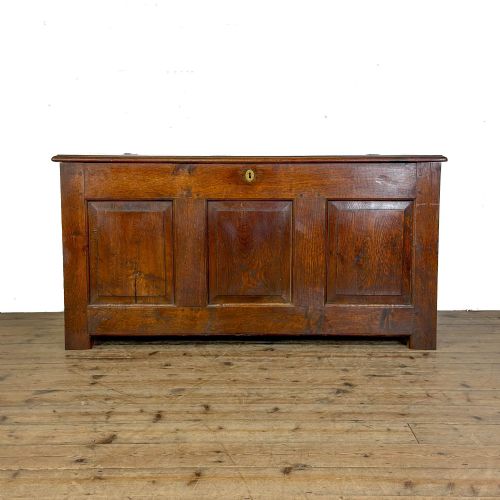
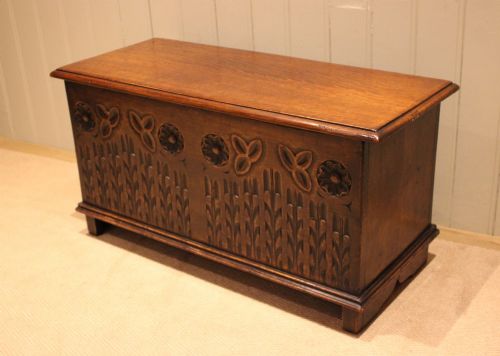
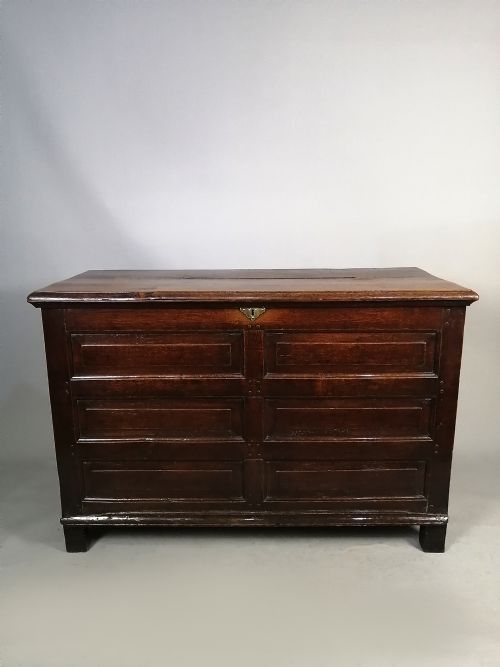
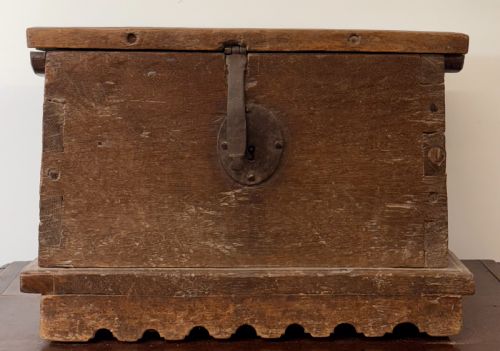
Brown Oak Storage Trunk
A brown oak storage trunk carries centuries of domestic history in its dense grain and iron hinges, offering a sturdy and timeless vessel for household linens and treasures.
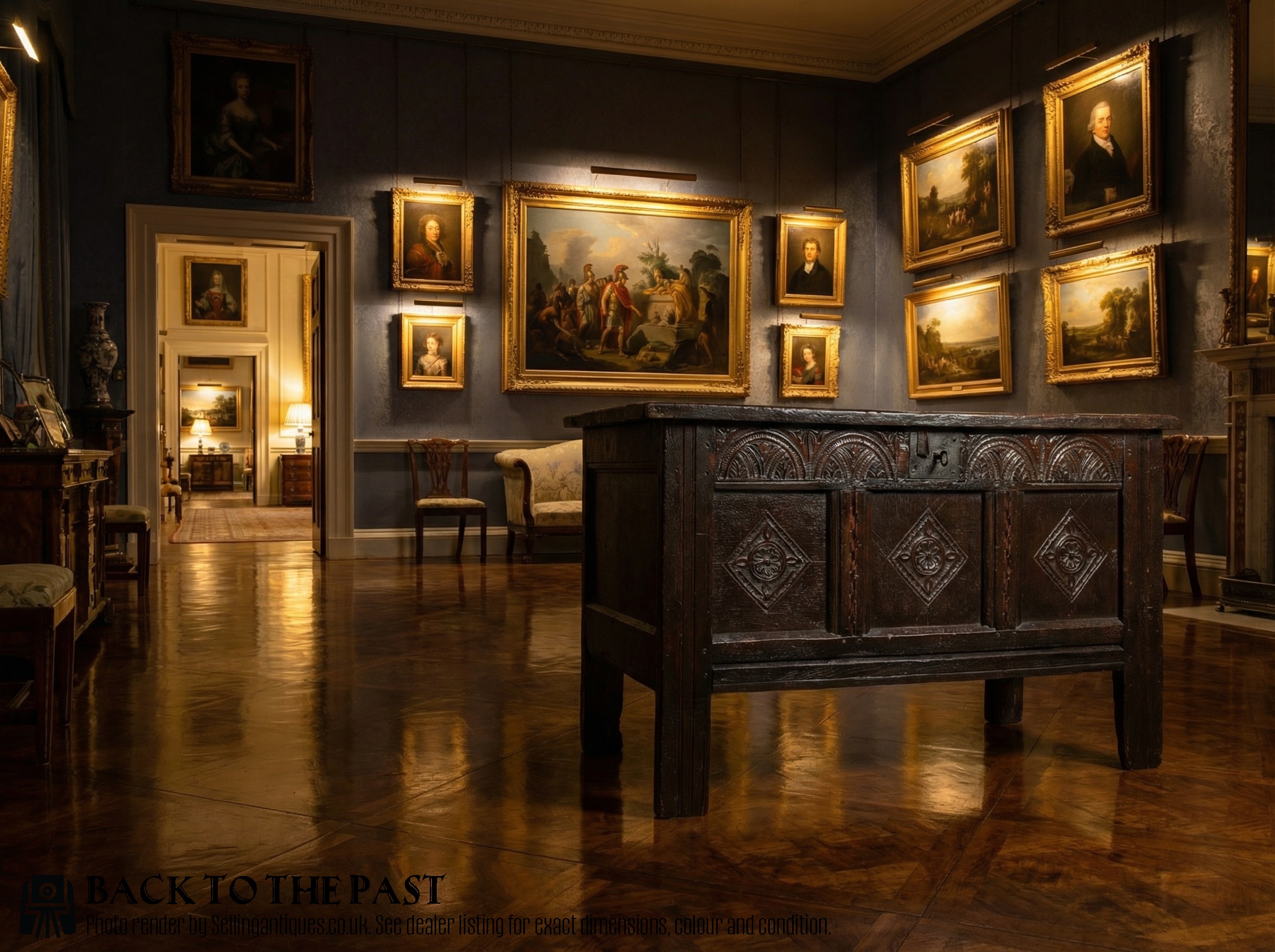
Brown Oak Storage Trunk
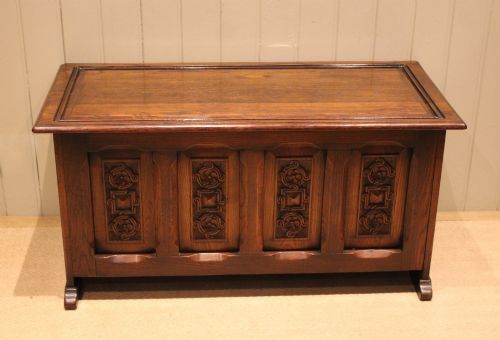
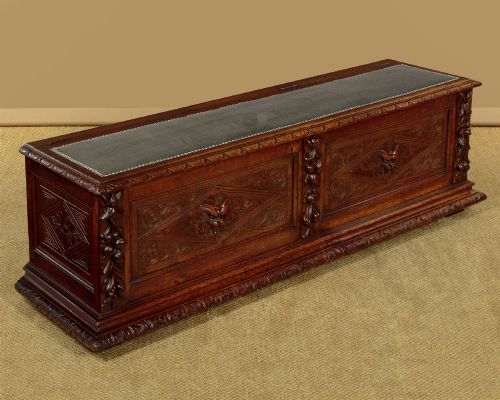
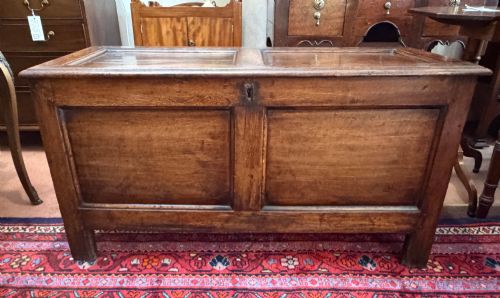
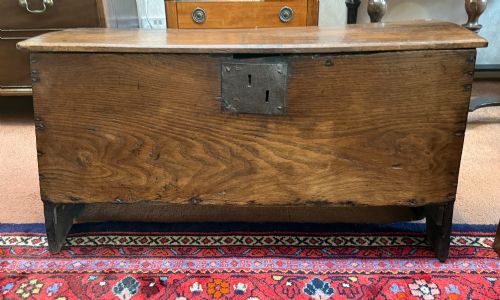
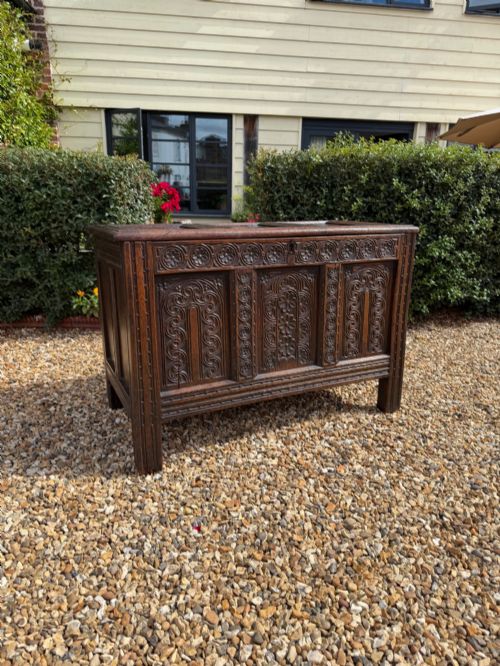
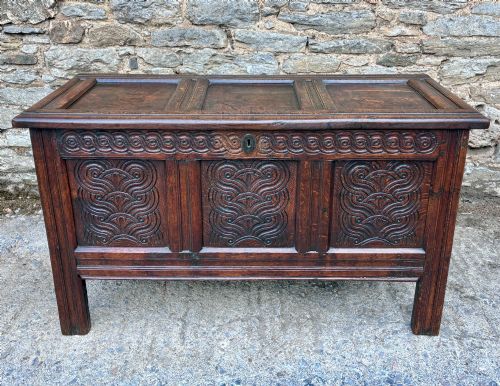
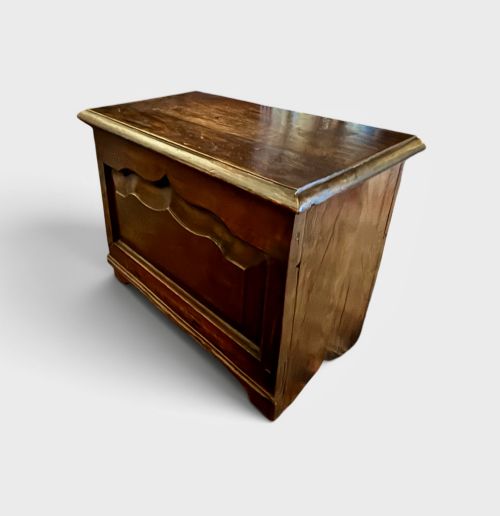
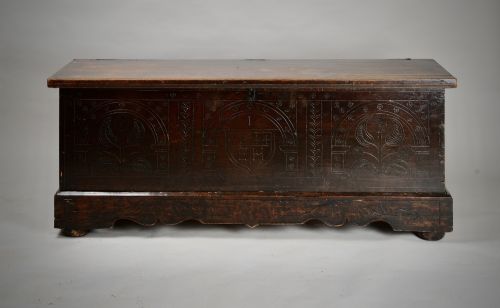
A brown oak storage trunk appears primarily as a coffer, blanket chest, or mule chest spanning the sixteenth century through the Georgian era and into later revival styles.
These pieces served essential domestic functions for safeguarding valuables, clothing, and documents before fitted wardrobes became common in homes.
The selection ranges from sixteenth-century boarded chests to seventeenth-century panelled coffers and eighteenth-century examples with integrated drawers.

Materials and Construction
Construction relies heavily on solid oak timbers joined through traditional framing methods, often featuring hand-carved panels and pegged joints.
Iron and wrought iron provide structural support and security through strap hinges, latches, and corner brackets.
Secondary elements incorporate brass hardware, leather details, and occasional wood inlay or ebonised wood highlights.
Brown Oak Storage Trunk Retail Price Guide 2026
Typical asking prices for brown oak storage trunk among the pieces listed under this phrase on Sellingantiques today, from the lower quarter to the upper quarter. They describe what is for sale here now, not the wider market.
Materials paired with oak across these selections include wrought iron, brass, leather, and ebonised wood.
Quality and Character
The distinction between tiers rests upon the crispness of period carving, the integrity of the timber, and the proportion of original components remaining intact.
Surface quality shows in the depth of natural patina developed across centuries of handling rather than applied finishes.
Structural honesty and the survival of original hinges and board floors elevate an example above pieces with extensive later replacements.
The Brown Oak Storage Trunk Glossary
- Coffer
- A heavy wooden chest traditionally used for storing valuables and personal belongings. These forms often feature hinged lids and sturdy panelled construction.
- Mule chest
- A storage chest that incorporates one or more drawers beneath the main lifting compartment. This development bridged the gap between traditional coffers and modern chests of drawers.
- Boarded chest
- An early form of trunk constructed from thick planks fastened together with iron nails or dowels rather than sophisticated frame and panel joints.
- Panelling
- A method of framing thin wooden panels within thicker stiles and rails to accommodate seasonal wood movement. This technique defines seventeenth-century case furniture.
- Patina
- The surface sheen and colour acquired by wood and metal through decades of oxidation, light exposure, and daily use.
Brown Oak Storage Trunk: Frequently Asked Questions
What is a brown oak storage trunk used for today?
These versatile pieces function effectively as blanket chests at the foot of a bed, coffee tables in a living space, or hallway storage for bulky items.
Their robust timber construction ensures they easily withstand daily domestic use while concealing modern clutter.
How do I tell a seventeenth-century coffer from a later revival piece?
Early examples display tool marks from hand-riven timber, pegged joinery, and natural shrinkage that aligns with centuries of age.
Revival pieces from the nineteenth or twentieth centuries often reveal mechanical saw marks and standardised fixings upon closer inspection.
Did these trunks always have internal compartments?
Many traditional coffers included a small internal lidded box known as a till, which kept candles, coins, or small documents separate from main storage.
Larger mule chests eventually incorporated external drawers below the main compartment for easier access to smaller garments.
How should I care for historic oak furniture?
Keep wooden storage pieces away from direct heat sources and strong sunlight to prevent the timber from drying out and splitting.
Apply a traditional beeswax polish occasionally to nourish the grain and maintain the natural surface finish.