



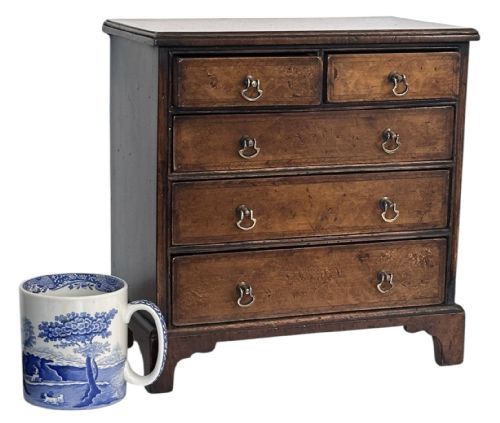


Miniature Oak Chest
These small-scale storage pieces bring domestic utility down to miniature oak chest proportions, offering compact craftsmanship for collectors and period interiors.
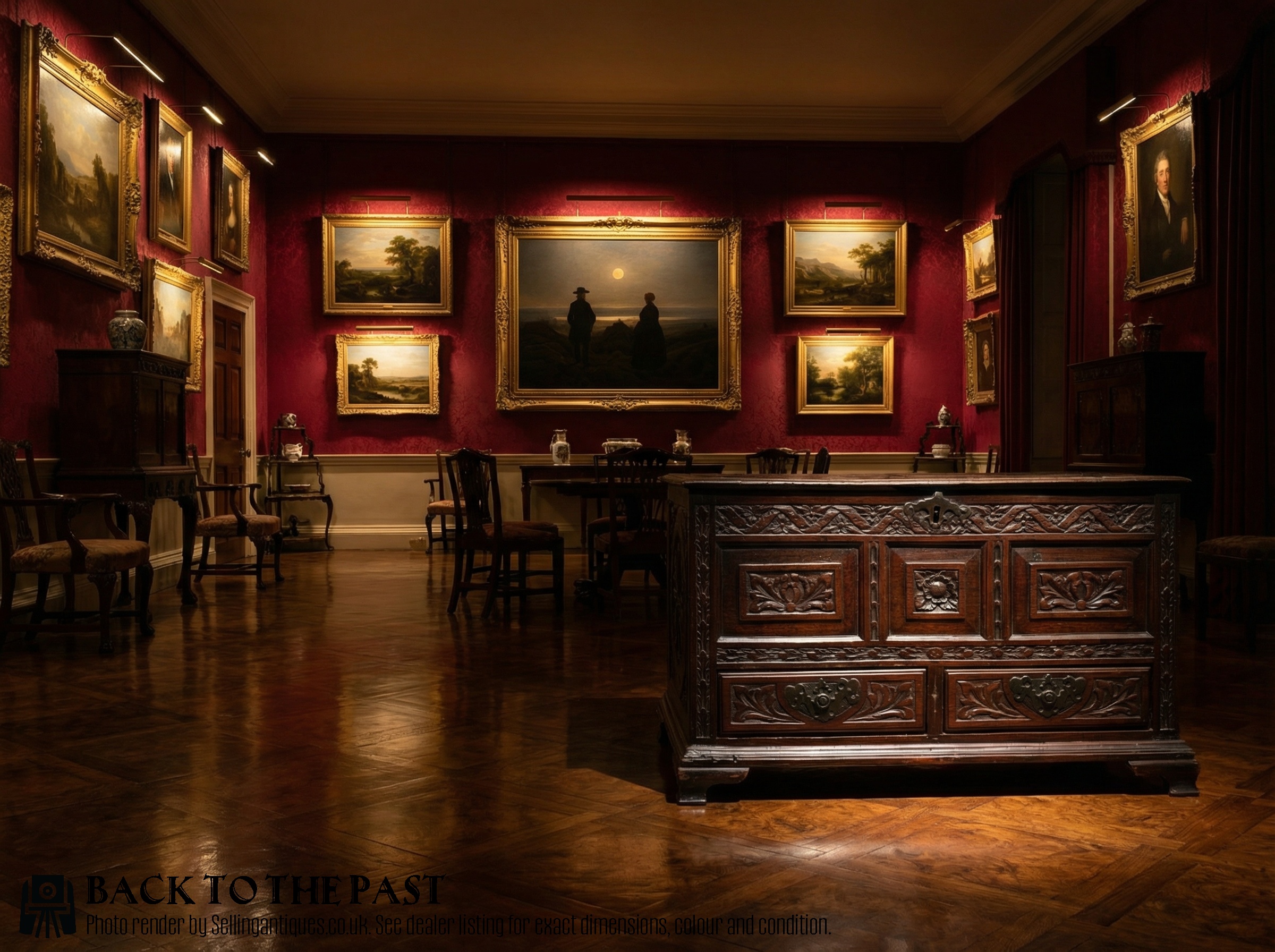
Forms and Origins
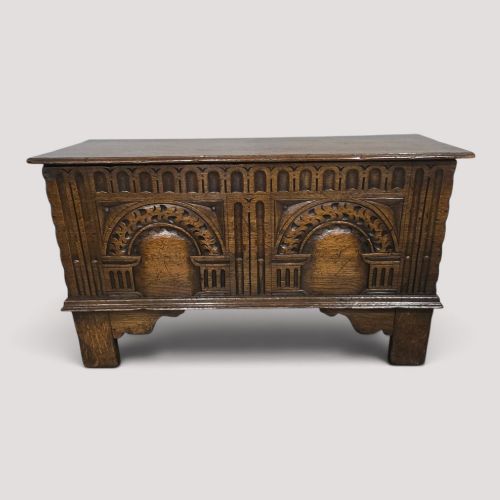
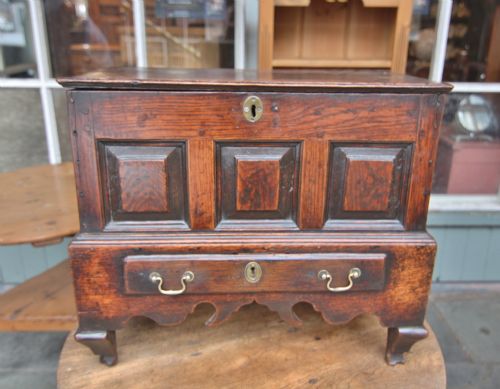
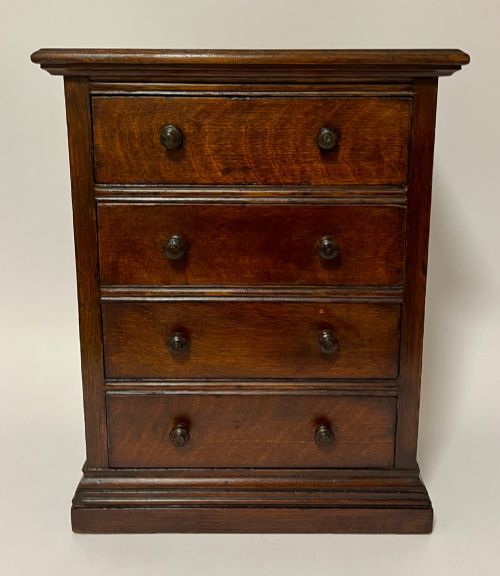
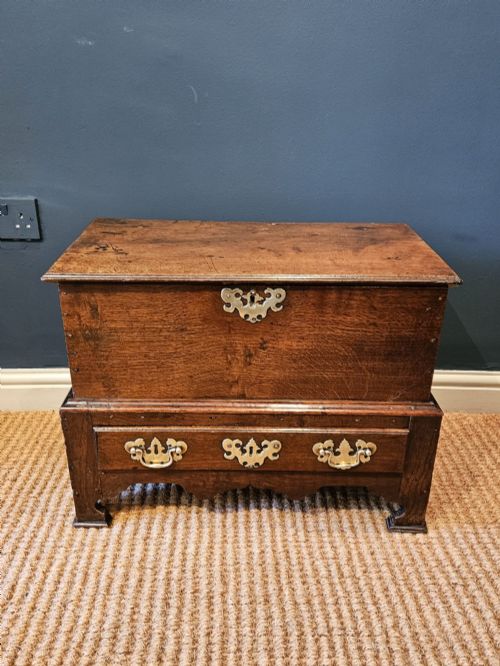
A miniature oak chest brings domestic storage forms down to a smaller scale, taking the shape of chests of drawers, coffers, and miniature desks. When you search for a miniature oak chest, you encounter pieces spanning the eighteenth century through to the early twentieth century.
Makers produced these smaller items for various purposes, including apprentice pieces, salesman samples, and fine domestic repositories for valuables. The surviving examples demonstrate how cabinetmakers applied full-scale joinery techniques to compact furniture.
Materials and Construction
Makers utilised solid timber, framing panels within stiles and rails for the main carcase while incorporating secondary woods for drawer linings. Iron hinges, brass swing handles, and escutcheons complete the construction.
Surviving examples display pegged joints, dovetailed drawer construction, and occasional parquetry work using contrasting timbers. Surfaces show hand-planed finishes and rich patination developed over centuries of handling.
Retail Price Guide 2026
Typical UK retail prices for miniature oak chest, calculated from the Sellingantiques database of over a million retail prices indexed since 2003. This retail price guide relies exclusively on Sellingantiques data; no external sources or auction records are used, so the figures do not describe the wider market.
Some miniature drawers still contain traces of eighteenth-century pin dust and old dried lavender.
Judging the Range
Proportion and timber selection separate finer examples from simpler vernacular pieces, with tight medullary rays in the oak indicating superior quarter-sawn boards. The crispness of hand-cut dovetails and the integrity of the original brass hardware also distinguish better items.
The handling of mouldings and feet reveals the maker's skill, where well-balanced bracket feet or solid plinths anchor the small scale successfully. Pieces retaining their original backs, locks, and interior fittings command greater attention from discerning collectors.
The Miniature Oak Chest Glossary
- Coffor bach
- A small Welsh chest or coffer, often fitted with a drawer beneath the main compartment. These regional pieces served traditional domestic functions in Welsh homes.
- Mule chest
- A storage chest featuring one or more drawers at the base beneath a hinged lid. This hybrid form bridges the gap between traditional coffers and drawer chests.
- Apprentice piece
- A small item of furniture demonstrated by a craftsman to prove proficiency to a guild. These pieces replicate full-size furniture at a reduced scale.
- Quarter-sawn
- Timber cut radially through the growth rings, producing a decorative grain pattern known as medullary rays. This method provides greater stability to oak boards.
Frequently Asked Questions
What were miniature oak chests used for?
These small chests served multiple purposes in historic homes, from holding jewellery and documents to acting as trial pieces for woodworking apprentices. Their portable scale allowed owners to keep valuable items secure in different rooms.
Cabinetmakers also produced them as travelling salesman samples to demonstrate joinery techniques and wood finishes to prospective buyers.
How do I date an antique oak chest?
Dating relies upon examining construction methods, timber preparation, and hardware styles across the piece. Hand-cut dovetails, forged iron hinges, and Georgian proportions provide clear chronological markers.
Secondary woods used in drawer linings and the presence of original brasses also help establish the likely period of manufacture.
Are Welsh coffor bach pieces different?
Welsh coffor bach examples represent a distinct regional tradition of miniature lidded chests, frequently incorporating one or more base drawers. They often display vernacular construction methods rooted in eighteenth-century Welsh cabinetmaking.
These pieces carry specific cultural significance within British vernacular furniture collecting.
How should I care for antique oak?
Maintain stable humidity levels and keep wooden pieces away from direct heat sources to prevent the timber from splitting. Regular dusting with a dry cloth preserves the historic patination.
Avoid modern silicone polishes, opting instead for traditional beeswax when the surface requires nourishment.