
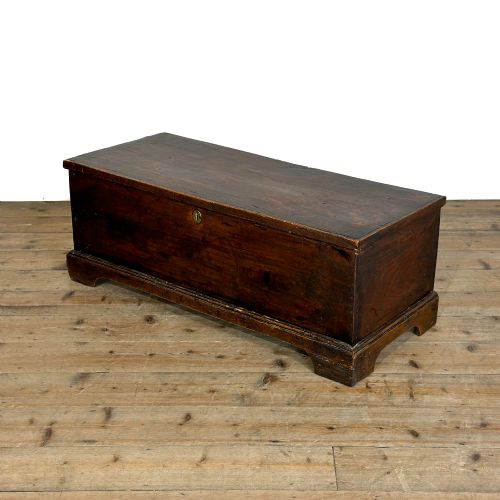


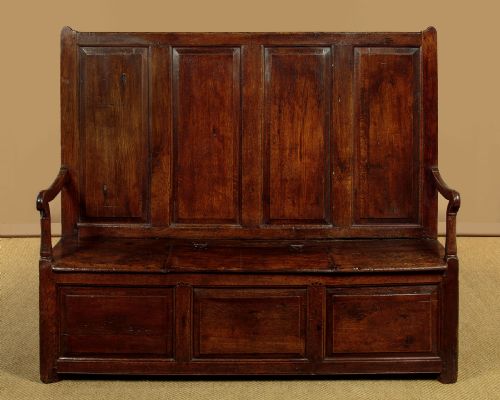
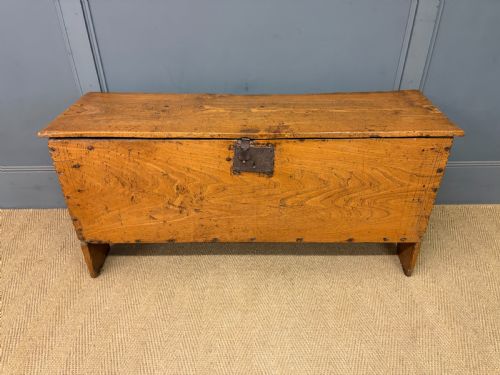
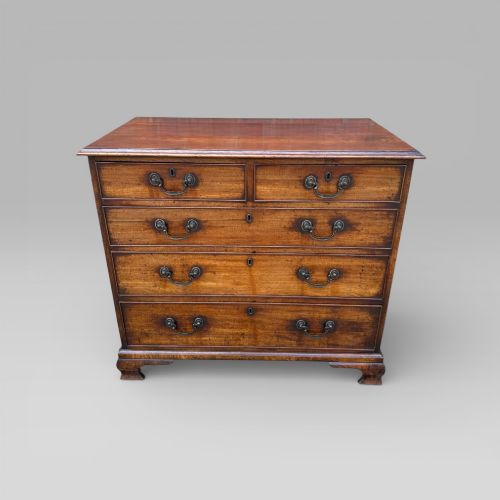
Georgian Wooden Coffer
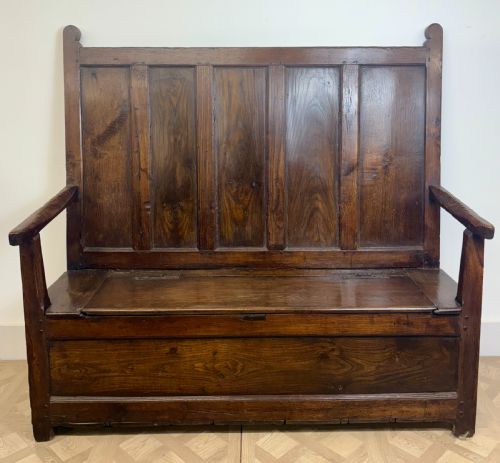
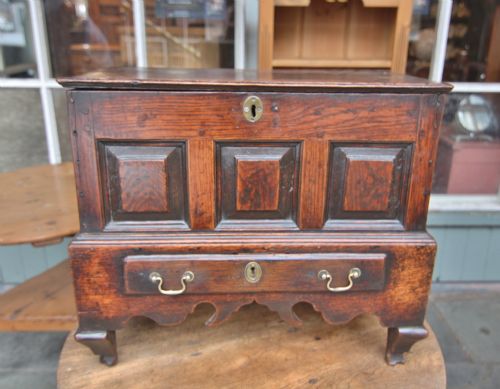
A georgian wooden coffer is a sturdy household storage piece built for utility, prized for its honest craft and rich timber character.
What a georgian wooden coffer is
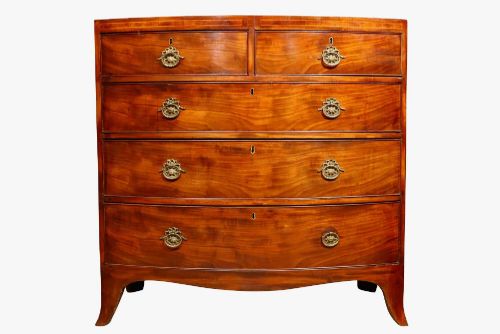
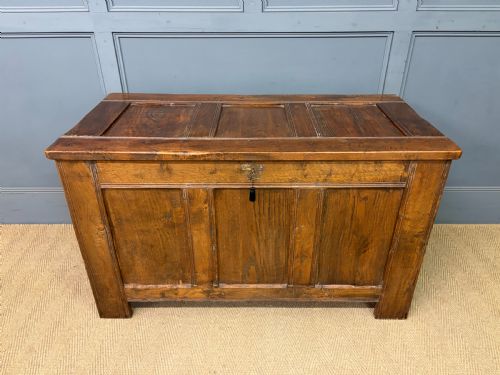
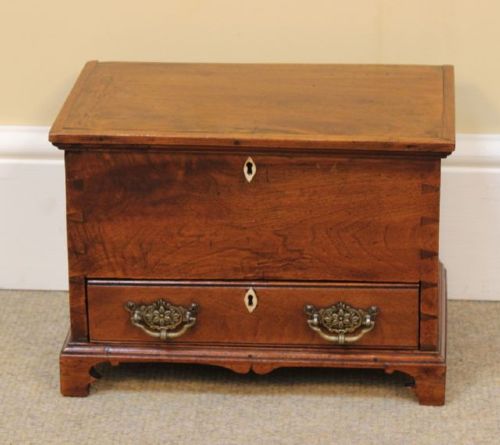
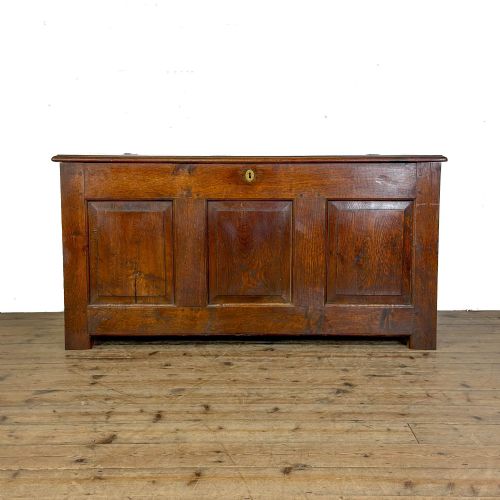
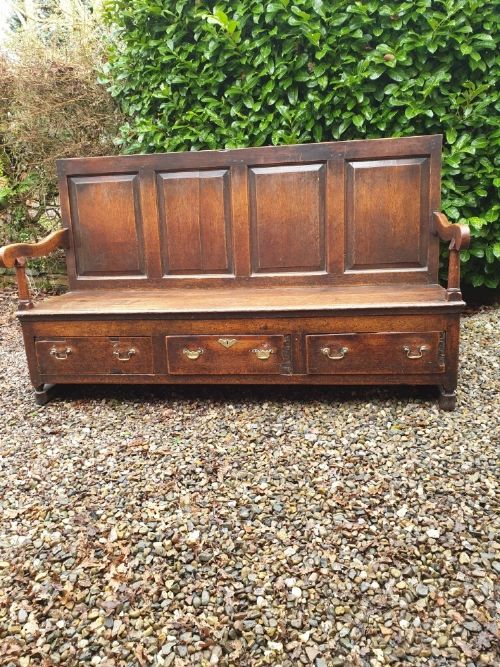
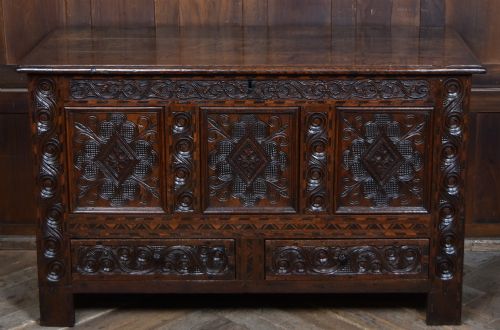
When you search for a georgian wooden coffer, you are looking at substantial storage furniture designed to hold textiles, valuables, or personal belongings. The pieces available span trunks, blanket boxes, mule chests, and sailors chests from the eighteenth and nineteenth centuries. These items served practical domestic and travel needs long before modern fitted wardrobes existed.
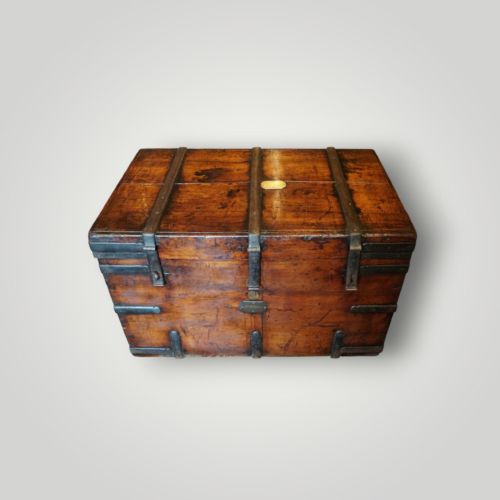
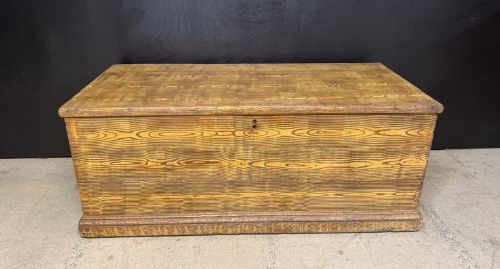
The versions you are most likely to meet on this page include elm trunks, pine blanket boxes, and specialised camphorwood sailors chests. Examples range from rustic country elm to colonial teak and walnut pieces that reflect global travel and trade. Each form retains the fundamental proportions and sturdy joinery of the period.
Origin details in the evidence point to both domestic British workshops and colonial contexts, encompassing styles described as rustic country or colonial georgian. Dating stretches from the late eighteenth century through to the nineteenth century. These variations show how the basic box form adapted to different timbers and geographical uses.
How they were made
Makers constructed these coffers using regional and imported timbers recorded in the listings as elm, teak, walnut, pine, and camphorwood. Carpenters selected woods based on availability and purpose, utilising dense tropical varieties for travel and resilient domestic hardwoods for everyday household use. Surfaces often retain wax finishes that highlight the natural grain of the timber.
Hardware played a crucial functional role, with mounts and handles fashioned from iron and brass. Rope fittings also appear on specific travel pieces for ease of handling aboard ships. These metal elements were hand-forged or cast to secure the heavy timber sides and lids.
Retail Price Guide 2026
Typical UK retail prices for georgian wooden coffer, calculated from the Sellingantiques database of over a million retail prices indexed since 2003. This retail price guide relies exclusively on Sellingantiques data; no external sources or auction records are used, so the figures do not describe the wider market.
Periods represented span the eighteenth century, the nineteenth century, and the broader Georgian era.
What varies in quality
The distinction between a standard utility box and a finer example lies in the choice of timber and the sophistication of its presentation. Walnut and figured camphorwood sit at a different aesthetic level from everyday pine or basic elm, offering deeper visual warmth and grain complexity. Regional country pieces display a straightforward honesty, whereas colonial and refined metropolitan examples show more elaborate proportions.
Hardware integration further separates the range, as heavy brass mounts and robust iron strapwork indicate higher specification builds intended for officers or wealthy households. The survival of original surface treatments, such as early waxed finishes, preserves the integrity of the piece. Quality rests on the harmony between the timber used and the original purpose of the coffer.
The Georgian Wooden Coffer Glossary
- Mule chest
- A storage box featuring one or more drawers beneath the main compartment. This form bridges the gap between a simple trunk and a chest of drawers.
- Blanket box
- A large rectangular container designed primarily for storing bedding and textiles. These typically feature a hinged lid and simple interior space.
- Camphorwood
- An aromatic timber frequently used for travel chests because its natural scent repels insects. It is durable and holds a rich warm tone.
- Elm
- A tough domestic hardwood known for its interlocking grain and resistance to splitting. It frequently appears in rustic country furniture.
- Colonial georgian
- A style describing furniture made in British colonies or for colonial trade during the Georgian era. It adapts traditional forms to tropical timbers like teak.
Frequently Asked Questions
What is the difference between a coffer and a trunk?
A coffer generally denotes a rigid wooden box with a hinged lid used for safe storage of valuables or documents. Trunks often share this form but frequently incorporate materials or handles better suited for transport.
In the context of the evidence, these terms overlap to describe heavy lidded storage containers built from elm, pine, teak, or camphorwood.
How were these wooden chests used?
Households relied on these boxes to store heavy textiles, blankets, woollens, and personal possessions in eras lacking built-in closets. Sailors and travellers utilised specialised variants like camphorwood chests for long voyages.
Their robust construction allowed them to double as seating or tables within modest rooms while keeping contents secure from dust and damp.
How do I date a wooden coffer?
Dating relies on identifying timber species, construction methods, hardware styles, and overall proportions associated with the eighteenth and nineteenth centuries. Regional country pieces often display simpler hand-worked joinery compared to refined urban examples.
The presence of specific colonial timbers like teak or camphorwood also points toward trade networks active during the late Georgian period.
How do I care for antique wood furniture?
Maintain stable indoor humidity levels and keep wooden coffers away from direct heat sources to prevent timber from splitting or warping. Dust regularly with a dry cloth and occasionally apply appropriate wax to nourish waxed surfaces.
Avoid harsh chemical cleaners that can strip historic finishes and alter the natural patina of the wood.