




Antique Elm Coffer
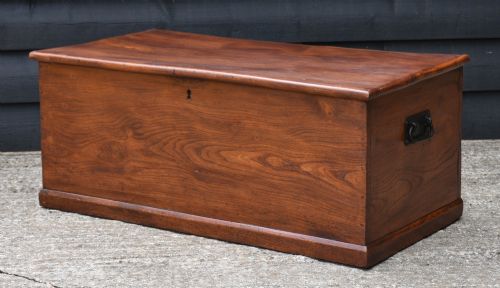
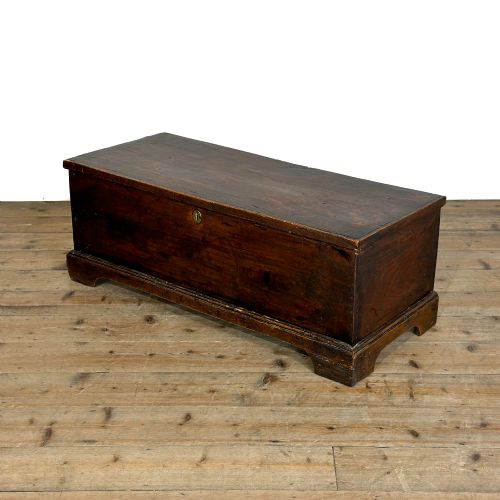
An antique elm coffer is a robust storage chest holding generations of domestic history, prized for its distinctive figured timber and honest country construction.
Antique Elm Coffer
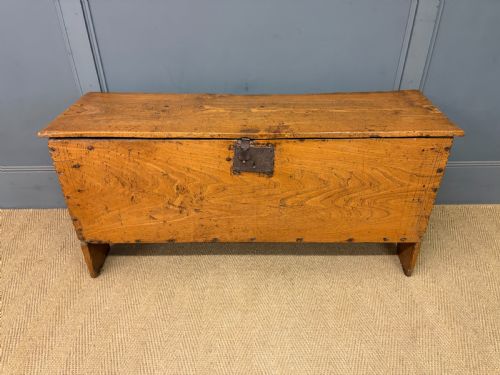
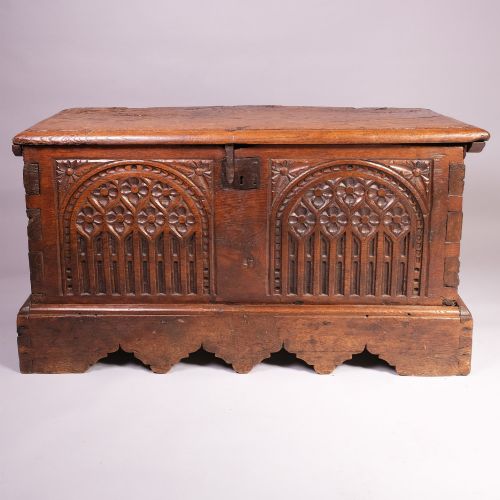
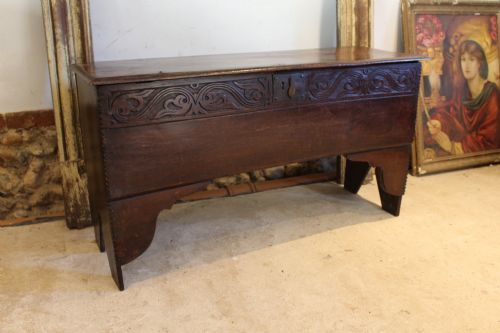
When you search for an antique elm coffer, you encounter practical storage furniture built primarily for domestic utility in country houses and provincial workshops. These pieces span from early six-plank constructions to refined Georgian blanket chests and regional vernacular forms.
Construction dates stretch from pre-sixteenth century Gothic joinery through eighteenth-century Georgian periods up to nineteen-hundreds vernacular items. Buyers find both British provincial pieces and various timber chests designed for storage.
How they were made
Joiners built these coffers using solid elm timber, frequently selected for its resistance to splitting and its striking interlocking grain. Panels were often housed in frames or joined directly in six-plank configurations using simple pegged or nailed joints.
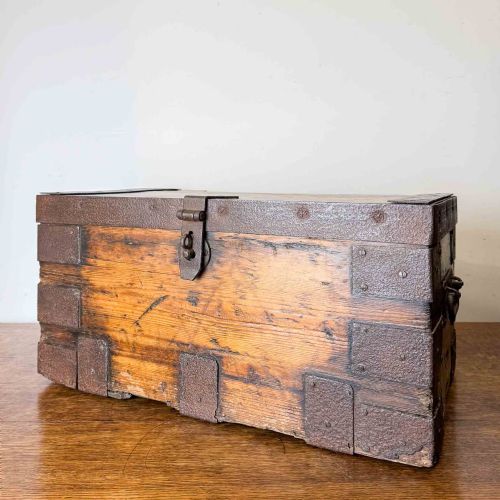
Metal reinforcement played a structural role, with blacksmiths providing iron straps, hinges, carrying hoops, and hasps alongside brass mounts. Selected pieces incorporated secondary timbers such as pine or oak, while certain surfaces retained traces of original paint or polished finishes.
Antique Elm Coffer Retail Price Guide 2026
Typical asking prices for elm coffer among the pieces listed under this phrase on Sellingantiques today, from the lower quarter to the upper quarter. They describe what is for sale here now, not the wider market.
One surviving box retains its original cannonball contents, providing an unusually direct link to its military past.
What varies in quality
Quality depends upon the selection of the timber, where heavily figured burr elm panels elevate a piece above standard utility boards. The integrity of the original construction, including unaltered hinges, untouched boarded lids, and intact feet or base plates, determines the standing of the coffer.
Proportion and regional character distinguish finer provincial workshop output from plain utilitarian boxes. Retained original surfaces, such as early blue paint or traditional beeswax finishes, preserve the historical authenticity valued by collectors.
The Antique Elm Coffer Glossary
- Six-plank coffer
- A simple chest constructed from six boards pinned together at the corners, representing an early and fundamental form of vernacular storage furniture. These pieces rely on direct edge joints rather than complex frame construction.
- Mule chest
- A storage chest featuring one or more drawers built into the base beneath the primary compartment. This form evolved during the seventeenth and eighteenth centuries to offer more accessible organisation.
- Burr elm
- A growth deformity in the elm tree that produces highly figured, swirling wood grain patterns. Cabinet makers prized these sections for decorative veneer and feature panels on front elevations.
- Bible box
- A small tabletop or chest designed to store sacred texts and writing materials securely. They frequently feature sloping lids and fitted interior compartments.
- Strongbox
- A heavily reinforced chest utilising iron bands and robust locking mechanisms to protect valuable documents and currency. These utilitarian items prioritise security over decorative refinement.
Antique Elm Coffer: Frequently Asked Questions
What was an elm coffer used for?
These chests served as secure domestic containers for storing textiles, blankets, clothing, and valuables in households before fitted wardrobes became common. Their heavy construction also made them suitable for transporting possessions or storing documents.
Over time, smaller versions adapted to specialist domestic tasks, functioning as bible boxes, toy chests, or carpenter toolboxes within provincial workshops.
How do I date an antique elm coffer?
Dating relies on examining construction methods, such as the transition from primitive six-plank board joints to pegged frame-and-panel techniques. Hand-forged ironwork, early hinge types, and historical tool marks provide further chronological indicators.
Stylistic details also assist, as distinct architectural fashions from the Gothic period through the Georgian era influenced the mouldings, feet, and panel configurations applied by makers.
How do I care for antique elm furniture?
Keep elm furniture away from direct heat sources and sudden temperature shifts to prevent the solid timber from splitting or warping. Maintaining a stable environment preserves the structural integrity of the boards and joints.
Apply traditional beeswax periodically to nourish the dry wood and maintain a natural sheen without sealing the historical surface beneath synthetic finishes.