

Antique Elm Chest
When you search for an antique elm chest, you meet robust country furniture and figured urban case pieces spanning centuries of global joinery.
Antique Elm Chest
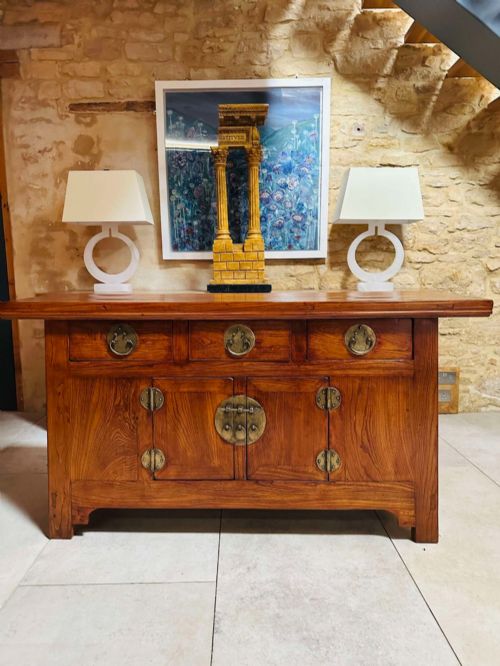
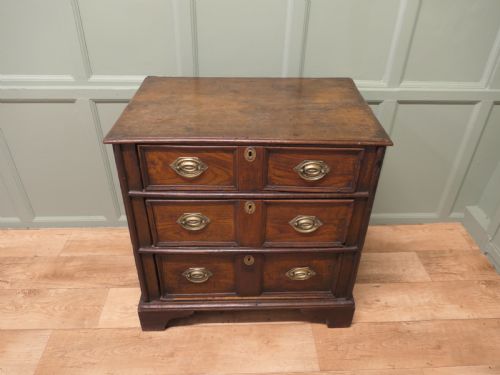
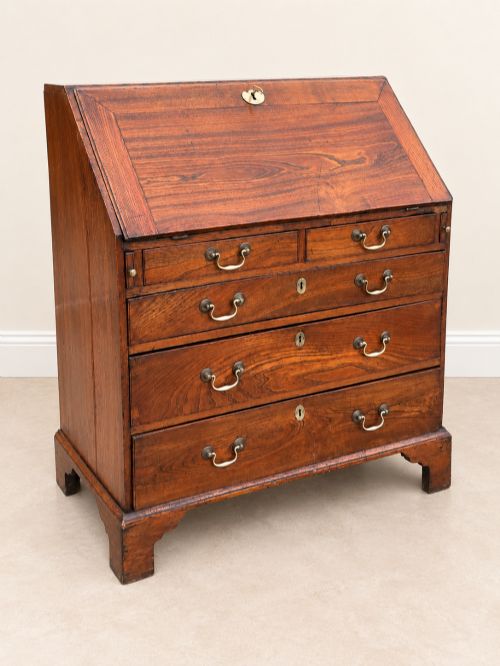
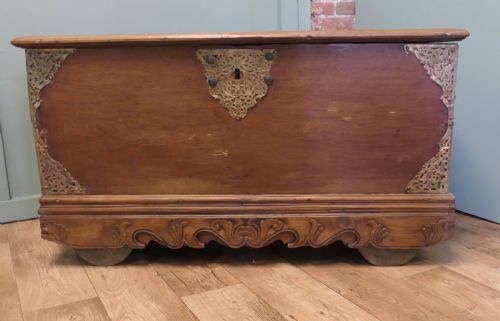
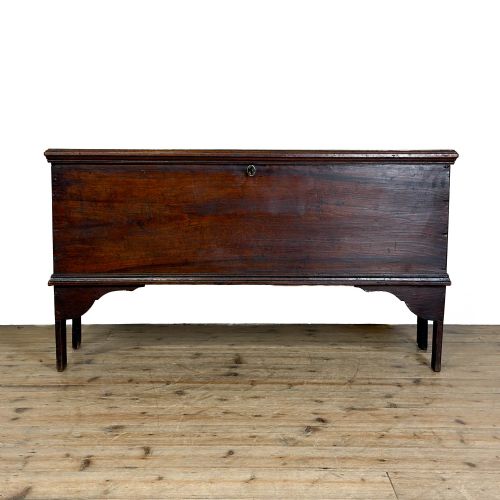
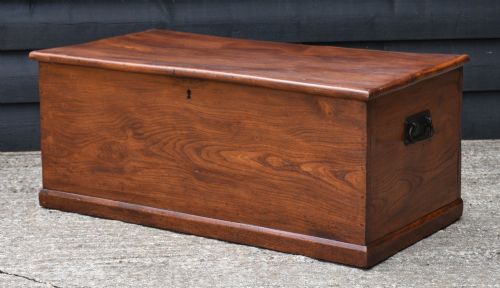
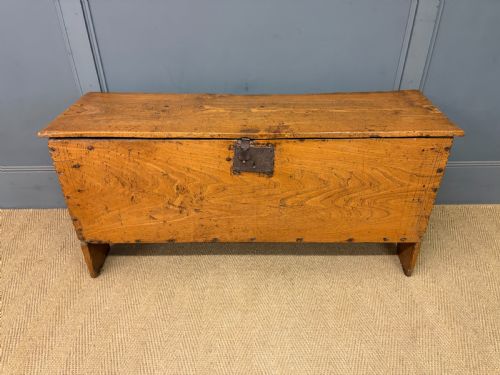
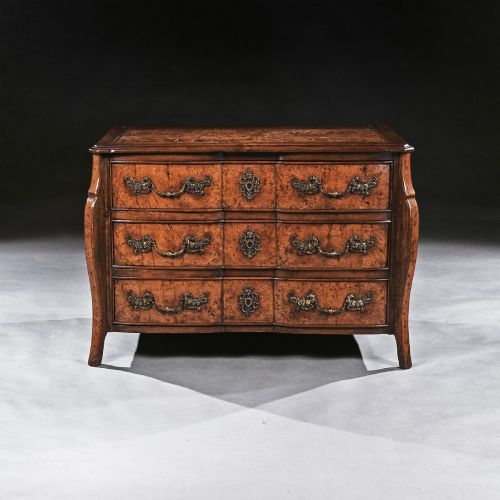
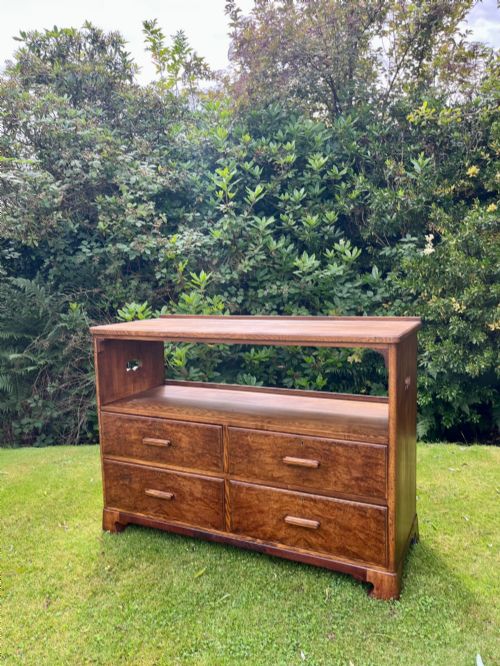
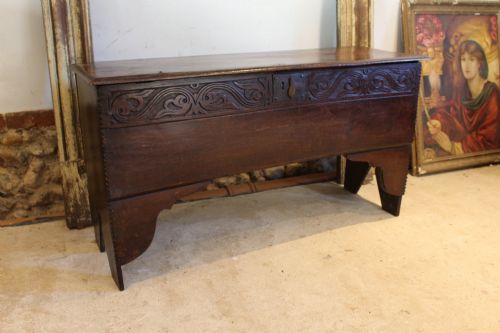
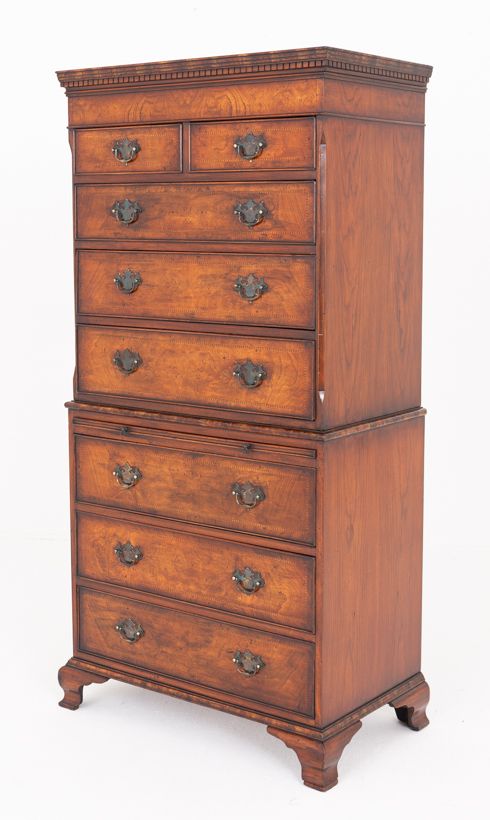
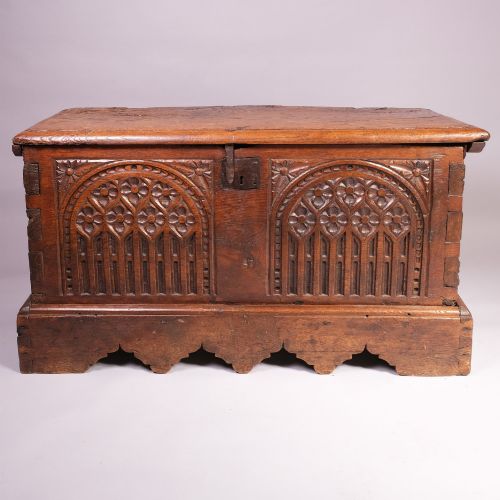
An antique elm chest encompasses a diverse family of storage furniture, ranging from simple six-plank coffers and blanket boxes to sophisticated Georgian chests of drawers,bureaux, and tallboys.
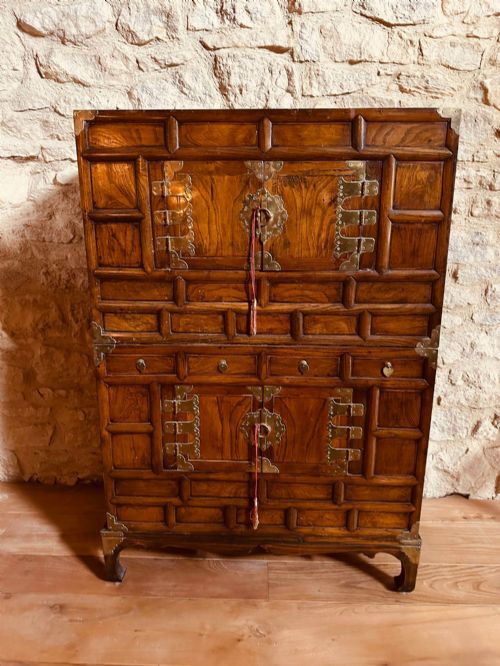
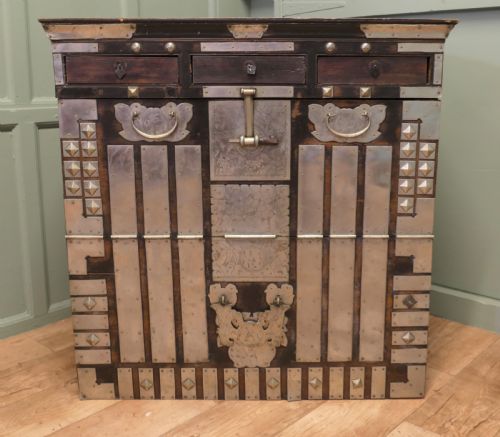
Makers utilised elm across British, European, and Asian workshops, creating regional variants such as Welsh six-plank coffers, Dutch shaped-front chests, Swedish commodes, and Chinese apothecary cabinets.
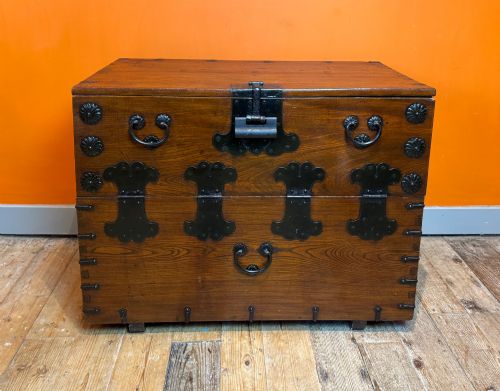
The selection on this page stretches from 18th-century provincial pieces to 19th-century strongboxes and tansu chests, uniting utility with distinctive grain patterns.
Materials and Construction
Elm timber provides the primary structural integrity for these pieces, prized for its toughness and interwoven grain which resists splitting, often paired with burr elm veneers for decorative surfaces.
Joiners and cabinet makers incorporated secondary timbers like oak, pine, and pear, while mounting the heavier trunks and drawers with forged iron or cast brass hardware.
Surface finishes rely on traditional polishing and waxing to highlight the deep figures and rich patina developed over generations of handling.
Antique Elm Chest Retail Price Guide 2026
Typical asking prices for elm chest among the pieces listed under this phrase on Sellingantiques today, from the lower quarter to the upper quarter. They describe what is for sale here now, not the wider market.
Listings feature elm furniture spanning the 17th through the 20th centuries, incorporating brass, iron, and bronze hardware.
Evaluating Quality
Quality rests upon the selection of the timber itself, distinguishing plain utilitarian boards from highly figured burr elm veneers that require exceptional skill to lay.
The standard of joinery defines the superior pieces, visible in the precision of dovetail joints on drawers, the integrity of structural framing, and the original pairing of brass or iron hardware.
Proportion and surface preservation elevate certain examples, where centuries of natural wear produce a warm, deep patina without obscuring the original lines of the design.
Whytock and Reid
The Antique Elm Chest Glossary
- Cofer
- A robust storage box constructed with a lid, historically used for valuables or household goods. Six-plank variants represent some of the earliest surviving examples.
- Burr elm
- A growth deformity in the tree that produces highly swirled, knotted grain patterns. Cabinet makers prized these sections for veneering primary display surfaces.
- Tallboy
- A tall chest of drawers consisting of one chest stacked upon another taller base. This form maximised vertical storage in 18th-century chambers.
- Tansu
- A traditional Japanese mobile storage chest built from elm or other indigenous woods. These pieces often feature elaborate iron locking hardware and compartmentalised drawers.
- Patina
- The surface sheen and mellowing of colour acquired by wood over centuries of exposure and handling. It serves as an indicator of age and careful preservation.
Antique Elm Chest: Frequently Asked Questions
What is an elm cofer?
A cofer is a heavy storage chest formed from thick planks joined at the edges, often reinforced with iron or timber framing. These utilitarian boxes served communities for storing linen, documents, and household provisions.
Elm was chosen for its stubborn resistance to splitting, making these primitive boxes remarkably durable survivors from early domestic interiors.
How do I care for antique elm?
Maintain your elm furniture by keeping it away from direct heat sources and sudden humidity shifts, which cause timber to warp or split. Apply a microcrystalline wax sparingly to nourish the wood and protect the surface.
Avoid modern liquid polishes that build up silicones and dull the historic patina developed over centuries of use.
Where were tansu chests made?
Tansu chests originated in Japan as versatile mobile storage units for merchants and households during the Edo and Meiji periods. Craftsmen utilised native elm alongside other durable timbers to build modular sections.
Iron bracing and locking hardware protected the contents and allowed these cabinets to travel securely across regions.
What is burr elm?
Burr elm comes from a woody outgrowth on the elm tree where the grain grew in wild, swirling patterns. Craftsmen sliced this wood into thin veneers to adorn the drawer fronts and primary panels of high-status furniture.
This intricate figuring contrasts sharply with the straight, plain grain of standard elm boards.