




Pair Dressers
These pair antique dressers bring symmetry and practical storage to a room, ranging from robust pine country pieces to refined Swedish painted designs.
Pair Dressers
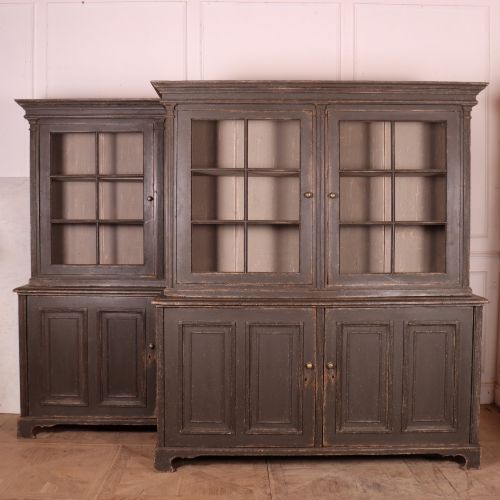
When you search for pair antique dressers, you encounter matched sets of storage furniture designed to flank a fireplace or balance a large bedroom. The pieces on this page lean heavily towards nineteenth-century examples, particularly painted Swedish chests of drawers and sturdy pine or elm variants.
Beyond traditional timber chests, the selection captures related matched pairs intended for domestic utility and display. These include nineteenth-century cabinets in walnut and rosewood, alongside smaller decorative accessories linked by period style.
How they were made
Makers utilised solid timbers such as pine, elm, walnut, and rosewood to construct the foundational carcasses of these pieces. Surfaces often received hand-painted finishes, faux marble treatments, or waxed coatings to enhance the natural grain and protect the wood.
Metal elements such as brass, copper, and gilt metal appear frequently for hardware, finials, and decorative fixtures. These metallic accents reflect the craftsmanship of the nineteenth-century periods, particularly within Arts and Crafts and Aesthetic Movement designs.
Pair Dressers Retail Price Guide 2026
Typical asking prices for pair dressers among the pieces listed under this phrase on Sellingantiques today, from the lower quarter to the upper quarter. They describe what is for sale here now, not the wider market.
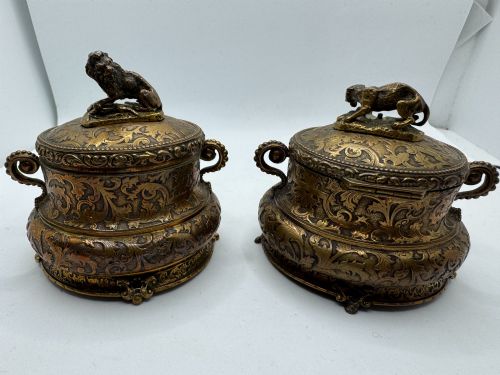
Among the storage furniture, you will find unexpected brass dog finials keeping watch over nineteenth-century jewellery caskets.
What varies in quality
The standard of timber selection and joinery marks the difference between utilitarian workshop output and high-end cabinet making. Fine rosewood or walnut examples demonstrate superior proportion and meticulous attention to structural detail.
Painted surfaces show distinct tiers of craftsmanship, from simple regional decoration to sophisticated faux marble tops and Gustavian-influenced detailing. The integrity of the original finish heavily influences the character and desirability of each set.
Dr Christopher Dresser·Benhan and Froud·Sigmund Jaray, Wien
The Pair Dressers Glossary
- Gustavian
- A Swedish neoclassical style characterised by restrained classical ornamentation and pale painted finishes. It developed during the reign of King Gustav III.
- Aesthetic Movement
- A late nineteenth-century design style focusing on visual and tactile beauty rather than narrative or moral function. It embraced diverse influences from Japanese art and traditional craftsmanship.
- Biedermeier
- A Central European style from the first half of the nineteenth century emphasising utilty, clean lines, and minimal ornamentation. It highlighted the natural grain of timbers like walnut and mahogany.
- Faux marble
- A decorative painting technique used to imitate the appearance of real marble on wooden surfaces. It was popular in nineteenth-century interior decoration for tabletops and architectural elements.
Pair Dressers: Frequently Asked Questions
What defines a matched pair of chests?
A matched pair consists of two separate pieces built to coordinate in scale, timber, and style, though they may have slight individual variations from hand construction.
They offer visual symmetry when placed together in a room while retaining the individual character of antique furniture.
How do I care for painted antique pine?
Keep painted wooden surfaces away from direct sunlight and excessive heat sources to prevent the timber from splitting and the paint from flaking.
Dust gently with a dry, soft cloth and avoid chemical cleaning agents that might strip historic finishes.
Where should I place these dressers?
These chests work well flanking a chimney breast, framing a bed, or balancing opposing walls in a hallway or dining room.
Their substantial storage capacity makes them practical for everyday use in living spaces and bedrooms alike.
How do I identify nineteenth-century Swedish pieces?
Nineteenth-century Swedish pieces often feature pale, hand-painted finishes, soft grey or cream tones, and subtle neoclassical Gustavian carving.
They prioritise functional proportion alongside clean, restrained decorative details typical of Scandinavian workshops of the era.