


Pair Swedish Commodes
Pair swedish commodes bring striking symmetry and painted Scandinavian elegance to an interior, offering practical storage through distinctive historic chests.
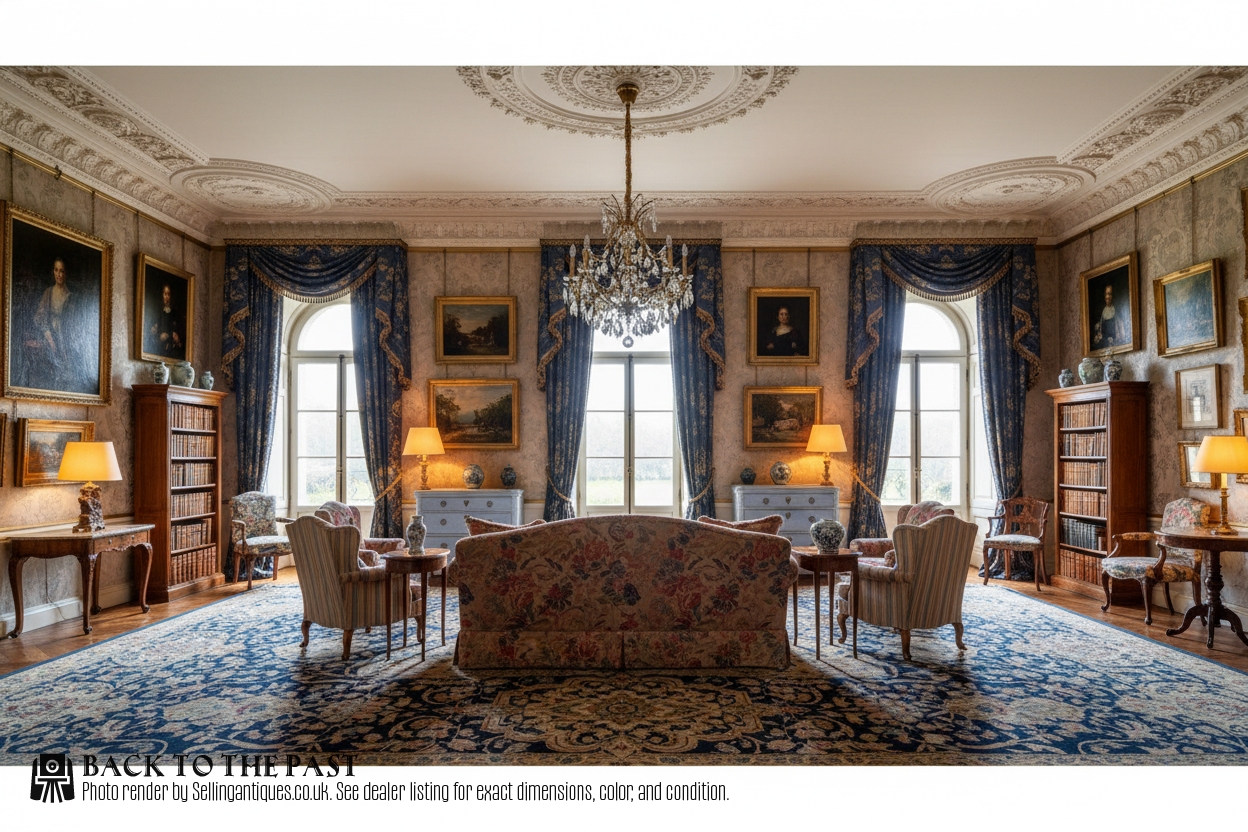
Pair Swedish Commodes
When you search for pair swedish commodes, you encounter matched sets of chests of drawers originating from Scandinavian workshops, predominantly dating to the nineteenth century. These symmetrical pieces often feature two drawers and frequently display traditional painted finishes in white, black, or soft hues.
The dominant forms include standard chests and breakfront commodes shaped with distinctive proportions. Influences from Gustavian design and Swedish Biedermeier appear regularly, alongside rustic Scandinavian country expressions.
How they were made
Carpenters utilised native softwoods and hardwoods like pine, elm, and painted softwood as the primary carcass and drawer materials. Surfaces received layered paint treatments or decorative schemes, sometimes incorporating parquetry, marquetry, and faux marble top finishes.
Hardware details relied on metal and brass fittings to complement the timber construction. Joinery techniques supported the heavy drawer structures typical of these functional domestic items.
Several chests wear convincing faux marble tops, proving that woodworkers loved a good painted illusion just as much as stone.
What varies in quality
The sophistication of the painted surface work and decorative details defines the upper tier of these pieces. Original painted finishes carry more distinction than later interventions, while complex breakfront forms and faux marble tops demonstrate greater ambition from the maker.
The choice of underlying timber also distinguishes examples, moving from standard painted pine to carved elm or intricate parquetry and marquetry work. Preserved historical character and matching symmetry across both pieces determine overall desirability.
The Pair Swedish Commodes Glossary
- Gustavian
- A Swedish neoclassical design style characterised by restraint, light colours, and classical proportions. It emerged during the late eighteenth century and strongly influenced nineteenth-century cabinetmaking.
- Breakfront
- A piece of furniture featuring a central section that projects forward from the flanking sections. This architectural arrangement adds visual depth to larger commodes.
- Parquetry
- A geometric mosaic of wood pieces used for decorative surfacing on furniture. It appears on select high-end tops alongside marquetry.
- Marquetry
- The art of applying pieces of veneer to a structure to form decorative patterns and pictures. This technique showcases advanced woodworking skill on luxury items.
- Softwood
- Timber from conifers such as pine, widely utilised in Scandinavian furniture production. It served as a stable base for the characteristic painted finishes.
Pair Swedish Commodes: Frequently Asked Questions
How do I place pair swedish commodes in a room?
These matching chests work exceptionally well when positioned symmetrically, such as flanking a fireplace or anchoring either side of a large entryway. Their balanced presence creates an immediate sense of order in a bedroom or living space.
Because they provide substantial surface area and deep drawer storage, they function practically as bedside tables on a grand scale or as sideboards in a dining area. The light painted finishes help brighten darker corners while maintaining historic character.
Are these commodes strictly decorative?
While their aesthetic appeal is significant, these pieces remain functional storage furniture designed with usable drawers. They were built to hold household items and clothing in domestic settings.
Owners can utilise the spacious drawers for daily storage while displaying lamps, books, or decorative objects on the top surface. The faux marble and wooden tops offer durable staging areas for everyday objects.
What defines Gustavian influence on these pieces?
Gustavian influence manifests through clean lines, restrained neoclassical ornamentation, and a preference for pale or monochrome paint applications. This style reflects Scandinavian interpretations of French Louis XVI taste.
Pieces bearing this aesthetic often display understated fluting, subtle paneling, and a general lightness of form that contrasts with heavier continental furniture of the same era.
How do I identify nineteenth century examples?
Nineteenth-century pieces typically display traditional hand-painted surfaces, specific timber usage like pine and elm, and period-appropriate joinery methods within the drawers. The hardware and overall proportions align with nineteenth-century Scandinavian cabinetmaking standards.
Examining the interior construction and the wear patterns on the painted softwood provides clear indicators of age and period manufacturing techniques.