

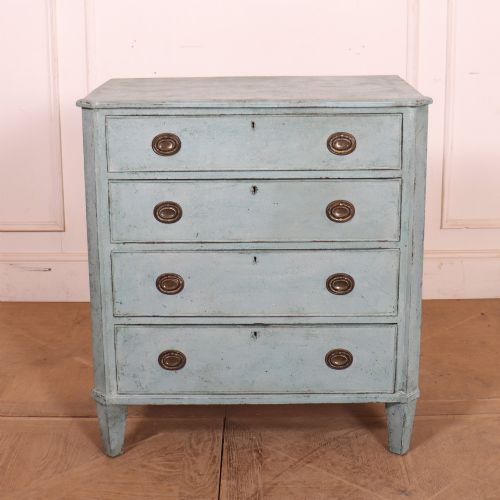
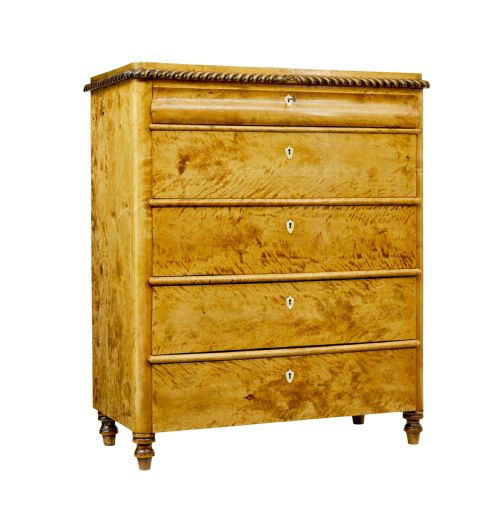
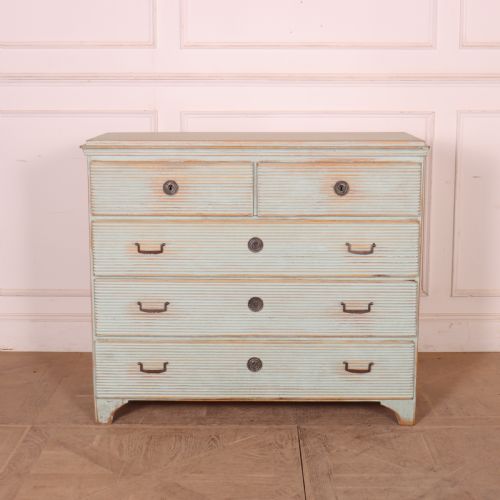
Antique Swedish Drawers
Antique Swedish drawers bring quiet elegance and exceptional storage to a room through distinctive northern craftsmanship and pale painted or figured wood surfaces.
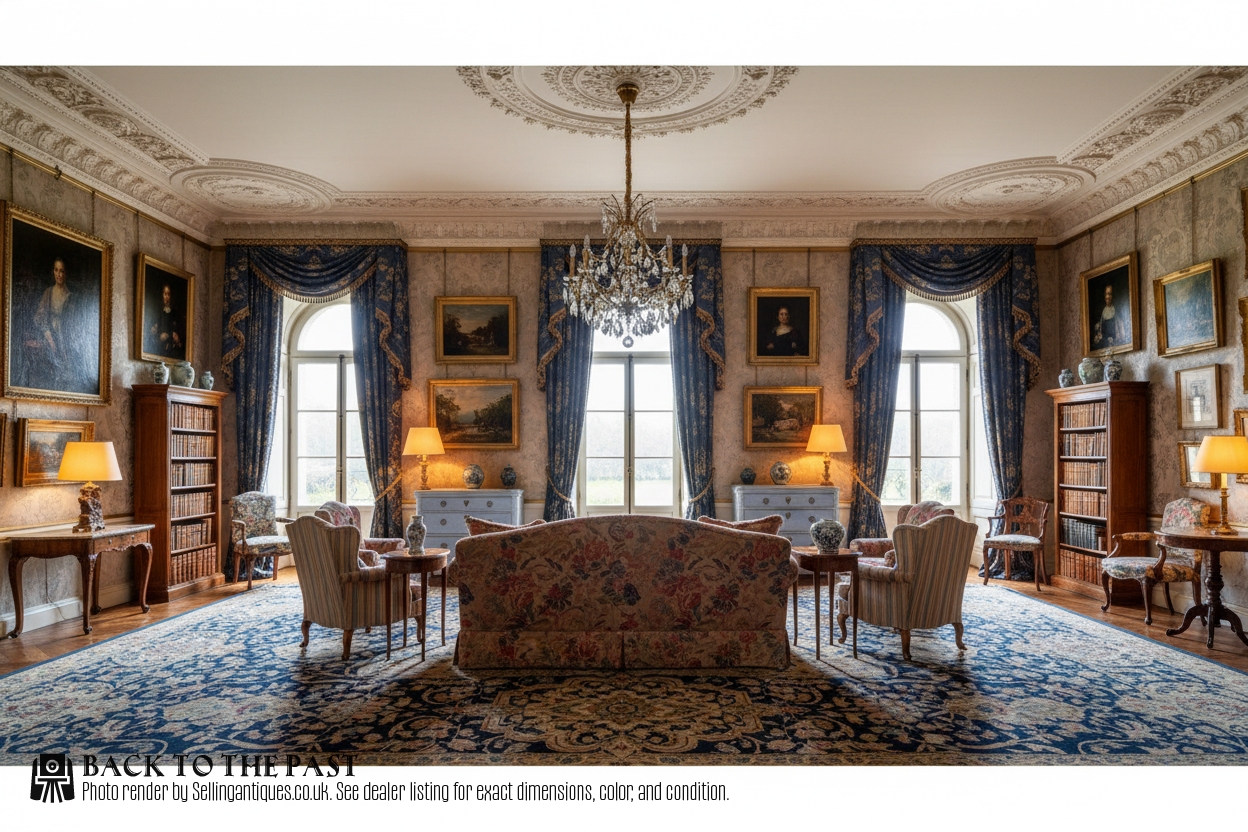
Antique Swedish Drawers
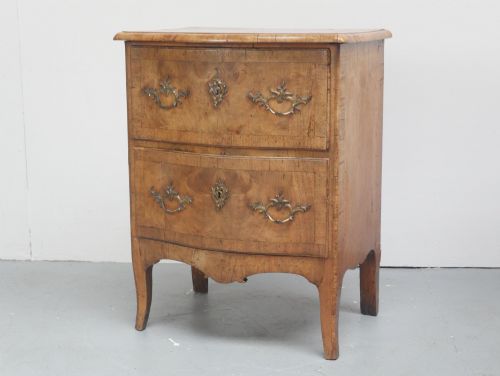
When searching for antique swedish drawers, buyers encounter substantial chests of drawers, commodes, and secretaire chests originating from northern Europe across the eighteenth and nineteenth centuries. These pieces reflect distinct regional interpretations of major European design movements, moving from ornate Rococo curves to restrained neoclassical lines and the architectural warmth of the Biedermeier period.
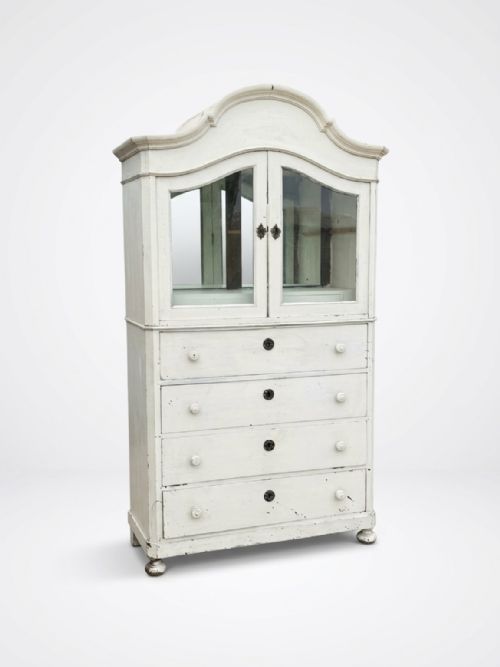
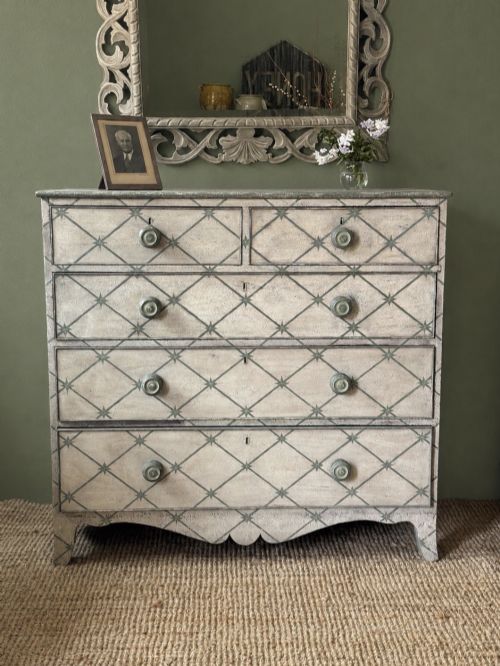
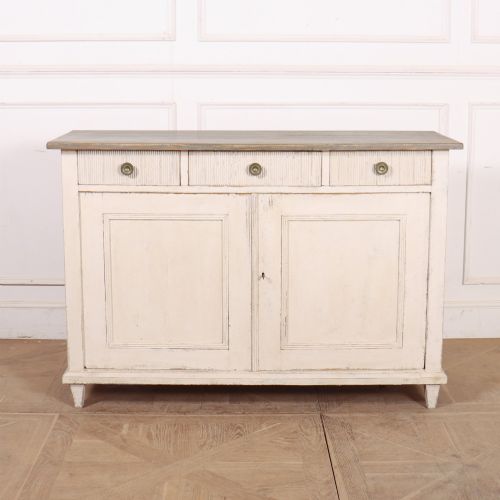
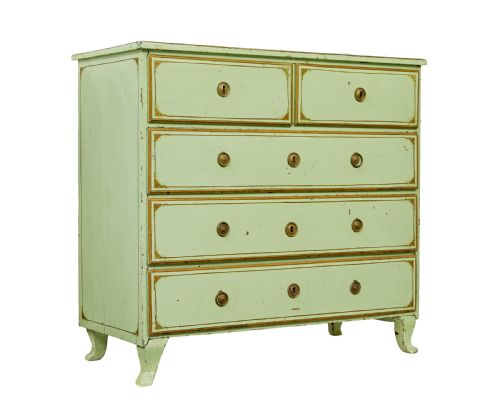
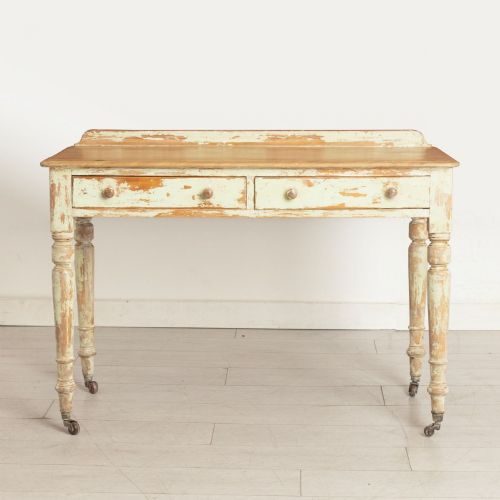
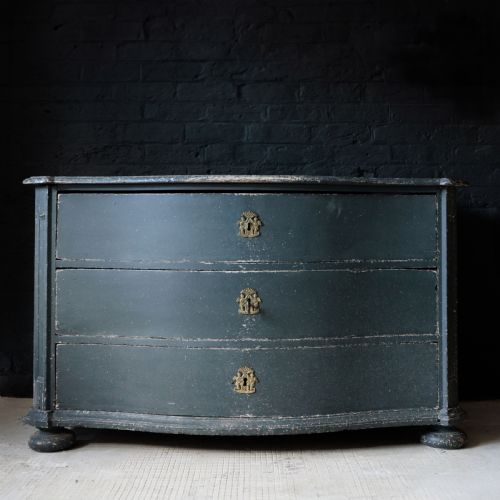
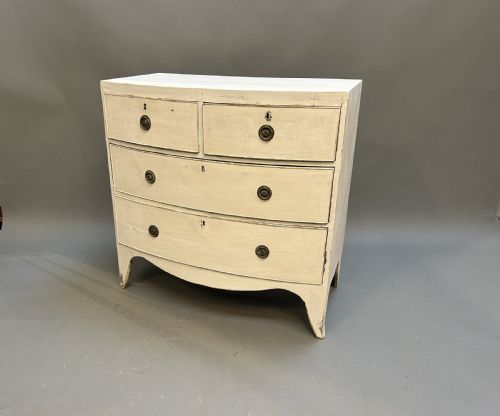
The version most commonly met on this page is the nineteenth-century birch or painted pine chest, often finished with pale greys, whites, or deep blacks. Alongside standard straight-fronted chests, serpentine commodes and secretaire variants with fitted writing interiors appear frequently, demonstrating the versatility demanded by Scandinavian cabinetmakers.
Origins span provincial workshops and urban centres, uniting utilitarian storage needs with a lighter decorative palette than their continental counterparts. They suit modern interiors precisely because their pale woods and painted finishes reflect ambient light while offering deep, functional drawer capacity.
Materials and Construction Methods
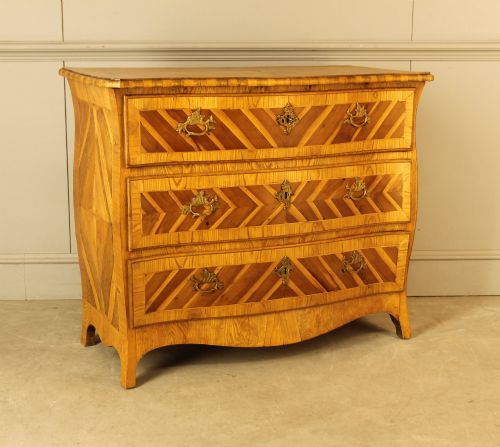
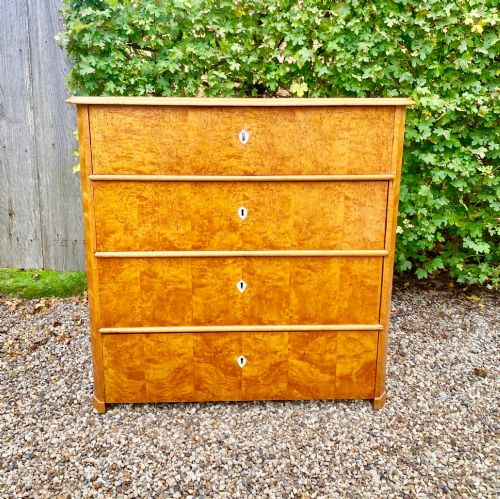
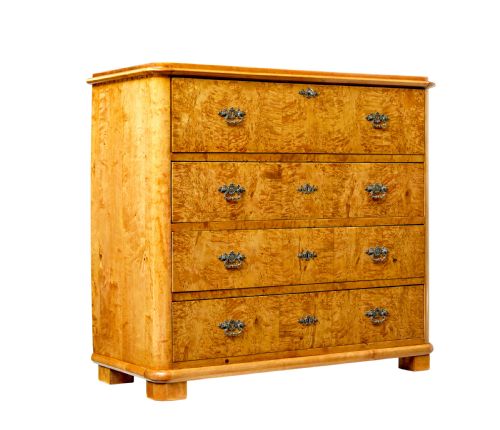
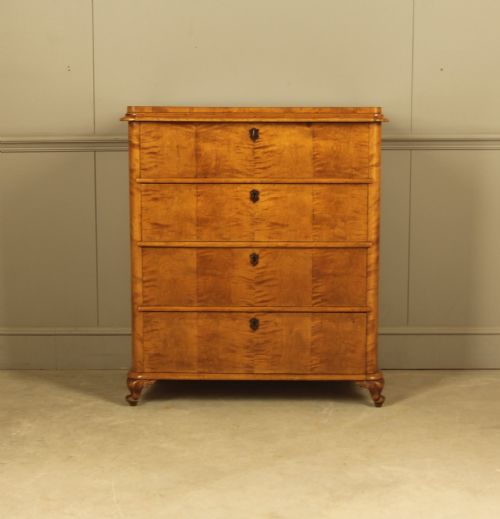
Makers relied heavily on native northern timbers, utilising solid pine for structural carcases and drawer linings while reserving figured birch, burr walnut, flame birch, and satin birch for decorative exterior veneers. Painted surfaces received layer upon layer of oil or distemper paint, sometimes treated to simulate richer woods or faux marble tops.
Construction techniques combined traditional dovetailed drawer boxes with pegged frames, ensuring long-term stability in changing seasonal temperatures. Iron and brass hardware completed the pieces, ranging from simple drop handles on provincial pine chests to cast mounts on neoclassical commodes.
The archive of sold items demonstrates a strong representation of Biedermeier satin birch chests alongside walnut commodes.
Quality and Craftsmanship Markers
The distinction between standard utility furniture and master cabinetwork lies in the selection and matching of wood veneers, particularly the symmetry of flame or burr birch across drawer fronts. Superior pieces exhibit fine dovetailing, harmonious proportions, and crisp carving on fluted drawer fronts or serpentine mouldings.
Painted finishes also dictate value, with surviving original paint showing authentic craquelure and patina compared to later overpainting. The integration of secondary woods and the retention of original brass or iron hardware further separate workshop-standard items from high-status commissions.
Gemla Fabrikers
The Antique Swedish Drawers Glossary
- Commode
- A low chest of drawers or cabinet, often featuring serpentine fronts and decorative veneer work typical of eighteenth and nineteenth-century European design.
- Biedermeier
- A influential Central and Northern European style spanning the nineteenth century, characterised by clean lines, minimal ornamentation, and a strong focus on the natural grain of woods like birch and walnut.
- Secretaire
- A cabinet or chest incorporating a pull-down writing drawer that conceals a fitted interior of small compartments and pigeonholes.
- Bombe
- A style of furniture featuring outward-swelling convex fronts and sides, requiring advanced cabinetmaking skill to construct.
- Gustavian
- The Swedish neoclassical style developed during the reign of Gustav III, known for its pale painted finishes, fluted columns, and restrained classical motifs.
Antique Swedish Drawers: Frequently Asked Questions
What periods do these pieces come from?
The pieces span from the mid-eighteenth century through the nineteenth century into the early twentieth century. Most examples date from the 1800s, capturing both the Gustavian neoclassical era and the later Biedermeier period.
Earlier items from the seventeen-fifties often display Rococo curves and bombe profiles, while later nineteenth-century pieces focus heavily on figured birch and simpler geometric forms.
How were these drawers used originally?
These chests served primarily for storing clothing, linens, and household valuables in domestic bedchambers and hallways. Secretaire variants offered a dual purpose, combining everyday drawer storage with a fold-down desk surface for correspondence.
In larger Swedish homes, commodes and painted cabinets also functioned as decorative serving pieces or focal points in formal reception rooms.
How do I care for antique wood and painted surfaces?
Keep wooden and painted pieces away from direct sunlight and strong heat sources to prevent timber shrinkage and paint cracking. Dust regularly with a dry, soft cloth and avoid chemical polishes that can damage fragile historical finishes.
Maintaining a stable indoor humidity level preserves both the structural pine carcases and the delicate surface veneers over time.
How do I distinguish Gustavian style from Biedermeier?
Gustavian pieces typically feature pale painted finishes, fluted columns, and neoclassical carvings inspired by French Louis XVI design. They emphasise light, airy aesthetics suited to brightening northern interiors.
Biedermeier furniture, by contrast, eschews paint in favour of polished natural veneers like birch, satin birch, and walnut, prioritizing clean architectural lines over classical ornamentation.