


19th Century Elm Chest
A 19th century elm chest brings honest timber grain and varied storage forms into a room, offering both everyday utility and distinct regional character.
19th Century Elm Chest
A 19th century elm chest spans simple rustic country blanket boxes, dough bins, and trunks alongside more formal chests of drawers, commodes, and sideboards. Buyers encountering this selection will find domestic European pieces alongside pieces originating from Chinese, Korean, and Japanese workshops.
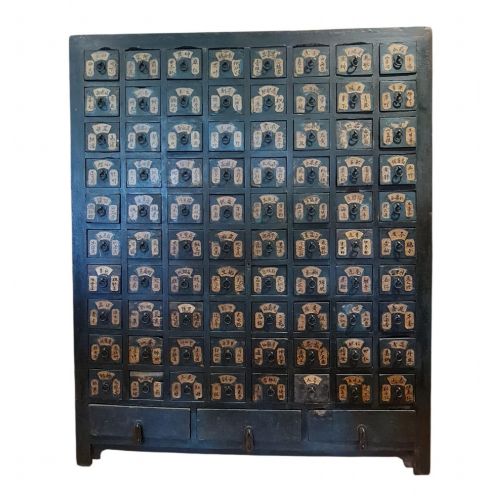
The most frequent domestic forms include chests of drawers and blanket boxes, often constructed with sturdy iron or brass handles. Alongside these, regional variations range from Swedish and French commodes to Chinese apothecary and side cabinets.
Origin and regional style heavily dictate the appearance of these pieces, varying from British country furniture to Scandinavian carved surfaces and Asian cabinetry. This wide geographic spread means buyers choose between utilitarian storage trunks and highly decorative display pieces.
Materials and construction
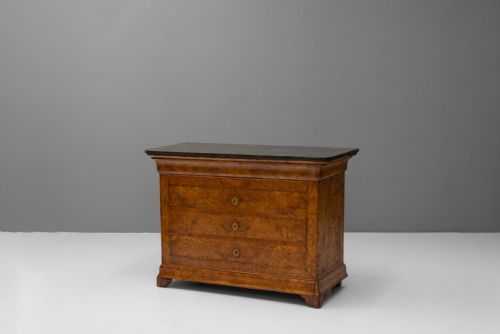
Makers utilised solid elm and burr elm for its characteristic interlocking grain patterns, sometimes pairing the timber with oak or applying ebonised finishes. Surfaces frequently incorporate brass hardware, iron straps, and occasionally marble tops.
Construction techniques follow regional traditions, from simple pegged joints in domestic country trunks to intricate cabinetry in apothecary and tansu chests. Selected pieces display applied lacquer or intricate inlay work across the primary timber structure.
An apothecary cabinet listed here contains eighty tiny drawers, providing homes for eighty distinct herbal remedies.
Assessing quality and finish
Quality rests primarily in the figure of the timber, particularly where burr elm veneers or selected grain sections create rich surface patterns. The crispness of carved details and the integration of hardware like brass handles or iron straps further separate standard examples from finer ones.
Construction integrity and the survival of original surface treatments define the standing of each piece. Surviving marble tops, intact lacquer, and original internal drawer configurations distinguish the more substantial examples from heavily altered ones.
The 19th Century Elm Chest Glossary
- Burr elm
- A growth deformity in the elm tree that produces highly figured, swirling wood grain patterns used for decorative veneer.
- Cellarette
- A fitted chest or cabinet designed to hold bottles of wine, often found in dining spaces.
- Commode
- A low chest of drawers or cabinet, typically European in origin and occasionally fitted with a marble top.
- Dough bin
- A utilitarian trough-like chest traditionally used for resting bread dough before baking.
- Tansu
- A traditional Japanese mobile storage chest constructed with distinctive metal locking plates and drawer arrangements.
19th Century Elm Chest: Frequently Asked Questions
How do I care for antique elm?
Maintain antique elm by placing it away from direct heat sources and sudden humidity shifts to prevent timber movement.
Apply occasional traditional wax to nourish the grain and protect the surface finish without sealing the wood.
Where were these chests made?
The pieces originate from diverse workshops across Britain, France, Sweden, and various Asian regions including China, Japan, and Korea.
Each region applied local joinery methods and hardware styles to the native elm timber.
Are these pieces suitable for daily use?
Most chests provide robust internal storage suitable for blankets, clothing, or general household items in modern living spaces.
Drawers and hinged lids function practically while offering a distinct historical aesthetic to a room.