

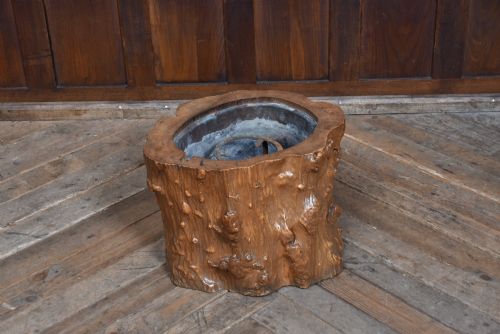
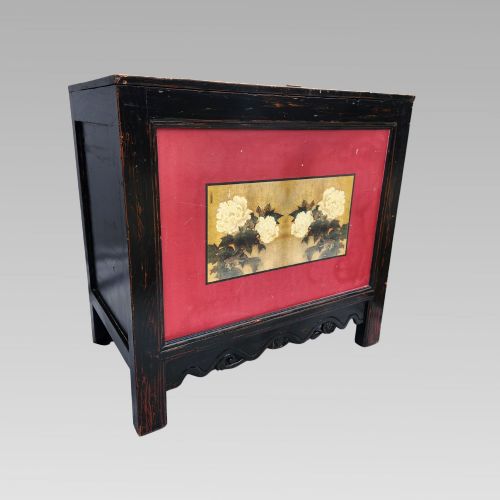


Traditional Timber Trunk
These traditional timber trunks are solid storage chests built from oak, pine and elm, offering both history and practical utility for modern homes.
Traditional Timber Trunk
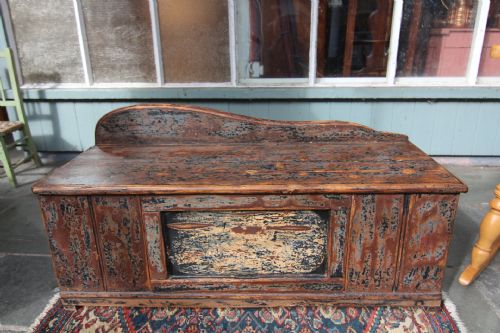
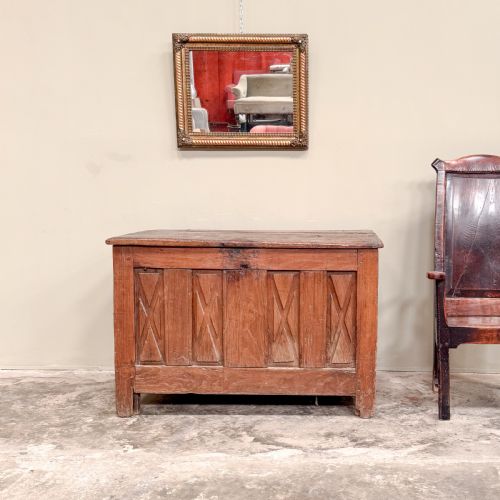
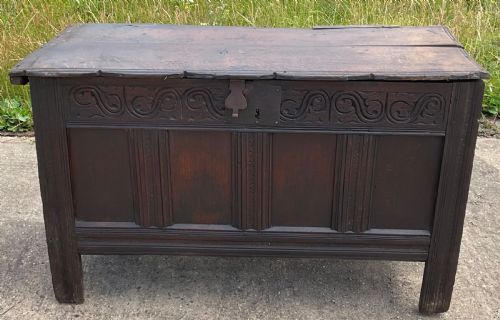
Traditional timber trunks span from seventeenth-century joined oak coffers to nineteenth-century pine blanket boxes and regional dowry chests. Buyers looking at this selection will find sturdy receptacles designed originally for linens, valuables or travel.
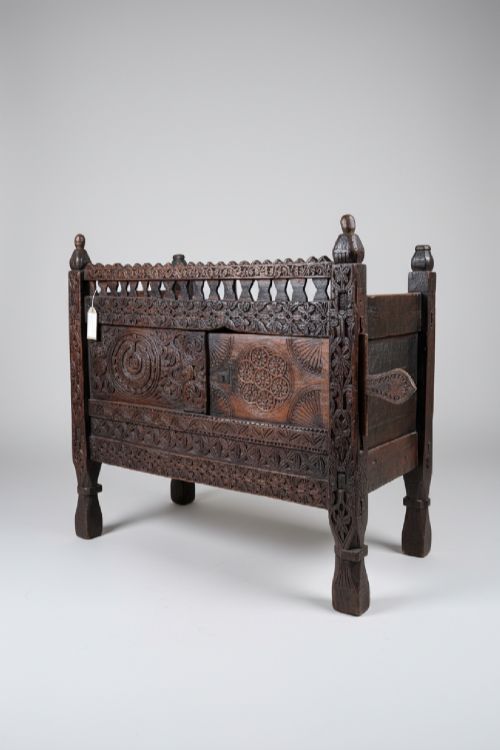
The assortment on offer leans heavily toward vernacular country pieces and global storage chests, including carved oak panels, painted finishes and iron-bound hardwoods. These items range from simple six-plank constructions to elaborate Chinese camphor wood boxes.
Domestic pieces sit alongside rarer international examples such as Japanese kuruma-dansu and Indian marriage chests. Each piece retains a distinct regional character shaped by local timber supplies and historical storage needs.
How they were made
Carpenters utilised native and exotic timbers such as oak, elm, pine, cedarwood and camphor wood, depending on the region of origin. Construction methods varied from basic six-plank joints and dug-out tree trunks to sophisticated joinery and carved panels.
Metalwork played a structural and decorative role, with iron bands and brass hardware reinforcing heavy lids and corners. Surface treatments included natural grain preservation, polychrome paint, black lacquer and grained painting.
Listings feature timbers including pine, oak, elm, cedarwood and camphor wood, spanning periods from the seventeenth century to the twentieth.
What varies in quality
Quality rests on the integrity of the timber selection and the skill of the original construction, whether through tight dovetailing, sturdy peg joints or heavy iron bindings. Pieces that retain their original hinges, locks and surface patination command greater interest.
The refinement of decorative elements, such as hand-carved floral motifs, Chinoiserie detailing or authentic painted finishes, distinguishes standard utility boxes from superior examples of folk art and cabinetmaking.
The Traditional Timber Trunk Glossary
- Coffer
- A sturdy wooden chest traditionally used for storing valuables, documents or domestic goods. These early forms often feature heavy joined oak or panelled construction.
- Dowry chest
- A specialised storage box created to hold household linens, garments and gifts assembled for a marriage. Examples appear across various cultures from European provinces to Indian and Asian traditions.
- Six-plank coffer
- A primitive box construction formed from six individual boards joined simply at the edges. This method represents some of the earliest and most direct forms of chest building.
- Camphor wood
- An aromatic hardwood valued for its insect-repellent properties, frequently utilised for nineteenth-century storage and blanket boxes. The distinctive scent helps preserve textiles stored within.
- Kuruma-dansu
- A traditional Japanese wheeled merchant chest designed for mobility and secure storage. These pieces combine heavy timber construction with elaborate iron hardware.
Traditional Timber Trunk: Frequently Asked Questions
How were traditional timber trunks used?
These chests served primarily for storing heavy textiles, blankets, winter garments and valuable household possessions safely away from dampness and pests.
In many cultures, they also functioned as portable luggage for travel or served as ceremonial dowry receptacles given during marriage.
How do I style a timber trunk at home?
A large trunk makes a practical coffee table in a living room while simultaneously concealing spare cushions and blankets.
Alternatively, placing a blanket box at the foot of a bed provides accessible storage alongside a traditional surface for seating or display.
How can I tell the age of a chest?
Inspect the construction joints, tool marks and timber shrinkage to understand the period of manufacture. Hand-cut pegs, primitive hinges and the natural ageing of oak or pine indicate earlier centuries of craftsmanship.
Later Victorian and twentieth-century examples often display machine-sawn boards, standardised hardware and different surface finishes.
Are camphor wood chests safe for modern textiles?
Camphor wood naturally emits a strong aromatic oil that acts as a deterrent against moths and other fabric-damaging insects. This makes them exceptionally well-suited for storing woollens, quilts and vintage linens today.