

Antique Miniature Drawers
Antique miniature drawers are compact chests and cabinets built in miniature, offering scaled-down storage and traditional craftsmanship.
What antique miniature drawers are
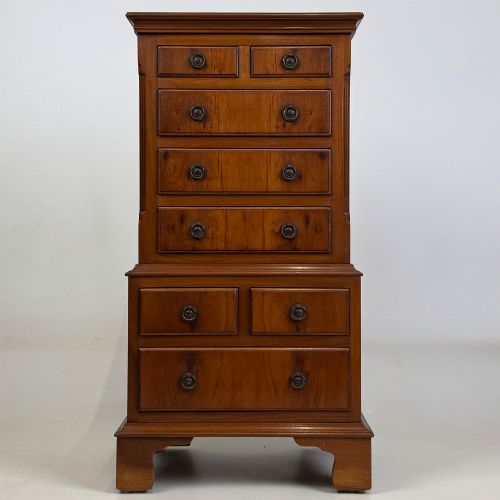
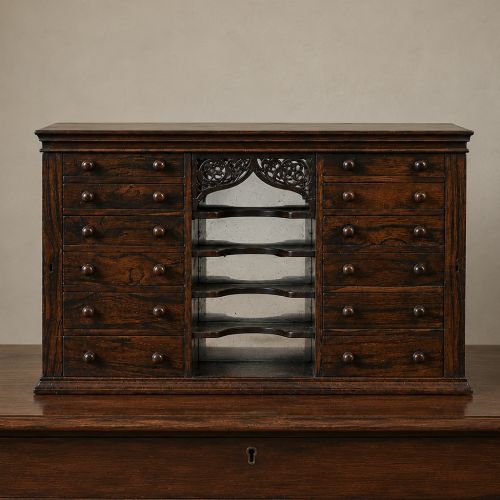
When you search for antique miniature drawers, you encounter compact chests and cabinets designed on a small scale. These pieces originate from the Georgian, Regency, and Victorian periods, spanning the eighteenth and nineteenth centuries.
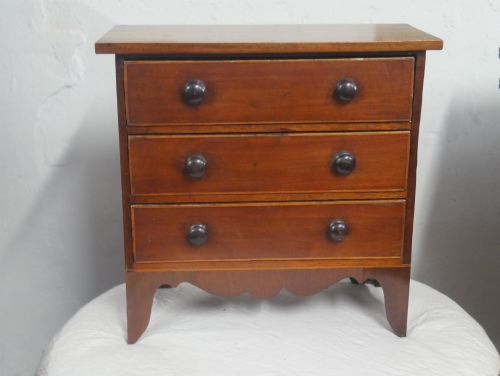
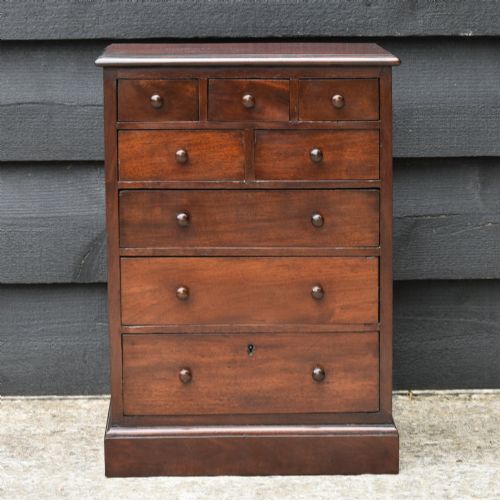
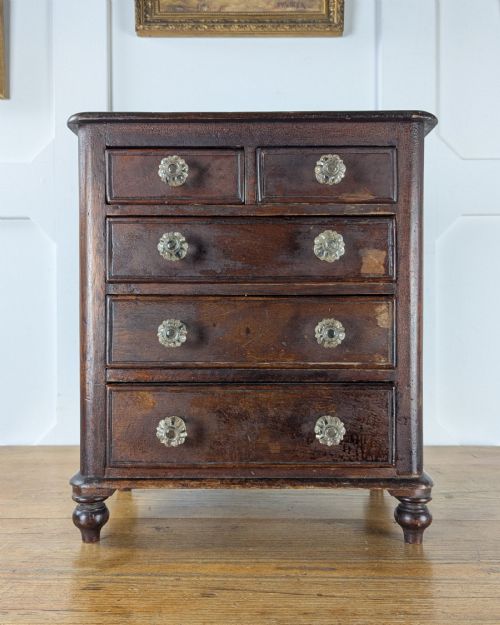
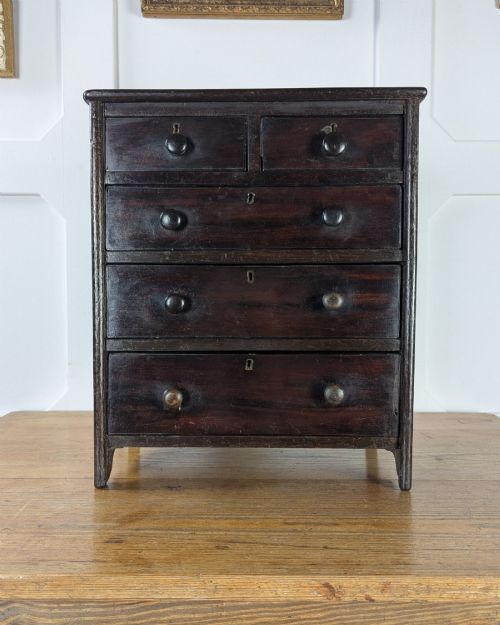
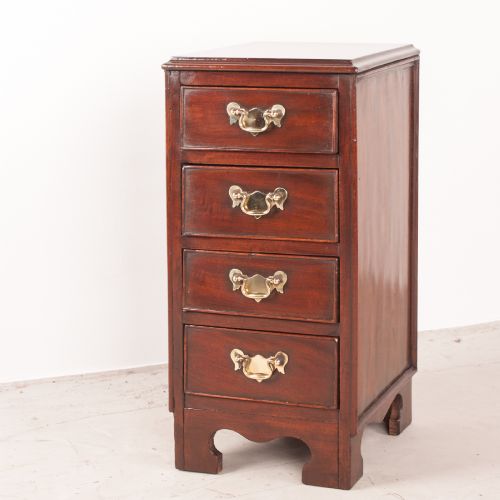
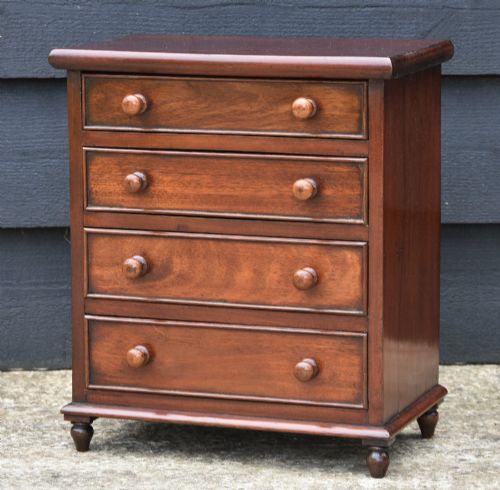
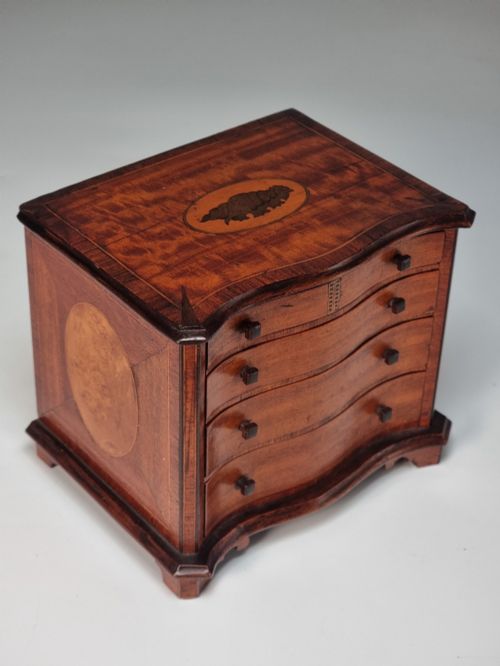
The most common form on this page is the miniature chest of drawers, often referred to as an apprentice piece. These items mirror the design and proportions of full-sized furniture from the same eras.
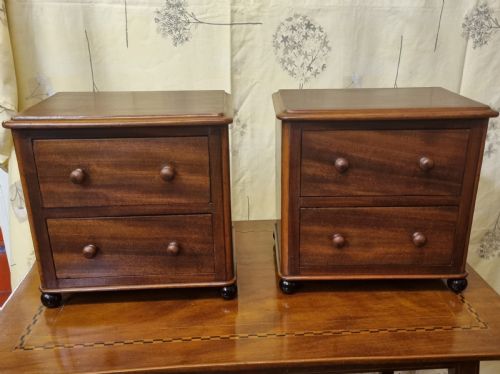
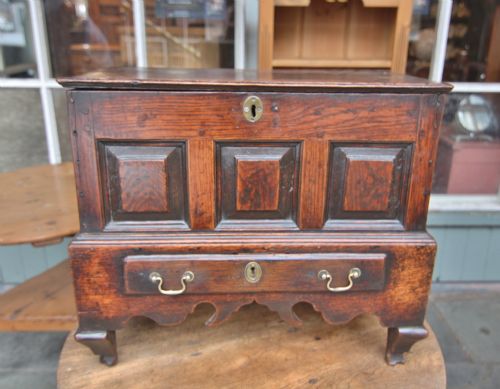
Makers produced these small chests in various configurations, including standard drawer arrangements and specialised collector variants. They served as salesmen's samples, apprentice demonstrations, or personal desktop storage.
How they were made
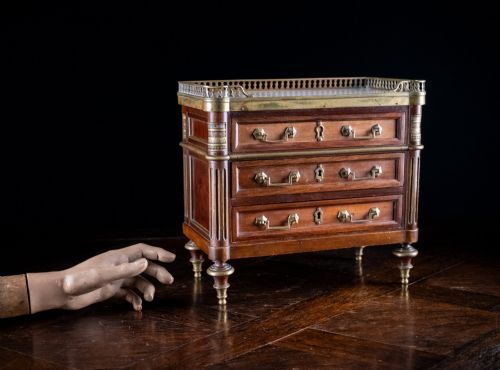
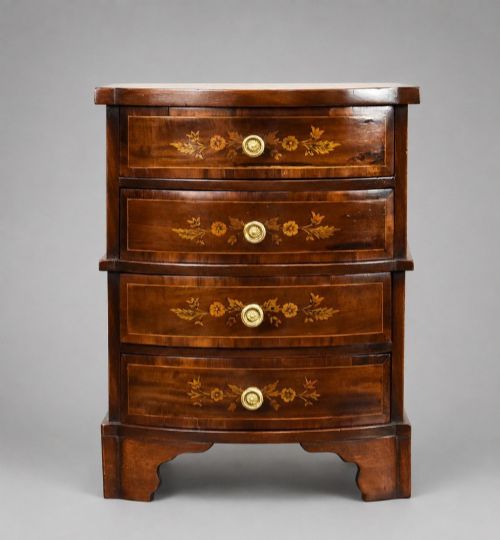
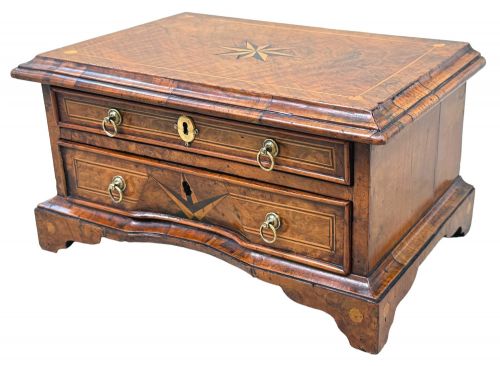
Cabinetmakers constructed antique miniature drawers using hardwoods such as mahogany, rosewood, walnut, and oak, alongside secondary timbers like pine. They incorporated contrasting details using boxwood and mother of pearl inlay.
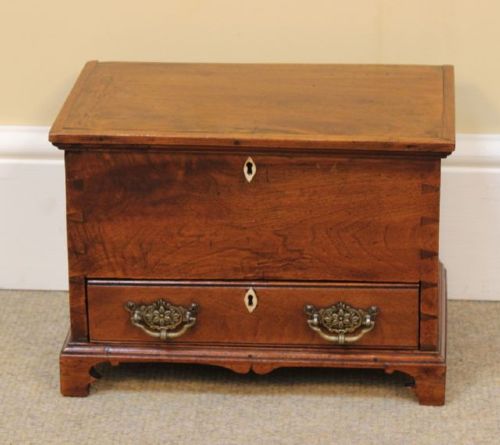
Joinery techniques matched those of standard furniture, utilising fine dovetails for drawer construction and carefully fitted carcases. Surviving examples display original polished surfaces, painted finishes, and small brass pulls or turned wooden knobs.
Retail Price Guide 2026
Typical UK retail prices for miniature drawers, calculated from the Sellingantiques database of over a million retail prices indexed since 2003. This retail price guide relies exclusively on Sellingantiques data; no external sources or auction records are used, so the figures do not describe the wider market.
Some miniature chests included secret compartments for hiding tiny treasures.
What varies in quality
Quality in antique miniature drawers rests in the fidelity of the proportions and the precision of the miniature joinery. Superior examples exhibit tightly cut dovetails and timber selection with attractive grain figures.
Finer pieces retain their original hardware, polished patination, and delicate inlay work without excessive restoration. Simpler items constructed from pine or secondary woods show more utilitarian making, differing from high-status cabinetwork.
The Antique Miniature Drawers Glossary
- Apprentice piece
- A small-scale item created by a trainee cabinetmaker to demonstrate proficiency in advanced joinery techniques. These pieces often replicate full-sized chests.
- Miniature furniture
- Scaled-down versions of domestic furniture built for display, samples, or specialised storage. They require the same woodworking skills as larger pieces.
- Dovetail
- A joint used in drawer construction, formed by interlocking wedge-shaped fingers. Fine dovetailing indicates skilled cabinetwork.
- Figured mahogany
- Timber featuring natural grain patterns with decorative ripple or flame effects. Makers selected these boards for visible drawer fronts and top surfaces.
Frequently Asked Questions
Were they made by apprentices?
Many miniature chests are traditionally described as apprentice pieces, created to prove a woodworker's mastery. They demonstrate the exact structural integrity and decorative details found in larger domestic furniture.
While some served this formal training purpose, others were produced simply as decorative items or specialised storage for small collections. Both origins share identical period construction methods.
What timbers were used?
Cabinetmakers utilised dense hardwoods including mahogany, rosewood, walnut, and oak for visible surfaces. Pine and other secondary timbers frequently appeared in internal drawer linings and backboards.
Decorations often included boxwood stringing and mother of pearl inlay. These material choices mirror the prevailing furniture trends of the eighteenth and nineteenth centuries.
How do I date a piece?
Dating relies on identifying stylistic markers, timber choices, and construction techniques associated with specific periods like the Georgian or Victorian eras. Specific hardware styles and inlay types provide further chronological clues.
Examining secondary woods and interior joinery helps confirm the era of manufacture. Comparing the proportions to full-sized furniture of known periods assists in verification.
How should I display them?
Miniature chests suit placement on tables, desks, or specialised shelving where their small scale can be appreciated. Stable environmental conditions away from direct heat sources protect the historical timbers and polished finishes.
Allowing sufficient space around the piece highlights its proportions. Regular dusting with a dry cloth maintains the surface condition of the wood.