


Antique Cigar Cabinet
An antique cigar cabinet keeps fine tobacco in order, bringing nineteenth-century craftsmanship and cedar-lined interiors directly to the modern desk or lounge.
Antique Cigar Cabinet
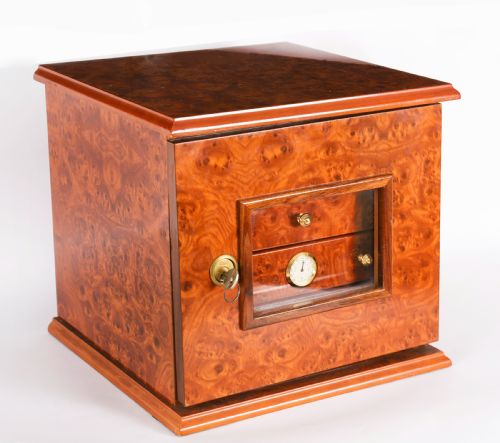
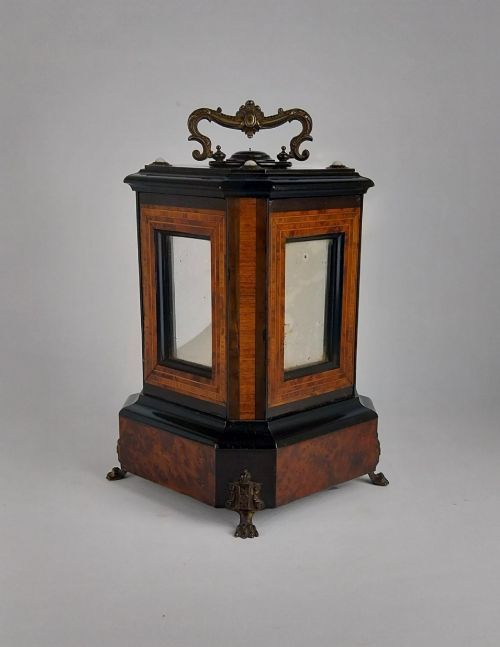
An antique cigar cabinet is a specialised storage box designed to hold and preserve cigars, frequently taking the form of desktop units, wall cabinets, or larger floor-standing retail displays. When searching for an antique cigar cabinet, buyers encounter varied iterations spanning the Victorian, Edwardian, and Regency periods alongside twentieth-century examples.
Origins stretch from English workshops to Anglo-Indian studios and Cuban advertising displays. The typical piece functions as both practical storage and a decorative focal point for a club lounge or study.
How they were made
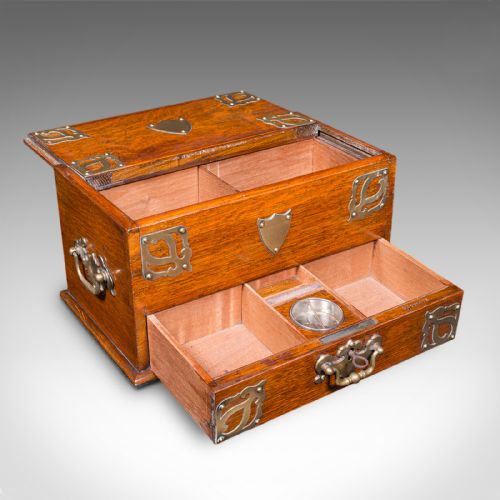
Cabinet makers utilised dense hardwoods such as oak, walnut, mahogany, and rosewood for the exterior structures, frequently applying burr elm or satinwood veneers for decorative grain patterns. Interiors were traditionally lined with aromatic cedar to preserve moisture and flavour, while glass panels allowed contents to be viewed in display formats.
Mounts, locks, and hinges relied heavily on cast brass, often featuring brass banding or military-style drop handles. Specialised mechanisms included tambour shutters, locking drawer assemblies, and internal humidifiers fitted to keep tobacco stable.
Antique Cigar Cabinet Retail Price Guide 2026
Typical asking prices for cigar cabinet among the pieces listed under this phrase on Sellingantiques today, from the lower quarter to the upper quarter. They describe what is for sale here now, not the wider market.
One exceptional oak smoker's cabinet takes the literal form of a Great Western Railway coal wagon.
What varies in quality
The standard of an antique cigar cabinet depends on the choice of timber veneer and the precision of internal joinery, particularly within the cedar-lined drawers and humidor compartments. Cabinets featuring robust brass mounts, working locks with original keys, and secondary functions like integrated decanters or musical movements stand apart from plain storage boxes.
Alfred Dunhill·H. Upmann
The Antique Cigar Cabinet Glossary
- Humidor
- A specialised moisture-controlled box designed to keep cigars fresh. Cedar lining is typical inside these containers.
- Tantalus
- A locking drink decanter cabinet fitted with a visible wooden frame and brass bar. This device prevented unauthorized access to the spirits stored within.
- Tambour
- A sliding shutter constructed from narrow strips of wood glued to a fabric backing. It allows flexible doors to glide smoothly around curved cabinet corners.
- Burr
- A tree growth that produces highly figured, swirling wood grain patterns. Cabinet makers prized burr walnut and burr elm for decorative veneering.
- Smoker's box
- A compact desktop chest configured to hold pipes, tobacco, and cigars. These boxes often feature multiple small drawers and fitted compartments.
Antique Cigar Cabinet: Frequently Asked Questions
What is an antique cigar cabinet used for?
These cabinets served to store, organise, and protect cigars, tobacco, and smoking accessories in private homes, clubs, and retail shops. Many incorporated cedar linings to maintain proper humidity for the tobacco.
Today, collectors utilise them for practical storage or as decorative antique furnishings in studies and living rooms.
How do I identify a Victorian cigar cabinet?
Victorian examples typically date from the nineteenth century and employ solid oak, walnut, or mahogany with heavy brass mounts. They often feature locking doors, panelled construction, and internal cedar drawers.
Later Edwardian and twentieth-century versions introduced lighter timbers, tambour doors, and specialised advertising or retail display formats.
Are cedar linings original to these cabinets?
Cedar was the standard interior material used by makers because its natural oils preserved the moisture and aroma of the cigars. Most period humidors retain their original cedar partitions and drawer linings.
Replacements or alterations to the interior wood can sometimes be detected by examining the timber colour and joinery against the outer cabinet.
Where were these cigar cabinets made?
The majority of pieces originate from English workshops, though the selection also includes Anglo-Indian items and Cuban advertising displays. Regional styles reflect local cabinet-making traditions and the availability of imported tropical hardwoods.
Makers incorporated materials like brass from domestic hardware foundries to complete the mounts and locks.