




Antique Wooden Tobacco Jar
An antique wooden tobacco jar brings warmth and rich grain into a room, offering tactile pleasure that mass-produced storage lacks.
What an antique wooden tobacco jar is
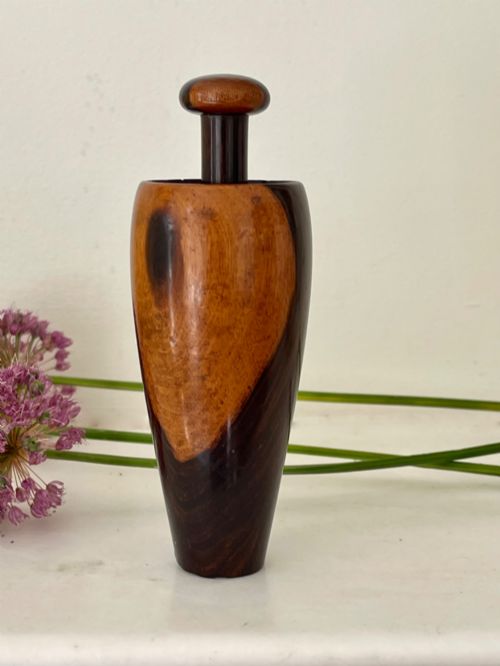
When you search for an antique wooden tobacco jar, you are looking at functional smoking accessories shaped from timber during the eighteenth and nineteenth centuries. These vessels were designed to keep leaf and plug moist before modern tins replaced them on gentleman's desks.
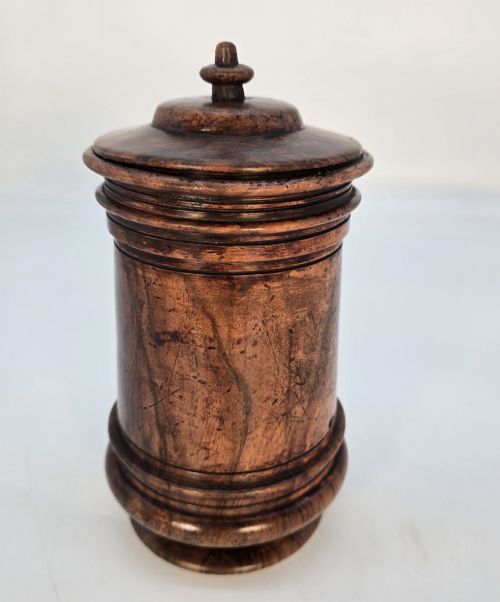
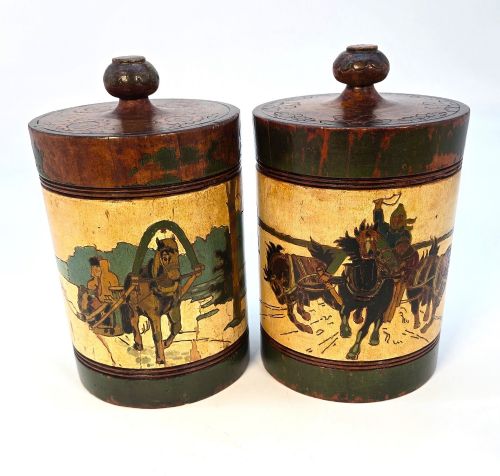
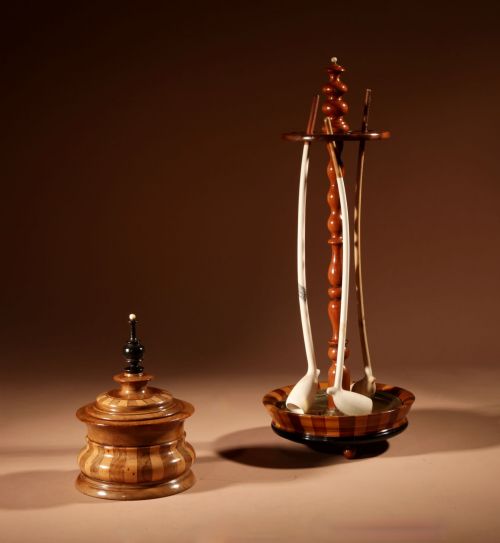
The versions you are most likely to meet on this page span Georgian and Victorian eras, along with distinct folk art traditions from the Black Forest, Russia, and Scandinavia. They range from simple turned walnut treen to intricately carved animal figures and pollard birch root boxes.
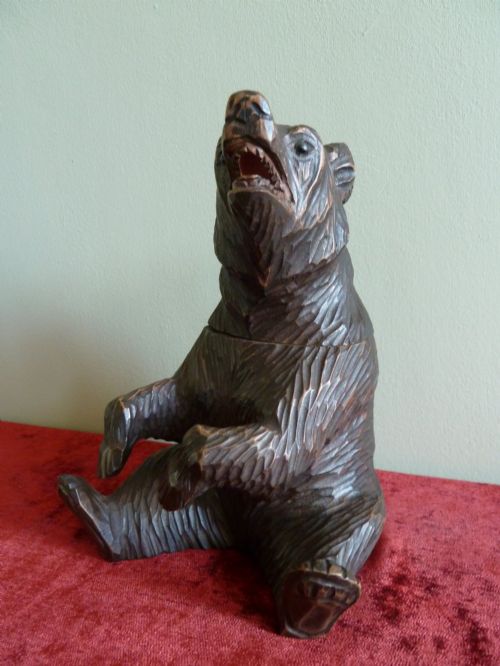
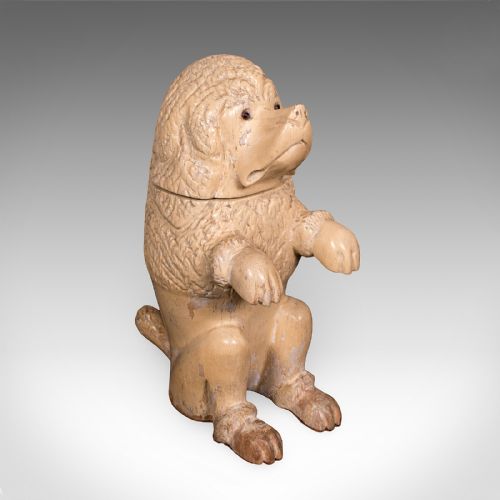
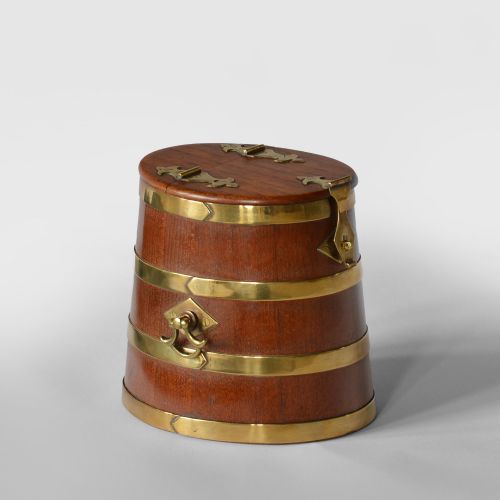
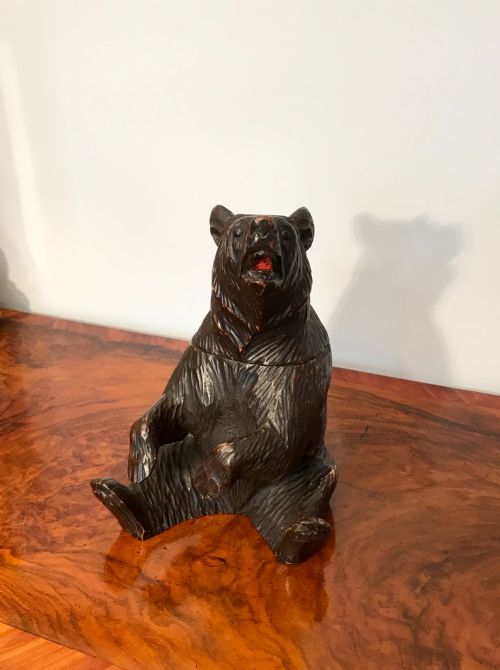
Forms vary from straightforward cylindrical containers with snug lids to locking gentlemen's cabinets and playful carved bears with glass eyes. Each piece reflects the domestic habits and decorative tastes of its period.
How they were made
Carvers and turners utilised native and exotic timbers including walnut, linden wood, pollard birch root, and burr walnut. These woods were selected for dense grain patterns and stability against warping.
Decoration relied on hand-carving, polychrome paint, and turned treen construction. Some examples incorporated brass fittings, leather elements, or inset glass eyes to bring animal forms to life.
Retail Price Guide 2026
Typical UK retail prices for wooden tobacco jar, calculated from the Sellingantiques database of over a million retail prices indexed since 2003. This retail price guide relies exclusively on Sellingantiques data; no external sources or auction records are used, so the figures do not describe the wider market.
Listings here feature items spanning the 18th Century and 19th Century, including specific dates from 1870 to 1890.
What varies in quality
Quality rests in the precision of the turning and the depth of the hand-carving. Crisp details on animal figures and clean-fitting lids elevate a piece far above utilitarian containers.
The choice of timber dictates refinement, with figured burr walnut and carefully selected root wood commanding greater attention than plain commercial stock. Original surface patina and intact inner linings complete the distinction.
The Antique Wooden Tobacco Jar Glossary
- Treen
- Small handmade wooden household objects turned on a lathe or carved by hand. This term applies to utilitarian items finished with a smooth, tactile surface.
- Burr walnut
- Wood taken from a tree growth where grain has grown in a deformed manner, producing intricate swirling patterns. It is prized for luxury cabinetry and decorative boxes.
- Pollard birch root
- Timber harvested from birch roots that have been pollarded, creating highly figured and gnarled grain patterns. Scandinavian makers utilised this for distinctive naturalistic boxes.
Frequently Asked Questions
What were antique wooden tobacco jars used for?
These vessels held loose pipe tobacco or cigars in domestic rooms, keeping the leaf dark and relatively protected from dry air.
Their tight-fitting wooden lids helped preserve the moisture and aroma of the tobacco before airtight metal tins became common.
How do I date an antique wooden tobacco jar?
Dating relies on stylistic clues, timber selection, and construction methods characteristic of periods like the eighteenth century or the Victorian era.
Folk art pieces often carry regional carving styles and specific decorative motifs from the eighteen-eighties or eighteen-nineties that help narrow their origin.
How do I care for wooden tobacco jars?
Keep wooden vessels away from direct sunlight and dramatic temperature swings to prevent the timber from splitting or warping.
An occasional application of appropriate wax feed helps maintain the natural lustre of the wood without building up heavy residues.
What is Black Forest carving?
This style refers to intricate wood carvings produced in the mountainous regions of Switzerland and Germany during the nineteenth century.
Known for realistic animal forms such as bears and monkeys, these pieces often served functional roles as boxes and jars.