




Victorian Smokers Cabinet
These Victorian smokers cabinet pieces are compact containers designed for tobacco and pipes, offering a glimpse into domestic gentlemanly habits of the nineteenth century.
Victorian Smokers Cabinet
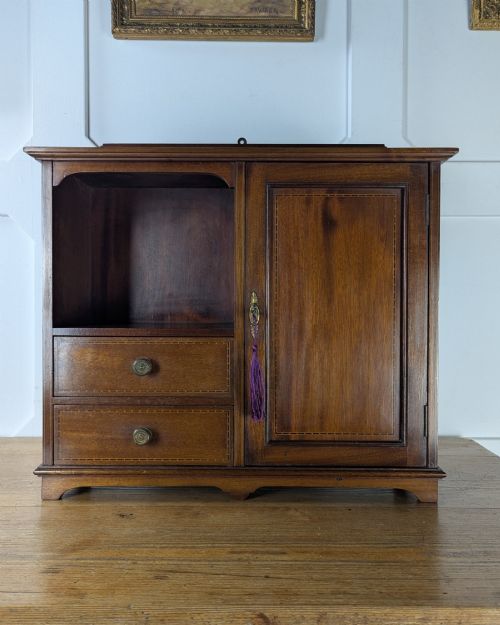
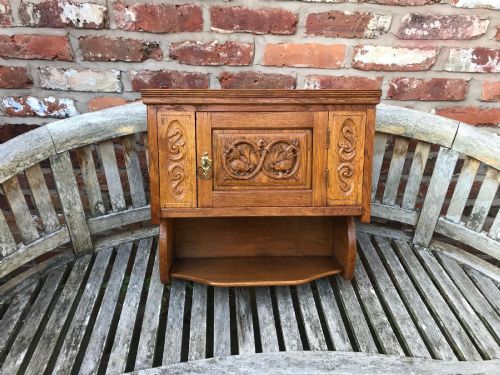
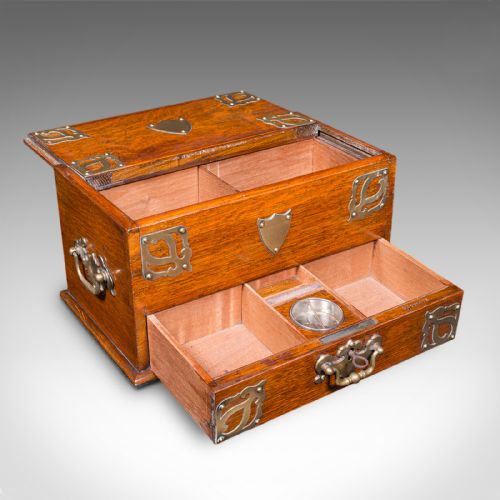
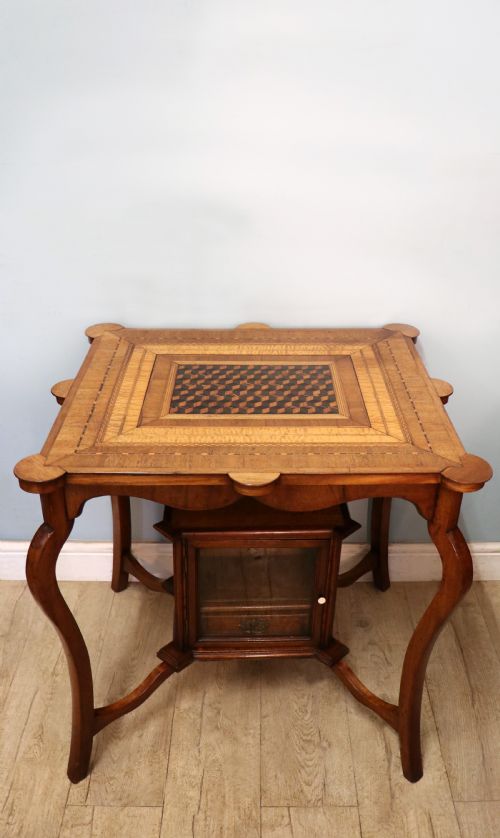
A Victorian smokers cabinet is a secure box or cupboard made to store pipes, tobacco, and cigars safely out of the way. The pieces seen here appear as wall-mounted cupboards, tabletop boxes, and combination games compendiums.
Most examples date from the Victorian and Edwardian eras, constructed to sit comfortably in a study or club lounge. The form varies from simple oak boxes to more elaborate inlaid designs featuring multiple internal drawers.
You will encounter tabletop cabinets and wall cabinets most frequently on this page. These pieces often include specialised internal fittings such as cigar holders and small ceramic mixing bowls.
Materials and construction methods
Cabinetmakers utilised sturdy hardwoods such as oak, mahogany, burr walnut, and satinwood to build these containers. These timbers were selected for their durability and attractive grain patterns.
Metal hardware plays a functional role in the construction, utilising brass for hinges, locks, and carrying handles. Cut glass and silver plate also appear on internal vessels and associated tantalus decanters.
Victorian Smokers Cabinet Retail Price Guide 2026
Typical asking prices for victorian smokers cabinet among the pieces listed under this phrase on Sellingantiques today, from the lower quarter to the upper quarter. They describe what is for sale here now, not the wider market.
The listings here span oak, mahogany, burr walnut, and satinwood across the Victorian, Edwardian, and later periods.
Assessing quality in these cabinets
Quality rests upon the selection of timber and the precision of the joinery. Fine examples display carefully matched burr walnut or detailed carving work on the exterior surfaces.
The internal arrangement and the retention of original brass fittings dictate the desirability of the piece. Cabinets that retain fitted cigar cases and undamaged glass components represent the higher tier of production.
The Victorian Smokers Cabinet Glossary
- Humidor
- A moisture-controlled box designed specifically for storing cigars in optimum condition. This term often applies to the more refined walnut and oak cabinets.
- Tantalus
- A locked stand holding decanters that displays the contents while preventing unauthorized access. Some combination pieces integrate this mechanism alongside the tobacco storage.
- Inlay
- A decorative technique where contrasting woods or materials are set into the surface of the primary timber. Satinwood and other light veneers often create geometric patterns through this method.
- Anglo-Indian
- A descriptive term for items produced in India during the British colonial period using local carving traditions. These pieces bring distinct regional decorative motifs to the cabinet form.
Victorian Smokers Cabinet: Frequently Asked Questions
What is a Victorian smokers cabinet?
A Victorian smokers cabinet is a small, lockable piece of furniture designed to house tobacco, pipes, and smoking accessories. These boxes kept expensive cigars secure and contained strong aromas within a private room.
Most versions feature hinged doors, internal drawers, and dedicated spaces for matches and pipe cleaners. They reflect the social habits of gentlemanly entertaining during the nineteenth century.
How were these cabinets used?
Owners placed them on tables, desks, or mounted them directly to walls in studies, libraries, and smoking rooms. The lockable doors ensured that valuable cigars and imported tobacco remained safe from servants or guests.
Inside, specialised compartments held loose leaf tobacco, ceramic mixing bowls, and specific racks for clay or briar pipes. They served as both practical storage and decorative conversation pieces.
Where should I place one at home?
These compact cabinets sit well on side tables, bookshelves, or desks in a living space or home office. Their rich wood tones and brass hardware complement traditional interior settings.
Wall-mounted versions require secure fixing to support the weight of the timber and internal contents. They function effectively as display surfaces for small curiosities even if you do not collect tobacco ephemera.
How do I date a smokers cabinet?
Dating relies on examining the timber, the style of the brass hardware, and the construction methods used inside the drawers. Oak and walnut were common throughout the Victorian and Edwardian periods, with later pieces often showing simpler lines.
Inlaid satinwood and heavily carved motifs typically point towards the late nineteenth century. Comparing the lock mechanisms and internal linings to dated examples helps confirm the era of manufacture.