



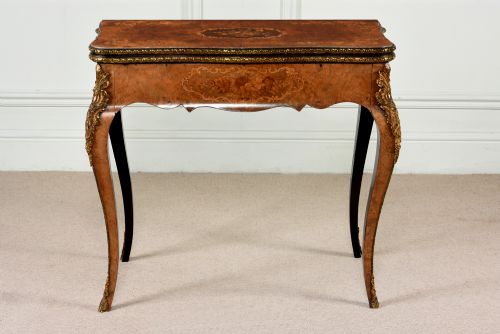

Late Victorian Games Table
A late victorian games table brings together social entertainment and cabinet-making skill, offering a folding or revolving top designed for cards and board pursuits.
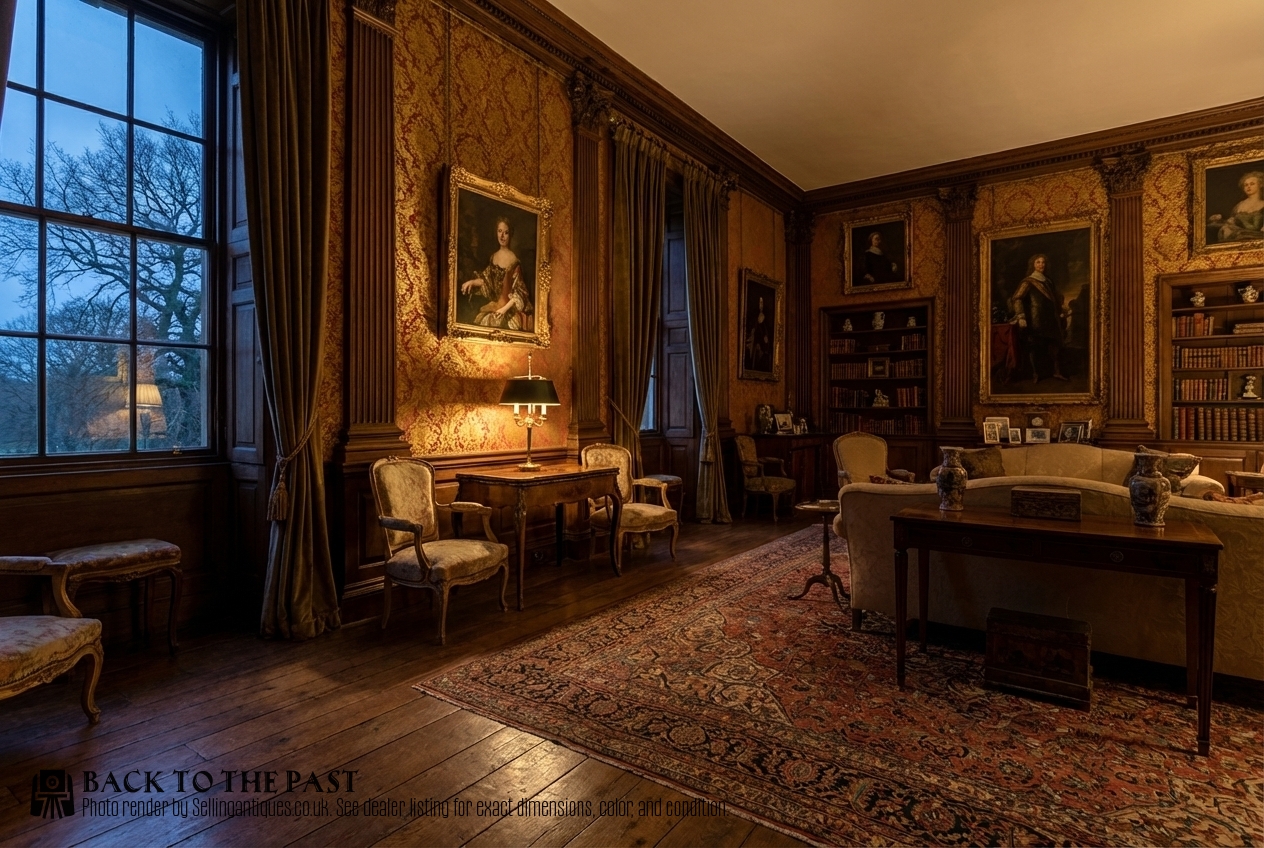
Late Victorian Games Table
A late victorian games table serves as both a functional piece of furniture and a social centrepiece for domestic entertainment. You will encounter various forms on this page, ranging from standard fold-over card tables to sophisticated envelope models with gaming wells.
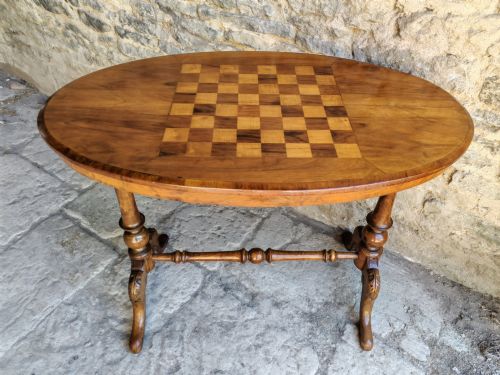
The materials used across these pieces span traditional timbers like mahogany, walnut, and rosewood, often enhanced with wood inlay, marquetry, or parquetry. Some examples incorporate specialist surfaces such as baize for card playing alongside dedicated compartments for chess and cribbage.
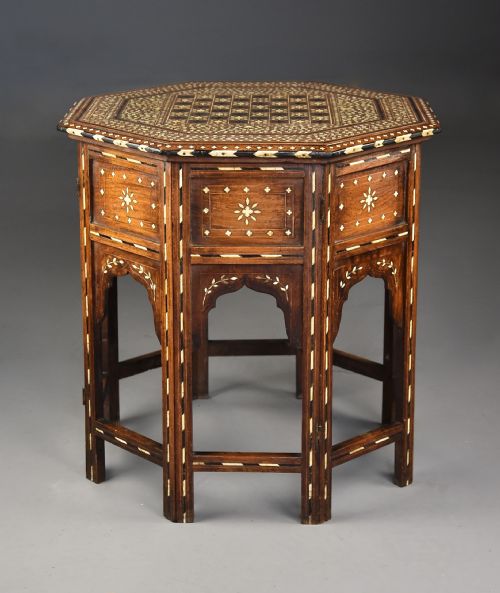
Design influences vary widely, drawing on revival styles including Chippendale and Hepplewhite alongside Aesthetic Movement, Anglo-Indian, and Ottoman Syrian traditions. This variety reflects the eclectic tastes of the period, where makers combined European forms with intricate regional craftsmanship.
How they were made
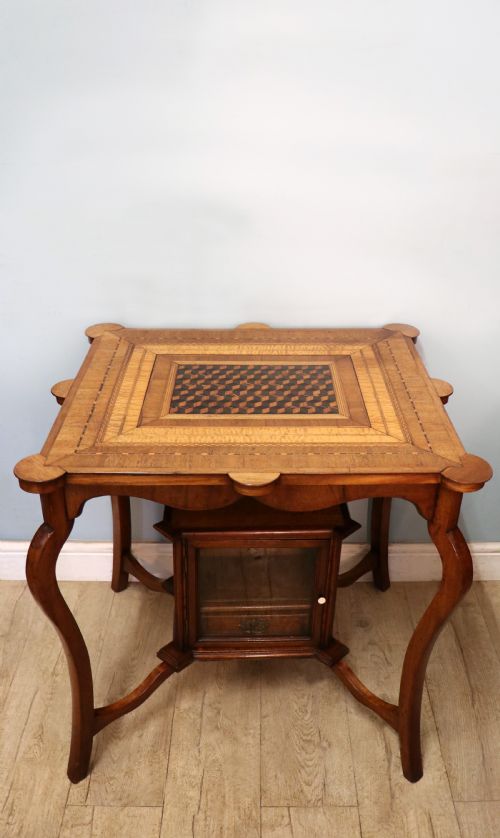
Cabinet makers utilised dense hardwoods such as mahogany, walnut, and rosewood as the structural foundation for these tables. Surfaces were frequently embellished with wood inlay, parquetry, and marquetry, integrating contrasting timbers like satinwood and amboyna.
Internal mechanisms relied on precision joinery and clever hardware, particularly in envelope tables where pivoting leaves open to reveal folding leaves and counter wells. Brass hinges, locks, and caster wheels provided both structural support and smooth movement for convertible tops.
Late Victorian Games Table Retail Price Guide 2026
Typical asking prices for late victorian games table among the pieces listed under this phrase on Sellingantiques today, from the lower quarter to the upper quarter. They describe what is for sale here now, not the wider market.
Several tables include hidden compartments designed specifically to keep Victorian card players honest by securing counters away from clumsy elbows.
What varies in quality
The standard of timber selection and complexity of surface decoration largely determine the standing of an individual table. Simpler solid mahogany designs contrast with heavily inlaid rosewood or satinwood pieces that demonstrate meticulous marquetry and parquetry.
Ingenuity of mechanical design also separates standard pieces from exceptional ones, particularly in the smooth operation of rotating leaves, pivoting legs, and clever envelope folding actions. Named workshops and cabinet makers further elevate a piece through superior execution of carving and joinery.
Lamb of Manchester·Wylie & Lochheed·Gillows Of Lancaster
The Late Victorian Games Table Glossary
- Envelope card table
- A square table with four triangular flaps that rotate and fold outward to reveal a baize-lined playing surface. The clever pivoting mechanism forms the shape of an envelope when closed.
- Marquetry
- A decorative technique where thin veneers of various woods are assembled into pictorial or geometric patterns on the surface of the table. It differs from inlay by covering the entire top in a mosaic design.
- Baize
- A coarse woollen fabric, traditionally green, used to line the playing surfaces of card and games tables. It provides a soft, non-slip texture that protects both cards and the wooden interior.
- Parquetry
- Geometric mosaic woodwork arranged in regular patterns such as cubes, chequers, or stripes. This technique showcases the natural grain and contrasting colours of different timbers.
- Gaming wells
- Small recessed compartments built into the corners of a games table top to hold counters, coins, or markers during play.
Late Victorian Games Table: Frequently Asked Questions
How do envelope tables work?
Envelope tables feature a rotating top where the four triangular flaps pivot inward and outward. As the user turns the surface, the leaves unfold to create a square playing area supported by the swinging legs.
Beneath these flaps, hidden wells often emerge to hold counters or small game pieces during play.
What woods were commonly used?
Cabinet makers relied heavily on rich timbers such as mahogany, walnut, and rosewood for the primary structure and veneers. Satinwood and amboyna also appear frequently as contrasting elements for detailed inlay work.
Oak was occasionally utilised, particularly within pieces influenced by the Aesthetic Movement and regional school workshops.
How do I care for the baize?
The baize lining requires gentle treatment to preserve the woollen fibres over time. Regular light brushing removes dust without pulling the fabric surface.
Keep these tables away from direct sunlight and moisture to prevent the wood veneers and the textile lining from fading or degrading.
Were these tables used daily?
Domestic life in the late nineteenth century placed a high value on parlour games and social card evenings. These tables served as everyday furniture for writing or display when closed, converting quickly for evening entertainment.
Multi-functional designs allowed households to maximise space in drawing rooms and parlours.
How do I identify different design styles?
Look to the decorative motifs and structural lines to distinguish between the various revival and regional styles. Chippendale and Hepplewhite influences display classic carved mahogany details, while Aesthetic Movement pieces often feature ebonised finishes and simpler, geometric forms.
Anglo-Indian and Ottoman Syrian examples are easily recognised through dense, intricate overall wood inlay and geometric bone or contrasting timber patterns.