

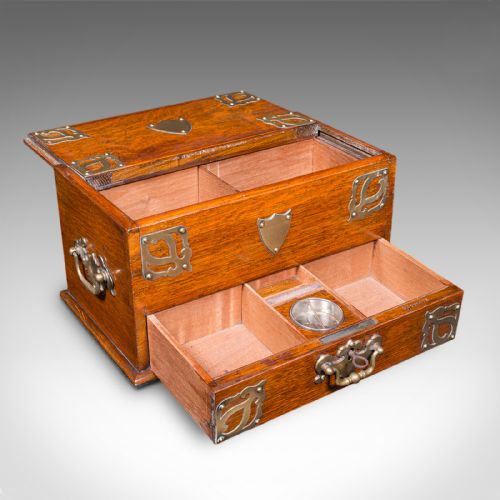


Antique Pipe Cabinet
An antique pipe cabinet is a compact, purpose-built housing designed to keep pipes and tobacco in order, prized by collectors for domestic woodwork and period detail.
Antique Pipe Cabinet
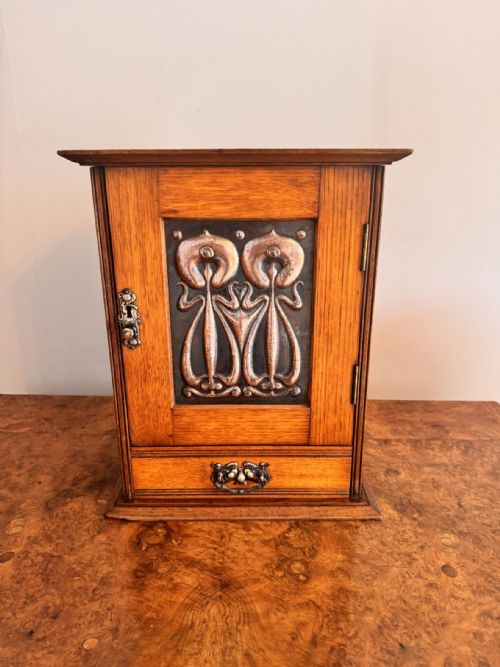
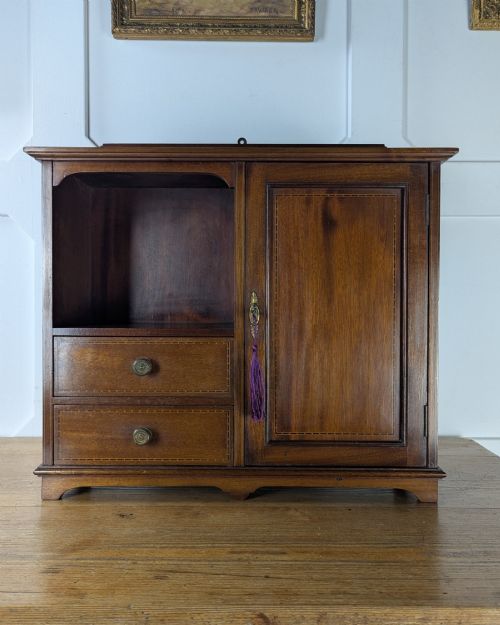
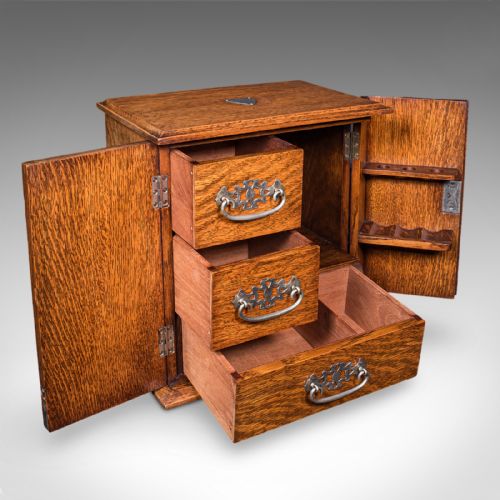
An antique pipe cabinet provides dedicated storage for smoking paraphernalia, taking forms such as wall hanging cupboards, smokers boxes, and small table pieces. These units range from simple utilitarian boxes to refined pieces incorporating fitted racks for pipes and internal compartments for tobacco.
The versions most commonly met on this page date from the Victorian, Edwardian, and early twentieth century eras. They appear in styles including Arts and Crafts, Art Nouveau, and straightforward nineteenth century country designs.
Makers produced these cabinets primarily in oak and mahogany, often outfitting them with brass hardware and glass doors. Some examples survive alongside related smoking cabinets and specialised wall cabinets.
How they were made
Cabinetmakers constructed these pieces predominantly from solid oak and mahogany, occasionally employing satinwood for decorative inlay and contrast. Carpenters joined the timber using traditional methods suited to small enclosures, such as dovetailing for drawers and mortise and tenon joints for frames.
Metalwork played a functional and decorative role, with brass hinges, handles, and copper accents appearing across various styles. Glass panels found use in doors to display the contents, while specialised internal racks were shaped to hold pipes securely.
The listings span the Victorian, Edwardian, and Art Nouveau periods, constructed primarily in oak and mahogany with brass and copper hardware.
What varies in quality
The distinction between ordinary and superior pieces rests upon the precision of the joinery and the selection of timber figures. Finer examples display carefully matched wood grains, tight joints, and well-fitted internal pipe racks rather than hasty assembly.
Shapland and Petter·Royal Doulton
The Antique Pipe Cabinet Glossary
- Smokers cabinet
- A small piece of furniture designed to store tobacco, pipes, and matches. These cabinets often feature glazed doors and internal shelving.
- Arts and Crafts
- A design movement emphasising handcraftsmanship and simple forms. Pieces in this style frequently utilise exposed joinery and copper hardware.
- Art Nouveau
- A style characterised by flowing, organic lines and floral motifs. Cabinets from this period often display stylized plant designs in metal or wood.
- Inlay
- A technique where pieces of contrasting material are inserted into a recessed surface to form a pattern. Satinwood was commonly used for this purpose on mahogany carcasses.
- Humidor
- A moisture-controlled box or compartment designed to keep tobacco fresh. Some pipe cabinets incorporated these lined sections into their internal layout.
Antique Pipe Cabinet: Frequently Asked Questions
What fits inside an antique pipe cabinet?
These cabinets accommodate smoking equipment, featuring internal wooden racks shaped to hold tobacco pipes upright. Additional space typically accommodates tins of tobacco, matches, and sometimes small drawers for accessories.
Collectors often find small compartments or specialised holders designed specifically for cleaning tools and tampers. The layout depends on the size of the cabinet and whether it was built as a table model or a wall-hung unit.
Where were these cabinets placed in the home?
Smokers cabinets were designed for private rooms, gentleman's lounges, and studies where smoking was permitted. Wall-hanging versions saved surface space in smaller rooms.
Desk and table variations sat on side tables or mantelpieces for easy access during an evening pipe. Their compact footprints allowed them to integrate into domestic interiors without dominating the room.
How do I date an Edwardian pipe cabinet?
Edwardian pieces generally date from the reign of King Edward VII and typically exhibit lighter timbers and restrained ornamentation compared to heavy Victorian furniture. They frequently incorporate satinwood inlay and brass mounts.
Construction methods and design motifs also offer clues, with Arts and Crafts influences appearing alongside more traditional Edwardian styles. Hallmarks or maker stamps, where present, help confirm the period of manufacture.
How do I care for antique wood furniture?
Preserving these wooden cabinets involves keeping them out of direct sunlight and away from rapid temperature changes that can dry out the timber. Regular dusting with a soft, dry cloth maintains the surface.
Applying a traditional beeswax polish occasionally helps nourish the wood and preserve the finish. Avoid using modern aerosol sprays containing silicone, which can damage historic polish over time.