
Vintage Oak Accent Table
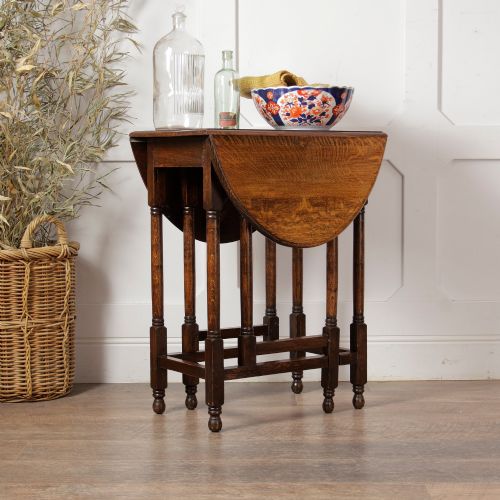
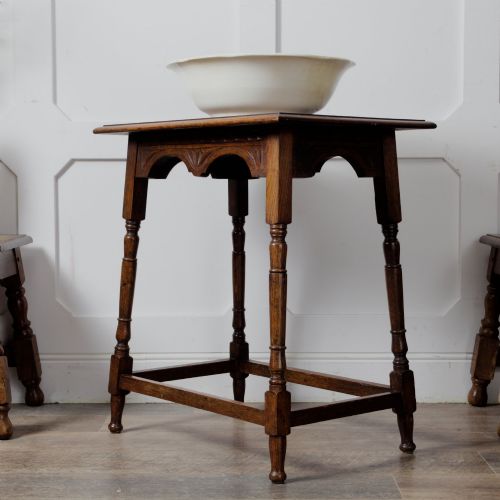
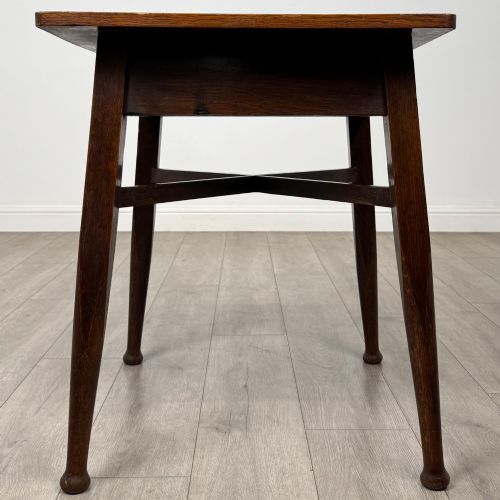
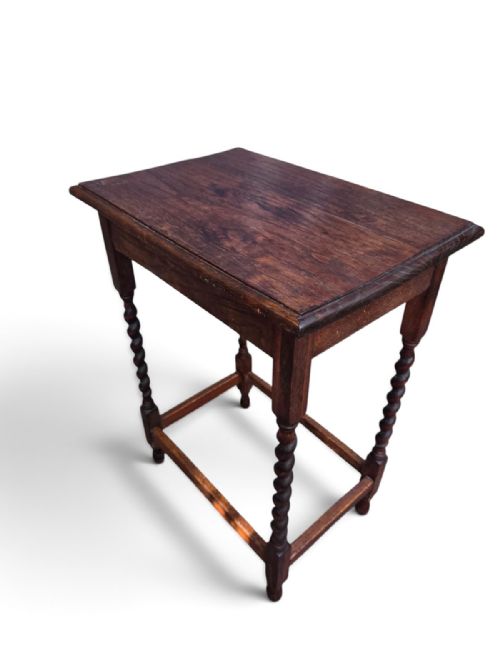
These vintage oak accent tables bring rich grain and sturdy proportion to a room, offering the perfect surface for daily use.
What a vintage oak accent table is
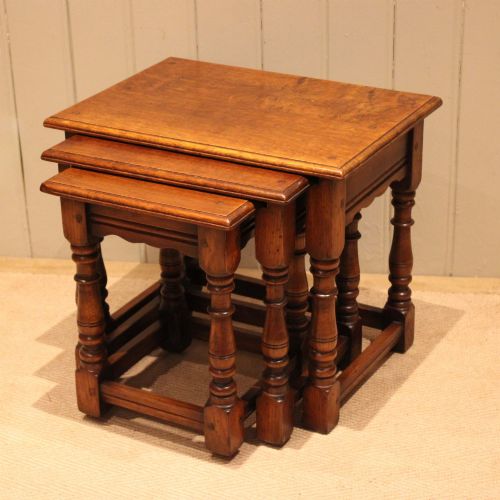
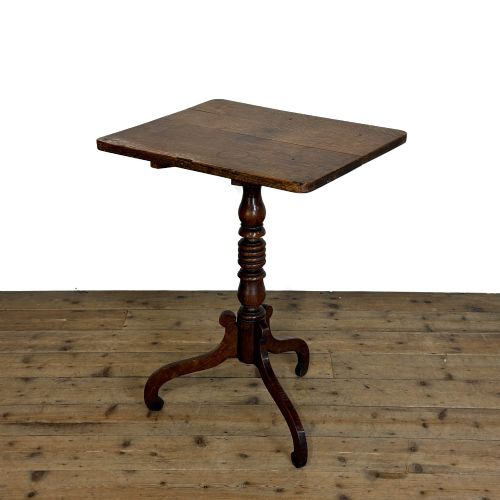
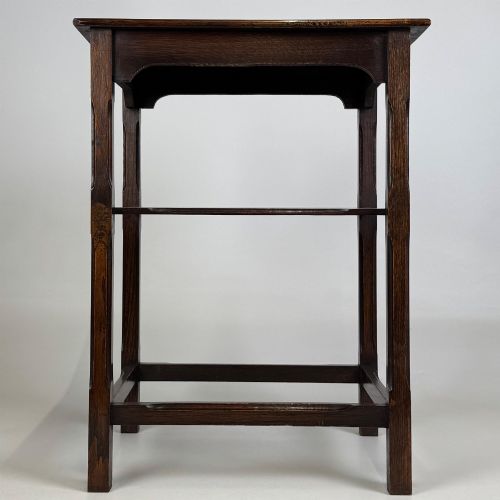
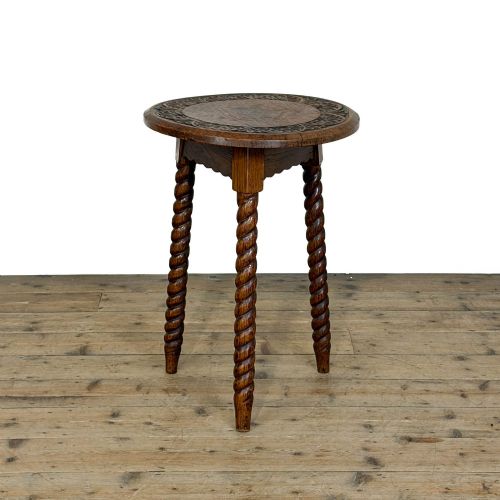
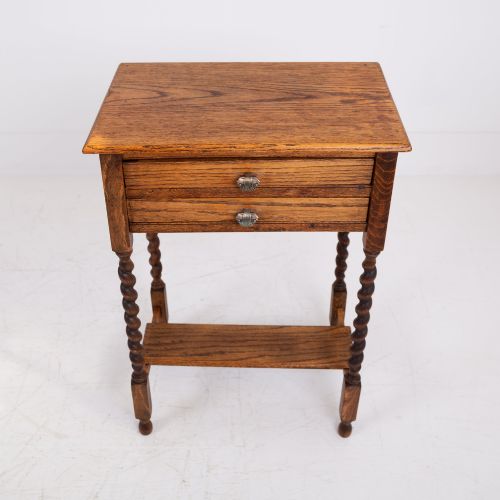
When buyers search for a vintage oak accent table, they find domestic surfaces designed to stand beside chairs or in corners to hold lamps, books and cups. The selection ranges from Edwardian golden oak examples and six-sided carved occasional tables to older forms.
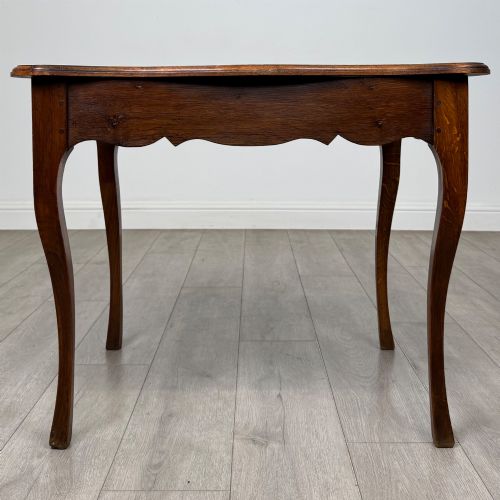
The pieces appearing here include side tables, occasional tables and centre tables spanning several decades. Examples reach back through the Edwardian era and the nineteenth century into Georgian lowboy forms.
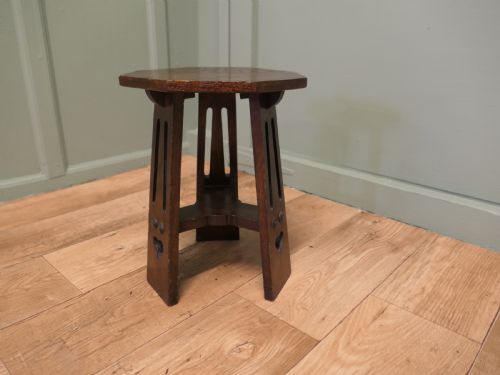
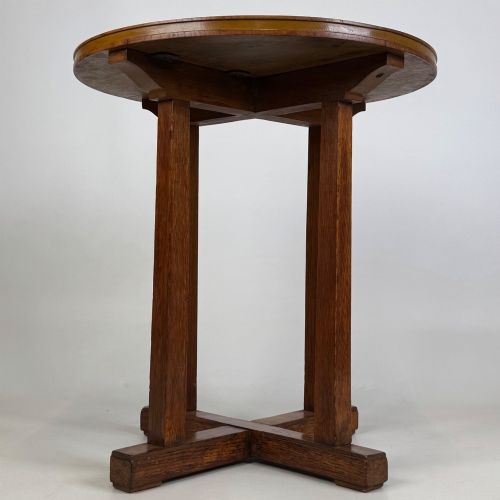
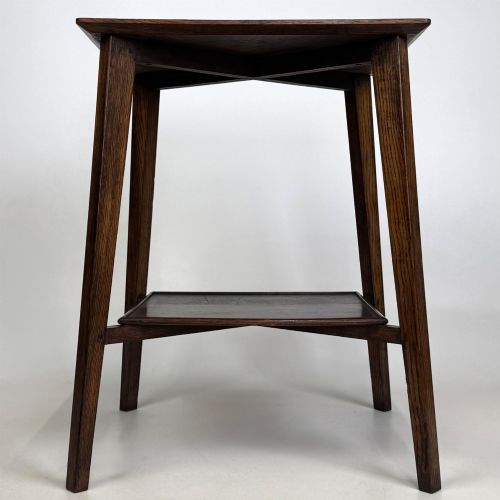
Makers drew on diverse design languages, producing Arts and Crafts round tops alongside Chippendale-influenced pieces with inset onyx surfaces. Buyers most frequently encounter Edwardian and nineteenth-century domestic utilitarian furniture built from sturdy British hardwoods.
How they were made
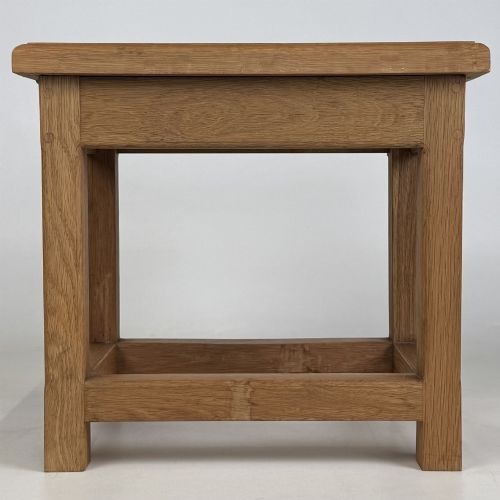
Construction relies primarily on oak timber, chosen for its durability and distinctive grain patterns visible across table tops and legs. Cabinet makers shaped these woods using traditional joinery methods suited to domestic furniture.
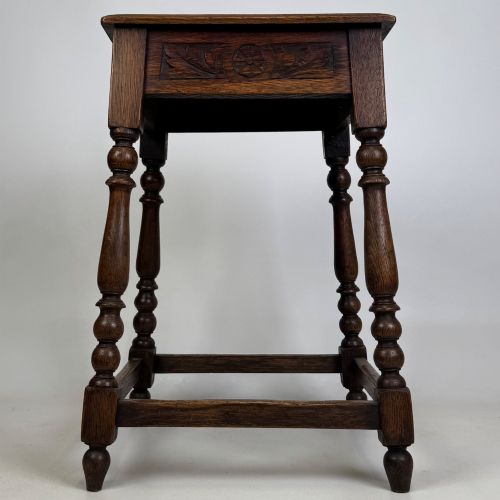
Surface ornamentation on certain pieces includes hand carving around the edges or panels, whilst other examples incorporate contrasting materials such as brass fittings or inset onyx tops. Finishes highlight the natural warmth of the golden oak timber.
Retail Price Guide 2026
Typical UK retail prices for vintage oak accent table, calculated from the Sellingantiques database of over a million retail prices indexed since 2003. This retail price guide relies exclusively on Sellingantiques data; no external sources or auction records are used, so the figures do not describe the wider market.
Current listings span the Edwardian, nineteenth-century, and Georgian periods, utilising oak alongside brass and onyx.
What varies in quality
Quality in these tables rests in the crispness of the timber carving and the architectural balance of the legs and top. Pieces featuring detailed hand work or integrated stone panels demonstrate a higher level of workshop ambition than plain utility items.
The choice of timber selection and the integrity of the original joints dictate the lasting strength of each frame. Finer examples maintain their structural firmness and display well-figured grain across the primary surfaces without excessive wear.
The Vintage Oak Accent Table Glossary
- Lowboy
- A small oak or walnut table with drawers, originating in the eighteenth century and functioning as a dressing or side table. These pieces sit low on slender legs.
- Occasional table
- A small, movable table designed to be used as needed in various parts of a room. These versatile items include six-sided tops and simple round surfaces.
- Centre table
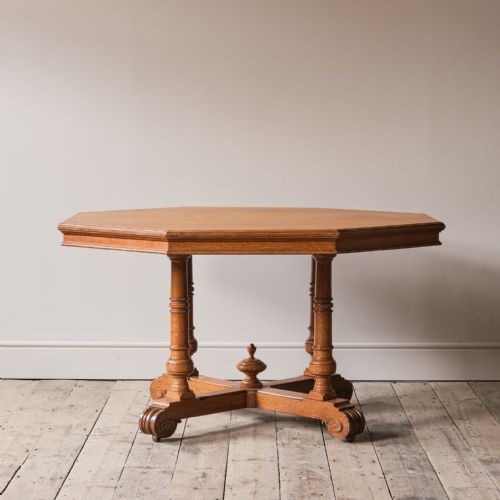
- A freestanding table intended to be viewed from all sides, placed in the middle of a room rather than against a wall. Nineteenth-century examples often feature robust timber construction.
- Onyx top
- A decorative stone surface inset into a wooden table frame, adding smooth texture and varied colouration. This material appears on nineteenth-century influenced statement tables.
Frequently Asked Questions
What is a lowboy table?
A lowboy is a small table featuring drawers, traditionally used as a side table or dressing surface during the Georgian period.
These compact items combine practical storage with elegant proportions, making them adaptable for modern hallways and living spaces.
How do I style an occasional table?
Place an occasional table beside an armchair or in an empty corner to hold reading lamps, small plants or everyday objects.
Their modest footprints allow them to fit easily into tight layouts while introducing natural wood grain to the interior.
What distinguishes Arts and Crafts oak tables?
Arts and Crafts tables emphasise honest construction, solid oak materials and subtle decorative carving rather than heavy historical ornamentation.
These Edwardian-era pieces showcase the natural beauty of the timber through clean lines and sturdy, unpretentious frames.
Where were centre tables placed?
Centre tables stood freely in the middle of Victorian and nineteenth-century rooms, serving as decorative display surfaces for books or lamps.
Because they lack a front or back, they require clear floor space around them to showcase their balanced proportions.