
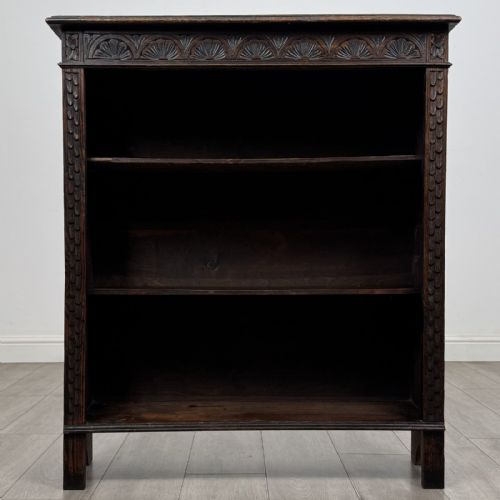
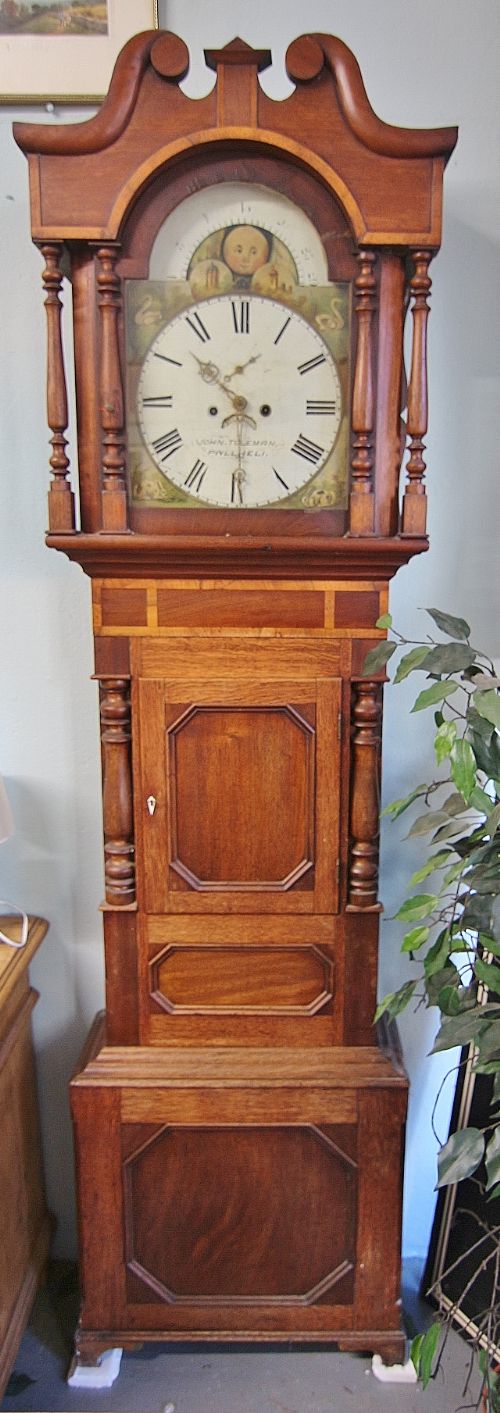
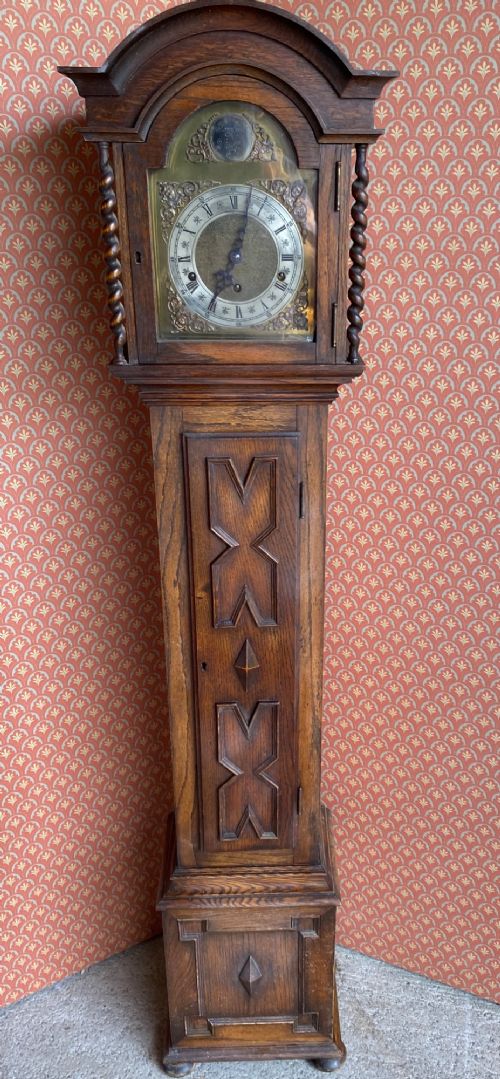
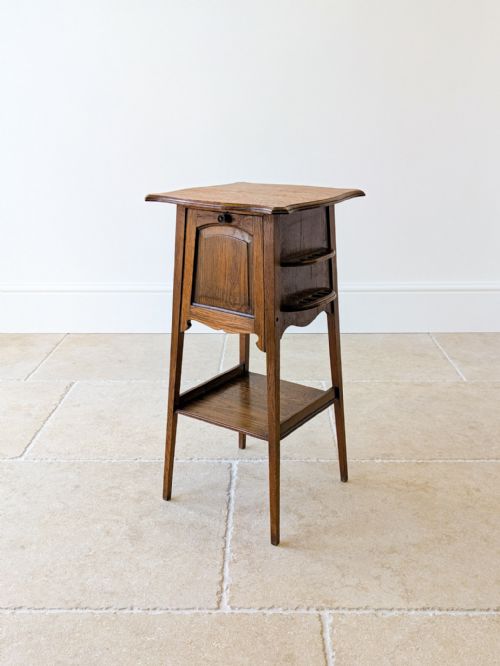
Antique Oak Stand
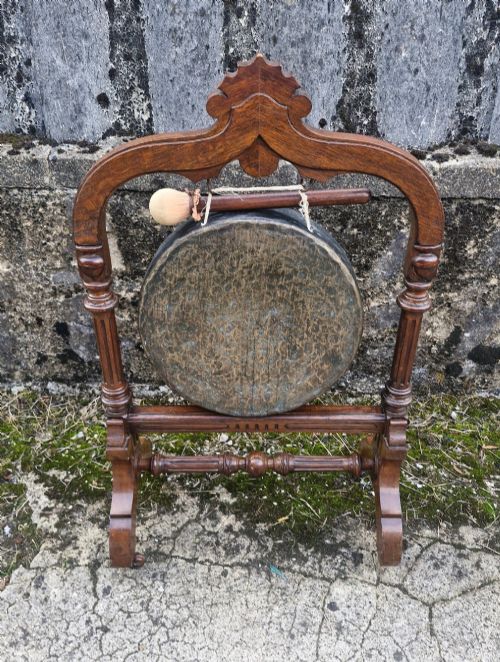
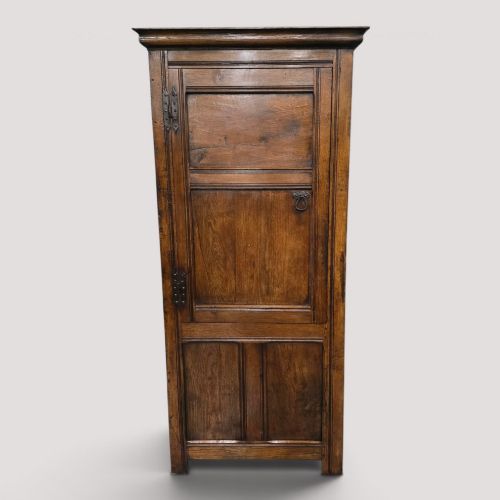
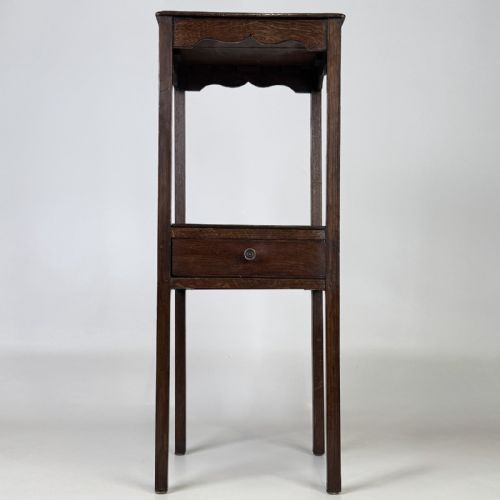
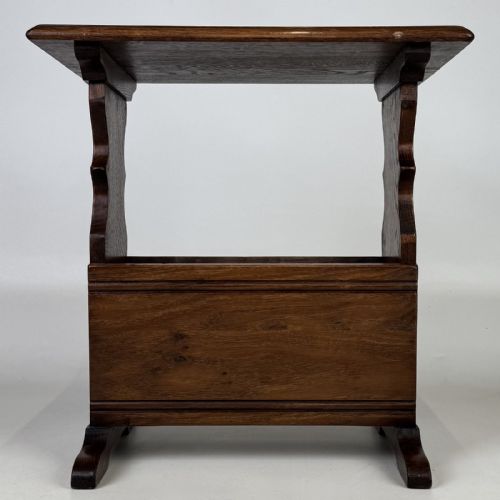
An antique oak stand brings solid utility and honest timber into a room, spanning modest occasional tables and sturdy umbrella holders.
Antique Oak Stand
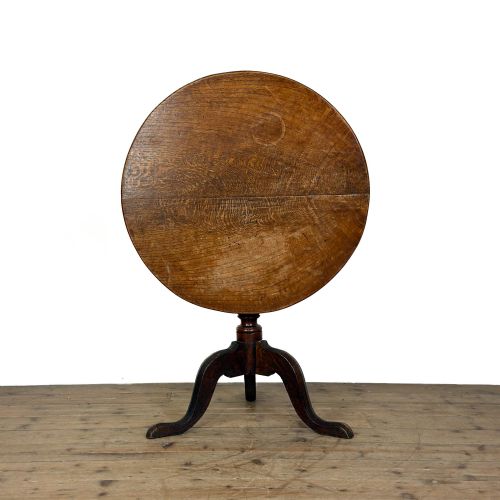
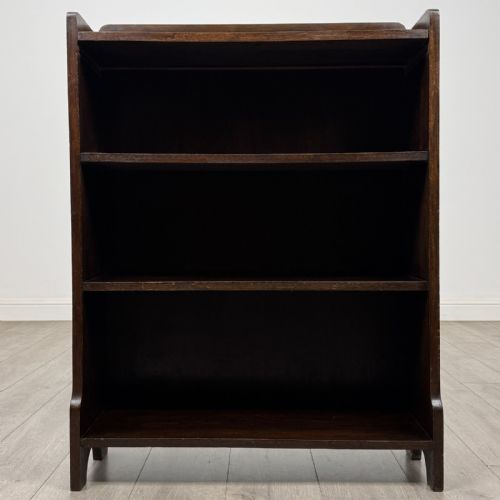
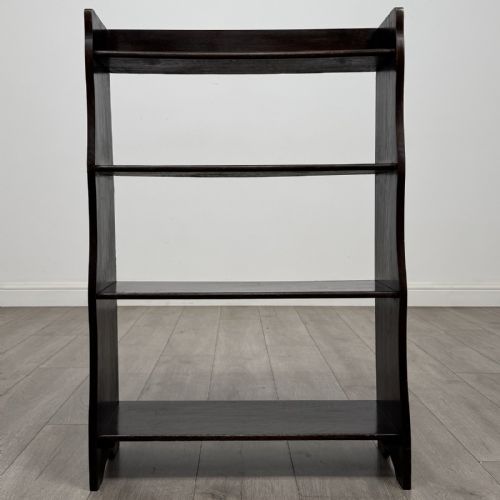
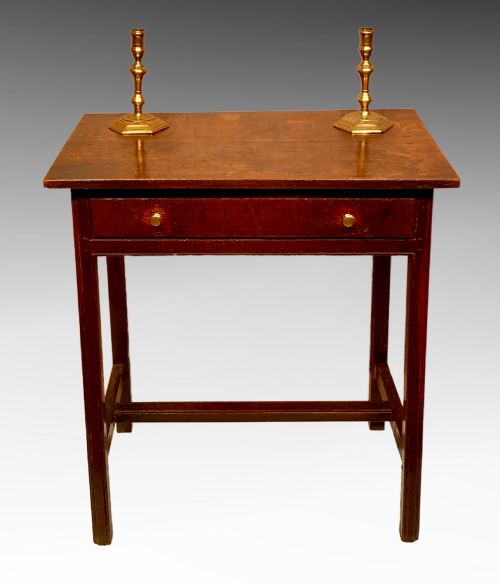
An antique oak stand encompasses a diverse group of practical household furnishings, ranging from occasional and side tables to umbrella stands, hall stands, and magazine racks. These pieces emerge across several periods, most notably the Victorian, Edwardian, and Georgian eras, alongside the distinct Arts and Crafts movement.
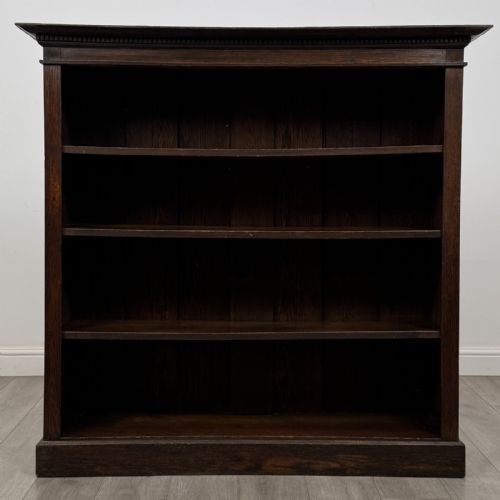
Buyers frequently encounter Edwardian and Arts and Crafts examples, which often display clean lines, golden oak tones, and functional forms like revolving bookcases and plant stands. Vernacular pieces from the Georgian and nineteenth-century periods also appear, showing simpler construction in oak and elm.
Materials and Construction
The primary material across these pieces is solid oak, frequently complemented by secondary timbers such as elm and mahogany, as well as brass and glass fittings. Carpenters and cabinetmakers utilised traditional joinery methods to build items meant for daily domestic use.
Surface detailing often includes hand carving, wood inlay, and shaped tops, while specific movements like Arts and Crafts introduce pegged joints and exposed structural elements. Metal components such as cast iron screws and brass handles provide functional contrast to the heavy wood.
Materials paired with oak across these pieces include brass, glass, iron, mahogany, and wood inlay.
Craftsmanship and Proportion
Quality in these stands rests on the selection of the timber and the integrity of the construction, where quartersawn oak showing prominent medullary rays indicates superior board selection. Better pieces maintain balanced proportions and thoughtful detailing, such as carved panels or tapered legs, rather than purely utilitarian assembly.
The distinction between standard workshop production and finer pieces often lies in the crispness of the hand carving and the retention of original hardware and finishes. Maker attribution, such as works associated with Liberty or Bowman Brothers, elevates a piece through documented design pedigree.
Finnigans·Gillows·Edward White Birmingham·Bowman Brothers London·Liberty and Co
The Antique Oak Stand Glossary
- Arts and Crafts
- A design movement prioritising traditional craftsmanship, vernacular forms, and simple materials over industrial mass production. This style heavily influences many oak stands and tables from the late nineteenth and early twentieth centuries.
- Medullary rays
- Natural ribbon-like flecks visible across quartersawn oak timber. Their presence indicates high-grade conversion of the log and adds visual depth to the surface.
- Vernacular furniture
- Domestic pieces made by local regional carpenters using accessible materials rather than following high-style London fashions. Georgian and nineteenth-century pieces often fall into this practical category.
- Occasional table
- A small, movable table designed for specific, intermittent household tasks such as holding drinks, books, or lamps. These form a large portion of the oak stands available.
Antique Oak Stand: Frequently Asked Questions
How do I care for antique oak?
Keep oak furniture away from direct heat sources and sudden humidity changes to prevent the timber from splitting. Regular dusting with a dry cloth and occasional application of appropriate wax helps maintain the surface sheen.
Avoid modern silicone polishes, as they build up over time and dull the natural grain of the wood. Gentle care preserves the historical patina developed over decades of domestic use.
What is an Arts and Crafts oak stand?
An Arts and Crafts oak stand reflects the philosophy of honest construction and visible joinery championed in the late nineteenth and early twentieth centuries. These pieces often feature golden oak, pegged joints, and geometric carved motifs.
Unlike heavily ornamented Victorian designs, these items emphasise utility and the natural qualities of the timber. They fit well into both period and contemporary interiors due to their pared-back aesthetic.
Where were hall stands used?
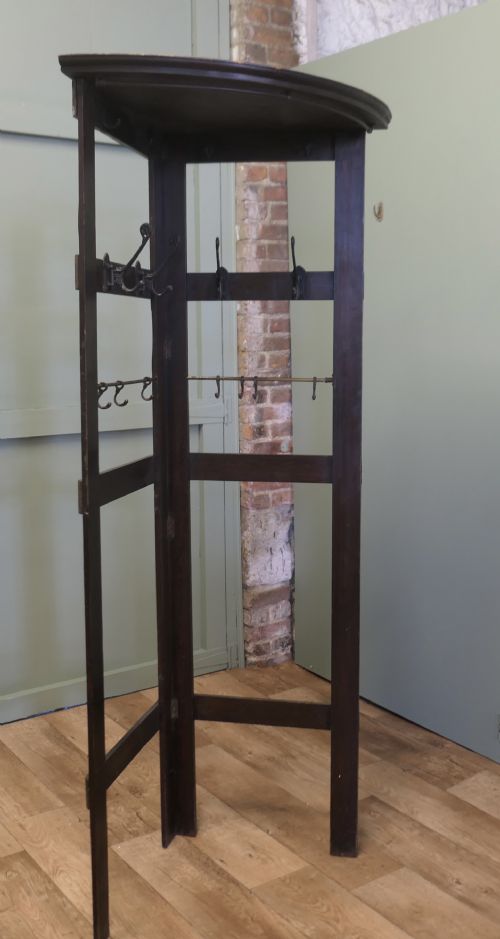
Hall stands were positioned in the entranceways of homes to receive outdoor garments, umbrellas, hats, and walking sticks upon arrival. They provided an organised storage solution right at the threshold of the house.
Many incorporate mirrors, umbrella wells with metal drip trays, and brass coat hooks. Their substantial oak frames were built to withstand the heavy daily wear of a busy household.
How do I distinguish Edwardian oak?
Edwardian oak pieces, dating from the early twentieth century, typically display lighter golden tones and simpler carved decoration than their heavy Victorian predecessors. They often draw inspiration from earlier Georgian or Arts and Crafts vernacular styles.
Construction during this era benefited from mechanisation while retaining hand-finishing details. Slatted sides on bookcases and tapered legs on side tables are common markers of this period.