




Liberty Style Oak Table
A liberty style oak table brings solid construction and handcrafted character into a room through honest timber and distinct design.
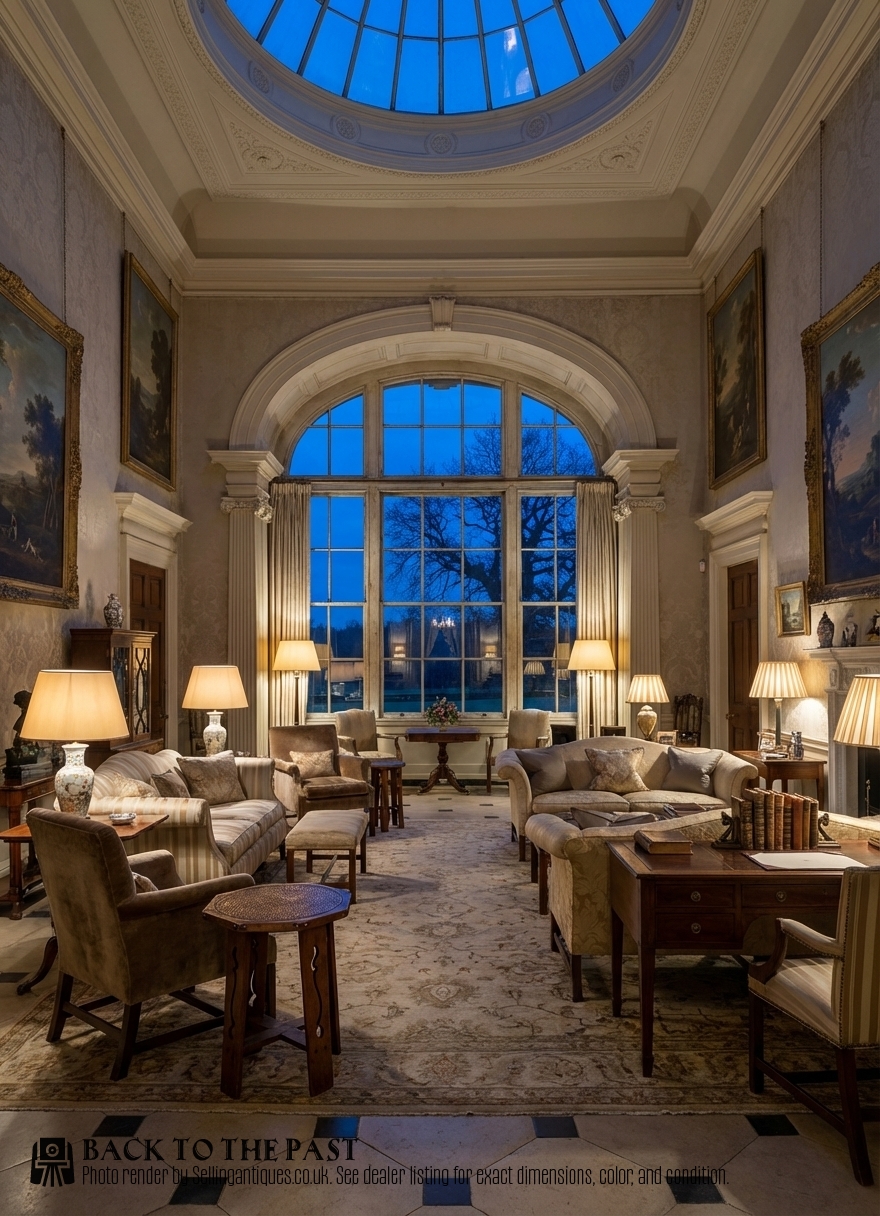
Liberty Style Oak Table
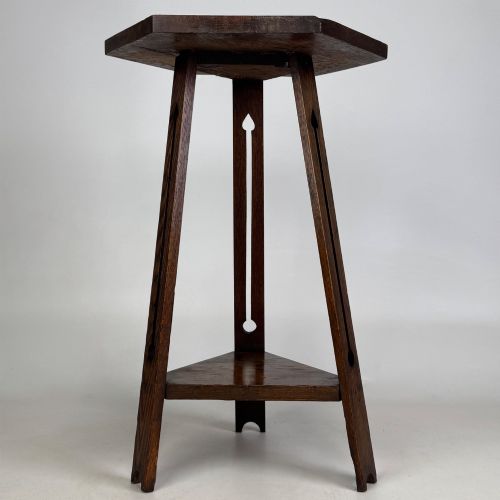
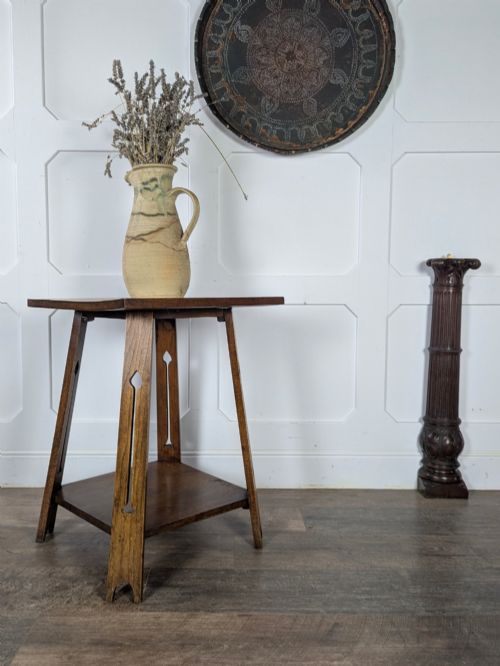
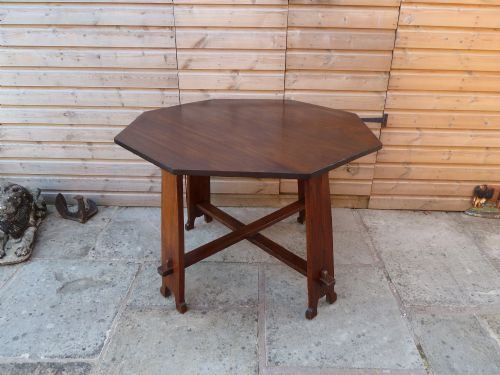
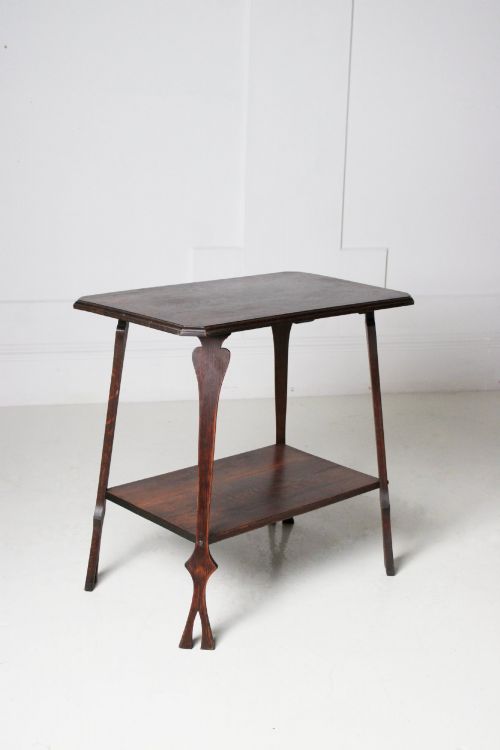
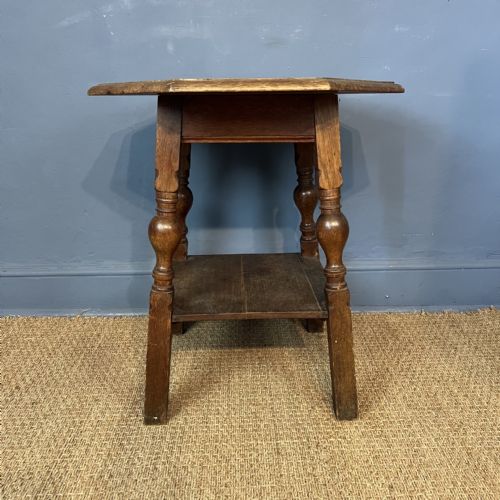
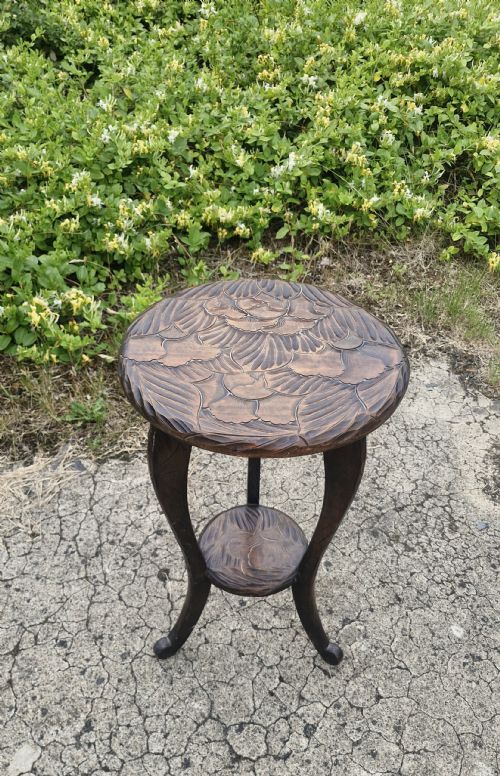
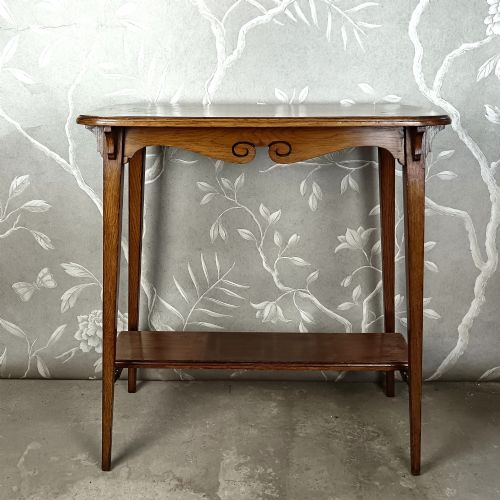
A liberty style oak table draws upon the design principles of the Arts and Crafts movement, the aesthetic of Art Nouveau, and sometimes Moorish Revival influences. Buyers searching for a liberty style oak table typically encounter pieces that served utilitarian domestic roles such as side tables, occasional tables, plant stands, and centre tables.
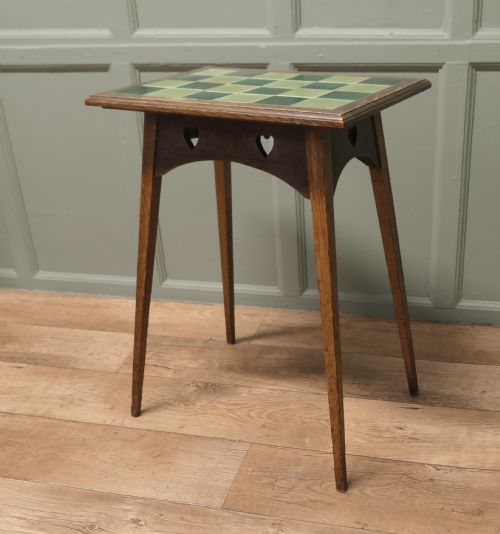
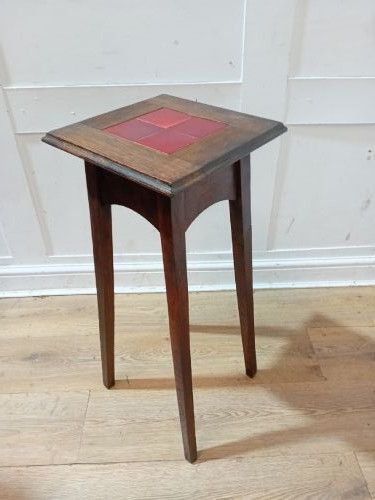
The material foundation across these pieces relies predominantly on solid oak, frequently augmented with ceramic tiles, copper, or carved hardwood details. Dating predominantly from the late nineteenth century through to the Edwardian period and the early twentieth century, these items display the functional simplicity and decorative carving associated with Liberty and Co workshops and their contemporaries.
What varies in quality
The standard of carving and the crispness of detail separate standard production from superior examples, particularly on surfaces attributed to major retailers or specific designers. The selection of timber grain, the weight of the solid oak, and the integration of secondary materials like hand-beaten copper or glazed ceramic tiles dictate the overall refinement of a piece.
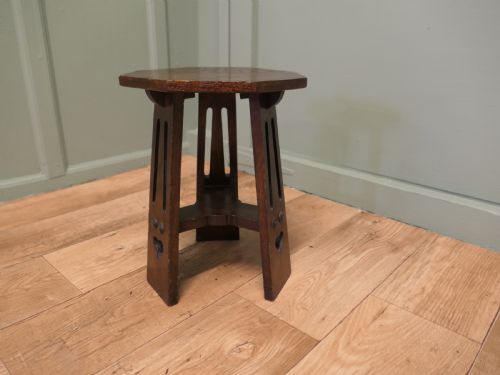
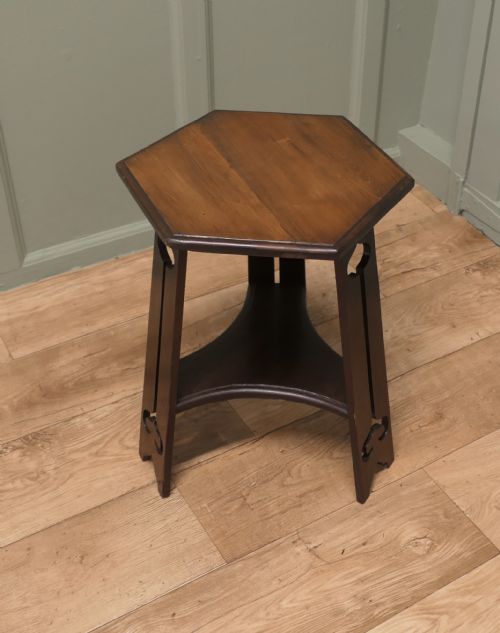
Proportion and structural integrity also distinguish finer items, where joints remain tight and the silhouette maintains balance across octagonal plant stands, two-tier occasional tables, and centre tables. Subtle variations in the depth of hand execution and the preservation of original surfaces mark the difference between workshop output and simpler commercial items.
Liberty Style Oak Table Retail Price Guide 2026
Typical asking prices for liberty style oak table among the pieces listed under this phrase on Sellingantiques today, from the lower quarter to the upper quarter. They describe what is for sale here now, not the wider market.
Heart carvings peek out from table edges, proving that Edwardian cabinetmakers possessed a romantic streak alongside their saws.
Liberty and Co·Baillie Scott
The Liberty Style Oak Table Glossary
- Arts and Crafts
- A design movement advocating for traditional craftsmanship, simple forms, and the use of natural materials. This ethos influenced furniture production from the late nineteenth century onward.
- Occasional table
- A small, versatile table designed for specific, intermittent use within a room, such as holding a lamp or books. These pieces often took octagonal, square, or rectangular forms.
- Jardiniere stand
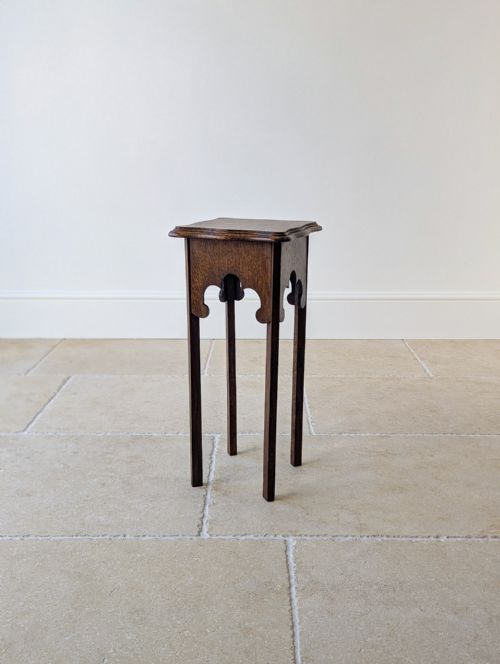
- A tall, slender stand specifically constructed to elevate a potted plant or floral arrangement. They appear frequently in oak alongside plant stands and lamp tables.
- Moorish Revival
- An architectural and decorative style incorporating geometric ornamentation, lattice work, and exotic influences into British furniture design. It appears in occasional tables and specialised seating.
- Thebes stool
- A low, three-legged stool inspired by ancient Egyptian designs and popularised by Liberty and Co during the late nineteenth and early twentieth centuries. It uses solid wood construction and curved supports.
Liberty Style Oak Table: Frequently Asked Questions
What is a liberty style oak table?
A liberty style oak table is a piece of furniture inspired by the designs retailed by Liberty and Co during the Arts and Crafts and Art Nouveau periods. These tables use solid oak and often feature hand carving, copper insets, or tiled surfaces.
They encompass various forms including side tables, plant stands, and two-tier occasional tables designed for domestic utility and aesthetic harmony.
How do I date an oak table?
Dating an oak table involves examining the construction methods, joinery, and stylistic markers present in the piece. Pieces from the late nineteenth century often reflect strict Arts and Crafts principles or Moorish Revival details.
Items from the Edwardian era and the early twentieth century tend to show refined production techniques while retaining the solid oak construction and characteristic decorative motifs.
Where were these tables used?
These tables served practical functions throughout the home as side surfaces for lamps, occasional display spots for plants, or central furnishings in reception rooms. Their sturdy oak construction allowed them to withstand daily domestic routines.
Smaller variants such as plant stands and jardiniere supports suited hallways and corners, while two-tier occasional tables provided additional storage for books and ornaments.
How do I care for solid oak?
Caring for solid oak requires maintaining stable indoor humidity and avoiding direct exposure to strong heat sources that can dry out the timber. Regular dusting with a soft, dry cloth preserves the natural finish of the wood.
Occasional application of appropriate wax maintains the lustre of the grain without building up heavy chemical residues on carved surfaces or inlaid tiles.