
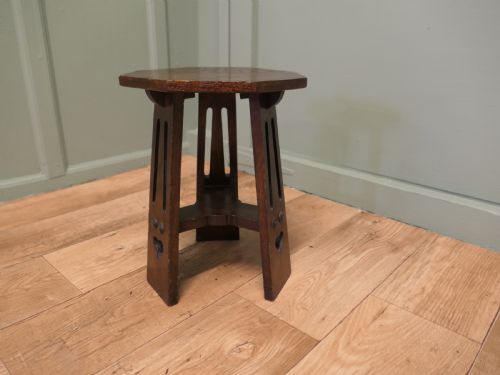
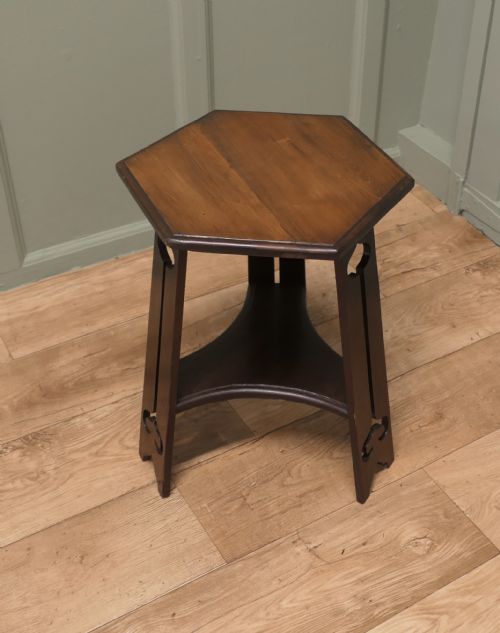
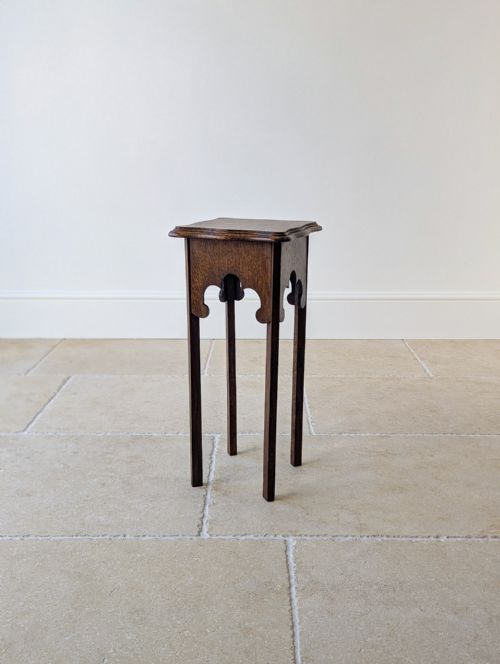
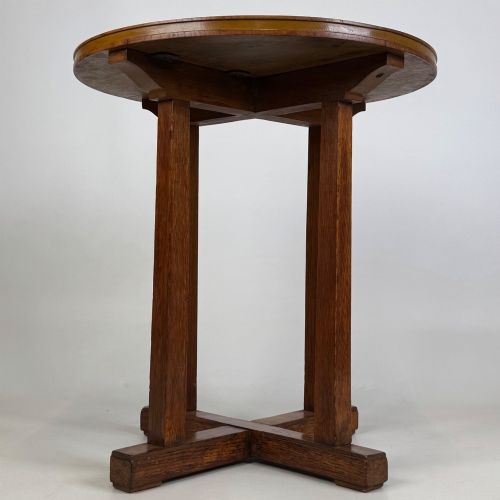




Craftsman Style Side Table
These craftsman style side table pieces offer sturdy timber construction and honest joinery, built for practical daily use in any home.
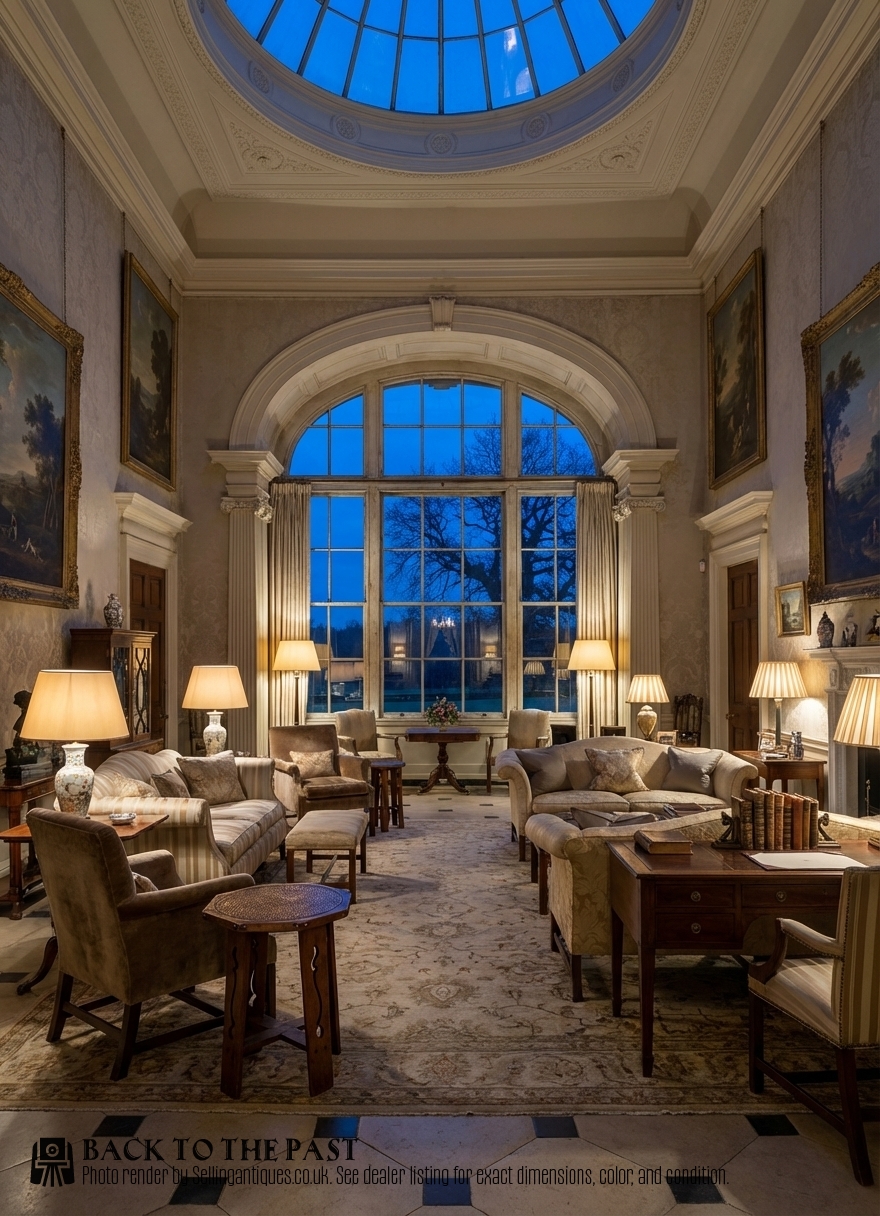
Craftsman Style Side Table
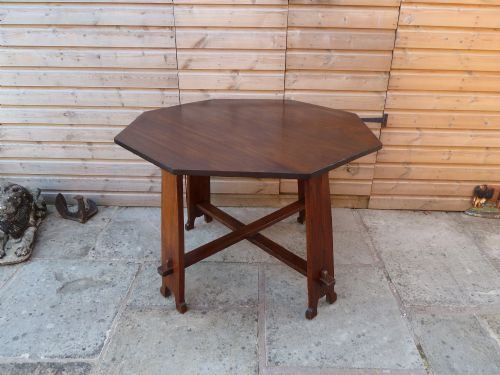
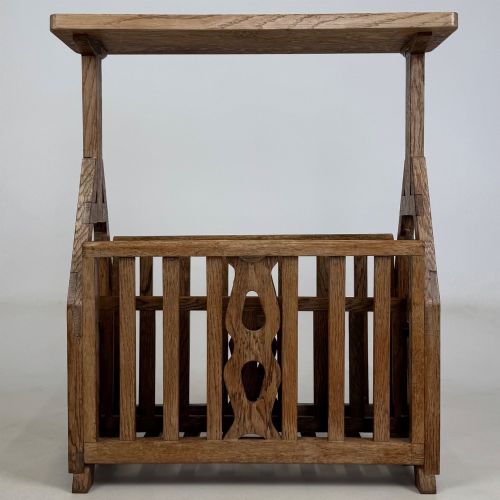
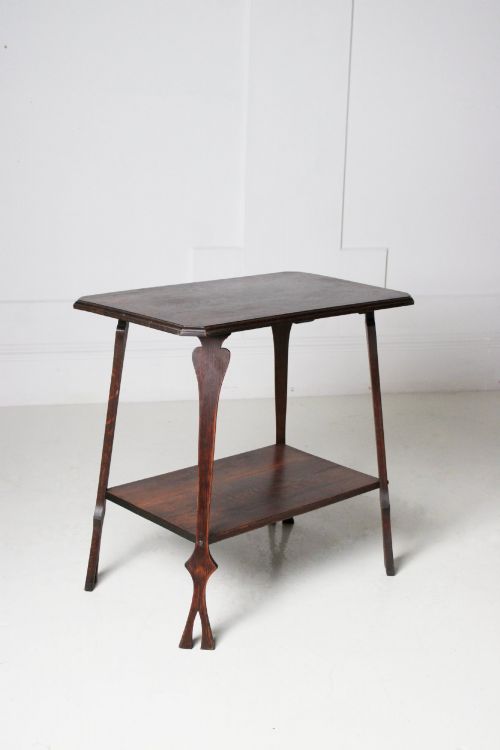
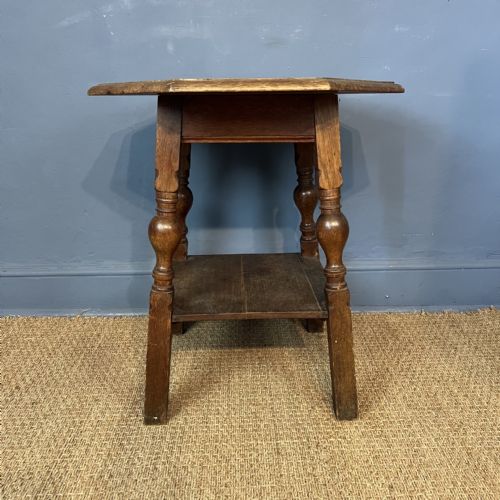
A craftsman style side table brings straightforward utility and robust timber construction to your living space, following the tenets of the Arts and Crafts movement. Buyers looking at this page will encounter practical occasional tables, plant stands, and centre tables designed for everyday use.
Beyond standard side tables, the selection includes related forms such as bedside cabinets, console tables, and plant stands. Each piece displays the straightforward forms and unpretentious character characteristic of the style.
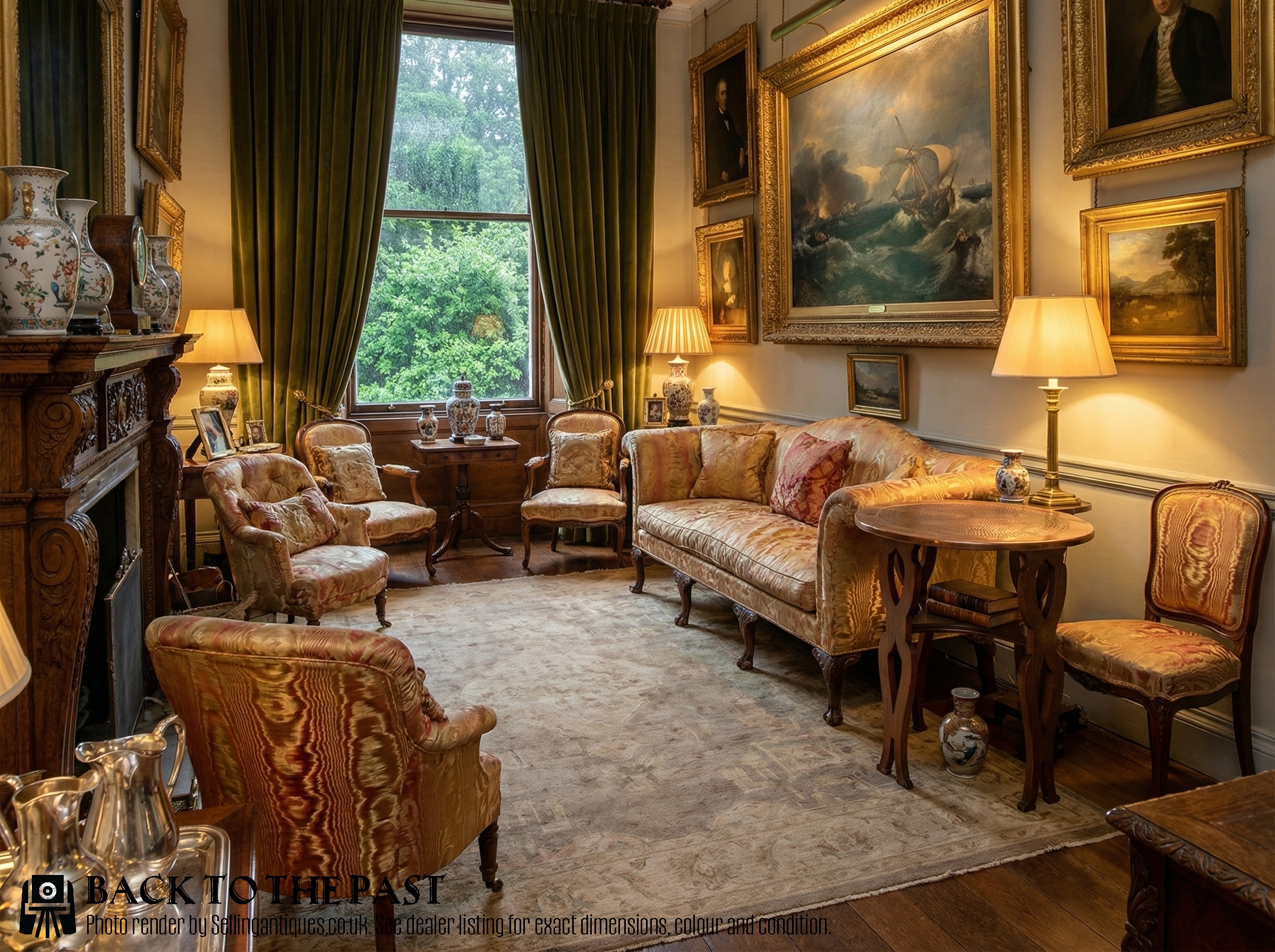
Materials and Construction
Makers relied principally upon solid oak, complemented occasionally by elm for specific elements like cross bases. Timber selection prioritised strong grain patterns and durability over decorative veneer surfaces.
Metal components such as copper appear as contrasting top surfaces or structural details, adding a subtle metallic sheen to the woodwork. Inlaid wood and wood inlay techniques also feature on selected pieces to provide restrained surface decoration.
Construction methods focused on visible, honest joinery that celebrated the structural framework of the item. This approach ensured both longevity and a distinct architectural presence within domestic interiors.
Apprentice pieces allowed learners to demonstrate their mastery by crafting diminutive versions of full-sized furniture.
Assessing Quality and Execution
Quality in these pieces rests upon the integrity of the timber selection and the precision of the joinery. Superior examples demonstrate thoughtful grain matching and robust construction that withstands decades of daily use without losing stability.
The integration of secondary materials, such as hammered copper tops or precise wood inlay work, distinguishes more ambitious workshop productions from simpler utilitarian items. The handling of these decorative elements reveals the maker's skill and attention to proportion.
Proportion and balance dictate the overall success of the form, whether dealing with a compact plant stand or a substantial centre table. Better pieces maintain a harmonious relationship between their structural mass and surface area.
Baillie Scott·Liberty and Co
The Craftsman Style Side Table Glossary
- Arts and Crafts
- A design movement advocating for traditional craftsmanship, simple forms, and honest materials. It emerged as a reaction against industrial mass production in the late nineteenth century.
- Oak
- A dense, durable hardwood widely utilised in traditional furniture making. Its pronounced grain and strength made it the primary material for this furniture style.
- Plant Stand
- A tall, narrow piece of furniture designed to elevate potted plants within a room. These items often share the same structural vocabulary as smaller occasional tables.
- Centre Table
- A freestanding table intended to sit in the middle of a room rather than against a wall. They are typically finished on all sides to allow viewing from any angle.
- Inlaid Wood
- A decorative technique where pieces of different coloured wood are fitted into a recess to form a pattern. This method adds visual interest without relying upon applied surface mouldings.
Craftsman Style Side Table: Frequently Asked Questions
What is a craftsman style side table?
A craftsman style side table is a practical piece of furniture rooted in the Arts and Crafts movement, prioritising solid construction and straightforward utility.
These tables typically feature unpretentious timber frames, most often in oak, designed to serve functional roles as lamp stands, coffee tables, or bedside surfaces.
How do I date a craftsman style side table?
Dating relies on examining the construction methods, material combinations, and stylistic markers typical of the late nineteenth and early twentieth centuries.
Pieces originating from this era often display hand-finished surfaces, exposed joinery, and characteristic use of oak or copper elements common to Edwardian workshops.
Are these tables suitable for modern homes?
These tables integrate easily into contemporary interiors due to their clean lines, neutral timber tones, and functional proportions.
Their robust construction ensures they remain practical for holding lamps, books, or plants in daily use without looking out of place.
What materials were used?
Solid oak serves as the primary material for the vast majority of these pieces, complemented occasionally by elm in specific structural elements.
Additional materials include copper for table tops, alongside inlaid wood details that provide subtle decorative contrast to the natural timber grain.