


Vintage Copper Top Table
These vintage copper top table pieces bring tactile metallic surfaces and sturdy period frames into modern rooms.
Vintage Copper Top Table
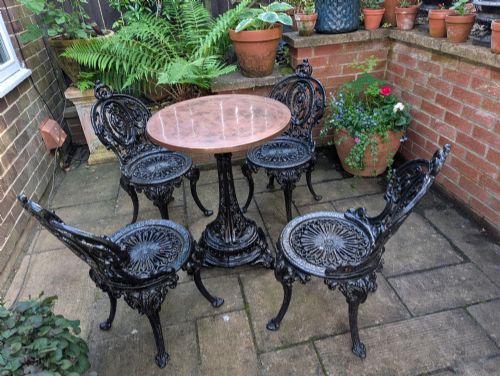
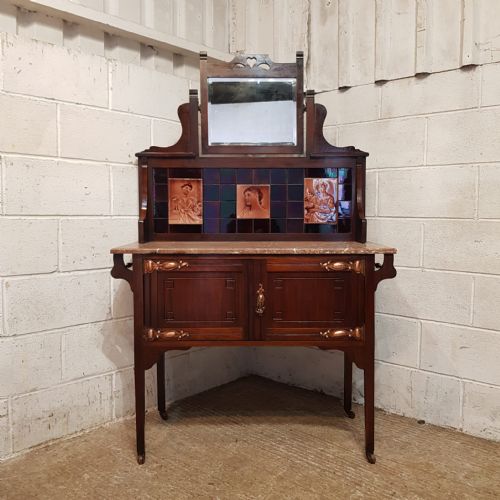
When you search for a vintage copper top table, you encounter diverse forms ranging from French industrial potting shed tables and pub furniture to side tables and low coffee tables. The pieces span periods from the nineteenth century through the early decades of the twentieth century, including Edwardian Arts and Crafts and Art Nouveau examples.
You are most likely to meet metal and wood hybrids on this page, combining verdigris copper tops with bases made from cast iron, brass, oak, or mahogany. These functional items served practical roles in gardens, orangeries, pubs, and domestic rooms before finding new life as decorative interior furnishings.
How they were made
Maker construction relies on heavy structural frames of cast iron, carved oak, or mahogany supporting sheet metal surfaces. Artisans beat and engraved the metallic tops, sometimes incorporating brass edges or inset ceramic and marble elements.
Makers joined timber bases using traditional joinery while securing the metal tops with visible rivets, screws, or raised rims. This combination provided durability for utilitarian environments like potting sheds and public houses.
Materials recorded on this page include copper, brass, marble, oak, cast iron, mahogany, ceramic, and glass.
What varies in quality
Quality rests in the articulation of the base and the depth of work on the metal surface. Tables featuring engraved copper trays or cast iron frames with specific foundry attributions sit at the higher end of the range.
Simpler utilitarian pub tables and plain sheet metal surfaces represent the more functional side of the category. The harmony between the patinated copper top and the supporting timber or iron frame dictates overall desirability.
The Rotherham·B Battioli Varese
The Vintage Copper Top Table Glossary
- Verdigris
- A green patina that forms naturally on copper, brass, or bronze through atmospheric oxidation over decades. This aged surface layer provides distinct coloration sought by collectors.
- Bain Marie
- A heated container used in cooking to keep food warm, occasionally adapted as a tabletop piece with metallic construction. These utilitarian objects demonstrate specialised period craftsmanship.
- Art Nouveau
- A decorative style prevalent around nineteen hundred characterised by fluid, organic lines and floral motifs. Pieces from this movement often feature stylized plant carvings and detailed metalwork.
- Cast Iron
- An iron-carbon alloy poured into moulds to create intricate, heavy structural frames. It formed the robust bases for nineteenth century garden furniture and pub tables.
Vintage Copper Top Table: Frequently Asked Questions
How were these tables used?
The pieces served practical functions in working environments such as orangeries, gardens, and hospitality spaces. Their durable metallic surfaces resisted moisture and heavy daily use.
Today, similar tables transition easily into residential spaces as coffee tables, side tables, or garden dining sets.
How do I care for copper tops?
Copper surfaces respond well to gentle cleaning that preserves the natural aged patina rather than aggressive polishing. Maintaining the original verdigris protects the historical character of the metal.
Applying a light wax layer helps guard against moisture rings and further oxidation in modern living areas.
How do I date these tables?
Dating relies on examining the construction methods of the frame, such as cast iron foundry marks, hand-carved details, and joinery techniques. Stylistic indicators from Art Nouveau or Arts and Crafts periods also provide chronological context.
The combination of materials, from early mahogany frames to later tubular iron, points to specific decades within the nineteenth and twentieth centuries.