


Copper Top Table
A copper top table brings a tactile metallic surface and rich patination to a room, uniting utility with hand-worked craftsmanship.
Copper Top Table
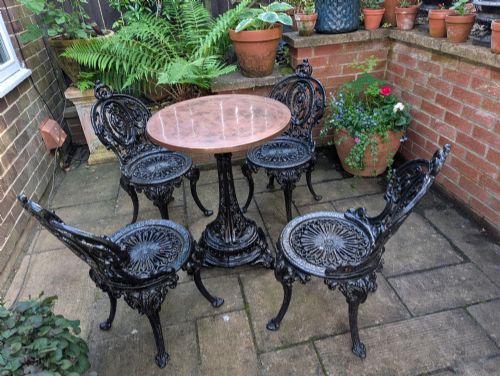
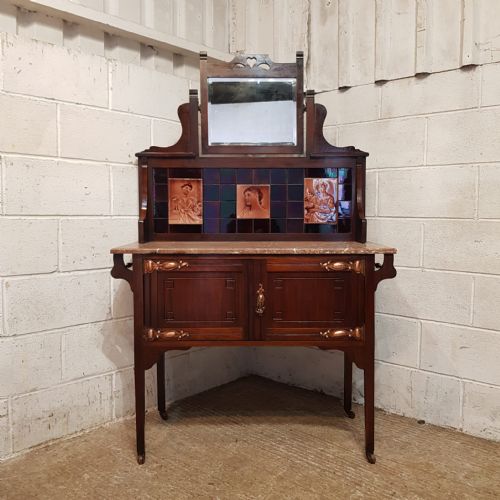
A copper top table encompasses a wide variety of forms designed for dining, resting drinks, or serving, with surfaces made from beaten or sheet metal. When searching for a copper top table, buyers encounter formats ranging from occasional and side tables to large garden dining sets and coffee tables. The pieces span the nineteenth and early twentieth centuries, drawing on traditional country, Victorian, and industrial vernaculars.
The aesthetic leans heavily towards the Arts and Crafts and Art Nouveau movements, alongside Anglo-Indian and French rustic traditions. Oak, mahogany, and hardwood frames frequently support the metal surfaces, often joined by cast iron or brass elements. Octagonal, circular, and rectangular shapes dominate the selection, reflecting both British workshop production and continental European design.
How they were made
Makers utilised sheet copper inset into timber frames or formed as removable trays resting upon metal and wood bases. Oak, mahogany, and walnut provide sturdy foundations, sometimes carved with intricate motifs or paired with heavy cast iron and brass supports for stability.
Surface decoration on the metal involves hand-engraving, piercing, and hammering to create texture and pattern. French rustic and industrial versions display patinated verdigris finishes, while Arts and Crafts examples often show visible rivet work and chased borders.
Pub tables once served to steady pints amid rowdy Victorian evenings now offer sturdy charm to modern morning coffee routines.
What varies in quality
Quality rests in the weight of the metal and the precision of the joinery connecting the copper to the wooden or iron framework. Hand-hammered detailing and crisp engraving distinguish superior workshop production from simpler utilitarian pub tables.
The integrity of the supporting frame, whether carved hardwood or cast iron, dictates the longevity of the piece. Well-preserved patination on the copper surface adds depth, showing age without structural compromise.
Liberty and Co·Heals·B Battioli
The Copper Top Table Glossary
- Arts and Crafts
- A design movement valuing handcraftsmanship, simple forms, and local materials over industrial mass production. This style frequently pairs solid oak frames with beaten copper inserts.
- Verdigris
- A green patina formed naturally on copper or brass through atmospheric oxidation over decades. This weathered surface layer indicates considerable age and exposure.
- Anglo-Indian
- A descriptive term for furniture made in India during the British colonial period, often combining traditional regional carving with European forms. These pieces frequently feature intricate hardwood frames set with engraved or pierced metal tops.
- Bain Marie
- A heated container used to keep food warm, occasionally adapted as a tabletop cabinet or serving surface in vintage contexts. These items incorporate metal containers within structured frames.
- Cricket table
- A small, three-legged occasional table with a round top, traditionally sturdy and stable on uneven floors. Arts and Crafts makers adopted this form using timber bases and metal surfaces.
Copper Top Table: Frequently Asked Questions
How do I clean a copper top?
Wipe the surface with a soft cloth dampened in warm soapy water, avoiding harsh abrasives that remove the historic patina. Dry thoroughly to prevent water marks.
Applying a thin coat of wax helps protect the metal from further oxidation while maintaining its deep colour.
Are these tables suitable for daily use?
Solid construction in oak, hardwood, and cast iron makes these pieces robust enough for regular placement in living spaces and dining areas. Copper naturally marks with use, developing a character that records its history.
Using coasters and mats prevents deep staining while allowing the metal to age gracefully.
How do I date an Arts and Crafts table?
Examine the construction methods, tool marks on the timber, and the style of the metalwork to determine the period of origin. Pieces from this movement often display honest joinery and hand-beaten surfaces.
Matching design motifs to documented workshop patterns helps narrow down the decade of production.
Can I use a garden table indoors?
Iron and copper garden sets adapt easily to indoor sunrooms, conservatories, or kitchens, provided floor protection is used beneath heavy cast iron bases. The weather-resistant materials handle varying indoor climates well.
Checking the scale ensures the proportions suit interior room dimensions rather than open lawns.