



French Iron Cafe Table
A french iron cafe table brings working-class Paris into a kitchen or garden with cool marble and robust metal bases.
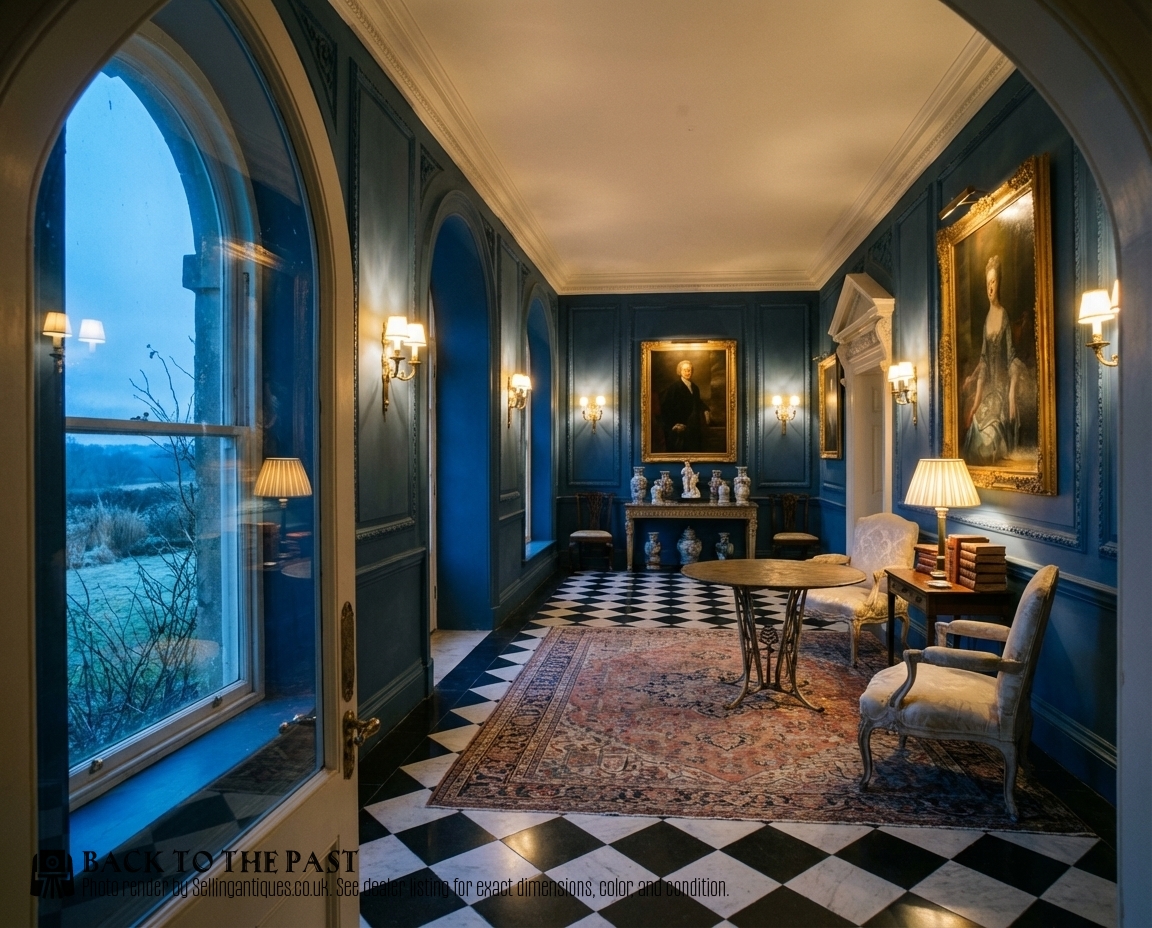
French Iron Cafe Table
When you search for a french iron cafe table, you encounter practical outdoor and indoor furniture designed for commercial social spaces. These pieces served patrons outside pavement bistros and inside crowded cafes across France.
The versions you are most likely to meet on this page span the nineteenth century up through the nineteen-thirties. They take the form of round bistro tables, side tables, and occasional garden dining sets.
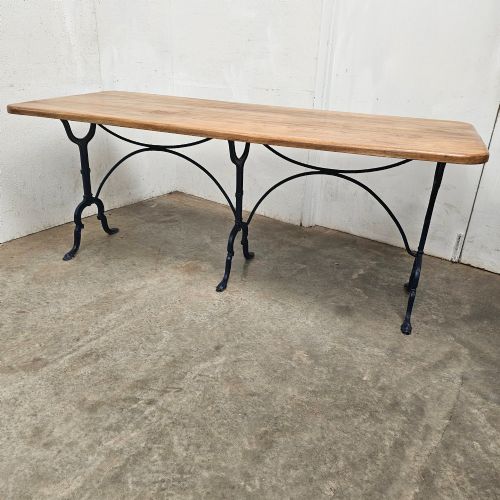
Makers produced these tables in styles including French bistro, French provincial, and French industrial. Many items pair heavy metal structures with contrasting surfaces for daily use.
How they were made
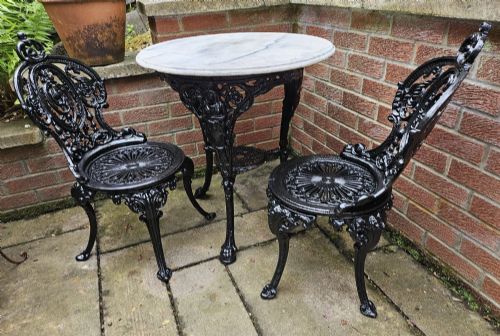
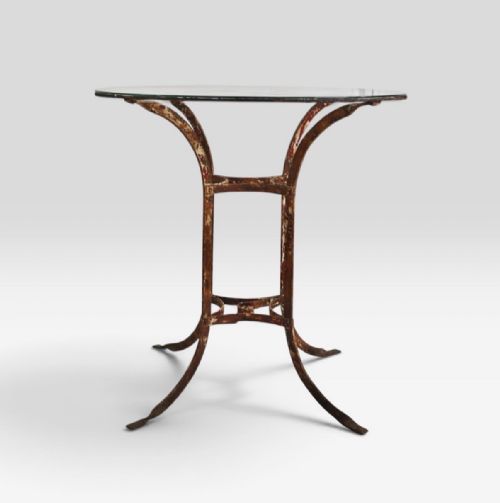
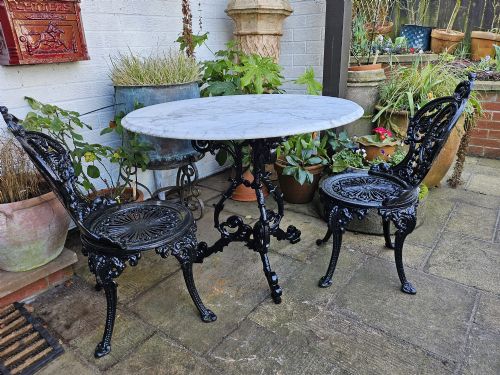
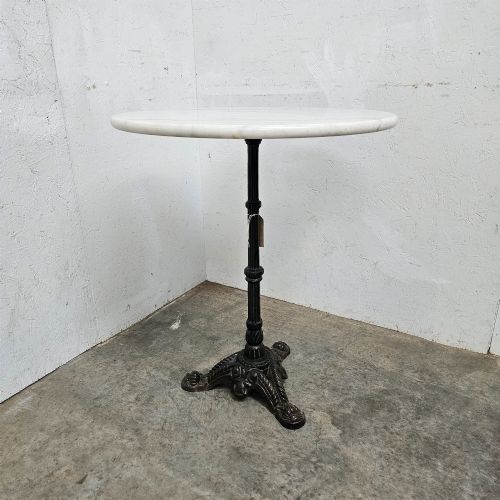
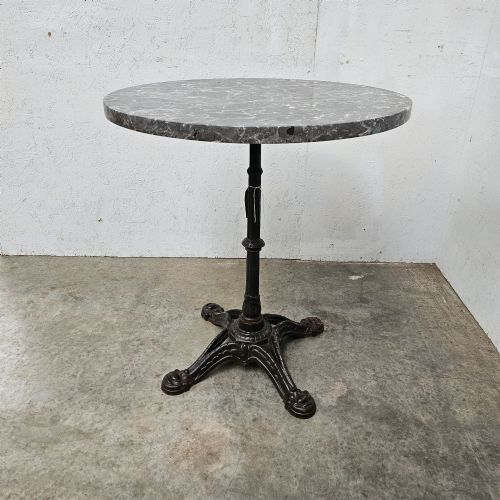
Foundries cast iron into ornate tripod or four-legged bases, sometimes combining wrought iron and brass for structural support. These heavy foundations provided stability on uneven pavement outside Parisian establishments.
Workshops fitted the metal frames with smooth marble tops, frequently in white or green varieties, secured with wooden subframes. Other examples feature durable oak, elm, pine, or painted timber planks.
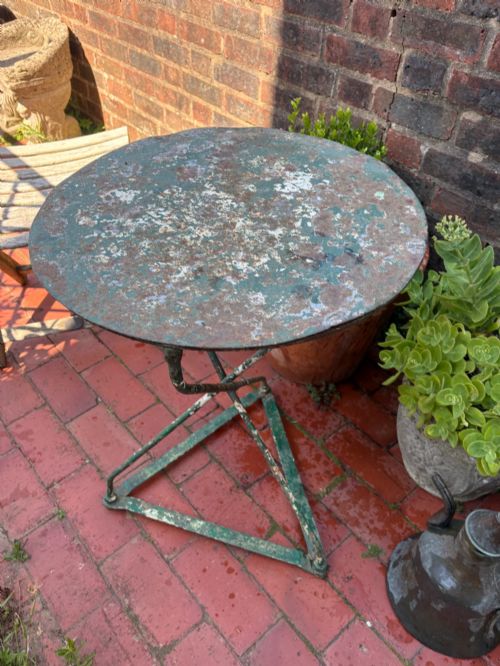
Makers occasionally incorporated copper accents or mosaic tile surfaces to suit specific regional tastes. Original painted finishes often survive in muted garden greens or weathered white.
Many a nineteenth-century cafe table still bears the faint circular ring of a long-vanished absinthe glass on its marble surface.
What varies in quality
The distinction between ordinary utility items and superior examples lies in the crispness of the iron casting and the choice of stone. Finer bases display deep, well-defined relief work rather than soft, mass-produced industrial smoothing.
The thickness and figuring of the marble top significantly influence the character of the piece. Tables retaining their original fitted stone slabs command greater appreciation than later replacements.
Structural integrity depends on the original joining methods between the iron frame and the top. Well-preserved fasteners and unaltered brackets ensure the table remains rigid and balanced.
The French Iron Cafe Table Glossary
- Gueridon
- A small round table on a central pillar, frequently utilised as a side or cafe table in nineteenth-century France. This form supports a compact marble or wooden top above a sturdy cast-iron base.
- Bistro table
- A small dining or cafe table intended for tight commercial spaces. These items typically feature a heavy metal pedestal to maximise legroom for seated patrons.
- Arras furniture
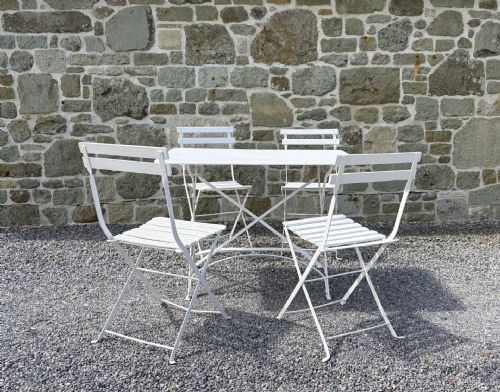
- Heavy iron garden and cafe furniture produced in northern France, known for slatted wooden or metal construction. Collectors prize these durable pieces for their distinctive structural framing.
- Cast iron
- Molten iron poured into a mould to create rigid, decorative table bases. This heavy material prevents outdoor tables from tipping in strong winds.
- Wrought iron
- Iron heated and hammered into shape by hand, resulting in tough, pliable components for cafe table frames. It differs from cast iron through its fibrous, malleable structure.
French Iron Cafe Table: Frequently Asked Questions
Were these tables used outside?
Pavement cafes across France utilised these tables outdoors in all weather conditions, relying on heavy iron bases to prevent tipping in the wind.
Operators stored the lighter models inside overnight while leaving durable cast-iron frames exposed to the elements.
How do I clean a marble top?
Warm water and a soft cloth suffice for routine cleaning of nineteenth-century marble surfaces without damaging the historic patina.
Harsh chemical cleaners strip the polished finish and should be avoided entirely on antique stone.
Can I use them outside now?
Covered patios and sheltered garden terraces suit these iron tables well, provided you protect vulnerable wooden elements from persistent moisture.
During harsh winter months, storing the furniture indoors prevents frost damage to porous stone and painted metal.
How do I date a table?
Makers marks, the method of iron casting, and the type of fasteners underneath offer primary clues for determining the age of a piece.
Earlier nineteenth-century examples often display hand-forged elements, whereas nineteen-thirties models show more standardised industrial production.