



French Garden Table
A French garden table brings enduring outdoor charm, pairing sturdy metal bases with classic marble, wood, or zinc surfaces.
French Garden Table
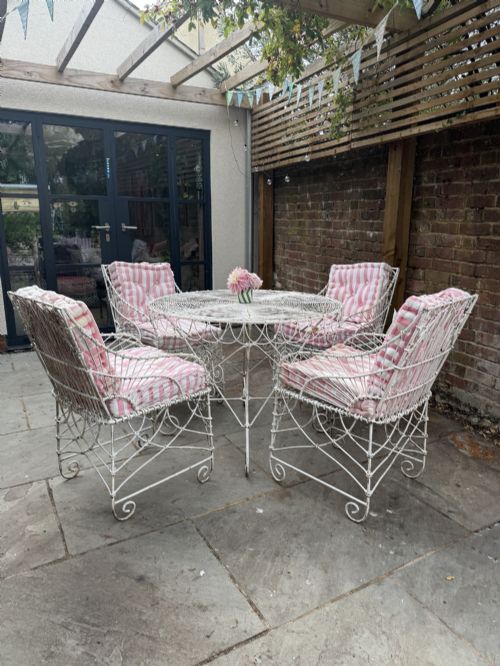
A french garden table bridges the gap between functional outdoor furniture and decorative interior display, appearing in forms from compact bistro tables to long console tables and complete dining sets. These pieces originate primarily from the nineteenth century through the early decades of the twentieth century, reflecting periods such as the Victorian era, Edwardian period, and the 1920s and 1930s.
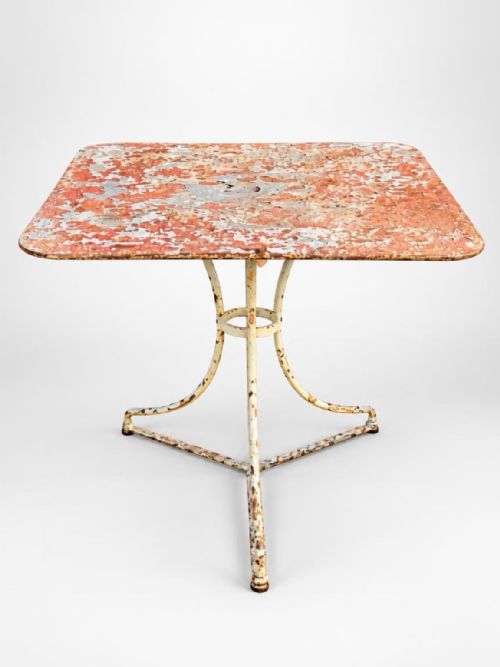
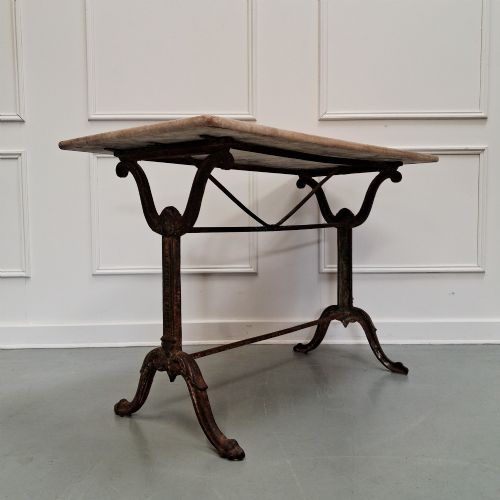
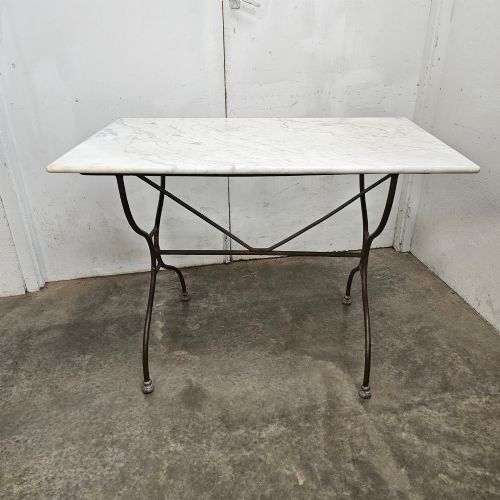
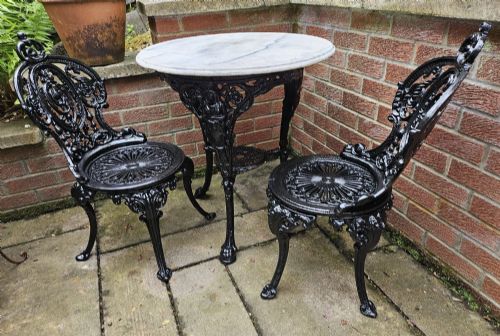
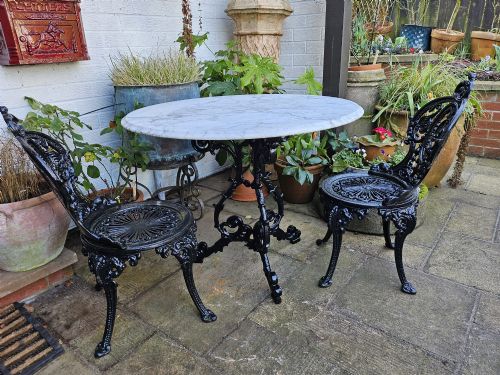
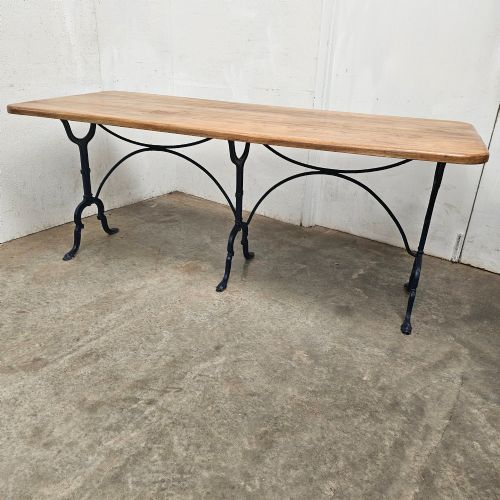
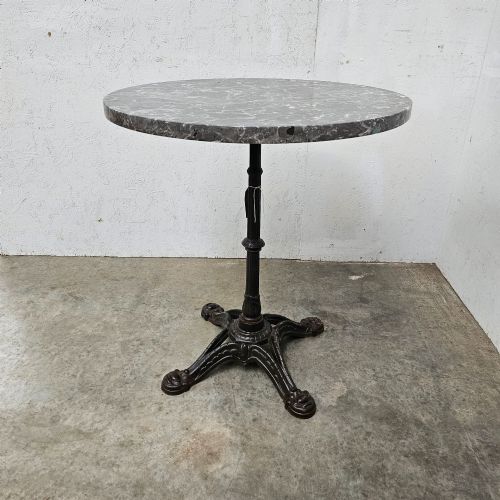
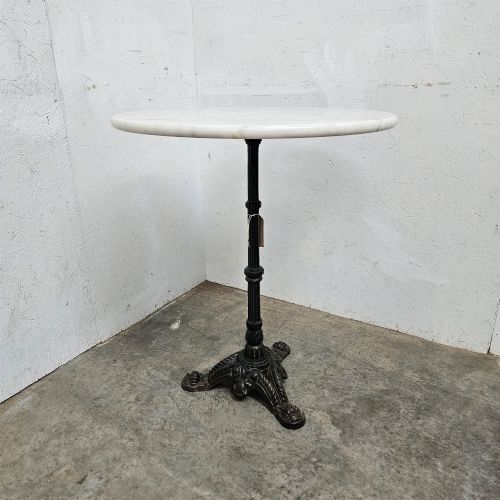
The version most commonly encountered on this page combines a heavy metal base with a smooth top, designed originally for pavement cafes, conservatories, and sheltered garden terraces. These surfaces take many shapes, utilising materials like white or green marble, solid oak, elm, zinc, copper, and pierced iron.
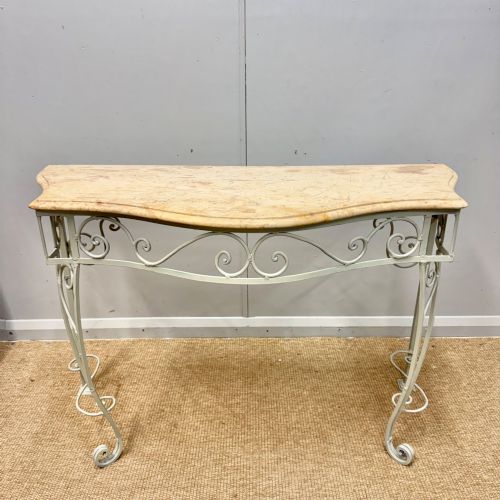
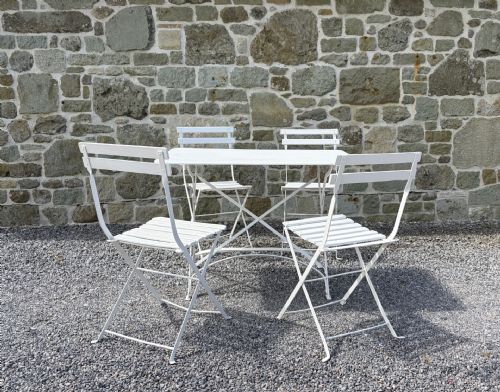
Beyond standard dining formats, the selection includes specialised forms such as low tables, plant stands, and folding cafe tables that were built for easy storage. Their styling spans rustic French country and provincial designs to industrial cast iron frameworks and decorative wirework.
How They Were Made
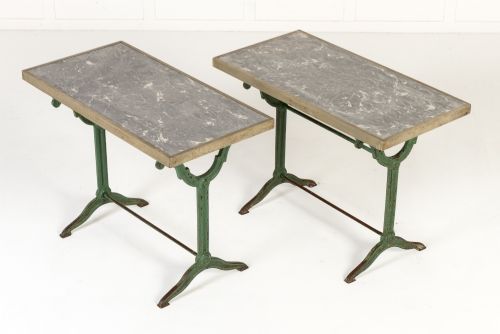
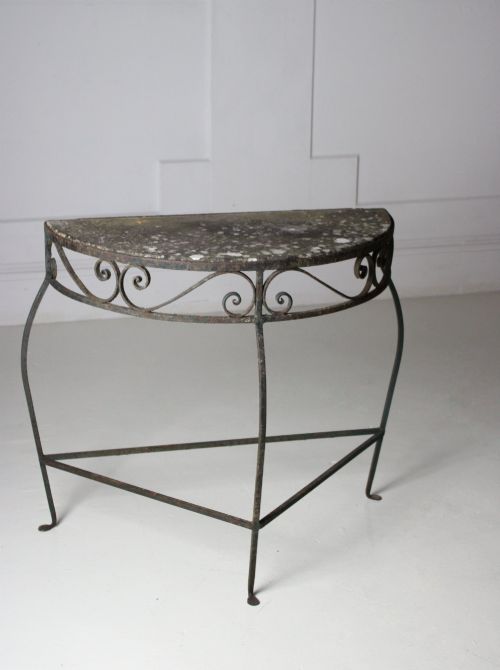
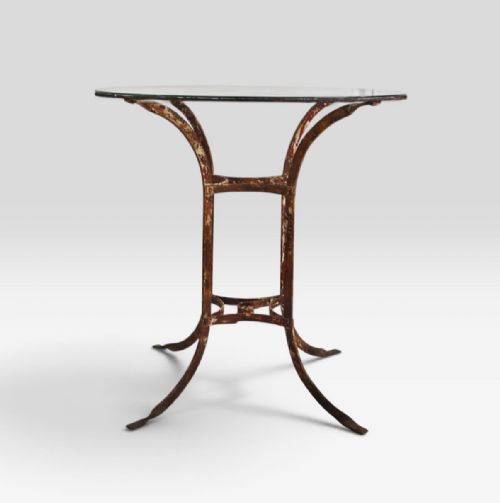
Makers constructed these tables using robust structural metals, employing cast iron and wrought iron for sturdy legs, scrolling bases, and decorative brackets. These iron elements were frequently painted, leaving layers of historic green or dark pigment that now show authentic weathering.
Table surfaces paired these metal bases with contrasting materials suited to daily use, setting thick slabs of marble, heavy wooden planks of oak and elm, or folded sheets of zinc and verdigris copper into the iron frames. Specialised techniques like strapp work and wirework appear on lighter terrace pieces.
French Garden Table Retail Price Guide 2026
Typical asking prices for french garden table among the pieces listed under this phrase on Sellingantiques today, from the lower quarter to the upper quarter. They describe what is for sale here now, not the wider market.
Materials recorded on this page include cast iron, wrought iron, marble, oak, elm, zinc, copper, wirework, and mosaic.
What Varies in Quality
The distinction between standard utility tables and superior examples rests on the complexity of the ironwork casting and the integrity of the fitted top. Tables featuring intricate pierced iron patterns, heavy marble slabs with rich veining, or original patinated painted surfaces represent the upper echelon of craftsmanship.
Proportion and structural harmony also dictate worth, as well-balanced gueridon rounds and matching dining sets command greater visual presence than utilitarian folding variants. Originality of materials, such as untouched antique zinc or matching chair sets, elevates the standing of any piece.
The French Garden Table Glossary
- Gueridon
- A small round table supported by a single central pillar or pedestal. These compact tables often feature marble tops and decorative cast iron tripod bases.
- Bistro table
- A small dining table originally designed for commercial cafes and pavement terraces. They typically seat two to four people and combine metal bases with wood or marble surfaces.
- Arras
- A distinct style of French metal garden furniture characterised by riveted iron strapwork and curved legs. Pieces bearing this attribution originate from the northern French town known for metalworking.
- Console table
- A table designed to be placed flat against a wall, frequently featuring a narrow rectangular marble top. In garden settings, these often served in orangeries and conservatories.
- Verdigris
- A green patina formed naturally on copper, brass, or bronze surfaces through atmospheric weathering. This chemical ageing creates the characteristic aged finish seen on antique metal tops.
French Garden Table: Frequently Asked Questions
Where were these tables used originally?
These tables served primarily in outdoor cafe terraces, shaded garden courtyards, and domestic conservatories or orangeries throughout France. Their robust construction allowed them to withstand daily commercial use and changing weather conditions.
Over time, many migrated indoors to function as kitchen prep surfaces, side tables, or decorative console furniture in living spaces.
How do I care for an antique marble top?
Marble surfaces require gentle cleaning with mild, pH-neutral soap and warm water to protect the stone from staining and acid etching. Avoid harsh chemical cleaners or abrasive scouring pads that can damage the polished finish.
Applying a specialised stone sealer helps guard against moisture absorption and everyday wear in both indoor and outdoor settings.
Are folding tables sturdy?
Period folding mechanisms were engineered for practical daily setup and takedown by cafe staff, utilising robust iron hinges and pivot joints. While they fold flat for convenient storage, their heavy metal construction ensures stable placement when opened.
Checking the pivot points and locking braces periodically helps maintain their structural integrity during regular use.
Can I leave iron furniture outside all year?
While cast and wrought iron are durable, prolonged exposure to harsh winter moisture can accelerate rust formation on unprotected metal and wooden elements. Storing pieces in a dry shed or conservatory during extreme weather extends their lifespan.
Maintaining the painted surface with appropriate protective coatings prevents moisture penetration while preserving the historic patina.