



Vintage Metal Plant Stand
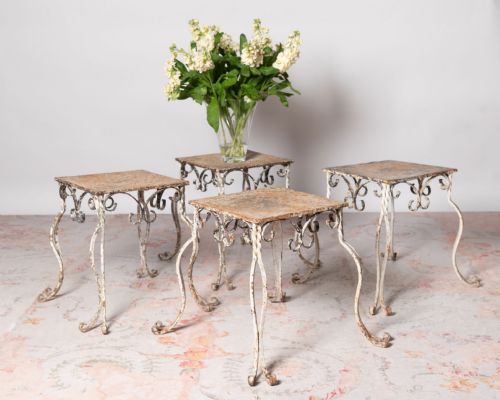
A vintage metal plant stand brings structural poise and botanical display together through enduring materials like wrought iron, brass, and cast iron.
Vintage Metal Plant Stand
A vintage metal plant stand encompasses a range of practical display furniture designed to elevate greenery within domestic rooms, conservatories, and gardens. Buyers exploring this category encounter sturdy structural supports created to hold pots, jardinieres, and urns at varying heights.
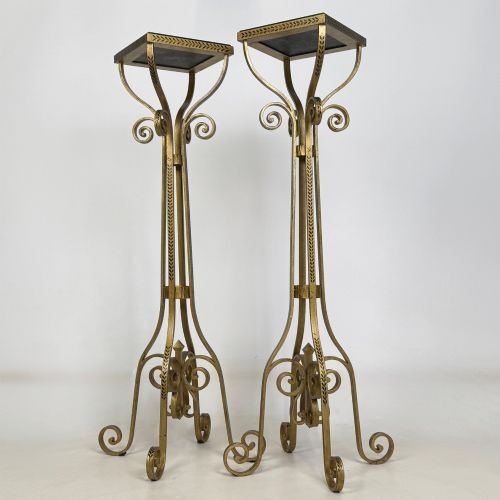
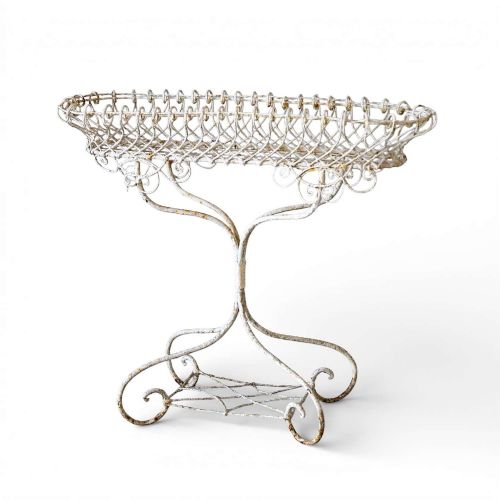
The selections span distinct periods from the nineteenth century through the mid twentieth century, incorporating Victorian, Edwardian, and Art Nouveau influences. Forms vary from tiered wirework stands and bakers racks to heavy cast iron garden tables and delicate brass pedestals.
Most examples originate from English and French workshops, utilising durable metal frameworks suited to both indoor conservatories and outdoor patios. These stands frequently integrate decorative elements such as scrollwork, lattice baskets, and painted finishes.
How they were made
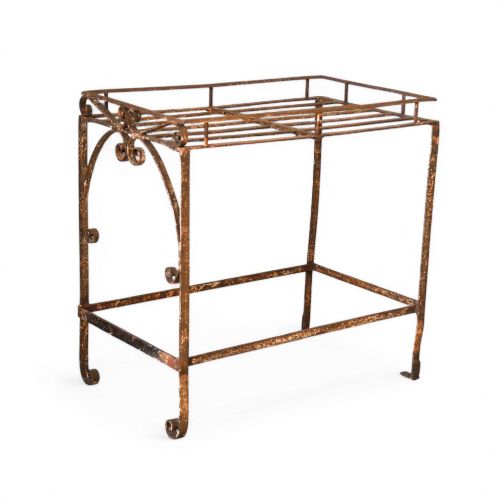
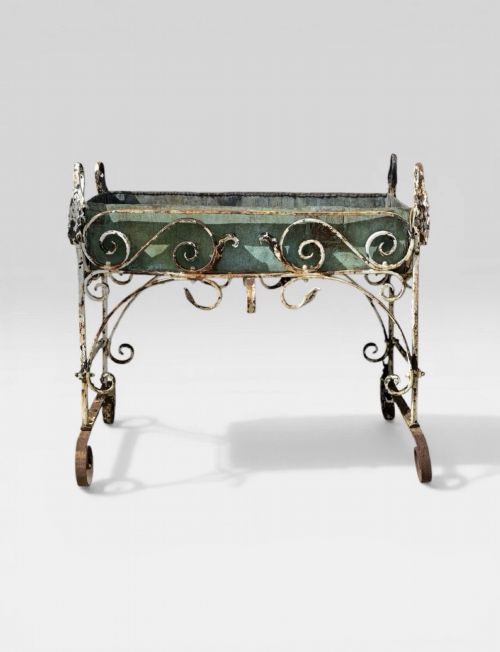
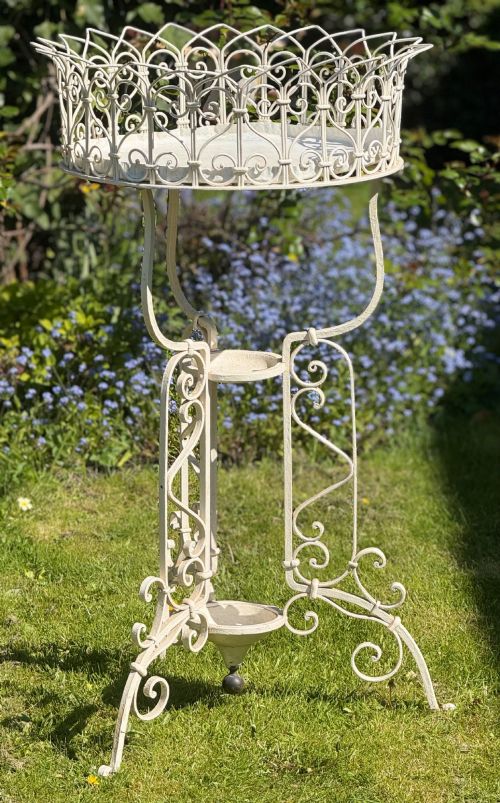
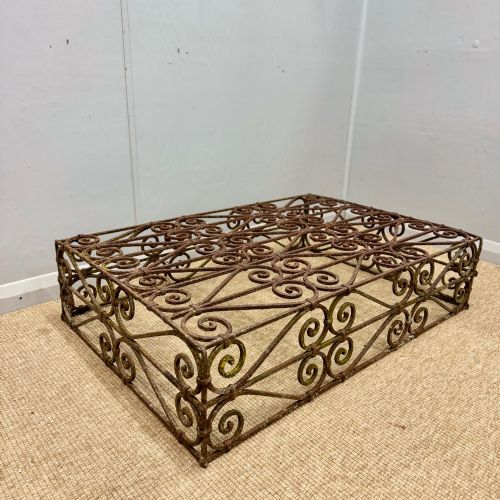
Makers utilised resilient metals including wrought iron, cast iron, and brass, shaping them through forging, casting, and riveting. Wrought iron components display hand-worked scrollwork and structural wirework formed into tiered or basket configurations.
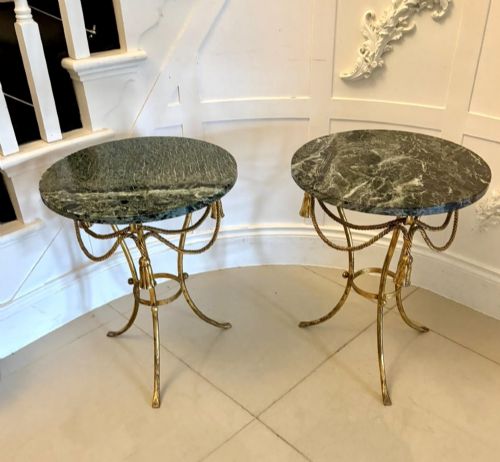
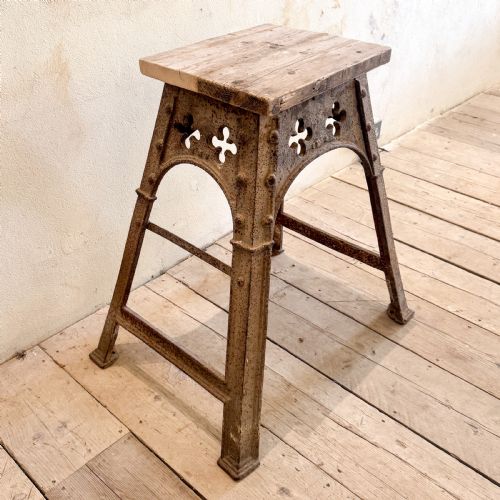
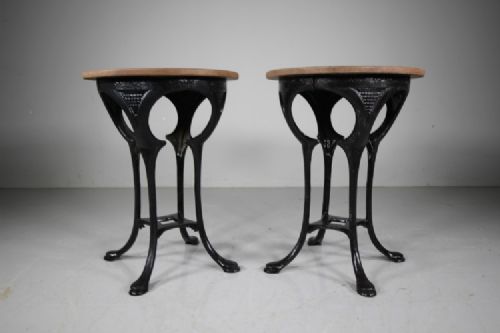
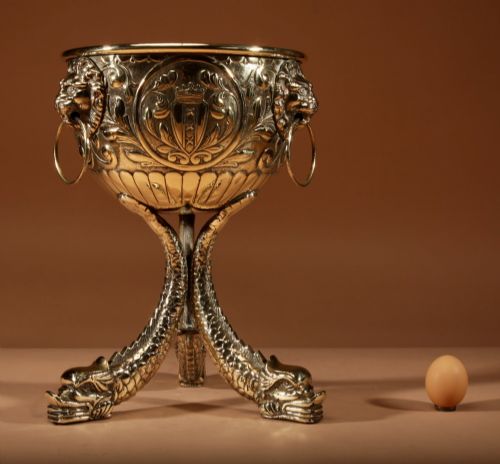
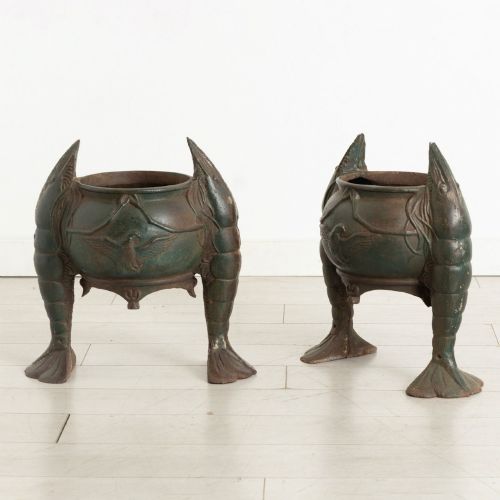
Cast iron elements offer heavy stability, often shaped into ornate urns, birdcages, and tripod bases with decorative surface detailing. Brass and copper sections receive embossing, chiseled ornamentation, or engraved tray surfaces, occasionally paired with marble or onyx tops.
What varies in quality
The caliber of a stand rests upon the dexterity of the metalwork, distinguishing standard utility items from finely detailed artistic pieces. Superior examples exhibit intricate hand-forged scrollwork, crisp casting definition in iron or brass, and harmonious proportions.
Material integration also dictates standard, with higher tiers combining metals with quality inset marble, ormolu mounts, or original painted surfaces. The integrity of structural joints and the retention of original stands or liners determine the standing of each piece.
Archibald Knox
The Vintage Metal Plant Stand Glossary
- Jardiniere
- An ornamental pot or stand for holding plants or flowers. These vessels often sit upon dedicated matching metal or wooden frames.
- Wrought iron
- Iron that is hammered and bent into shape while hot. This material allows makers to produce flexible scrollwork and strong structural frames.
- Cast iron
- Iron poured into a mould to create solid decorative forms. This method produces heavy garden urns, table bases, and plant stands with raised ornamentation.
- Wirework
- Metal strands bent and welded into open lattice structures. This technique creates lightweight yet sturdy tiered plant stands suited for conservatories.
- Ormolu
- Gilded bronze or brass mounts applied as decorative highlights. This finish appears on sophisticated nineteenth century furniture and plant stands.
- Dinanderie
- Objects made of beaten and engraved brass or bronze. This term describes decorative planters and vessels produced in European workshops.
Vintage Metal Plant Stand: Frequently Asked Questions
How were vintage metal plant stands used?
These stands functioned primarily to elevate potted plants, ferns, and floral arrangements off the floor to catch better light in Victorian drawing rooms and conservatories. Sturdier iron versions served practical roles on patios and garden terraces to display heavy urns.
Indoors, smaller brass and wirework tiers brought greenery into living spaces while protecting wooden floors from moisture. They acted as both functional garden furniture and decorative display surfaces for botanical collections.
Where should I place a metal plant stand?
Indoor placements suit conservatories, hallways, and living areas where wirework or brass stands hold trailing plants and potted ferns. Weathered cast iron and wrought iron stands transition naturally to outdoor patios, garden corners, and balconies.
Consider the weight of the stand and the pots it will hold when choosing a location. Ensure indoor surfaces are protected if the metalwork shows historic weathering or drainage holes.
How do I care for a vintage metal plant stand?
Maintenance depends on the specific metal and finish, requiring gentle cleaning to preserve painted or patinated surfaces. Keep iron stands dry to prevent active rusting, applying appropriate protective waxes or oils if kept outdoors.
Avoid harsh chemical cleaners that strip historic patinas from brass, copper, and painted iron. Regular dusting and careful placement away from standing moisture preserve the structural integrity of the metal.
How can I tell the period of a plant stand?
Dating relies on observing manufacturing techniques, material combinations, and stylistic motifs present in the ironwork or brass. Nineteenth-century examples often feature hand-forged wrought iron scrollwork or heavy Victorian cast iron construction.
Later Edwardian and twentieth-century pieces incorporate lighter wirework structures, industrial elements, or Art Nouveau decorative details. Comparing the joinery, such as riveted joints versus modern welding, helps confirm the era.