

Edwardian Brass Stand
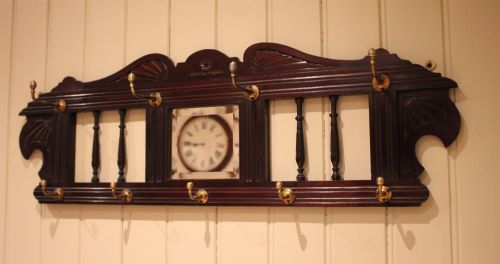
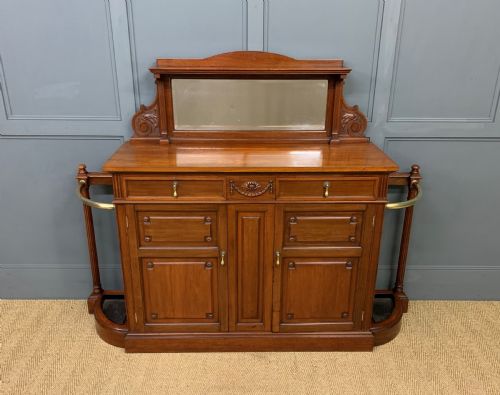
An edwardian brass stand brings functional elegance to a hallway or reception room, offering a durable and polished home for umbrellas, walking sticks, or lamps.
Edwardian Brass Stand
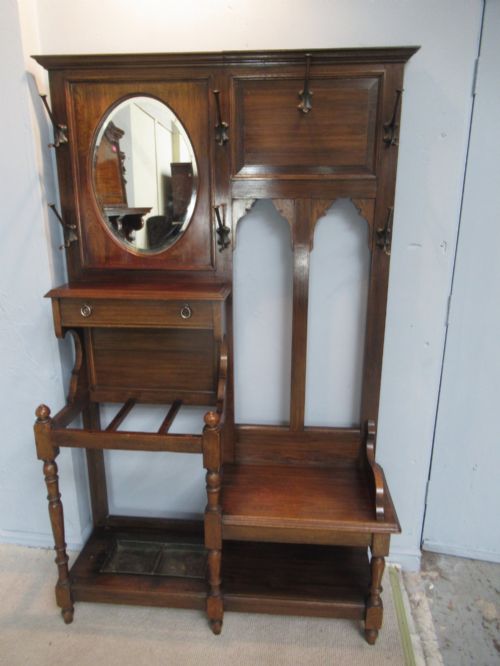
The edwardian brass stand category encompasses practical household furnishings designed primarily for hallways and principal rooms, with umbrella and stick holders dominating the selection alongside standard lamps. These pieces reflect the domestic priorities of the early twentieth century, combining utility with polished metallic display.
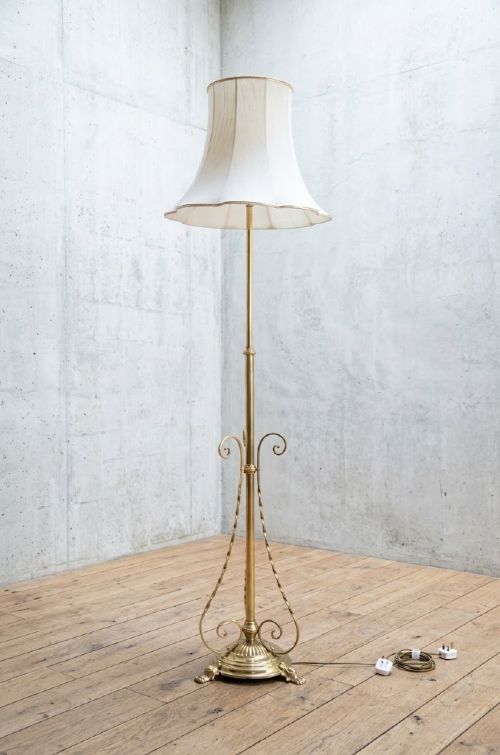
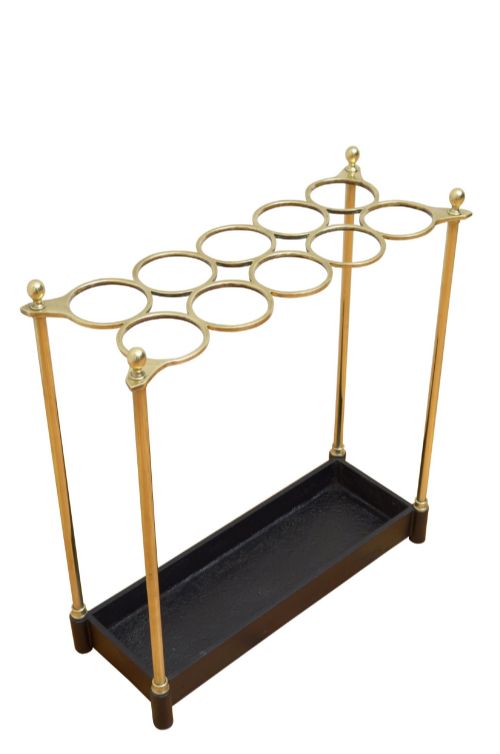
Buyers encountering this group will frequently find half-moon or demi-lune umbrella racks, alongside cast brass standard lamps featuring Corinthian columns. Such items were manufactured to service the Edwardian household, utilising heavy metals and substantial bases to ensure stability during daily use.
How they were made
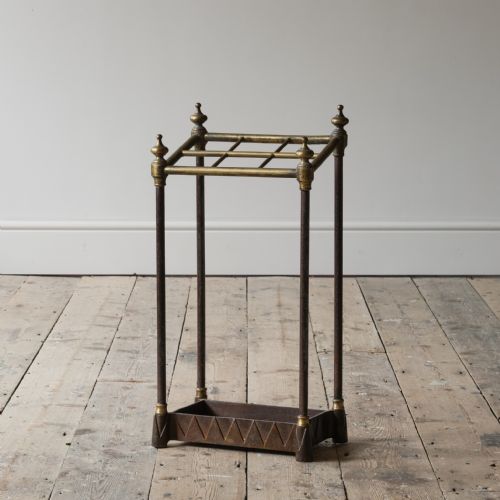
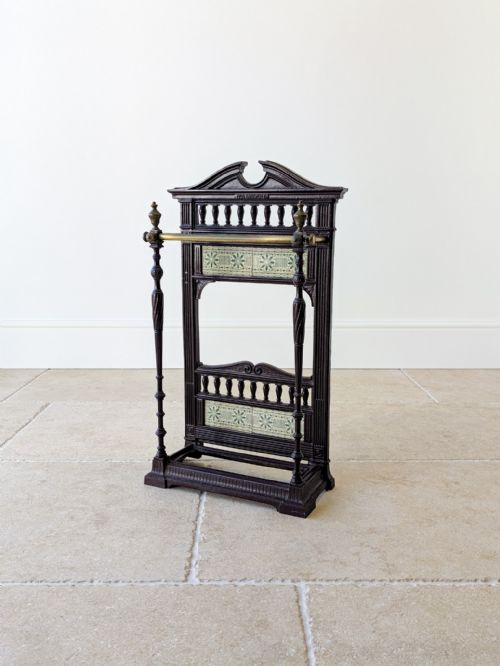
Makers utilised cast brass for structural rigidity and decorative detail, frequently combining the metal with cast iron inner frames or weighted bases to support tall umbrella racks and floor-standing lamps. This pairing provided the necessary heft to withstand the daily loading of wet umbrellas and heavy walking sticks.
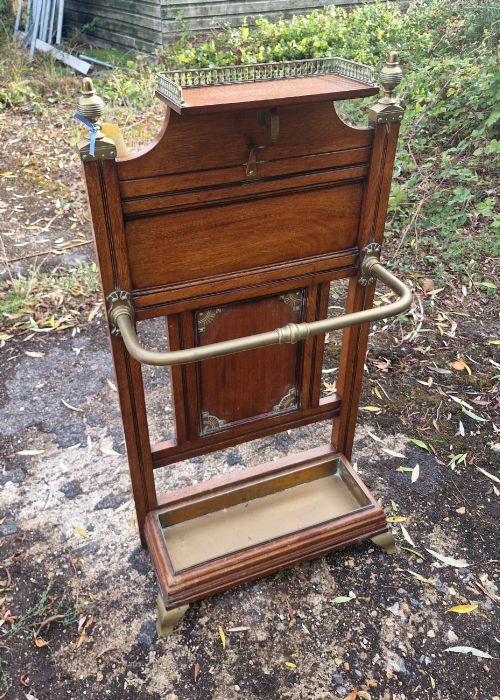
Surface finishing involved polishing, lacquering, or incorporating complementary materials such as oak, mahogany, and copper trim. Joinery on hybrid pieces relied on traditional cabinet-making methods, while metal components employed casting, turning, and riveting techniques typical of the period.
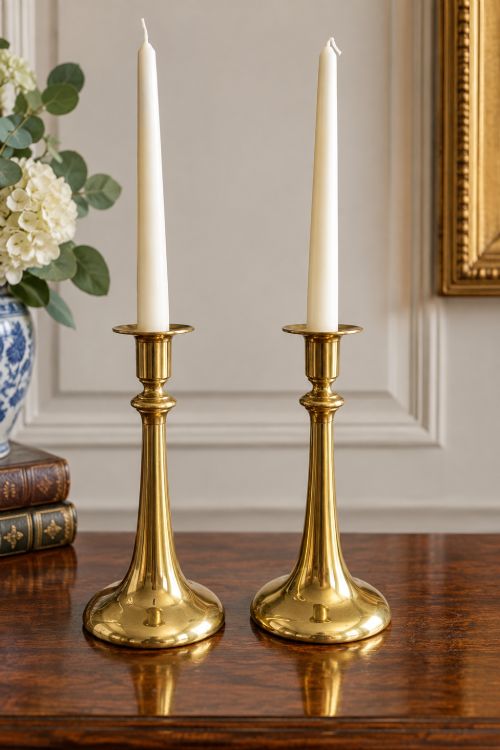
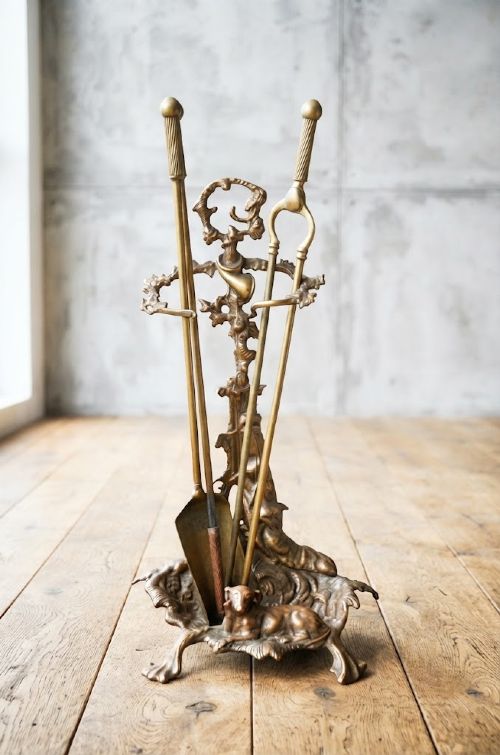
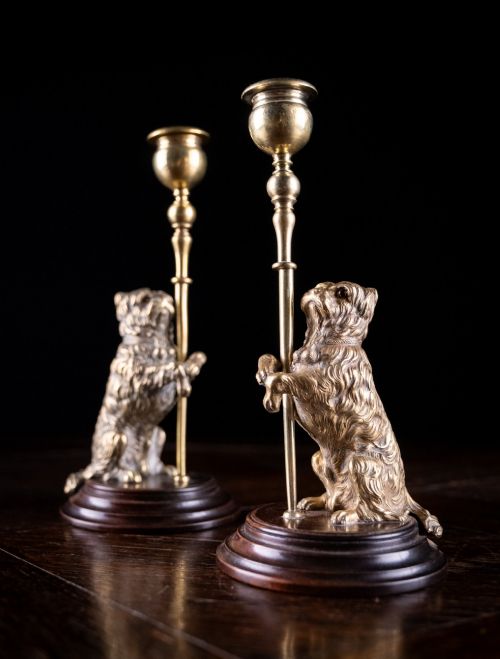
Standing terrier dogs occasionally hold your candlesticks, guarding the flame with unwavering canine loyalty.
What varies in quality
Quality in an edwardian brass stand is determined by the weight of the metal, the crispness of the casting details, and the structural integrity of any secondary wood or iron components. Heavier gauge brass and deeply chased ornamentation indicate superior workshop production rather than mass-market output.
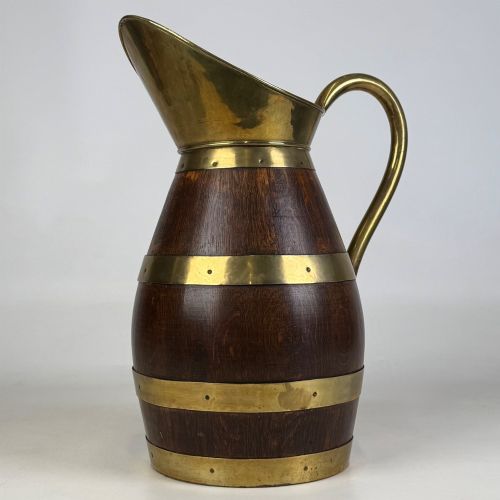
The preservation of original drip trays, stable vertical alignment, and uncompromised structural joints separate robust examples from compromised or heavily restored pieces. Finer iterations display thoughtful integration of materials, such as solid oak frames bound securely with brass fittings.
Coalbrookdale·Shoolbred & Co.
The Edwardian Brass Stand Glossary
- Demi-lune
- A half-moon shape commonly found in umbrella and stick stands designed to sit flush against a hallway wall.
- Corinthian column
- An architectural column style featuring an ornate capital decorated with acanthus leaves, frequently utilised on standard lamp uprights.
- Cast iron
- A sturdy alloy used for the internal frames and weighted bases of umbrella stands to prevent tipping.
- Standard lamp
- A tall floor-standing lamp, often height-adjustable, designed to illuminate large reception rooms.
- Drip tray
- A removable metal base plate positioned beneath umbrella racks to catch moisture from wet sticks.
Edwardian Brass Stand: Frequently Asked Questions
Where were these stands placed in the home?
These items were traditionally positioned in entrance halls, vestibules, or corridors to receive visitors and manage outdoor gear.
Lamp stands occupied principal reception rooms, providing adjustable illumination near seating areas.
How do I care for Edwardian brass?
Maintain the surface by dusting regularly with a soft, dry cloth to prevent the accumulation of grime.
Avoid abrasive cleaners that strip the historic patina, opting instead for gentle preservation methods suited to antique metalwork.
Are these pieces suitable for daily use?
Solid construction and heavy weighted bases make these items well-equipped for contemporary hallway applications.
Care should be taken with moisture retention in umbrella racks to protect historical metal surfaces from prolonged water exposure.
How can I distinguish an Edwardian stand from later reproductions?
Examine the construction methods, casting quality, and natural wear patterns visible on the brass and underlying iron.
Period pieces display genuine age-related patination and construction techniques consistent with early twentieth-century manufacturing standards.