


Tall Brass Plant Stand
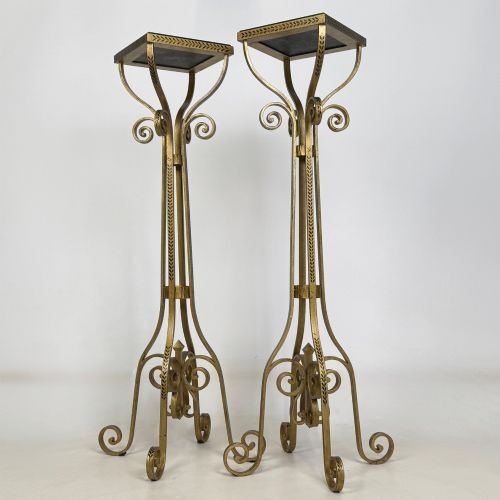
These tall brass plant stand pieces elevate greenery and interiors, bringing nineteenth and twentieth century metalwork and timber into your rooms.
Tall Brass Plant Stand
A tall brass plant stand combines structural metalwork with timber tops, offering a raised platform for indoor foliage or decorative urns. The selection on this page draws from nineteenth century origins through to the nineteen twenties, embracing periods such as the Edwardian era and nineteen hundred.
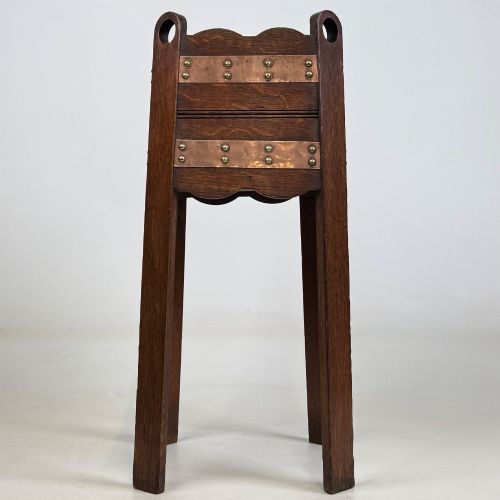
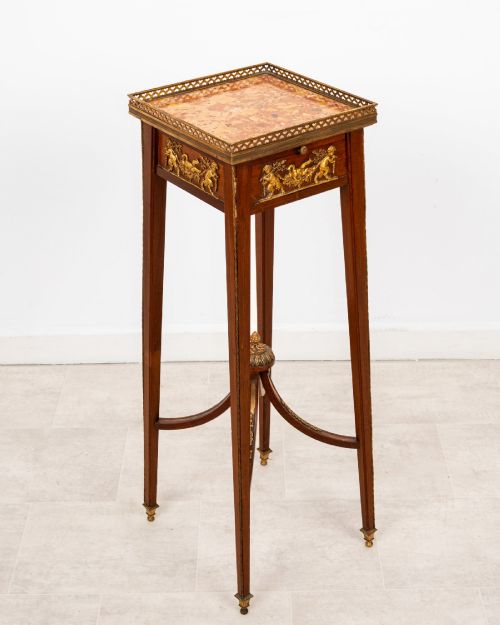
Forms span specialised jardiniere stands, torcheres, and occasional tables adapted for botanical display. You encounter French Louis styles, Art Nouveau curves, Amsterdam School geometry, and English oak coopered barrels alongside simpler brass and mahogany designs.
Makers and designers from these periods utilised varied regional aesthetics, creating pieces that function equally well as lamp tables or side supports. The tall profile ensures plants catch the light while adding vertical interest to a corner or hallway.
How They Were Made
Construction relies upon combinations of cast or sheet brass paired with hardwoods like mahogany, walnut, and oak. Ormolu details and gilded iron occasionally reinforce the metal framework, while marble and onyx provide heavy, stable surfaces for heavy pots.
Coopered wooden barrels utilise traditional stave construction bound by brass hoops, creating watertight planters. Cast brass stands frequently incorporate pierced ornamentation, scrollwork, or geometric motifs characteristic of Art Nouveau and Gothic revivals.
Some tall stands double as hanging bird cages, proving that Victorians liked their ferns to share airspace with avian vocalists.
What Varies in Quality
Quality rests upon the weight of the brass and the fidelity of the period style, whether French Neoclassical or Amsterdam School. Finer examples display crisp casting details on the metal mounts and careful joinery in the underlying mahogany or walnut frames.
The choice of inset top also dictates the tier of the piece, with polished rouge marble and onyx commanding greater presence than standard timber surfaces. Original stands retain their matched components, whereas married tops or replaced brass elements shift the balance of authenticity.
The Tall Brass Plant Stand Glossary
- Jardiniere
- An ornamental stand or pot designed specifically for holding flowers and plants. These vessels often feature brass liners or coopered wooden staves.
- Torchere
- A tall, slender stand originally intended to support a torch or candelabrum, later adapted for lamps and tall floral displays.
- Ormolu
- Gilded bronze or brass applied as decorative mounts on furniture and stands. This technique imparts a rich golden finish to nineteenth century pieces.
- Coopered
- Made with wooden staves fitted together and bound by metal hoops, typical of barrel-form plant holders.
- Onyx
- A banded variety of chalcedony used for smooth, decorative table tops. It adds natural pattern and cool weight to occasional stands.
Tall Brass Plant Stand: Frequently Asked Questions
How do I use a plant stand?
Position the stand in a well-lit corner or beside seating to elevate potted greenery and draw the eye upward.
Many examples double as occasional tables or torchere supports for lamps when plants are absent.
Are marble tops original to the stands?
Many Edwardian and nineteen hundred pieces were manufactured with fitted marble or onyx inserts to support damp plant pots safely.
Checking the fit against the timber or brass gallery helps confirm its period integrity.
How do I identify Art Nouveau stands?
Art Nouveau pieces from the early twentieth century display flowing, organic lines and stylized floral motifs in the brass work.
Dutch and continental examples often showcase these sinuous curves more prominently than strict English designs.
Can these stands support heavy pots?
Stands built with solid mahogany, oak frames, and heavy stone tops offer considerable structural support for large plants.
Lighter brass wire or pierced frames suit more delicate ferns and decorative urns.