


Gold Metal Plant Stand
A gold metal plant stand lifts greenery into the light with enduring architectural grace.
Gold Metal Plant Stand
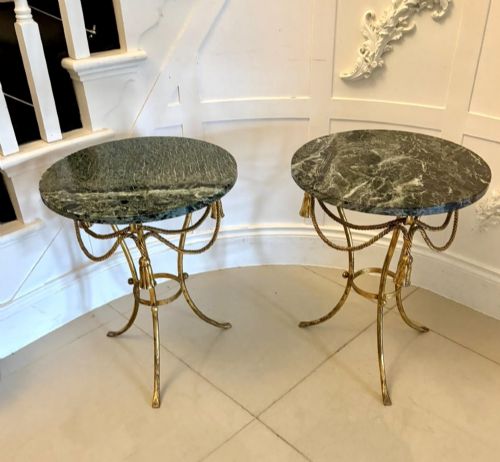
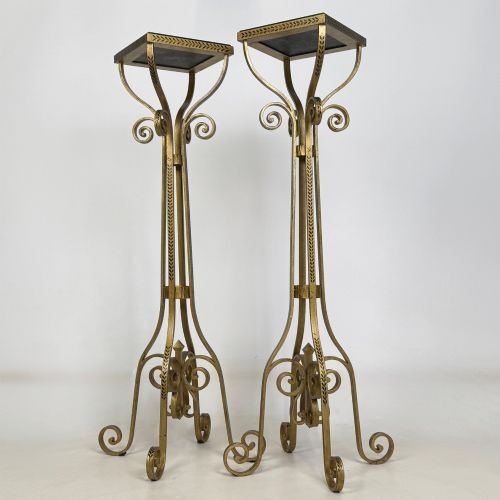
A gold metal plant stand brings classical elevation and botanical display together in domestic interiors. These furnishings take forms such as plant stands, jardiniere stands, pedestal tables, and side lamps, often paired with bowls or surfaces for holding flora.
The gold metal plant stand appears across multiple eras, stretching from Victorian and Edwardian periods through the 1920s, 1930s, and 1940s. Buyers frequently encounter brass, gilt metal, and gilded iron constructions originating from diverse stylistic traditions.
Makers and designers from these periods adopted aesthetic movements ranging from Art Nouveau and French Rococo Revival to Amsterdam School, Gothic, and Hollywood Regency styles. This variety ensures that a gold metal plant stand serves utilitarian horticulture and decorative display alike.
How they were made
Makers utilised cast and pressed brass, gilded iron, and chiseled brass alongside secondary elements of marble, verde marble, onyx, glass, and toleware. Metal frameworks were shaped into intricate stands, pedestals, and birdcages to support heavy stone tops and botanical vessels.
The combination of metalwork with inset stone slabs required precise joinery to balance the weight of marble or onyx surfaces within slender frames. Pressed and cast techniques allowed workshops to produce elaborate plant stands with sustained structural integrity.
Some stands doubled as birdcages, allowing singing pets to share the botanical canopy.
What varies in quality
The refinement of the metalwork distinguishes higher tiers of production, particularly where chiseled brass or cast brass details display crisp definition. The integration of inset verde marble, onyx, or glass tops also elevates the material richness of the piece.
Stylistic execution creates distinction, as seen in balanced proportions across Art Nouveau or French Rococo Revival forms compared to simpler utilitarian variants. Structural unity between the metal frame and the stone or glass insert marks the distinction in manufacturing standard.
The Gold Metal Plant Stand Glossary
- Jardiniere
- An ornamental stand or pot designed to hold plants and flowers. These vessels often sit atop dedicated metal or wooden pedestals.
- Toleware
- Painted or lacquered metalware manufactured for domestic use. This technique appears on decorative small tables and decorative stands.
- Onyx
- A banded variety of chalcedony stone utilised for decorative tabletops. It provides a polished surface contrasting with brass frames.
- Verde Marble
- A green decorative marble often quarried for architectural and furniture inserts. It is frequently paired with gilt metal bases.
- Pedestal
- An architectural support column elevating a table or plant holder. These structures offer vertical emphasis in room layouts.
Gold Metal Plant Stand: Frequently Asked Questions
How were plant stands used historically?
These stands elevated potted greenery, ferns, and flowering plants to catch natural light in Victorian and Edwardian reception rooms. They acted as focal points for interior botany.
Beyond holding plants, many functioned as side tables or lamp stands for displaying decorative objects in domestic spaces.
What materials are common in these stands?
Construction relies heavily on brass, gilt metal, and gilded iron for the structural frameworks and bases. These metals provide sturdy support for heavier decorative elements.
Inlay surfaces frequently incorporate white or verde marble, onyx, and glass, whilst toleware appears in specific decorative variants.
How do I identify the period of a stand?
Stylistic indicators such as organic Art Nouveau curves or ornate French Rococo Revival motifs point toward specific late nineteenth and early twentieth-century eras. Structural methods like cast versus pressed brass offer further chronological clues.
Materials like onyx and verde marble were particularly favoured during the Edwardian and interwar decades.
Are these stands suitable for modern homes?
Their slender metallic profiles allow them to fit into compact corners or beside seating areas without overwhelming contemporary floor plans. They serve well for modern houseplant displays.
The mix of brass, marble, and glass complements both minimalist and eclectic interior schemes.