


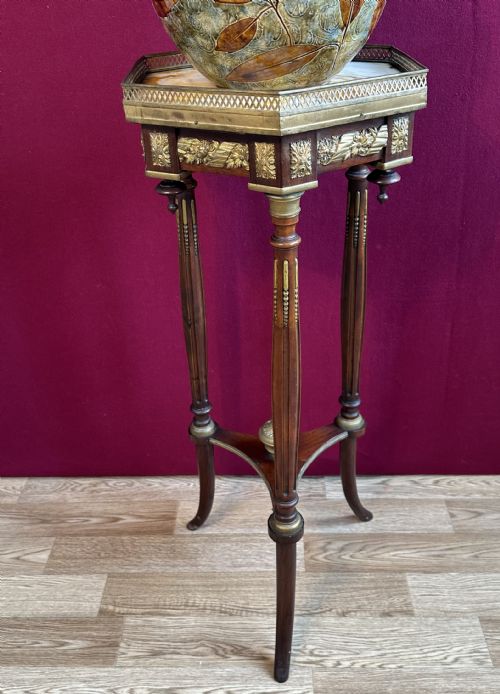
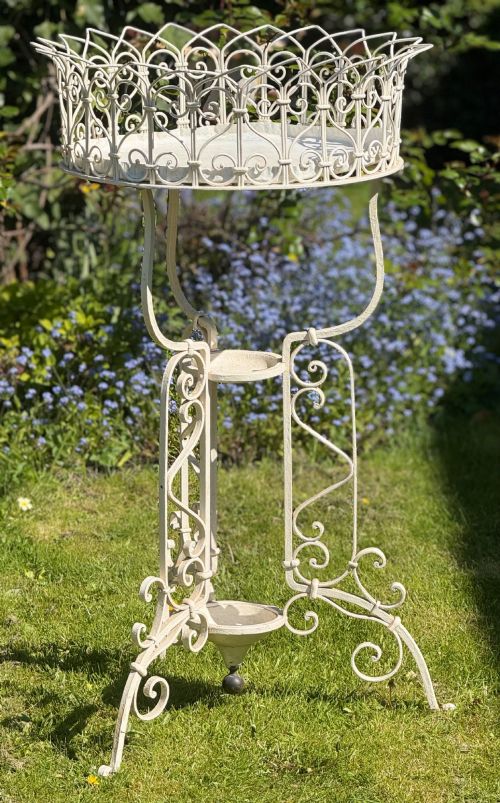


Victorian Jardiniere Stand
A victorian jardiniere stand elevates greenery within the home, combining a supportive base with a decorative vessel to display prized plants.
Victorian Jardiniere Stand
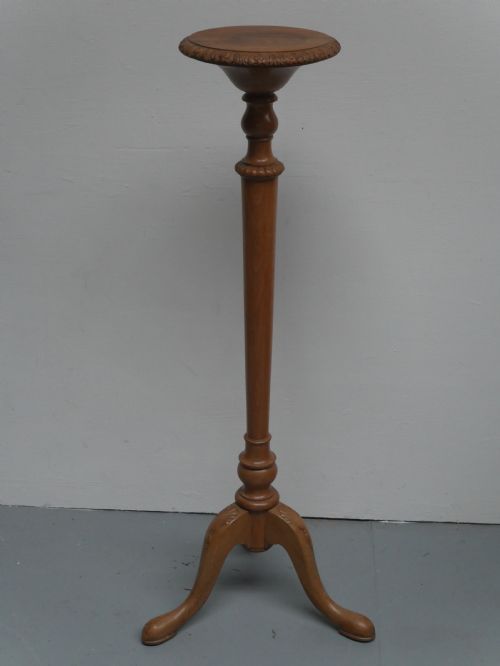
A victorian jardiniere stand typically comprises a tall pedestal column paired with a matching bowl or planter top designed to display indoor foliage. These pieces span the nineteenth century into the early twentieth century, appearing in domestic interiors, conservatories, and halls.
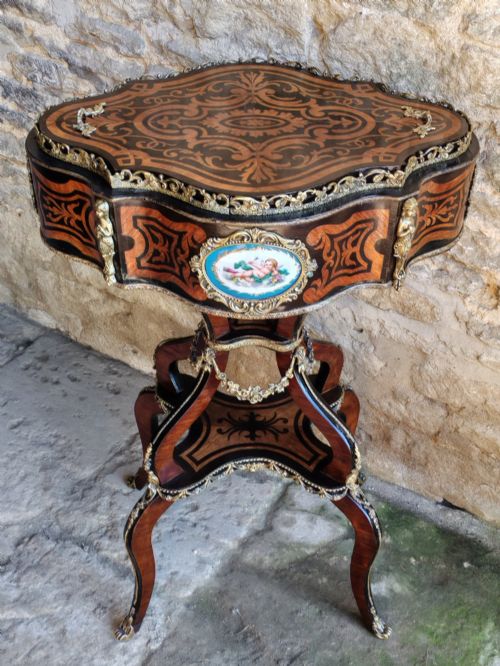
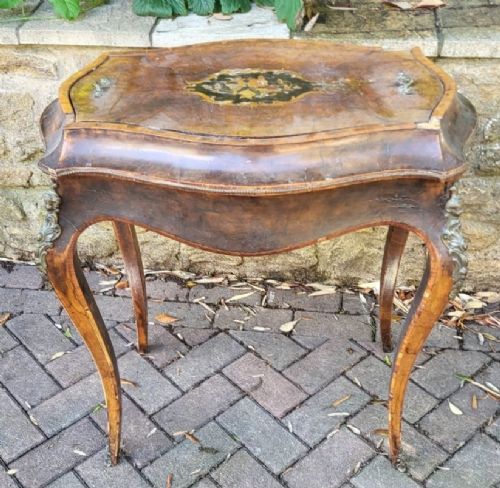
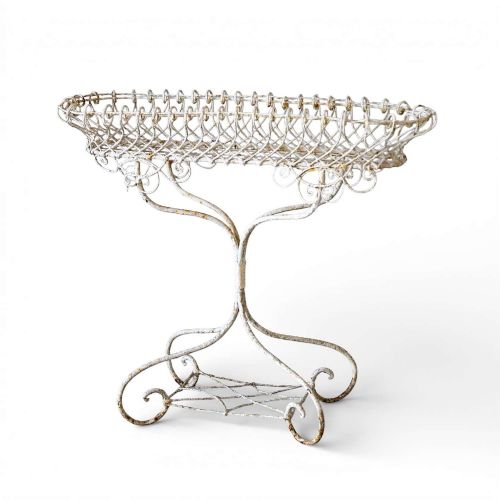
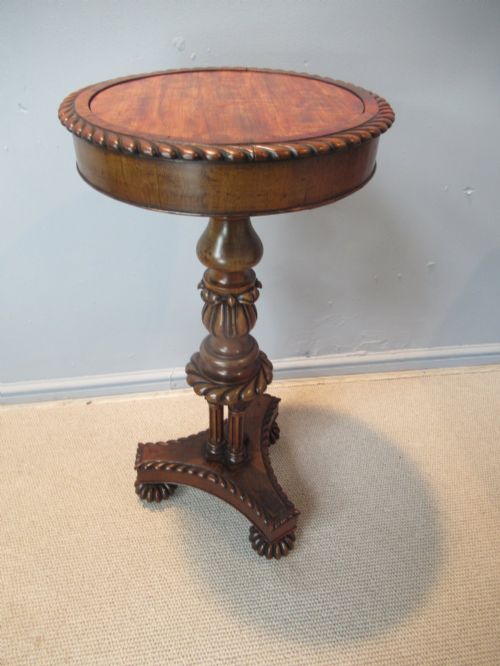
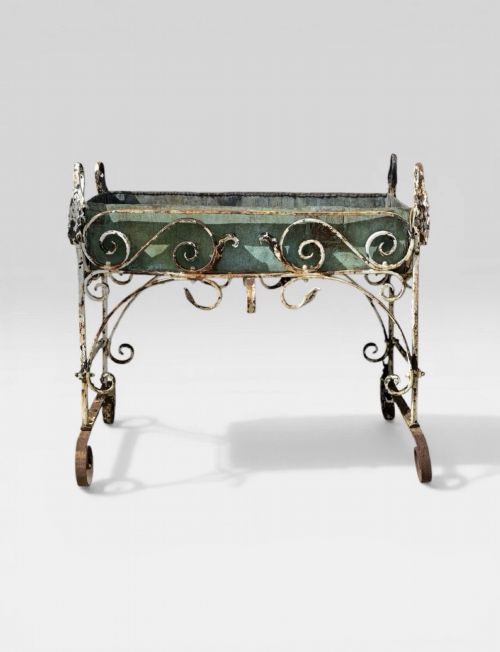
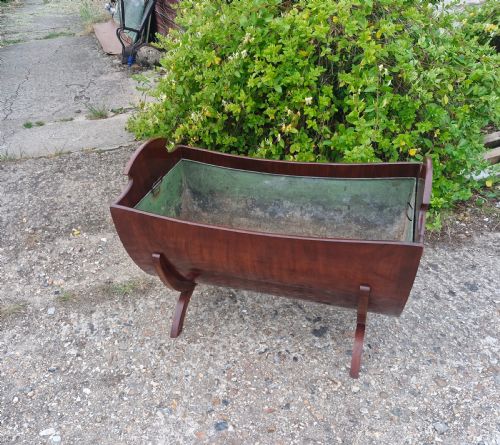
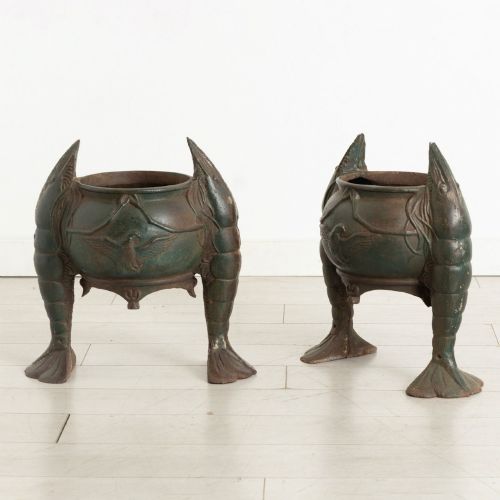
The selections on this page include floor-standing wooden pedestals, cast iron tripod frames, and ceramic majolica vessels on matching columns. Many examples combine the planter function with multi-tiered surfaces or occasional tables.
Origins range from English cabinetmakers to continental workshops and Chinese export pieces featuring marble inserts. Buyers encounter both unified sets where the pot and stand were made together, and adaptable pedestals that accommodate various decorative vessels.
How they were made
Craftsmen shaped these stands from dense hardwoods such as mahogany, walnut, and rosewood, often incorporating marquetry, burr veneers, or carved details. Metal versions utilise cast iron, wrought iron, brass, and copper, frequently shaped with scrollwork, wirework, or pressed ornamentation.
Ceramic components rely on earthenware bodies finished with majolica or lustre glazes, sometimes paired with ormolu mounts and porcelain plaques. Materials were selected to withstand moisture from plants while serving as ornamental furniture in formal rooms.
Victorian Jardiniere Stand Retail Price Guide 2026
Typical asking prices for victorian jardiniere stand among the pieces listed under this phrase on Sellingantiques today, from the lower quarter to the upper quarter. They describe what is for sale here now, not the wider market.
Formations range from single column pedestals and tripod bases to multi-tiered wirework frames and Chinese export stands.
What varies in quality
The distinction between ordinary and exceptional pieces lies in the crispness of the carving, the weight of the metals, and the depth of the ceramic glaze. Superior examples display balanced proportions, integrated design between the stand and the vessel, and careful selection of figured timbers or marble inserts.
Execution of decorative details, such as hand-etched brass surfaces, precise marquetry, or detailed figural mounts, separates standard production items from workshop pieces created by notable potteries or specialist makers.
Burmantofts Art Pottery·Clement Massier·Minton·Julius Dressler·Royal Doulton·Bretby
The Victorian Jardiniere Stand Glossary
- Jardiniere
- An ornamental pot or receptacle designed to hold a plant or flowers. These vessels sit atop dedicated stands or pedestals.
- Majolica
- A type of earthenware coated with an opaque white tin glaze and painted with bright metal oxide colours. It became popular for Victorian garden seats and plant containers.
- Torchiere
- A tall stand or pedestal originally intended to support a torch or lamp, frequently adapted to display plants or busts. These columns elevate the display to eye level.
- Marquetry
- The art of applying pieces of veneer to a structure to form decorative patterns and pictures. It appears frequently on the tabletops and columns of nineteenth-century stands.
- Pedestal
- An architectural column or support base that lifts a planter, urn, or jardiniere off the floor. They appear in wood, ceramic, and cast iron.
Victorian Jardiniere Stand: Frequently Asked Questions
How were they used?
Victorian households used these stands to display ferns, palms, and flowering plants within the home. The elevated position protected delicate flooring from moisture and improved plant visibility.
Many designs served dual purposes as occasional tables, wine coolers, or lamp stands when the plant pot was removed. Some multi-tiered examples held several pots at once.
How do I live with one?
Placing a protective liner inside the metal or ceramic bowl prevents water damage to antique wood or metal surfaces. Regular dusting preserves the polished finish of hardwoods and glazed earthenware.
These stands fit well in corners, beside windows, or as freestanding display pieces for sculpture and ceramics. Their narrow footprints make them practical for modern rooms.
How do I tell periods apart?
Early nineteenth-century examples often feature rosewood, mahogany, and restrained classical lines. Pieces from the later Victorian and Edwardian periods frequently showcase bolder ceramics, wirework, and artistic glazes.
Stylistic shifts reflect broader design movements, moving from Georgian influences through Victorian revival styles to Arts and Crafts and Art Nouveau interpretations.