


Brass Display Stand
A brass display stand brings functional metalwork and polished timber together to elevate objects of curiosity.
Brass Display Stand
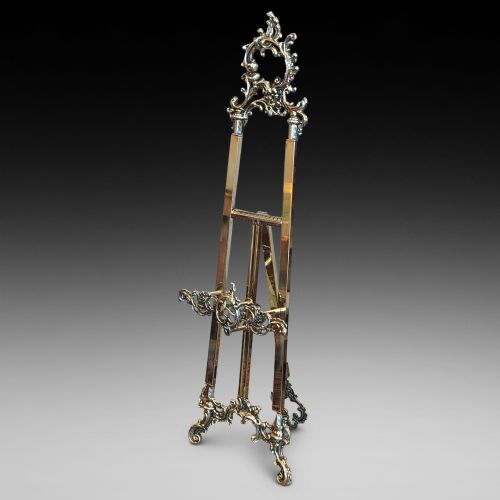
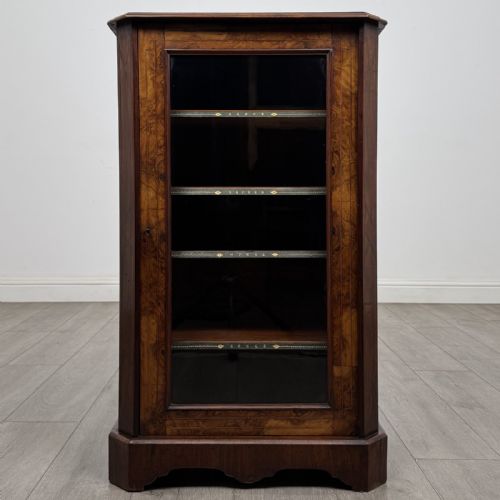
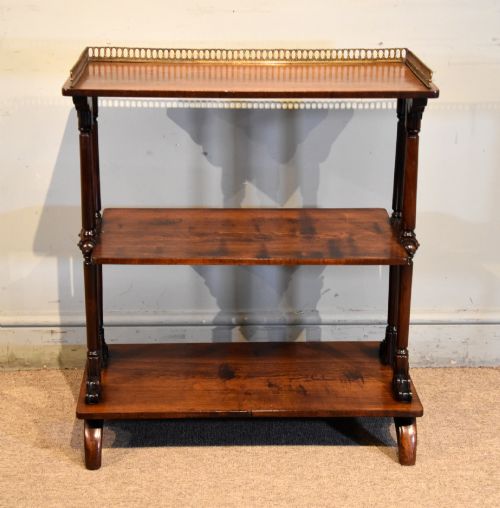
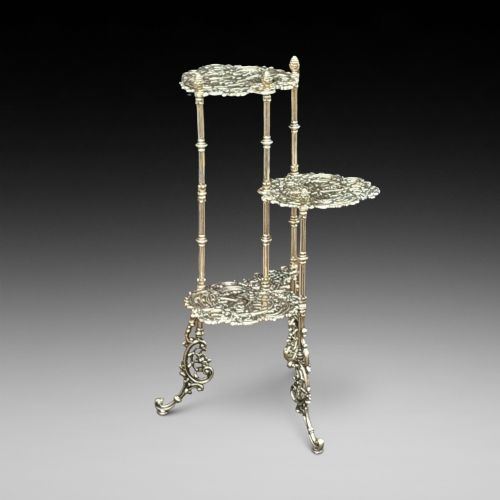
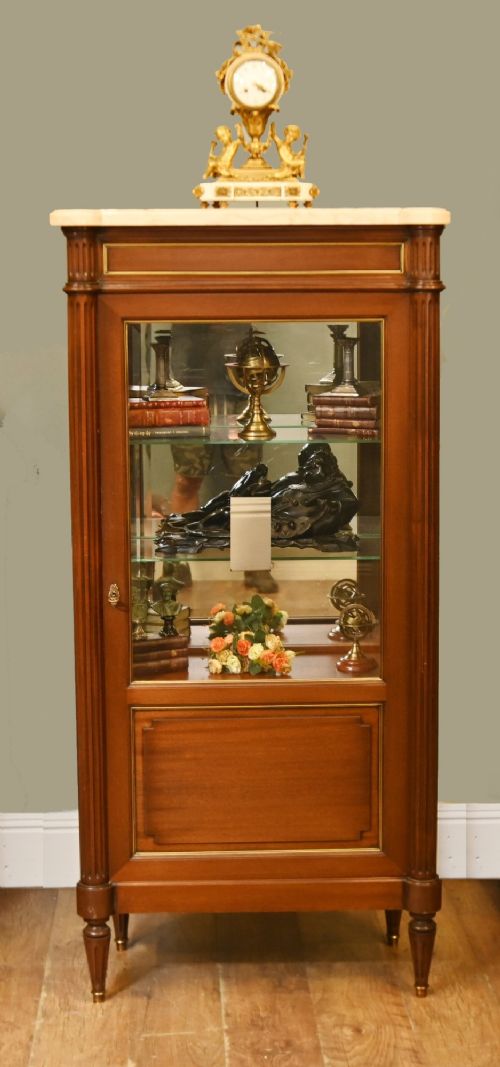
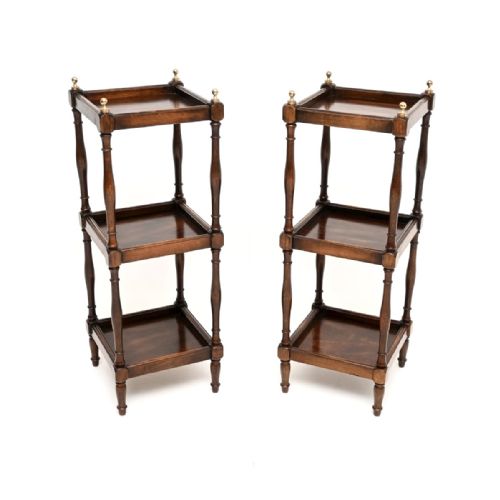
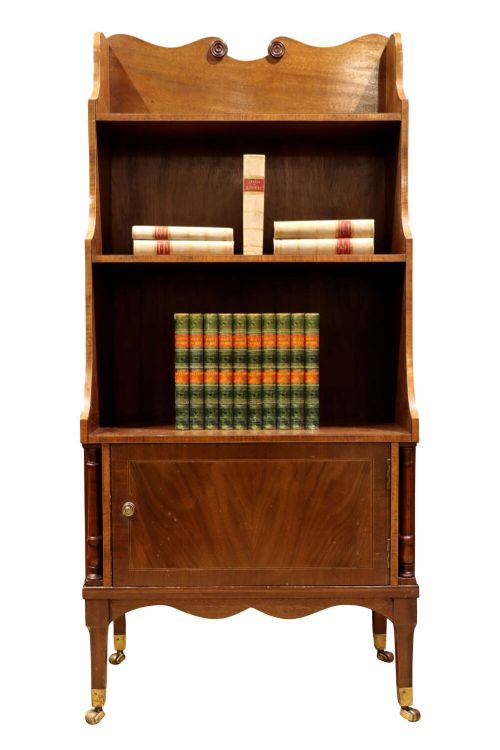
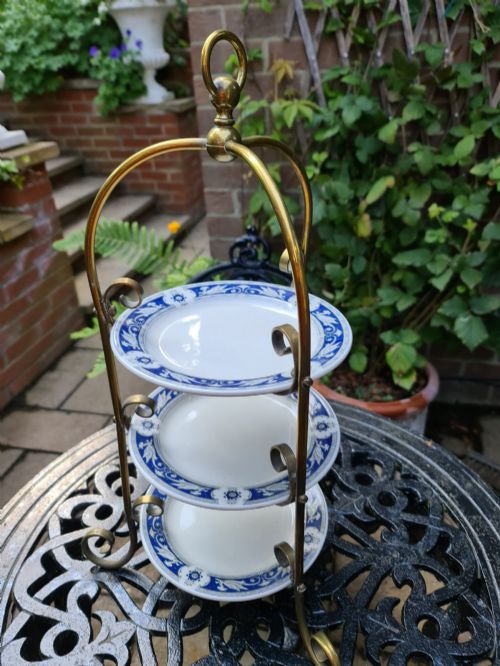
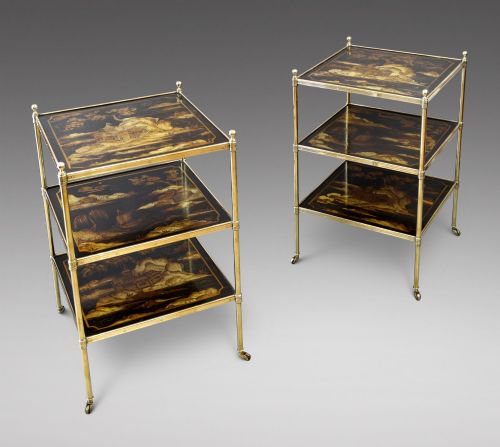
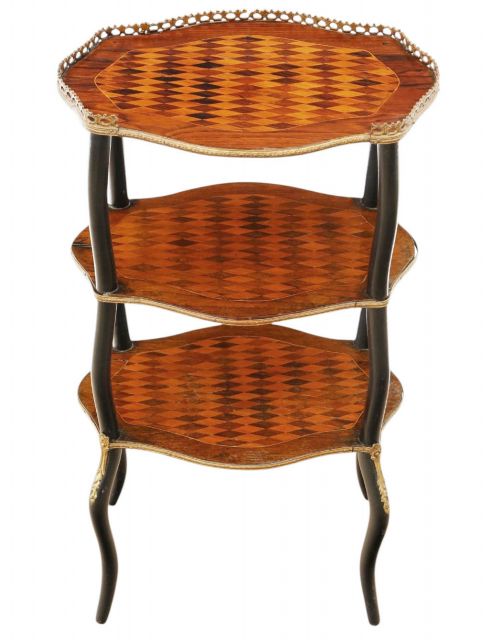
A brass display stand encompasses a variety of multi-tiered etageres, plant stands, and shop fittings designed to showcase smaller objects. These pieces emerge primarily from Victorian, Edwardian, and Regency periods, utilising brass alongside rich timbers.
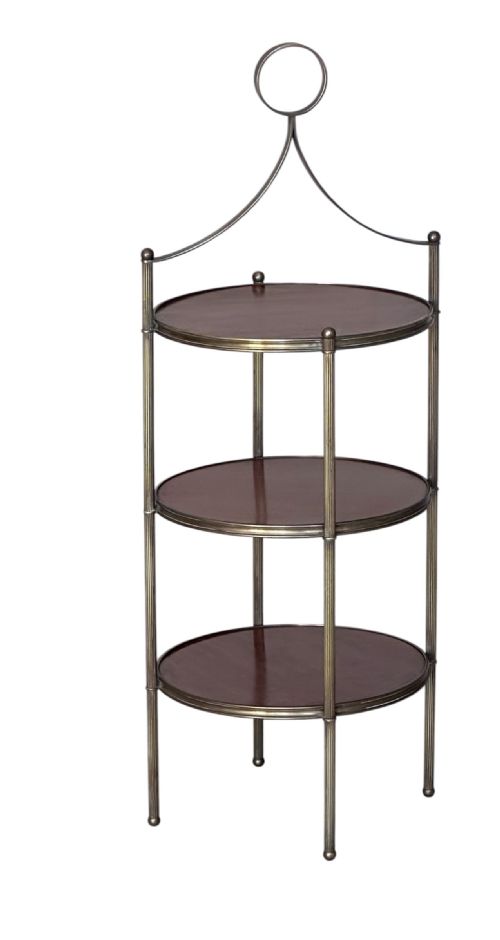
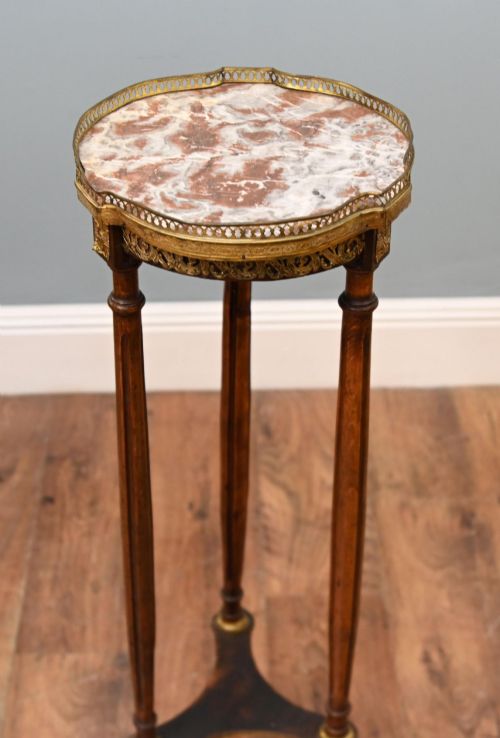
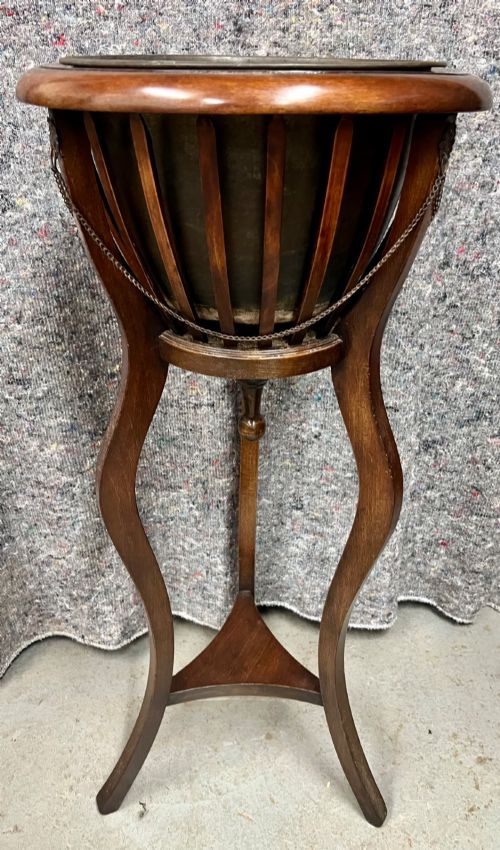
The most common versions met on this page are etageres and plant stands combining mahogany, rosewood, or walnut with structural brass components. Pieces range from domestic display furniture to utilitarian shop fittings with telescopic elements.
Makers and manufacturers produced these items in both English workshops and French ateliers, applying styles from French Rococo to plain Edwardian utility. Buyers select them to organise and present collections within modern interiors.
Materials and construction
Makers built these structures using solid and veneered hardwoods such as mahogany, rosewood, satinwood, and walnut, often accented with marquetry or parquetry. Cast and extruded brass supplied the framing, columns, finials, and castors.
French workshops integrated ormolu and gilt bronze mounts onto exotic timbers, whilst English cabinetmakers favored mahogany and rosewood with brass gallery rails. Iron and onyx appeared in specific shop fittings and pedestals from the later periods.
Brass Display Stand Retail Price Guide 2026
Typical asking prices for brass display stand among the pieces listed under this phrase on Sellingantiques today, from the lower quarter to the upper quarter. They describe what is for sale here now, not the wider market.
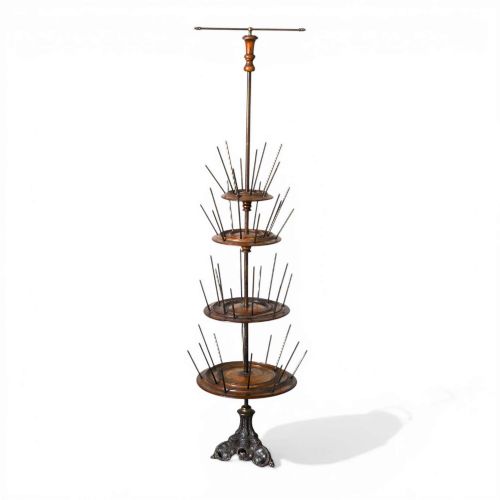
Cotton reel display trees once held sewing threads in Victorian drapery shops before finding new life displaying rings and small trinkets.
Judging quality in construction
Quality rests in the weight of the metal components and the precision of the timber joinery. Solid brass fittings, heavy gauge tubing, and hand-chiseled mounts indicate superior workshop production compared to lighter stamped alternatives.
The integration of materials dictates the overall standard, observing how cleanly brass galleries are fitted to timber shelves and how securely columns anchor the tiers. Finer examples display crisp inlay, substantial secondary woods, and original castors.
Harris and Sheldon Ltd·Gillows
The Brass Display Stand Glossary
- Étagère
- A piece of furniture consisting of open shelves for displaying small objects. These tiered stands frequently incorporate brass columns and exotic wood veneers.
- Ormolu
- Gilded bronze applications utilised as decorative mounts on French furniture. Makers cast and chased these brass-alloy elements to ornament etageres and cabinets.
- Torchere
- A tall stand designed to support a lamp, plant, or decorative object. Examples often employ brass columns paired with mahogany or marble bases.
- Whatnot
- A multi-shelved open cabinet used for storage and display. The form developed in the Regency period and persisted through the Victorian era in various timbers.
Brass Display Stand: Frequently Asked Questions
What are brass display stands used for?
These stands provide elevated platforms and open shelving for exhibiting ornamental objects, plants, and collections. Historically they served both domestic drawing rooms and commercial shop windows.
Today they function effectively as side tables or corner display units within residential settings. Their open tiered architecture allows light to pass through while keeping objects visible.
How do I date an etagere?
Dating relies on timber selection, structural joinery, and the style of brass mounts. Regency pieces often show clean classical lines in mahogany, whereas Victorian examples favour heavier rosewood and elaborate turnings.
Edwardian stands lean towards lighter satinwood and simpler stringing. Examining secondary woods underneath shelves helps confirm the period of manufacture.
Can I use these stands for plants?
Many surviving pieces were originally built specifically as plant stands, jardiniere stands, or fern-pots. Metal liners or brass trays frequently accompanied these botanical forms.
Protecting timber surfaces from moisture remains essential when placing living plants on antique furniture. Using concealed saucers prevents water damage to historic veneers.
How do I care for brass parts?
Polishing brass requires a gentle cloth to avoid abrading the surrounding timber veneer. Many collectors prefer to leave an aged patina rather than achieving a bright modern shine.
Dusting regularly with a dry microfibre cloth prevents grime accumulation on intricate cast joints. Chemical cleaners should be kept entirely away from the wood.