





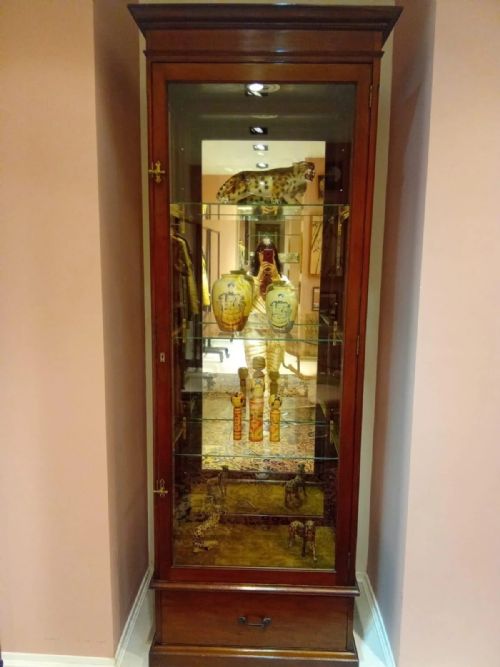



Vintage Retail Display
Vintage retail display pieces bring commercial history into modern interiors through practical craftsmanship from the nineteenth and twentieth centuries.

Vintage Retail Display
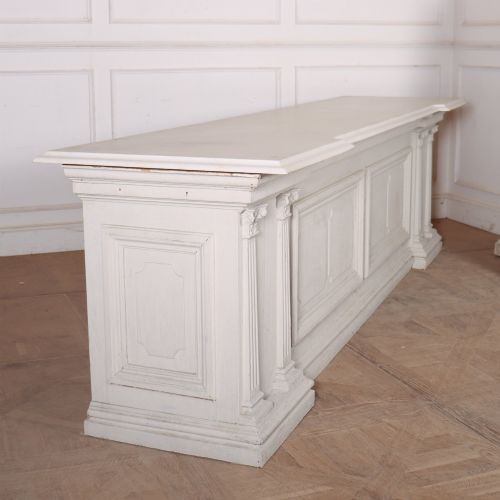
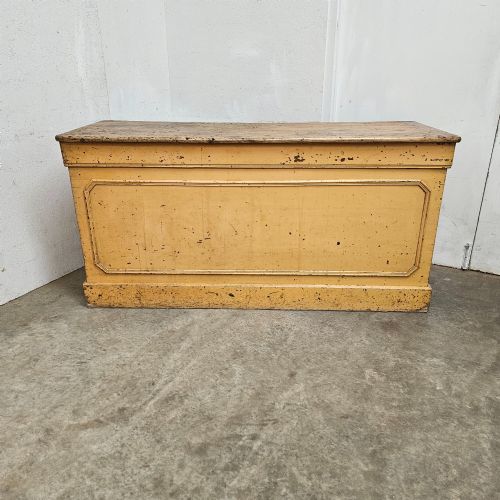
Vintage retail display items encompass freestanding shop display cabinets, shop counters, haberdashery counters, display tables, and specialised display stands designed for commercial trade.
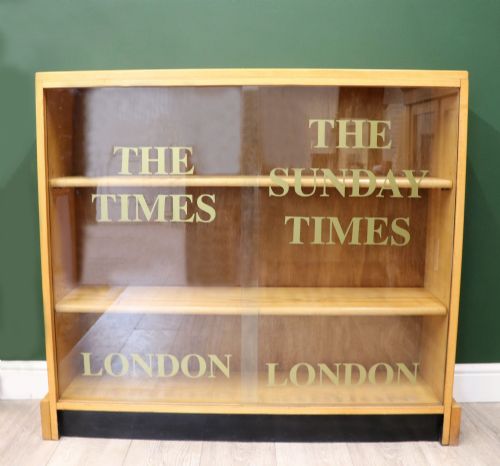
Buyers frequently encounter tall freestanding cabinets, countertop display units, and glazed counters originating from the Victorian, Edwardian, and Art Deco periods.
Commercial fixtures from this category range from large mahogany and oak shop fittings to smaller apothecary, confectionery, and drapery display pieces.
How they were made
Maker workshops utilised solid timbers such as mahogany, oak, pine, and ebonized wood alongside structural cast iron, brass, chrome, and aluminium framing.
Glazing featured heavily to protect merchandise, paired with interior mirrors, adjustable glass shelves, and velvet linings suited to delicate wares.
Vintage Retail Display Retail Price Guide 2026
Typical asking prices for vintage retail display among the pieces listed under this phrase on Sellingantiques today, from the lower quarter to the upper quarter. They describe what is for sale here now, not the wider market.
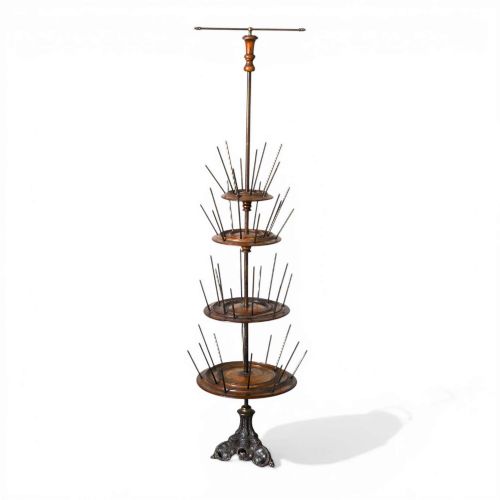
Cotton reel display trees rotated gracefully on shop counters so seamstress customers could inspect every spool of thread.
What varies in quality
Quality rests upon the integrity of the original timber framing, the clarity and proportion of the glass panels, and the survival of maker plaques or specialised hardware.
Pieces bearing specific commercial branding, painted finishes, or complex joinery such as bow ends distinguish standard utilitarian fittings from notable retail examples.
F. Sage & Co·Dudley & Co·Mackenzie's
The Vintage Retail Display Glossary
- Haberdashery counter
- A long shop counter featuring numerous small drawers or glazed compartments originally used for textiles and haberdashery. These units often incorporate multi-drawer pine or oak construction.
- Bow end
- A curved glass or timber termination on a cabinet or counter. This technique softens the profile and maximises viewing angles for shop merchandise.
- Countertop display cabinet
- A smaller glazed case designed to sit upon a main shop counter for eye-level customer browsing. These units frequently feature hinged rear doors for staff access.
- Advertising cabinet
- A branded display case produced for specific manufacturers like chocolate or pharmaceutical firms. These pieces incorporate original maker lettering or lithographed panels.
Vintage Retail Display: Frequently Asked Questions
How were haberdashery counters used in shops?
Haberdashery counters provided organised storage behind many small drawers while displaying small sewing goods and textiles on top. Retail staff accessed the multi-drawer banks to serve customers efficiently.
Today these multi-drawer units function well in homes for organising craft materials, stationery, or clothing accessories while retaining their commercial character.
Where do advertising display cabinets originate?
Major confectioners and pharmaceutical brands commissioned specialised glazed cabinets to promote goods directly on chemist and sweet shop counters. Companies like Fry, Cadbury, and Rowntree supplied these branded fittings to retailers.
These pieces served as both secure storage and point-of-sale marketing for popular provisions of the era.
How do I identify an Edwardian display cabinet?
Edwardian display cabinets usually exhibit lighter timber frames, notably mahogany or oak, often featuring glazed panels and mirrored interiors. They reflect the refined shopfitting styles popular at the turn of the twentieth century.
Comparing the joinery, hardware, and shelf adjustment mechanisms helps distinguish these fixtures from later aluminium or chrome commercial pieces.
Can I use a shop counter as a kitchen island?
Large shop counters and haberdashery units offer robust timber construction and generous proportions suitable for domestic food preparation. Their deep drawers and shelving provide practical kitchen storage.
Ensure the height and depth match your kitchen space before placing a commercial counter into a domestic room.