




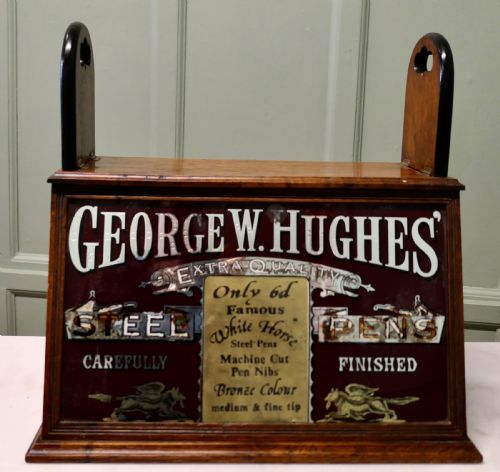




Glass Counter Showcase
A glass counter showcase brings commercial history into a room, offering glazed protection for small collections.
Glass Counter Showcase
A glass counter showcase serves as a retail display unit designed to sit atop furniture or stand independently on a shop floor. Buyers seek these pieces to exhibit small items securely while adding period character to a room.
The selections on this page span the Victorian era, the Edwardian period, and the 1920s and 1930s commercial decades. Visitors will frequently encounter tabletop cabinets and larger serving counters originating from old shop interiors.
Formats range from compact countertop boxes with drawers to expansive bow-end cabinets and tall freestanding cases. Mahogany, oak, and brass frame much of the inventory alongside specialised confectionery units.
How they were made
Carpenters constructed the primary frames of a glass counter showcase using dense timber such as mahogany and oak, often joining the wood with traditional housing and dovetail methods. These structural elements support large panes of glazed panels designed to provide maximum visibility.
Metal components including brass, chrome, and aluminium form handles, locks, and structural framing, particularly in pieces originating from the 1920s and 1930s. Interiors sometimes feature mirrored glass panels or velvet linings to enhance the presentation of goods.
Glass Counter Showcase Retail Price Guide 2026
Typical asking prices for glass counter showcase among the pieces listed under this phrase on Sellingantiques today, from the lower quarter to the upper quarter. They describe what is for sale here now, not the wider market.
Materials recorded across the inventory include mahogany, oak, brass, chrome, aluminium, and mirrored glass.
What varies in quality
The integrity of the original glazing and the stability of the timber frame distinguish superior examples from standard commercial stock. Cabinetry featuring original bevelled glass, working brass locks, and intact mirrored interiors commands greater appreciation among collectors.
Commercial provenance alters the character of a piece significantly, particularly when original manufacturer branding or period sign-writing remains visible on the glass or woodwork. Alterations to the timber or replaced panels change the historical standing of the counter.
F. Sage & Co·Dudley & Co·Cadbury·Rowntree·Fry
The Glass Counter Showcase Glossary
- Haberdashery counter
- A long retail display unit traditionally fitted with numerous drawers and glass viewing areas. These pieces were utilised in drapery shops to organise small haberdashery goods.
- Bow end
- A curved glass or timber termination at the end of a cabinet or counter. This shape softened the corners of shop fittings and improved viewing angles for customers.
- Countertop display cabinet
- A compact glazed case designed to sit directly on top of a shop counter. Retailers used these miniature showcases to present high-value items or confectionery.
- Apothecary cabinet
- A specialist storage and display unit originating from a chemist shop. These items often incorporate small drawers alongside glazed compartments for medicines.
- Museum display case
- A heavily glazed cabinet built to protect and exhibit artefacts. Such cases prioritize unobstructed viewing and secure locking mechanisms.
Glass Counter Showcase: Frequently Asked Questions
Where were these counters used?
These glass counter showcases served in late nineteenth and early twentieth-century retail shops, chemist stores, and department stores. Shopkeepers positioned them prominently to display small merchandise while keeping stock secure.
Today, the same units find places in domestic interiors as display surfaces for collections, jewellery, or curiosities.
How do I date a cabinet?
Dating relies on observing the timber species, construction techniques, and hardware choices present in the piece. Victorian and Edwardian examples often favour heavy mahogany or oak framing with brass fittings.
Later 1920s and 1930s variations introduce chrome or aluminium framing alongside distinct Art Deco styling cues.
Can I use one at home?
These cabinets adapt well to domestic settings for exhibiting personal collections away from dust and handling. Tabletop versions fit easily onto existing sideboards, while freestanding models function as independent display furniture.
Their glazed panels allow natural light to illuminate contents from multiple angles.
What is brand sign-writing?
Sign-writing refers to painted or applied commercial lettering on glass or wood advertising specific period goods like chocolate or cocoa. Confectionery companies supplied branded cabinets directly to sweet shops.
Original lettering adds historical context and increases the collectible interest of the showcase.