





Antique Haberdashery Display
These antique haberdashery display pieces are functional shop fittings from past centuries that bring utilitarian character and glazed visibility into modern rooms.
Antique Haberdashery Display
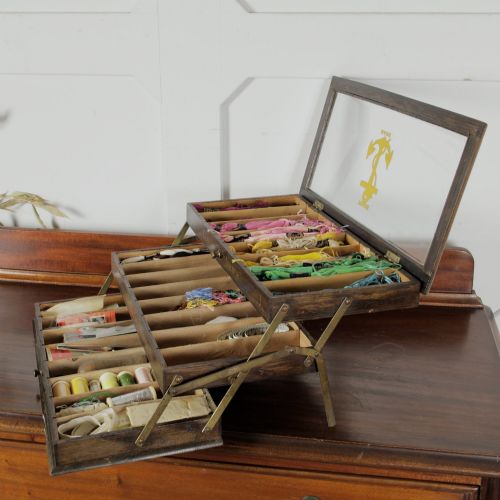
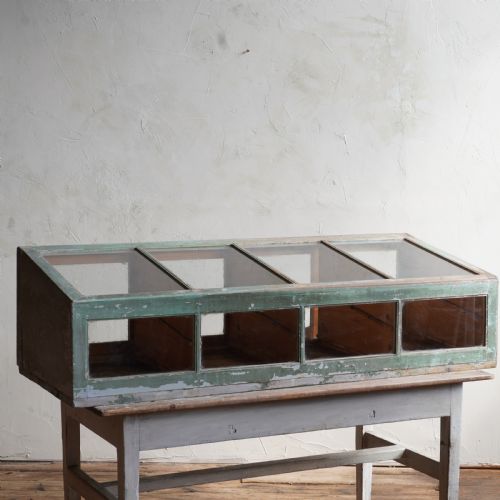
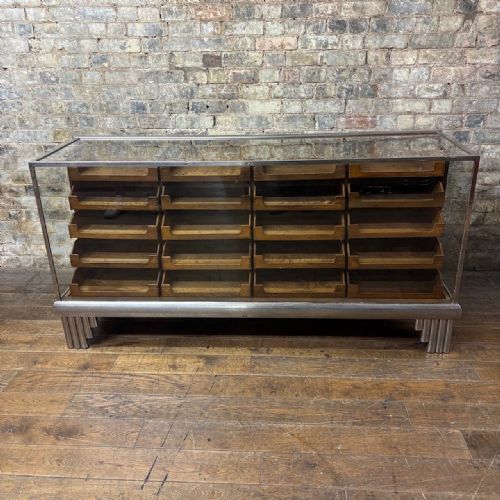
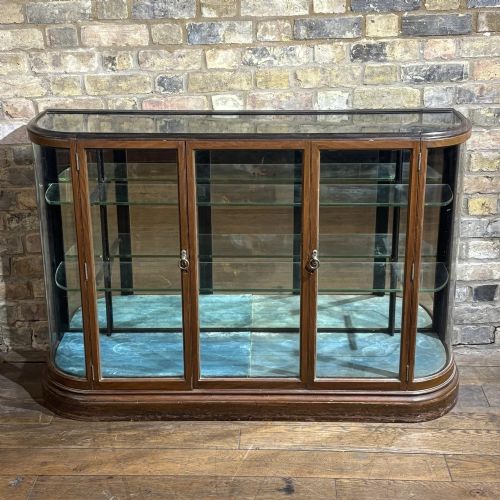
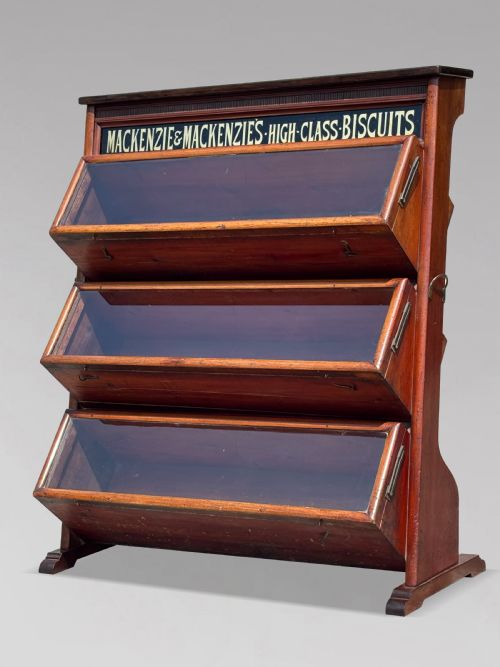
When you search for antique haberdashery display, you encounter trade furniture built for commercial merchants, drapers, and milliners during the nineteenth and early twentieth centuries. These forms include multi-drawer storage banks, glazed countertop vitrines, tall floor cabinets, and timber shop counters designed to organise small wares.
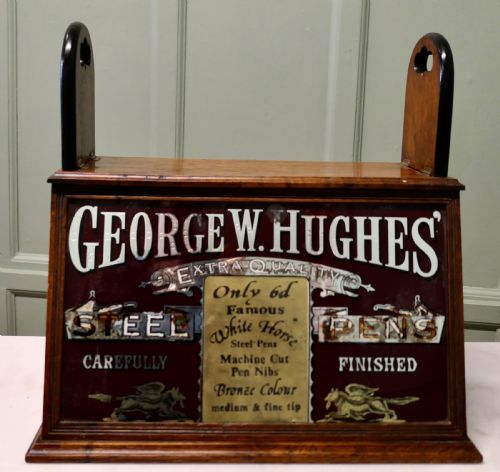
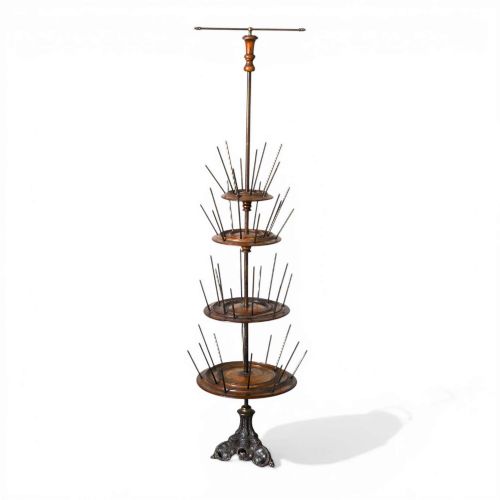
The selections available range from sturdy oak and mahogany display cases originating in the Edwardian and Victorian eras to painted pine shop fittings and specialised stands. Many pieces bear the hallmarks of commercial utility, such as maker plaques, brass fittings, and glass panelling intended to showcase textiles, threads, and garments.
Buyers select these items to anchor domestic spaces with authentic mercantile history, utilising glazed cabinets for collections and drawer banks for practical storage. The surviving stock reflects commercial origins spanning English firms and continental workshops from the eighteen-eighties through the nineteen-thirties.
How They Were Made
Cabinet makers built these commercial pieces primarily from dense timbers such as mahogany, oak, pine, and teak to withstand heavy daily retail use. Glazing was integrated into doors and countertops using large panes of glass to protect goods while maintaining clear visibility for customers.
Metal components added structural integrity and functional movement, utilising brass for handles, cast iron for frames, and chrome or aluminium in later commercial iterations. Surfaces received finishes including French polish, painted coats, or distressed treatments suited to busy nineteenth and twentieth century shops.
Antique Haberdashery Display Retail Price Guide 2026
Typical asking prices for haberdashery display among the pieces listed under this phrase on Sellingantiques today, from the lower quarter to the upper quarter. They describe what is for sale here now, not the wider market.
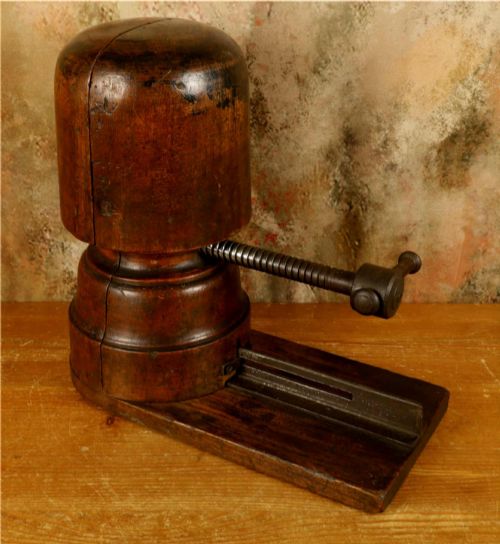
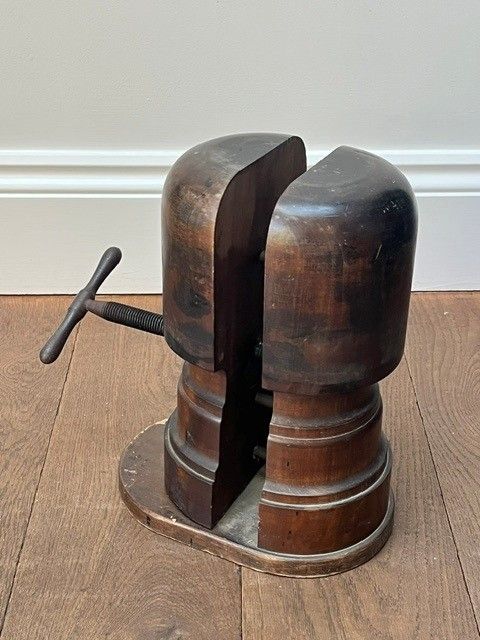
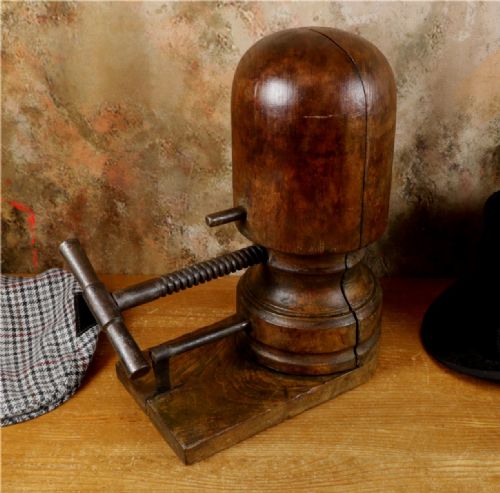
Several antique millinery heads and hat stretchers wait patiently on this page, having spent a century contemplating invisible hats.
What Varies in Quality
Quality in these commercial pieces rests upon the integrity of the timber framing, the clarity of the original glass panels, and the retention of working hardware like brass pulls and drawer joints. Superior examples exhibit substantial joinery, such as dovetailed drawers and solid mahogany or oak carcasses rather than secondary veneers.
The presence of maker signatures from notable shop fitters or original retail signage elevates a piece beyond standard utility furniture. Original painted surfaces, intact mirrored interiors, and unaltered display configurations likewise separate standard commercial stock from finer workshop productions.
F. Sage & Co·Dudley & Co·John Stow Ltd
The Antique Haberdashery Display Glossary
- Vitrine
- A glass-fronted cabinet or display case designed to exhibit delicate goods or collectables while protecting them from dust.
- Shop Fitting
- Custom-built furniture and fixtures manufactured specifically for the interior layout and merchandising needs of a retail store.
- Hat Stretcher
- A wooden or mechanical device used by milliners to shape, size, and stretch headwear during manufacture or retail fitting.
- Countertop Display
- A smaller cabinet or case positioned upon a shop counter to draw customer attention to specific small items at eye level.
Antique Haberdashery Display: Frequently Asked Questions
What were haberdashery cabinets used for?
Merchants utilised these multi-drawer cabinets and glass cases to sort and present small sewing materials, threads, buttons, and ribbons to shoppers. The shallow drawers kept delicate textiles organised behind counters while glass fronts allowed customers to inspect merchandise.
Today, owners repurpose these compartments in homes to store jewellery, craft supplies, and small collections while displaying items on top surfaces.
How do I date an antique display case?
Dating relies on examining construction methods, timber choices, and hardware styles across different commercial eras. Pieces from the Victorian period often feature heavier solid mahogany or pine with hand-cut dovetails, while Edwardian and 1920s examples introduce bow fronts, metal frames, and specific maker plates.
Makers' stamps, brass lock types, and glass thickness also offer concrete clues regarding whether a counter originated in the nineteenth century or the interwar decades.
Are these cabinets suitable for modern homes?
These functional trade fixtures adapt readily to domestic interiors due to their rectilinear proportions and glazed storage capabilities. Glazed floor units and countertop cases serve well in living rooms and kitchens to exhibit ceramics, glassware, or books.
Drawer banks provide practical organisation for everyday items in hallways or bedrooms while introducing industrial and commercial character into the room.
What is the difference between a vitrine and a counter?
A vitrine is typically a tall glass display case designed to stand against a wall or on furniture for all-round viewing of contents. A shop counter incorporates a solid lower base for structural support with a glazed upper section where merchants transacted business and displayed goods simultaneously.
Both forms utilise glass panelling, but counters were engineered specifically as central working furniture for retail staff.