





Glass Top Display Cabinet
A glass top display cabinet brings together the transparency of glazed surfaces and the structure of period furniture to showcase cherished possessions.
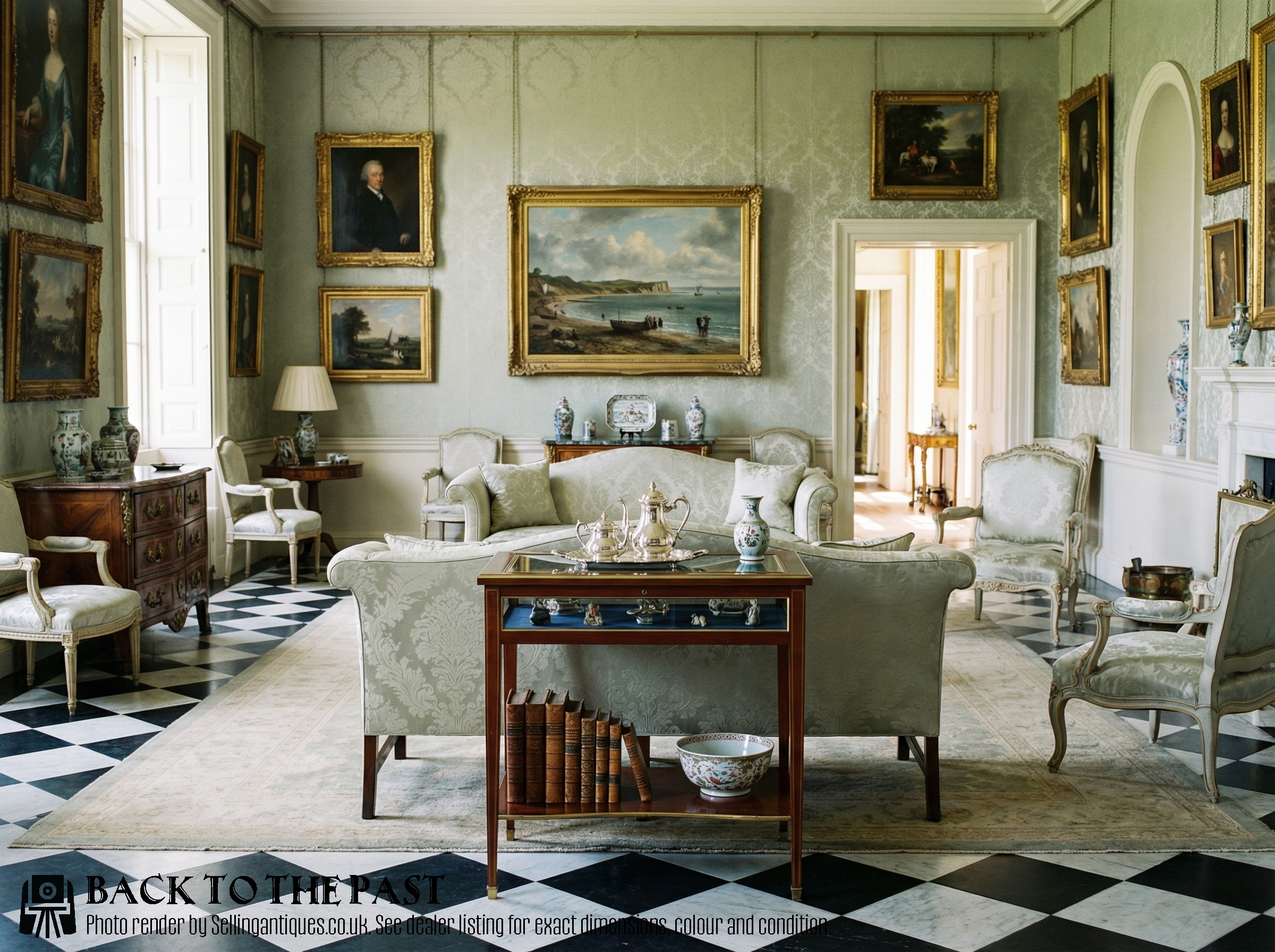
Glass Top Display Cabinet
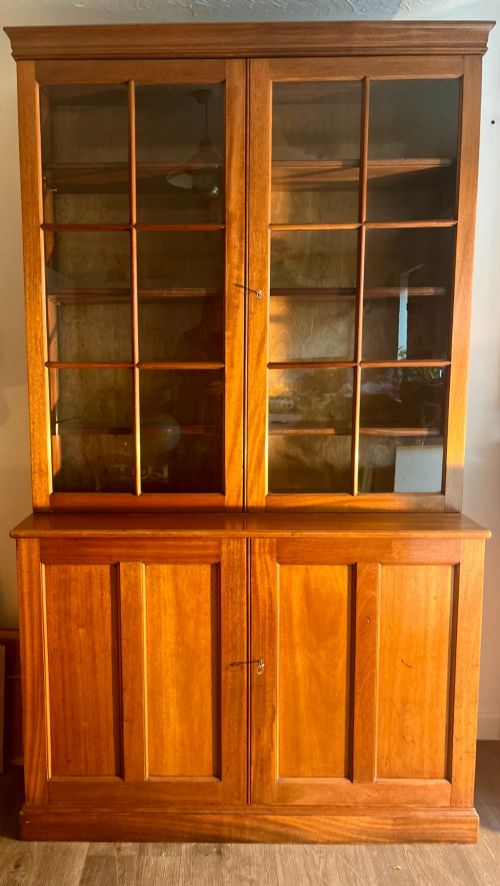
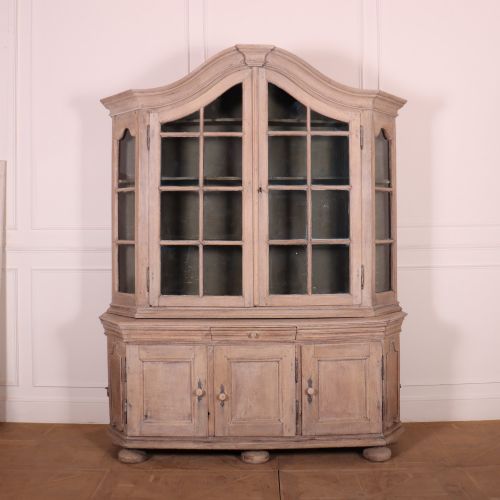
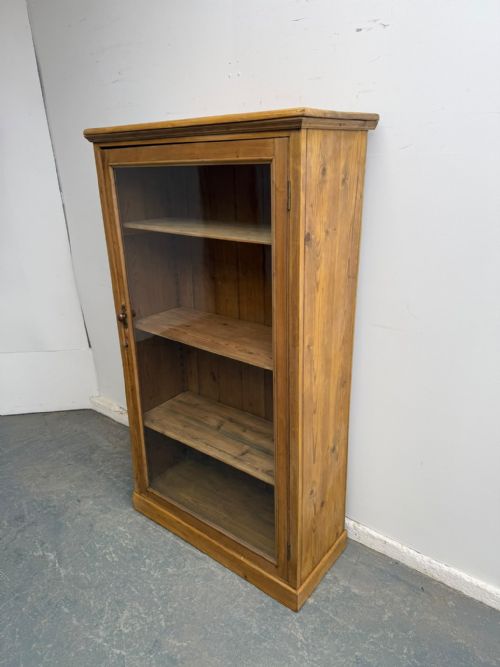
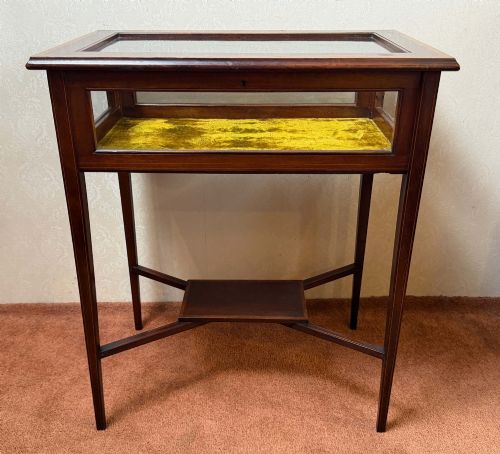
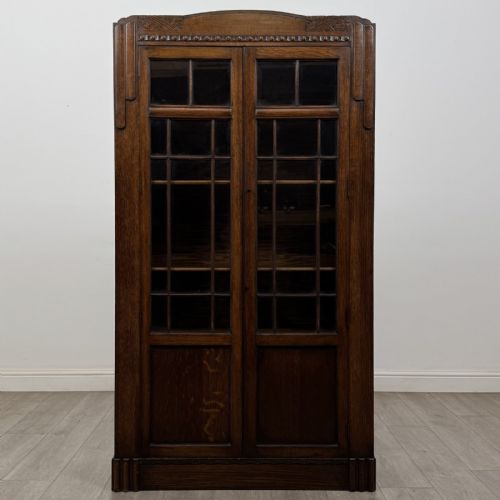
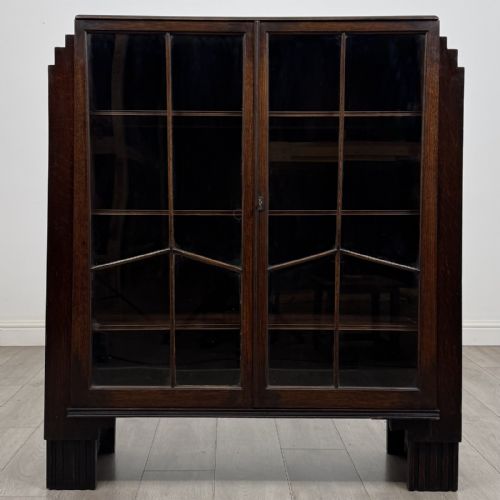
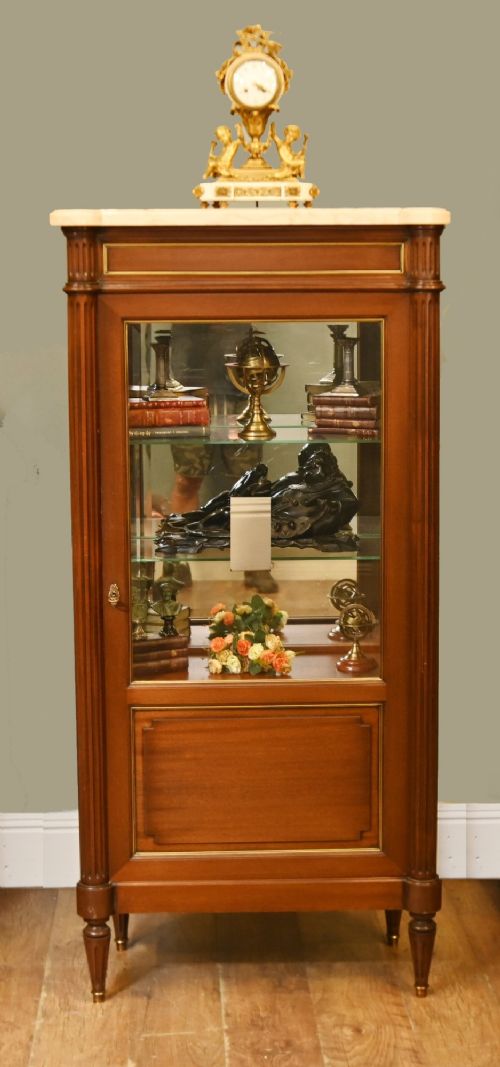
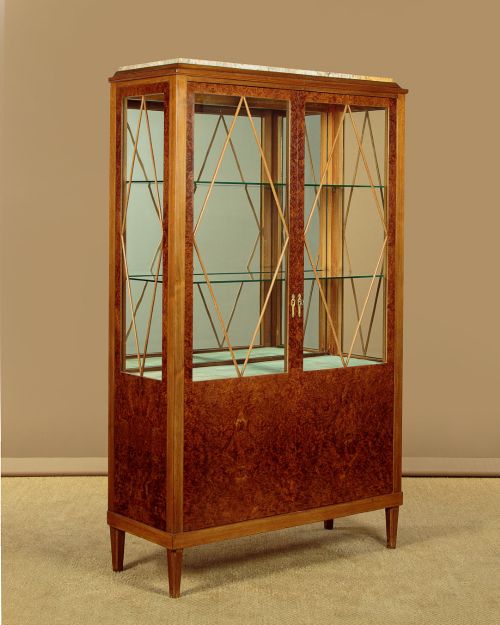
A glass top display cabinet encompasses several forms designed to protect and exhibit objects, ranging from tabletop cases and counter counters to standing vitrines and bijouterie tables. The search phrase reveals a broad selection spanning the nineteenth century through the Edwardian era and into the Art Deco period.
Tabletop versions and low bijouterie tables appear frequently alongside tall freestanding cabinets featuring glazed panels. These pieces originate from English workshops as well as French ateliers influenced by revival styles.
Makers often utilised mahogany, oak, and kingwood to build the framing structures that support transparent panes. Interiors lined with velvet provide a contrasting backdrop for items displayed within.
How they were made
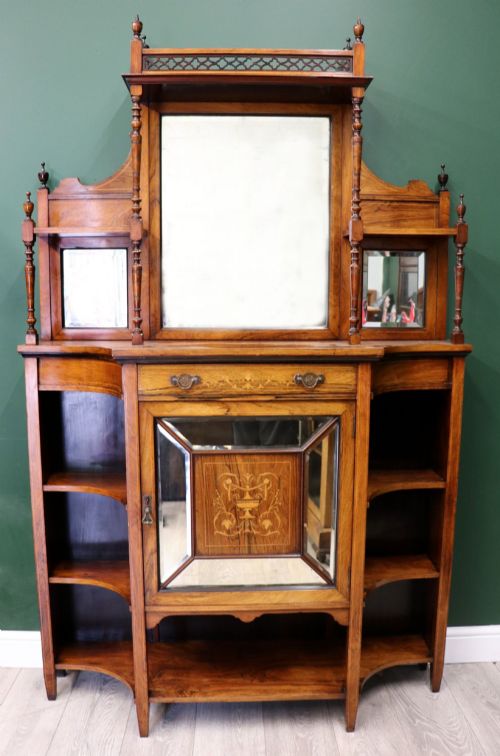
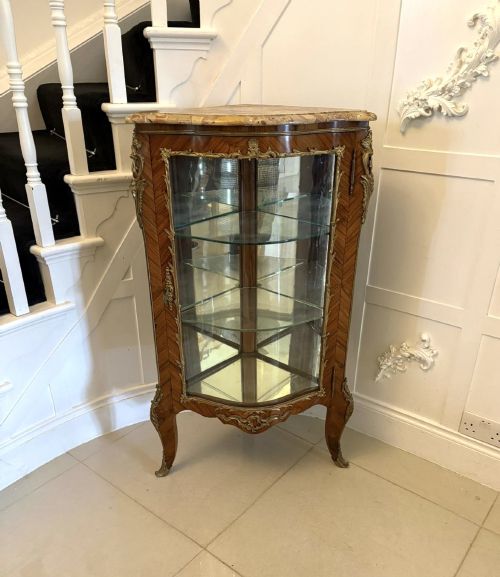
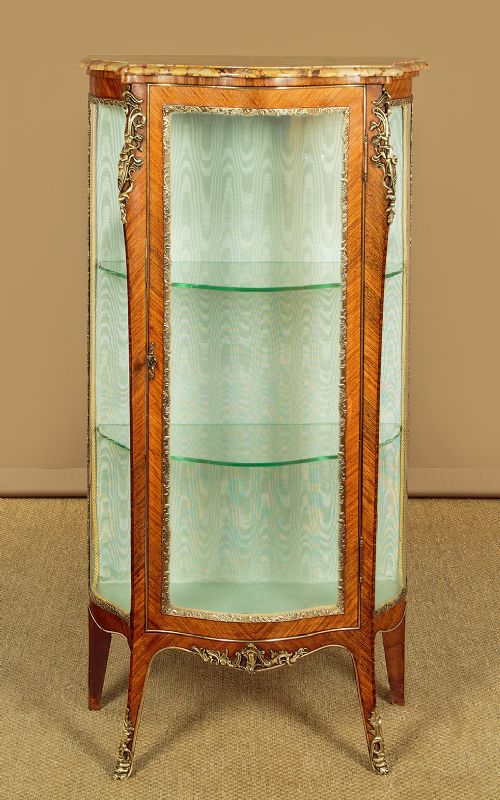
Cabinet makers constructed frames from hardwoods such as mahogany and oak, frequently incorporating satinwood inlay or kingwood veneers to decorative effect. Ormolu mounts and marble tops appear on select French pieces.
Glazing techniques secured glass panes within timber rebates, while hinged lids on bijouterie tables allowed access to interior compartments. Brass hardware furnished hinges and locks across the various forms.
Glass Top Display Cabinet Retail Price Guide 2026
Typical asking prices for glass top display cabinet among the pieces listed under this phrase on Sellingantiques today, from the lower quarter to the upper quarter. They describe what is for sale here now, not the wider market.
Listings feature pieces spanning the Victorian and Edwardian eras alongside 1930s designs.
What varies in quality
The refinement of timber selection and the precision of veneer work distinguish finer examples from standard production pieces. Figured walnut, satinwood, and carefully matched parquetry indicate higher workshop standards.
Mount quality separates mass production from master craftsmanship. Cast ormolu details and hand-carved mahogany enrichment reflect the labour invested during construction.
François Linke
The Glass Top Display Cabinet Glossary
- Vitrine
- A glass-sided cabinet designed for displaying fine porcelain, curiosities, or objects of art. These standing pieces utilise glazed doors and side panels to maximise visibility.
- Bijouterie table
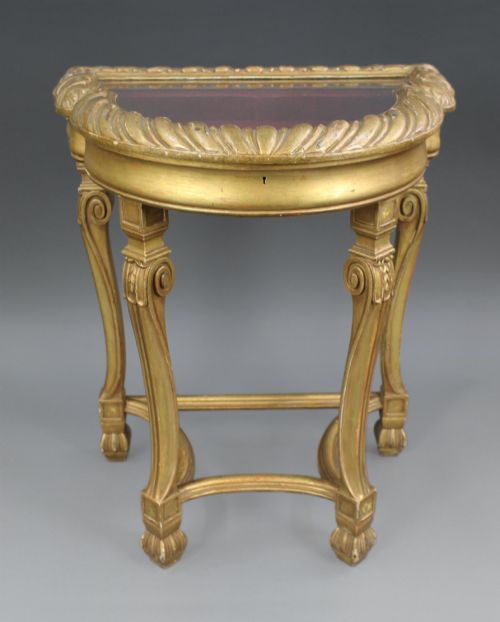
- A shallow display table with a glazed top, created to hold small personal treasures, jewellery, or medals. They often feature hinged lids raised on slender legs.
- Ormolu
- Gilt bronze ornamentation applied to furniture, particularly popular in French nineteenth-century cabinet making. The metal is cast and chased before receiving a gold wash.
- Vernis Martin
- A type of decorative lacquer finish developed in eighteenth-century France and imitated in later revival furniture. It mimics Asian lacquer work through layered translucent varnishes.
Glass Top Display Cabinet: Frequently Asked Questions
What is a bijouterie table?
A bijouterie table is a low display case with a glazed top designed for holding small collectables.
These pieces typically stand on slender legs and feature hinged lids for easy access to the interior.
Where were vitrines placed?
Vitrines stood in formal reception rooms and drawing rooms to exhibit porcelain and ornaments.
Their glass panels allowed light to reach the contents from multiple angles.
How do I date an Edwardian cabinet?
Edwardian cabinets date from the early twentieth century and often display satinwood inlay on mahogany.
Lighter construction styles distinguish them from heavier Victorian precedents.
What is ormolu mounting?
Ormolu mounting involves applying gilded bronze decorative elements to furniture frames.
This technique adds metallic contrast to timber surfaces on French revival pieces.