



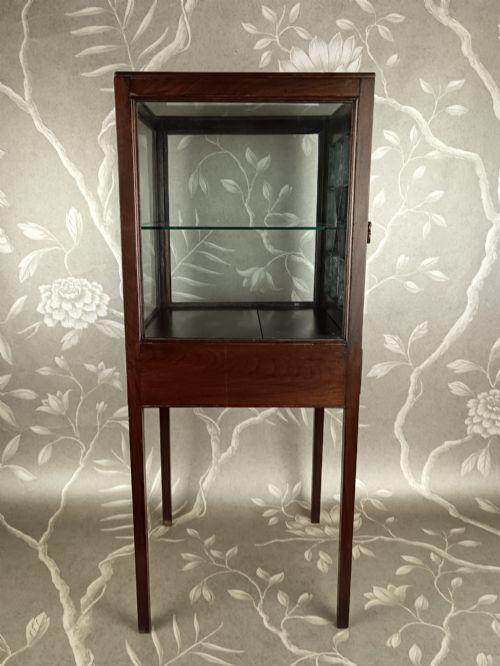

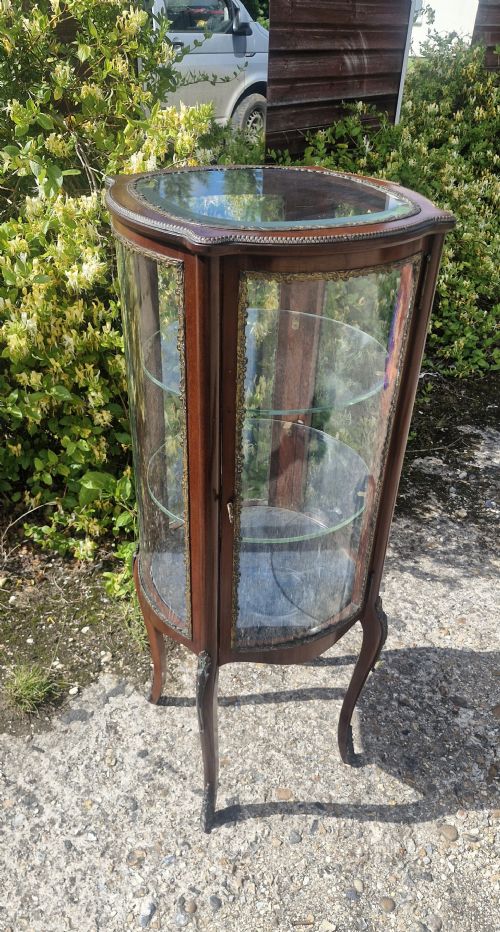

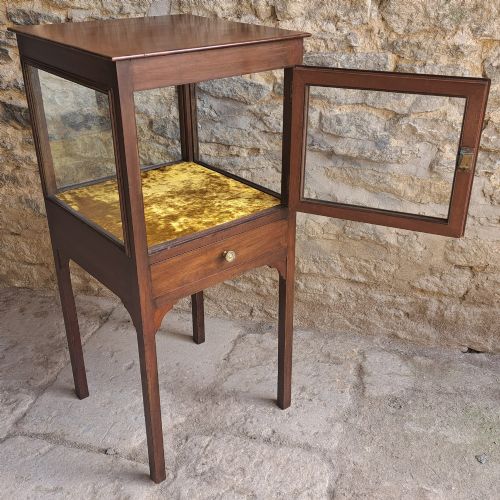
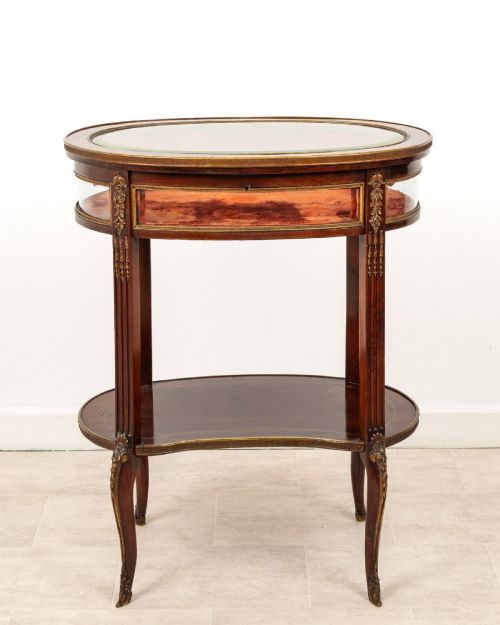

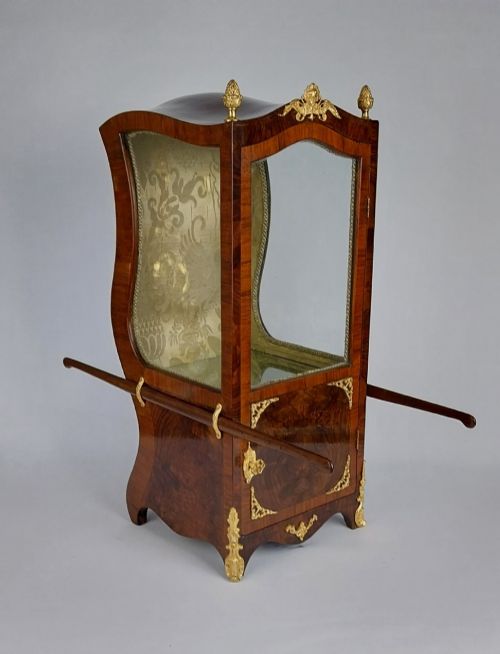


Antique Curio Table
An antique curio table is a glazed display case designed to hold small treasures, combining furniture with personal exhibition.

Antique Curio Table
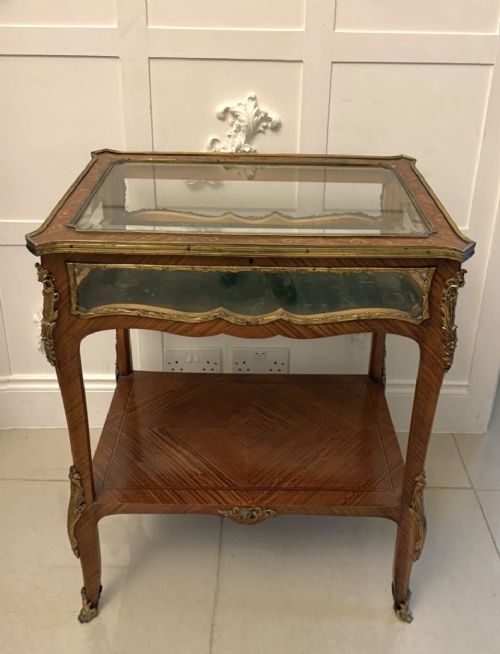
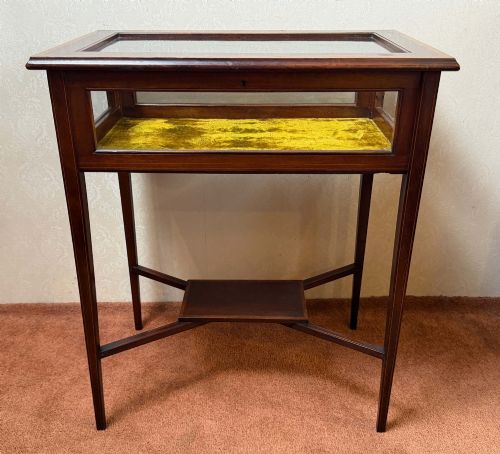
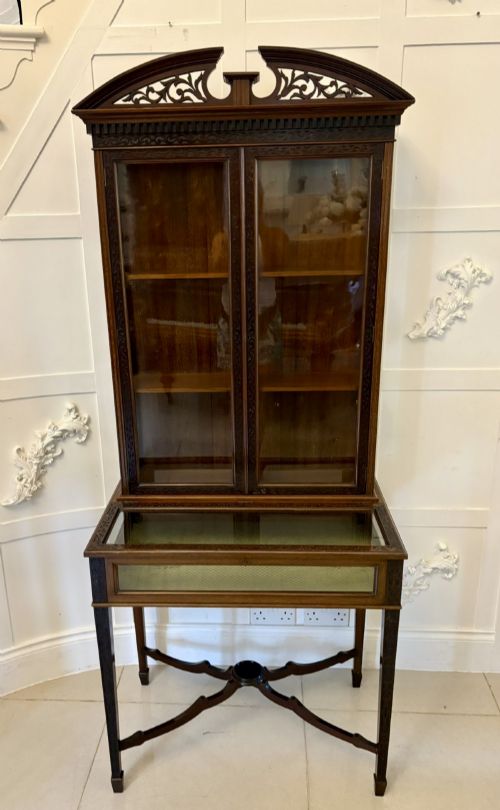
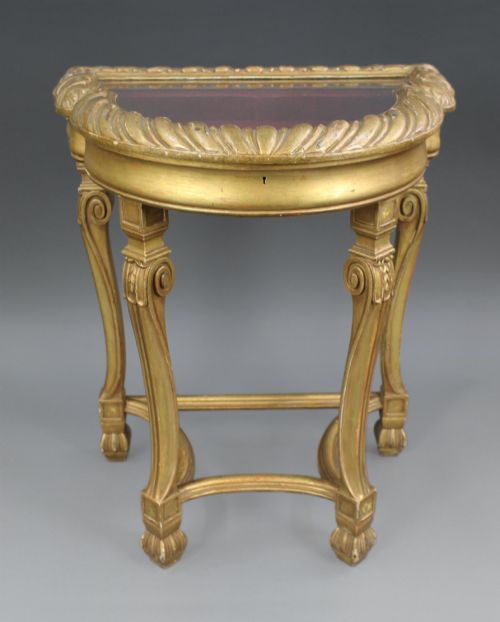
An antique curio table functions primarily as a glazed display surface for holding jewellery, medals, and small collectors' pieces at comfortable viewing height. These pieces appear in forms such as bijouterie tables, display cabinets, vitrines, and table-top display cases originating from the Victorian, Edwardian, and nineteenth-century periods.
The version most commonly encountered on this page is the Edwardian or late nineteenth-century mahogany bijouterie table, frequently featuring glass tops and hinged lids. These tables often incorporate inlay, satinwood, or kidney-shaped designs suited to drawing rooms and boudoirs.
Alternative variations include French Rococo and Louis XV revival pieces fitted with ormolu mounts, alongside occasional rosewood, burr walnut, and kingwood examples. Certain specimens adopt table-top formats designed to sit upon existing surfaces rather than standing on independent legs.
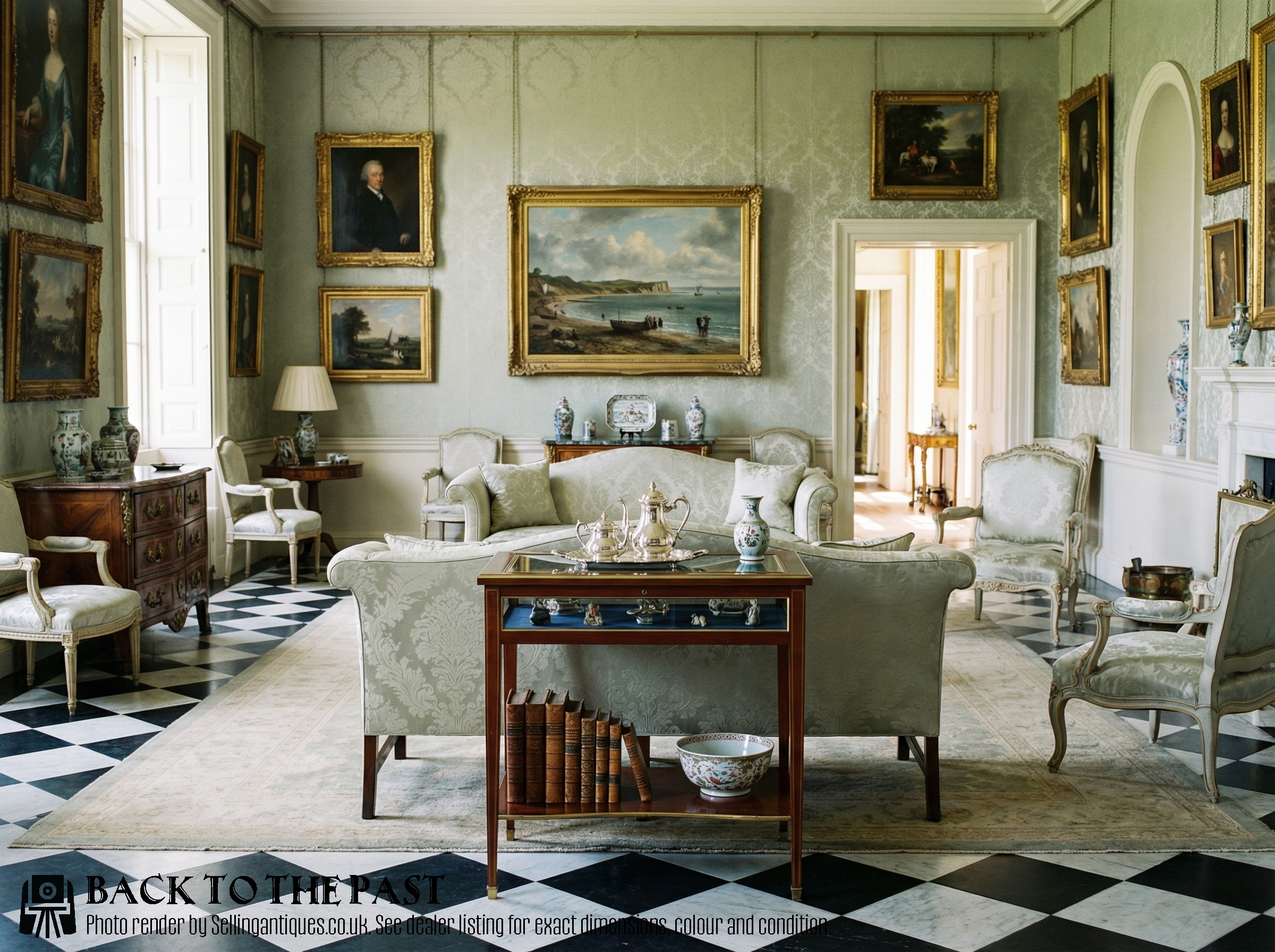
How they were made
Cabinet makers constructed these tables predominantly from solid mahogany, rosewood, satinwood, or walnut, frequently applying fine veneers over secondary timbers. Surfaces often show marquetry inlay, brass stringing, or satinwood banding to define the structural edges.
Glazing forms the central component of the construction, requiring rebated wooden frames or brass mouldings to secure the bevelled glass panels safely. Ormolu or gilt-bronze mounts are cast, chased, and fixed to the corners, legs, and aprons of French and revival pieces.
Interior display areas are typically lined with velvet or fabric to cushion delicate objects, while hinged lids incorporate small brass locks and support arms to keep the glazed compartment secure when opened.
Antique Curio Table Retail Price Guide 2026
Typical asking prices for curio table among the pieces listed under this phrase on Sellingantiques today, from the lower quarter to the upper quarter. They describe what is for sale here now, not the wider market.
Listings feature mahogany, satinwood, rosewood, and kingwood as primary cabinet timbers.
What varies in quality
The standard of timber selection and cabinet work dictates the baseline quality, separating plain structural joinery from finely figured mahogany, burr walnut, or meticulously matched kingwood veneers. Superior examples display precise marquetry inlay and clean mitres where the glazed frame meets the table body.
Mounts and hardware create a distinct tier of distinction, with heavy cast and chased ormolu or gilt-bronze fittings indicating a higher grade of production than stamped brass alternatives. The thickness, bevelling, and clarity of the original glass panels further separate standard utility pieces from exhibition-grade furniture.

Edwards and Roberts·Quincy Showcase Works
The Antique Curio Table Glossary
- Bijouterie table
- A glazed display table specifically made for housing small precious objects, jewellery, and curiosities. These tables feature a glazed compartment above four legs.
- Vitrine
- A glass-panelled cabinet or display case used for exhibiting porcelain, curios, and fine objects. They occur as freestanding furniture or table-top variations.
- Ormolu
- Gilded bronze mounts applied to the exterior angles, legs, and aprons of nineteenth-century furniture. The technique involves applying a gold amalgam to bronze before heating.
- Marquetry
- Decorative patterns formed by fitting contrasting veneers into a prepared wooden background. Cabinet makers utilise this technique to create floral or geometric designs on table tops.
- Kidney shaped
- A curved furniture top resembling the outline of a kidney, popular in Edwardian satinwood and mahogany writing and display tables.
Antique Curio Table: Frequently Asked Questions
What is a bijouterie table?
A bijouterie table is a specialised piece of furniture featuring a glass-topped or glass-sided compartment designed to display small valuable items.
These tables raise collections to eye level, allowing owners to exhibit jewellery, coins, and miniatures securely inside a dust-free enclosure.
How were curio tables used?
Victorians and Edwardians used curio tables in drawing rooms to converse over personal collections gathered during travels or inherited from family.
The glass lids protected delicate items while turning everyday parlour furniture into miniature personal museums for visiting guests.
Are these tables solid mahogany?
Most curio tables utilise a combination of solid framing timbers and decorative veneers applied to stable secondary woods.
High-grade examples employ solid mahogany or satinwood for the structural legs and rails, while expansive surfaces feature matched wood veneers.
How do I date an Edwardian curio table?
Edwardian curio tables typically date between 1901 and 1910, often displaying lighter satinwood or mahogany timbers with restrained inlay.
They frequently lean towards Sheraton revival forms, differing from the heavier rosewood and walnut constructions of the earlier Victorian era.