







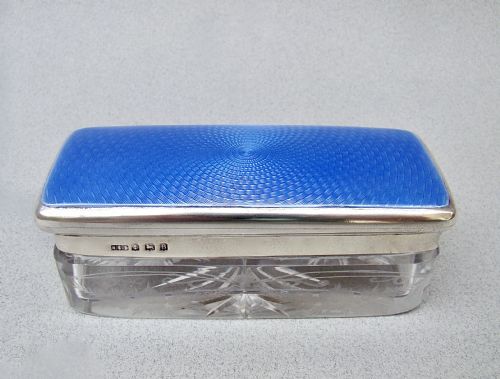

Antique Glass Top Table
An antique glass top table brings together clear panes and traditional timber frames to display delicate treasures or anchor a reception room.

Antique Glass Top Table
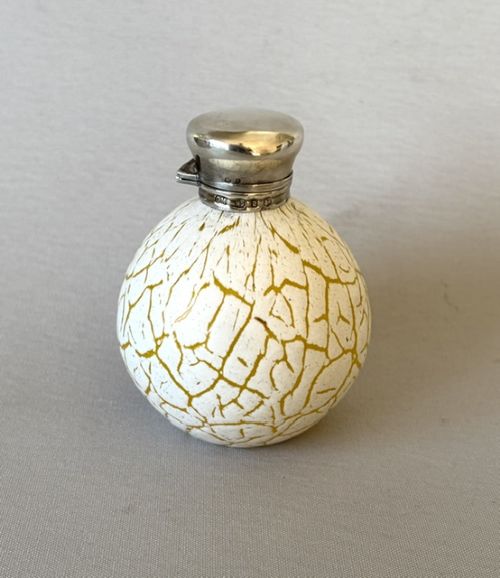
The search phrase antique glass top table gathers items ranging from compact bijouterie display cases and coffee tables to console surfaces and smaller tabletop scent containers.
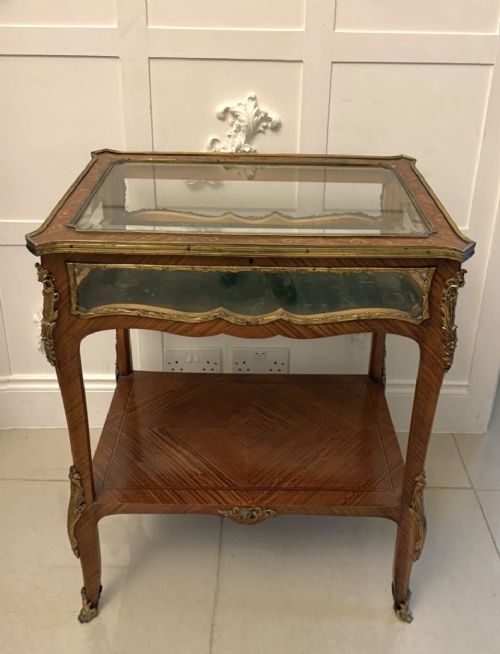
Mahogany, walnut, and satinwood provide the structural timber framework for Edwardian and Victorian display pieces, while brass and ormolu mounts add decorative weight.
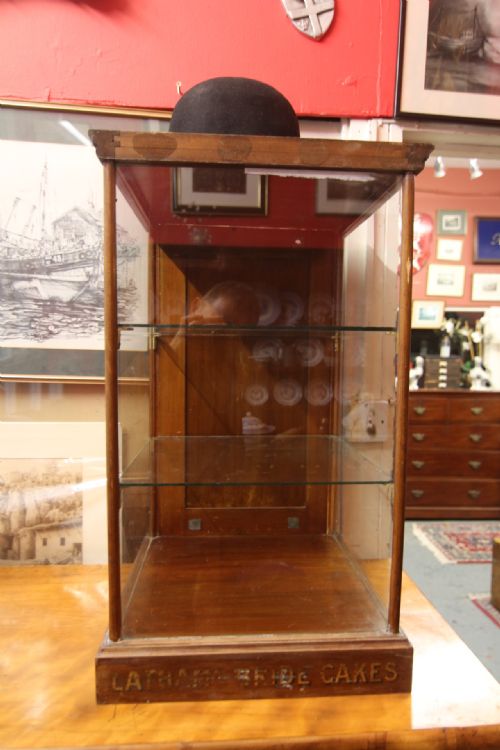
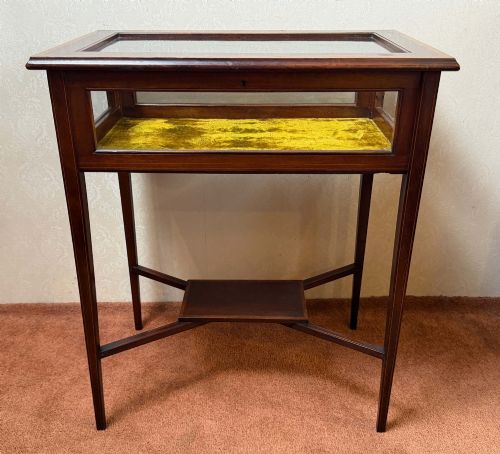
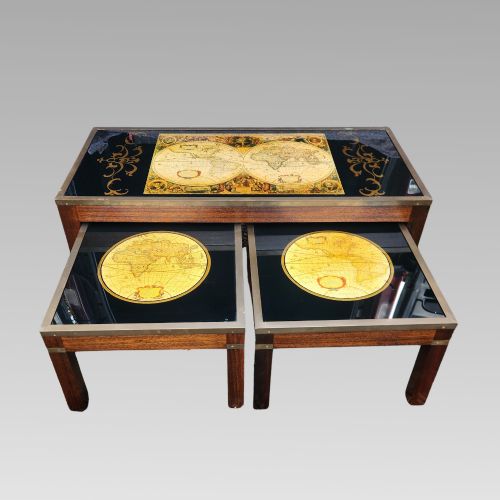
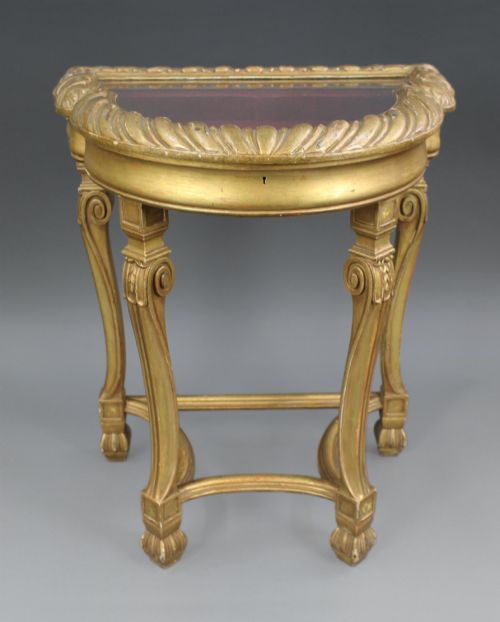
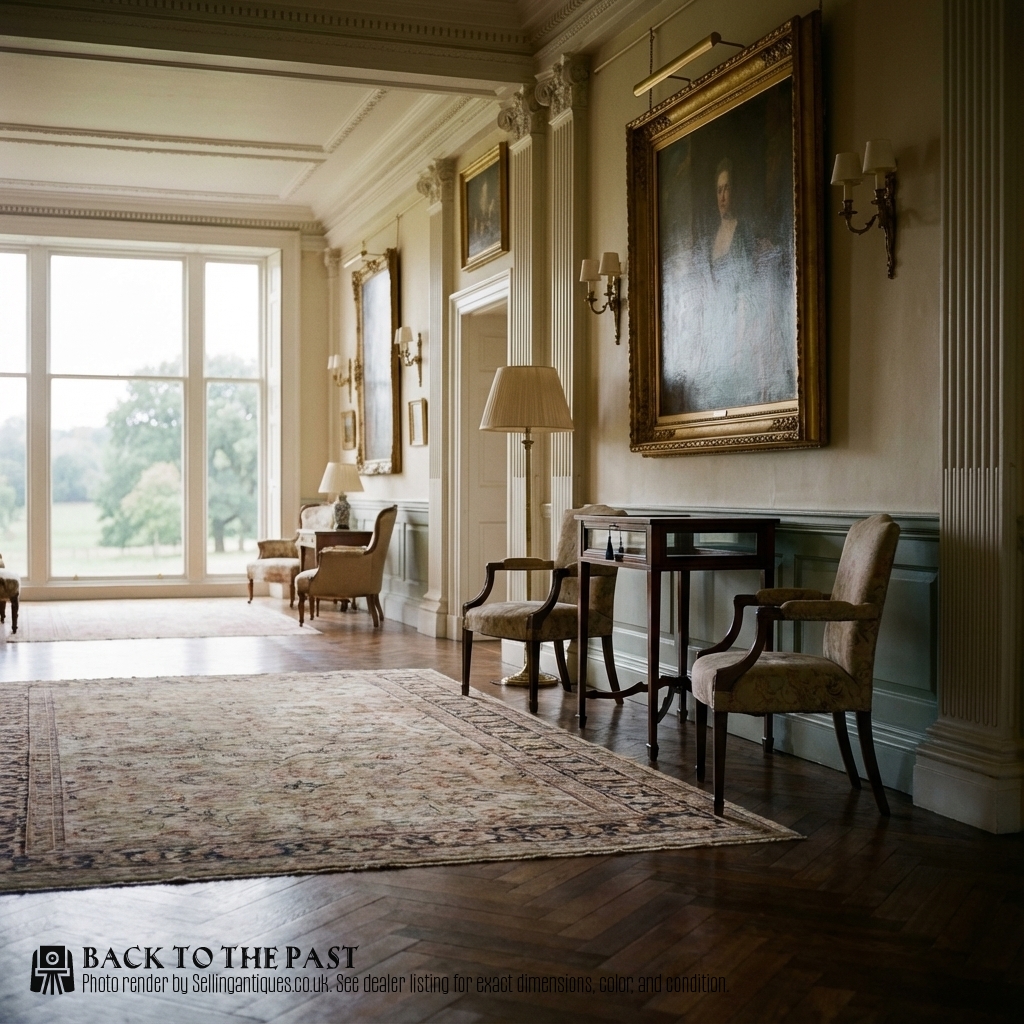
Buyers meet glazed display tables most frequently, designed with hinged glass lids to reveal lined interiors for small items, alongside occasional low coffee tables and console variations.
Materials and construction
Cabinetmakers utilised dense hardwoods like mahogany and walnut for framing, frequently employing marquetry inlay, satinwood banding, and gilded ormolu mounts to ornament the exterior surfaces.
Glazing involved heavy bevelled or flat glass plates set securely into rebated timber frames, paired with cast brass hinges, locks, and velvet or silk interior linings for presentation cabinets.
Antique Glass Top Table Retail Price Guide 2026
Typical asking prices for glass top table among the pieces listed under this phrase on Sellingantiques today, from the lower quarter to the upper quarter. They describe what is for sale here now, not the wider market.
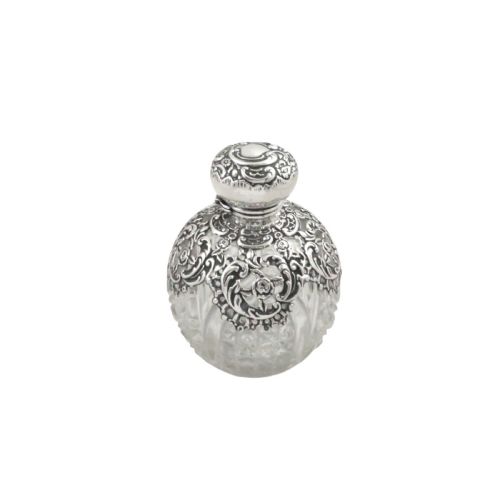
Several travel companions in the collection include fitted silver-topped cologne bottle trios made for Edwardian journeys.
Distinctions in standard
Superior examples show refined hand-cut dovetail joints, crisp timber carving, and substantial cast-brass or ormolu mounts that fit flush against the wood.
Finer display cases maintain original bevelled glass plates and intact interior fabric linings, whereas simpler utility pieces display plain flat glass and minimal decorative embellishment.
A. J. Pepper & Co·Henry Clifford Davis·Henry Perkins
The Antique Glass Top Table Glossary
- Bijouterie table
- A specialised display cabinet featuring a glazed top and sides, created to exhibit small valuables, jewellery, and curiosities.
- Ormolu
- Gilded bronze or brass mounts applied to furniture frames for decorative accent during the eighteenth and nineteenth centuries.
- Guilloche
- An intricate architectural pattern of intersecting curved bands, often filled with coloured enamel on silver cosmetic items.
- Marquetry
- Decorative veneer work arranged in pictorial or geometric patterns using various coloured woods.
Antique Glass Top Table: Frequently Asked Questions
What is a bijouterie table used for?
These glazed display tables were designed in the Victorian and Edwardian periods to hold and exhibit personal trinkets, medals, fans, and small collections.
The transparent glass top allowed visitors and owners to inspect delicate items without handling them directly while keeping dust away.
How do I date a mahogany display table?
Cabinet makers working during the Edwardian and Victorian eras relied on specific timber selections, such as solid mahogany frames paired with satinwood stringing and hand-cut joinery.
Examining the construction of the interior lining bed and the brass hardware provides clear indicators of the manufacturing decade.
Where should I place a glass console table?
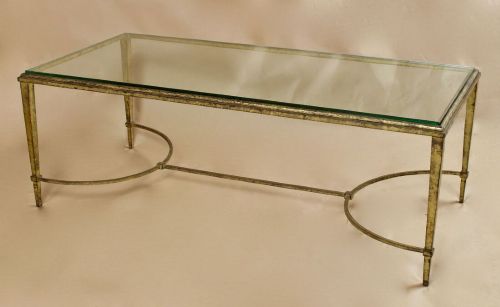
Console tables with glass surfaces suit hallways, reception rooms, and sitting areas where reflective materials help bounce natural light around the interior space.
Their narrow footprint allows them to sit flat against walls without obstructing pathways in compact rooms.
Are coffee tables from this period common?
Low coffee tables appear less frequently from the earliest nineteenth-century listings, as many low surfaces originated as conversion pieces or later twentieth-century introductions.
Original forms from the Edwardian and Art Deco decades include low tea trolleys and occasional tables adapted for modern lounge spaces.