






Glazed Display Table
These glazed display table pieces combine clear glass protection with timber frames to showcase small treasures in domestic interiors.

Glazed Display Table
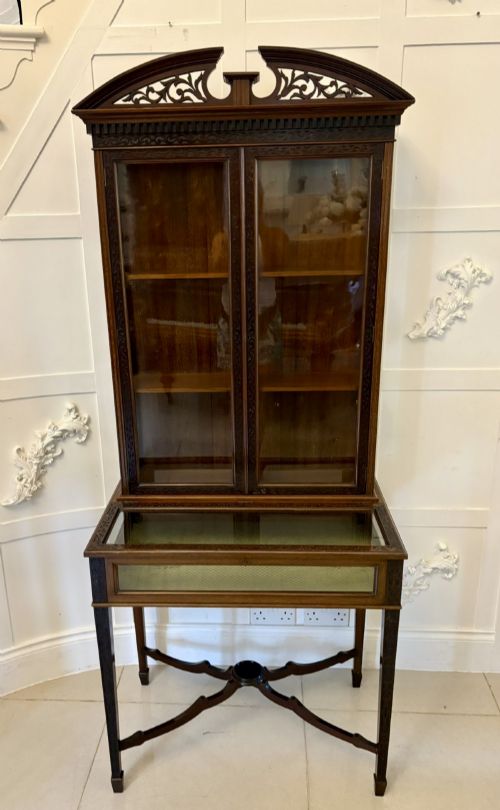
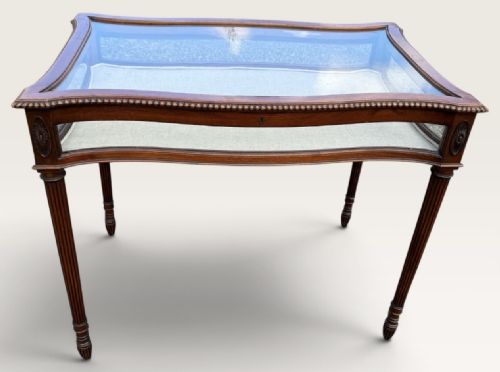
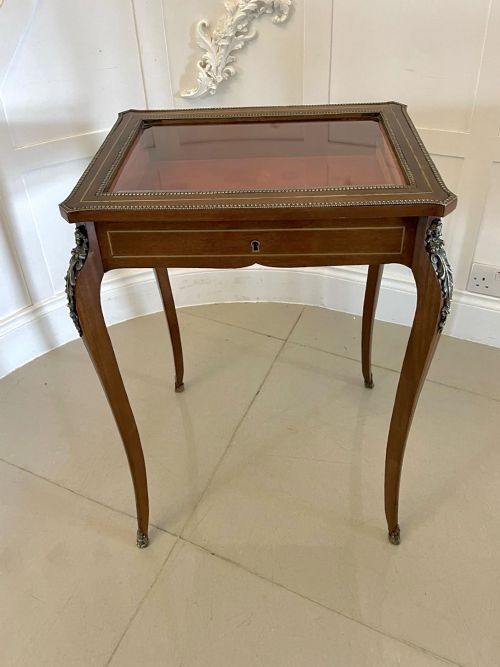
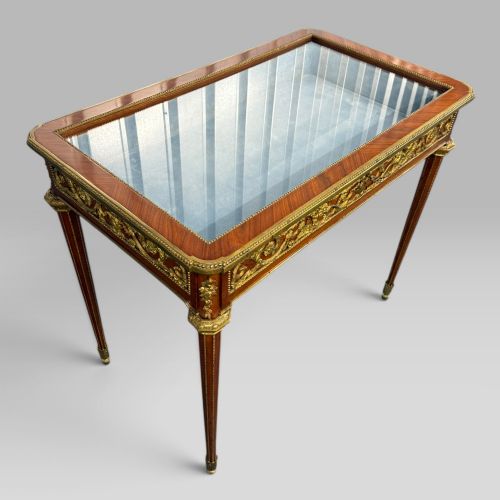
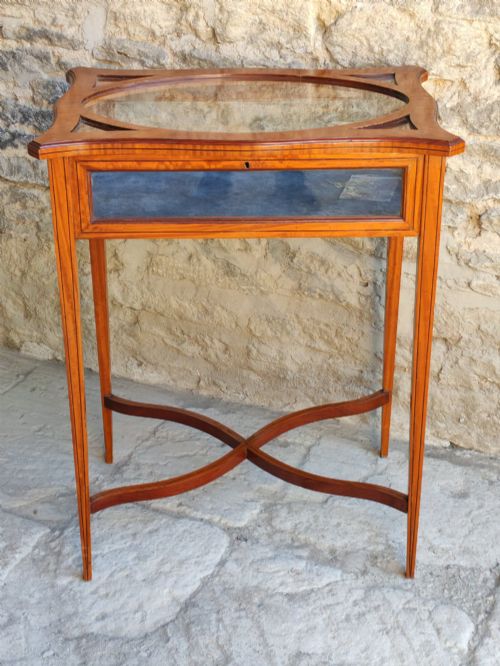
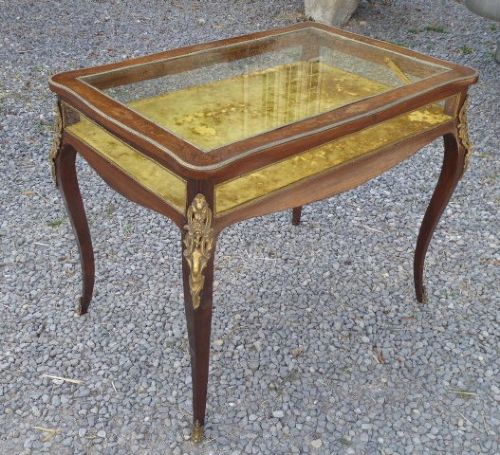
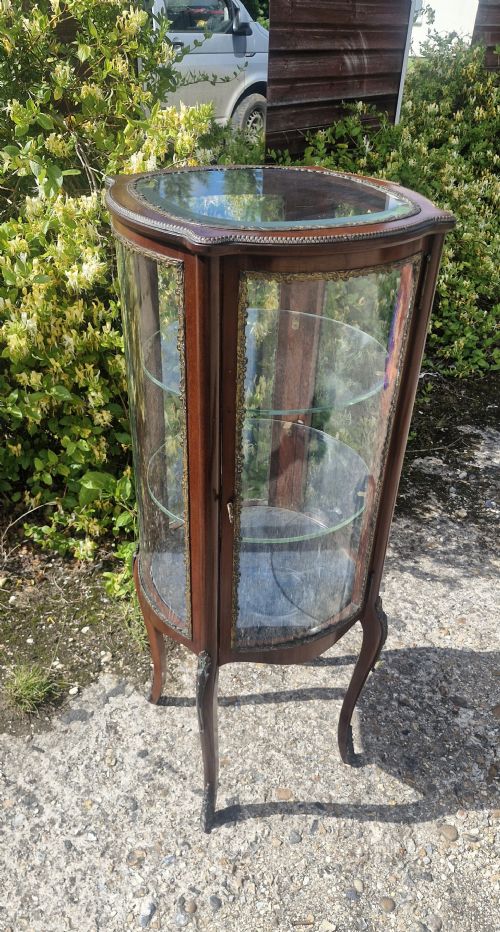
A glazed display table provides a surface for placement alongside a glass-enclosed compartment beneath for exhibiting small collectibles, jewellery and curiosities. This search phrase encompasses low standing vitrines, bijouterie tables and smaller tabletop display cases designed for parlour or drawing room use.
How They Were Made
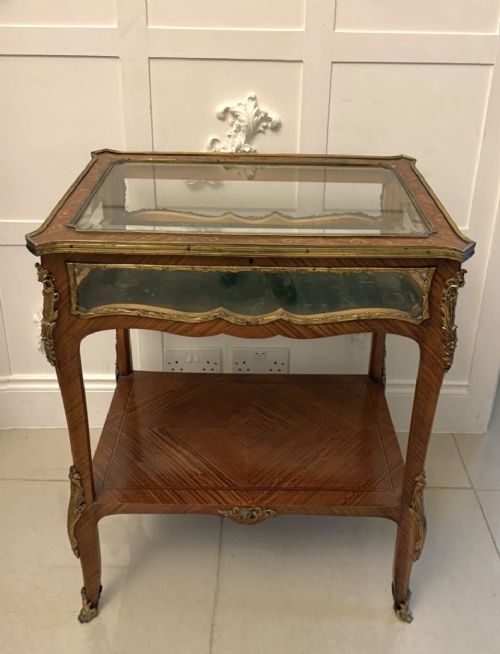
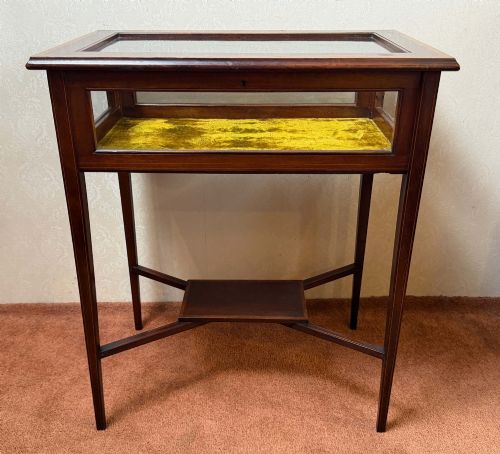
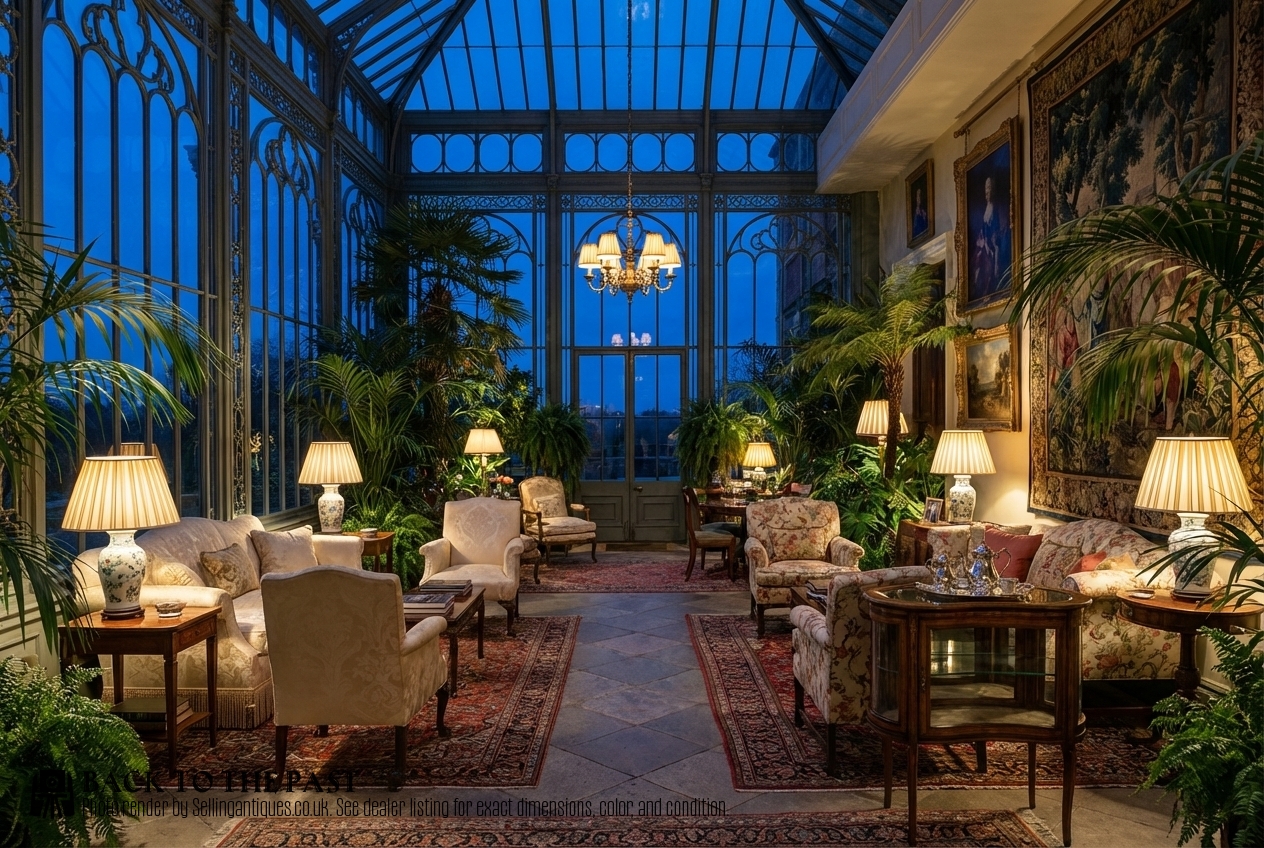
Cabinet makers constructed the foundational frames using dense timbers such as mahogany, satinwood, kingwood and walnut, often applying decorative marquetry or delicate inlay work. Glass fitted into hinged or sliding lids allows unobstructed viewing of the interior compartment.
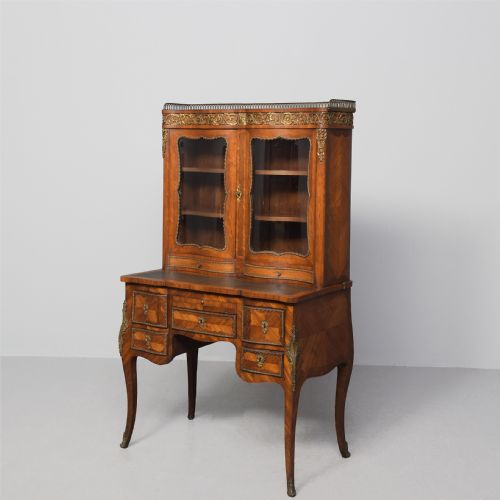
Metal components play a structural and decorative role, with brass hinges, locks and cast ormolu mounts securing the timber joints and framing the glass panels. Interiors commonly feature original fabric linings including velvet or satin to cushion displayed items.
Glazed Display Table Retail Price Guide 2026
Typical asking prices for glazed display table among the pieces listed under this phrase on Sellingantiques today, from the lower quarter to the upper quarter. They describe what is for sale here now, not the wider market.
Listings feature woods including mahogany, satinwood, kingwood, walnut, and rosewood paired with glass and brass.
What Varies in Quality
Construction standards depend upon the precision of the timber joinery and the complexity of the wood selection, such as figured mahogany or detailed marquetry patterns. Finer examples display crisply cast ormolu mounts and carefully fitted glass panels that seat flush within the timber frame.
The interior finish and mechanism operation also distinguish different grades of manufacture, seen in smooth lid movements and well-preserved velvet or fabric linings. Tables featuring shaped forms like serpentine or kidney contours typically demand greater carpentry skill than standard rectangular boxes.
Edwards and Roberts·François Linke
The Glazed Display Table Glossary
- Bijouterie table
- A low display table with a glass top and sides intended for holding small ornaments and personal trinkets. These pieces frequently incorporate hinged lids lined with velvet.
- Ormolu
- Gilt bronze ornamentation applied to furniture frames for decorative effect. This technique was widely utilised in French revival cabinet making.
- Marquetry
- The art of applying pieces of veneer to a structure to form decorative patterns. Craftsmen utilised contrasting timbers like satinwood and mahogany to achieve visual depth.
- Vitrine
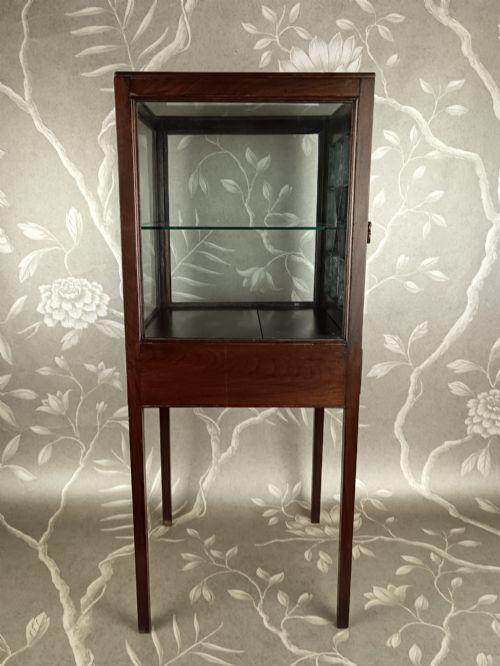
- A glass-fronted or glass-topped cabinet designed for the exhibition of objects. The term encompasses both standing display cases and table formats.
Glazed Display Table: Frequently Asked Questions
What were glazed display tables originally used for?
These tables served in nineteenth century drawing rooms for exhibiting delicate personal possessions, medals and natural history specimens.
Guests would inspect the collected items through the glass top while conversing in the parlour.
How do I care for the fabric lining inside?
Original velvet and fabric linings require gentle surface dusting with a soft brush to remove accumulated debris.
Direct sunlight should be avoided to prevent the fading of textile colours and timber finishes over time.
Are the glass panels usually original?
Many surviving examples retain their original float or cylinder glass panes, which exhibit characteristic minor surface ripples.
Replacement panes appear in newer repairs where older glass sustained accidental breakage during previous domestic use.
How can I distinguish Edwardian pieces from Victorian ones?
Victorian examples often feature heavier mahogany or walnut construction with deep carved details and robust brass mounts.
Edwardian pieces generally lean towards lighter satinwood inlays, slender cabriole legs and refined neoclassical revival influences.