




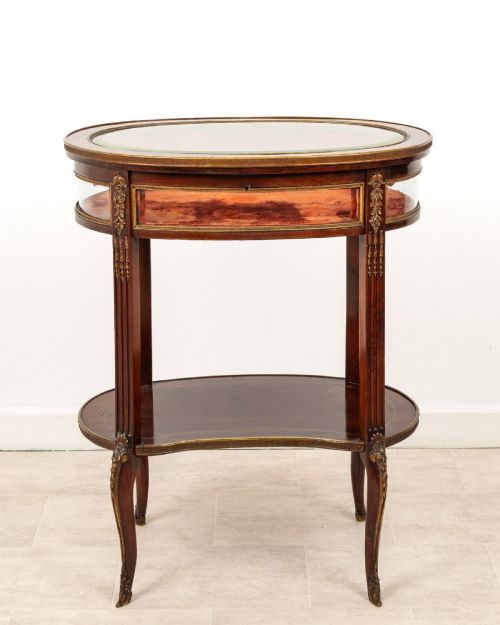
Antique Collectors Table
An antique collectors table brings small treasures out into the light, combining secure display space with refined period craftsmanship.

Antique Collectors Table
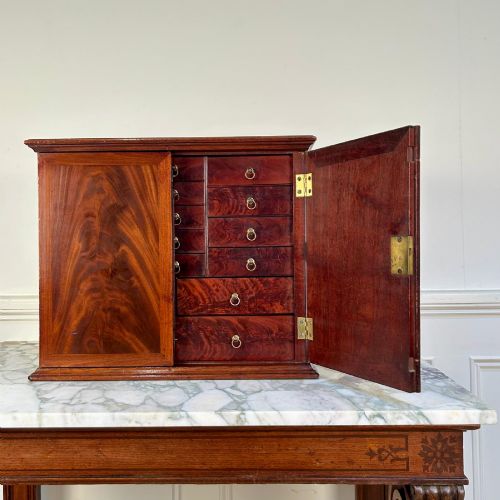
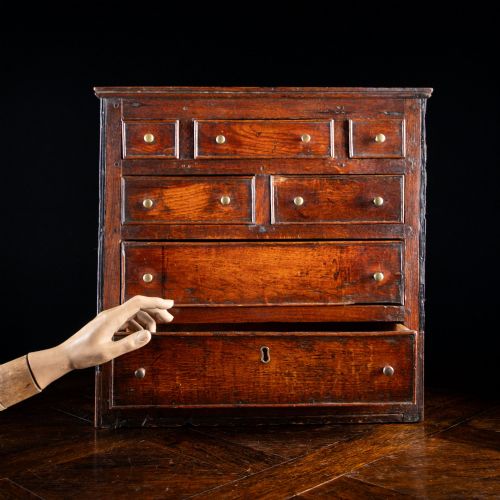
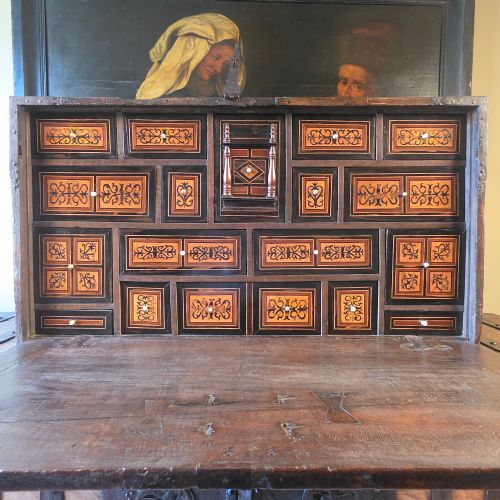
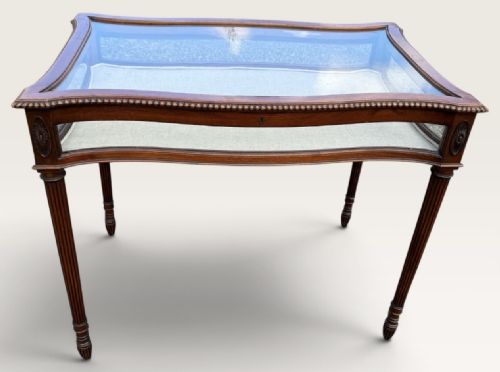
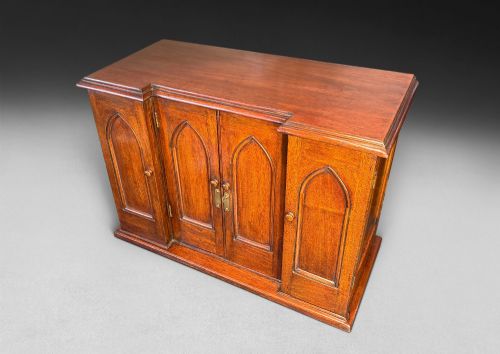
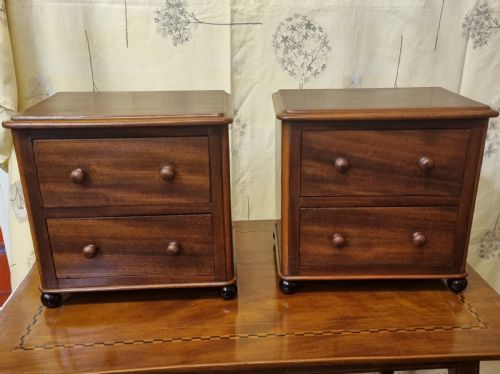
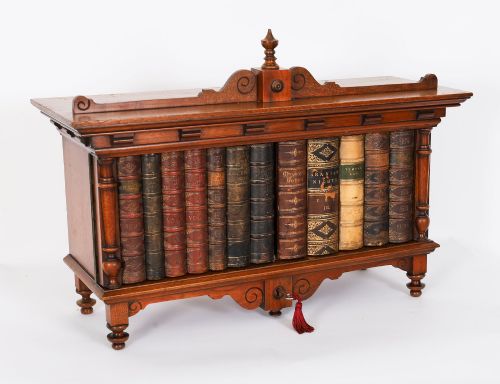
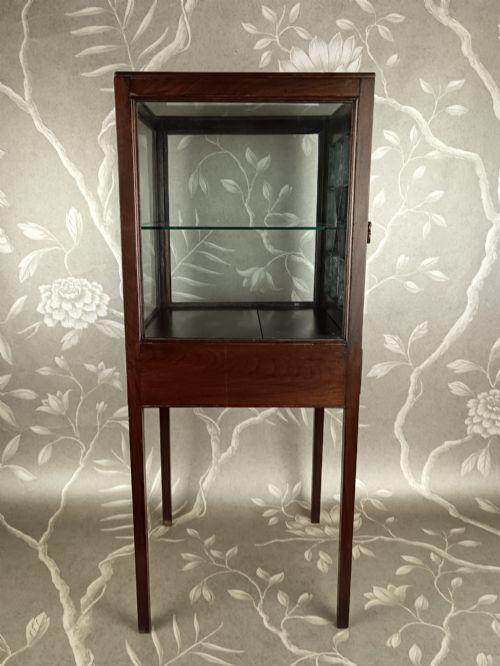
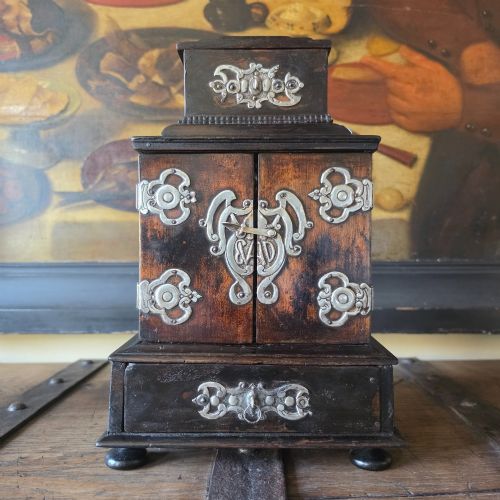
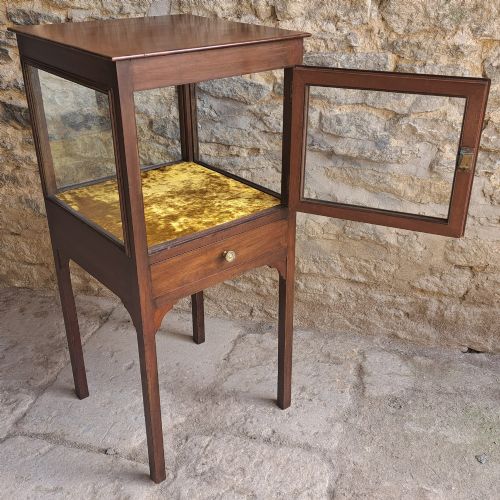
When searching for an antique collectors table, you encounter a mix of glazed display surfaces and compact timber chests designed to organise small objects. These pieces range from glass-topped bijouterie tables on slender legs to tabletop cabinets with internal drawers meant for specimens and jewellery.
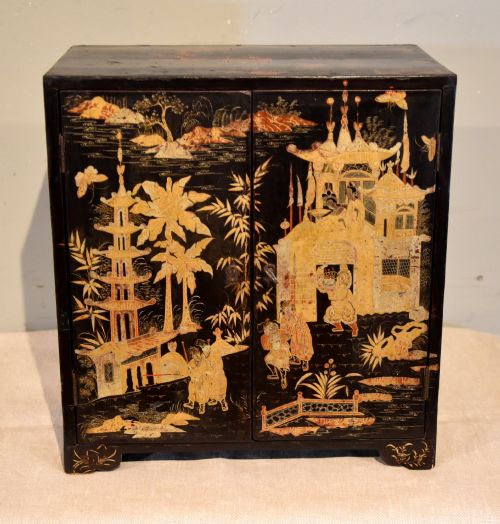
Origins vary from English workshops to French ateliers and Japanese lacquer production, reflecting diverse domestic uses across centuries. The primary purpose remains the safe containment and presentation of delicate possessions within a domestic interior.
How they were made
Cabinetmakers utilised dense hardwoods such as mahogany, walnut, and oak to construct stable carcases that could support glass panels or multiple internal drawers. Finer pieces incorporate decorative veneers like satinwood, harewood, or burr walnut, sometimes enhanced with delicate marquetry and inlay.
Metal mounts in brass, ormolu, or pewter provide structural reinforcement and decorative accents around locks, handles, and glass frames. Interior surfaces are frequently lined with fabric or velvet to cushion delicate items placed within the display areas.
Antique Collectors Table Retail Price Guide 2026
Typical asking prices for collectors table among the pieces listed under this phrase on Sellingantiques today, from the lower quarter to the upper quarter. They describe what is for sale here now, not the wider market.
The listings span from seventeenth-century oak cabinets to twentieth-century glass-topped bijouterie tables in mahogany and walnut.
What varies in quality
The degree of refinement in timber selection and cabinetmaking distinguishes standard utility pieces from exceptional commissions. Matched burr veneers, hand-cut marquetry inlay, and cast ormolu mounts indicate a higher level of workshop investment during production.
Proportion and execution of detail dictate the visual success of the piece, from the joinery of internal specimen drawers to the curve of serpentine glass tops. Pieces bearing identifiable maker signatures or specialised functional mechanisms represent the upper tier of the range.
Edwards and Roberts·Berthold Muller·Orivit
The Antique Collectors Table Glossary
- Bijouterie table
- A glass-topped display table specifically designed for showing small decorative objects, jewellery, and curiosities. These tables typically feature hinged or lift-off lids.
- Vitrine
- A glass-fronted or glass-topped cabinet intended for the exhibition of fine items. The term encompasses both freestanding display furniture and tabletop presentation cases.
- Table cabinet
- A compact cabinet designed to sit upon a desk or larger piece of furniture, containing multiple drawers or compartments. They often served to store medals, coins, or writing equipment.
- Ormolu
- Gilded bronze mounts applied to furniture for decorative effect, particularly prevalent in French-influenced design. The technique involves applying a gold amalgam to a bronze base.
- Burr walnut
- Timber taken from the gnarled growths of a walnut tree, prized for its swirling, highly figured grain patterns. It is frequently sliced into veneers for decorative cabinet surfaces.
Antique Collectors Table: Frequently Asked Questions
What is a bijouterie table used for?
A bijouterie table serves to display small valuables, miniatures, and personal trinkets beneath a protective glass top. The glazed surface allows items to be viewed clearly while remaining safe from dust and handling.
In period interiors, these tables occupied drawing rooms where hosts could share personal collections with guests. Today they function similarly, offering a focal point for displaying curated groups of small antiques.
How do I tell a table cabinet from a standard chest?
Table cabinets are distinguished by their compact scale, designed expressly to rest upon a table, desk, or larger chest of drawers. They frequently house numerous shallow drawers intended for specific small items like coins or geological specimens.
Larger chests stand independently on the floor and serve different storage needs. The internal layout of a table cabinet usually prioritises compartmentalisation over bulk clothing storage.
What woods were commonly used?
Mahogany and walnut form the structural core of the majority of pieces found here, valued for their strength and stability. Burr walnut veneers were frequently selected for their decorative grain patterns on display surfaces.
Oak appears in earlier pieces and sturdy cabinet carcases, while exotic woods like satinwood and harewood were utilised for contrasting inlay work. Regional variations also introduce Japanese lacquer and European ebonised finishes.
How should I care for a velvet-lined interior?
Velvet and fabric linings require gentle maintenance to preserve their texture and colour over time. Gentle surface dusting with a soft brush helps prevent the accumulation of particles without damaging the fabric.
Keeping the piece away from direct sunlight prevents the fading of dyed textiles and protects vulnerable timbers. Stable indoor humidity ensures that wooden frames and glued joints remain secure around the fabric elements.