


Red Velvet Display Table
A red velvet display table brings focus to small treasures, combining glazed timber frames with soft textile linings to show off collections.
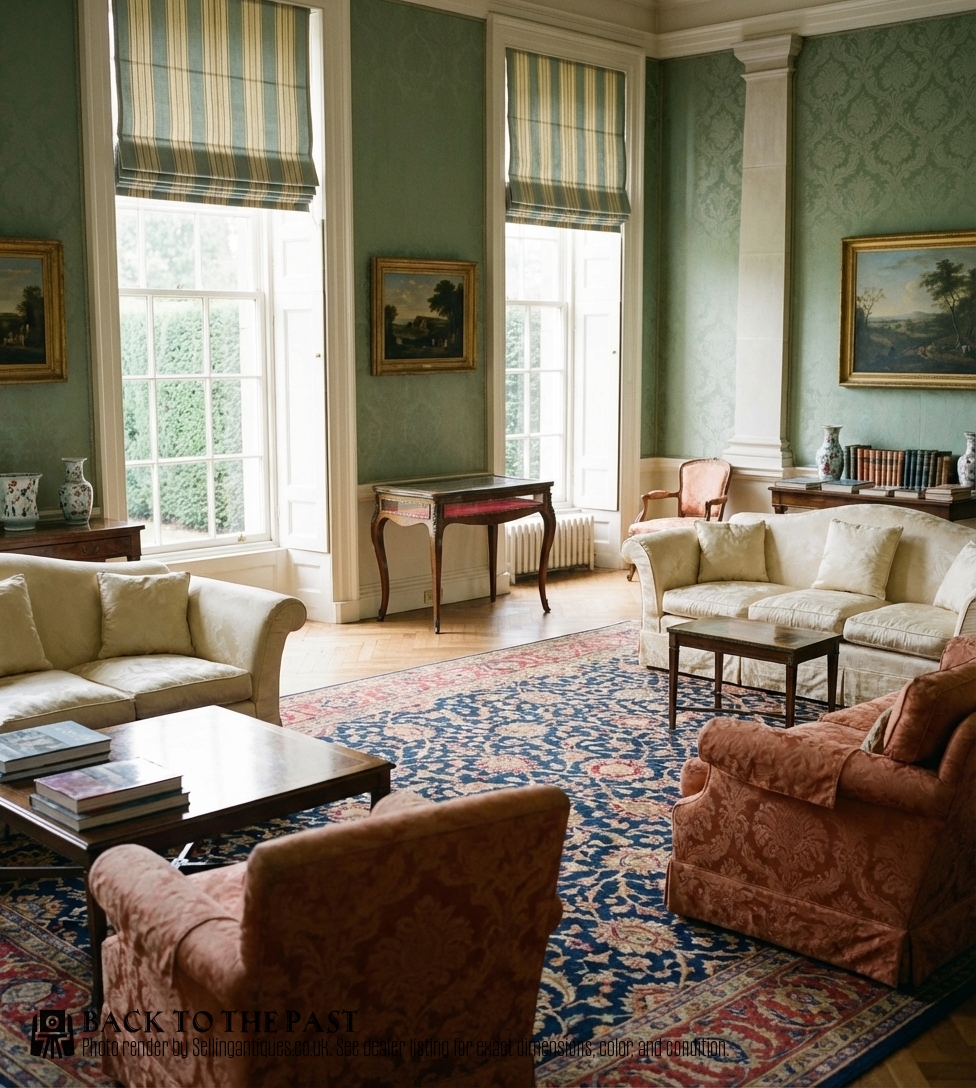
Red Velvet Display Table
When searching for a red velvet display table, buyers encounter a specific type of furniture designed to protect and present small objects under glass. These pieces primarily take the form of bijouterie tables, vitrines, and display cabinets originating from the late nineteenth century through to the Edwardian period and the nineteen-thirties.
The selection here ranges from compact mahogany bijouterie tables to large glazed display cabinets and shop counters. Materials span mahogany, rosewood, bamboo, and lacquer, often paired with glass and lined with rich textile surfaces for holding jewellery or curiosities.
Period examples lean heavily into revival aesthetics, showing French Rococo, Louis XV, and Louis XVI influences alongside cleaner commercial designs from later decades. The red velvet display table serves both domestic drawing rooms and commercial shop interiors with equal measure.
Construction and materials
Makers utilised solid and veneered timbers such as mahogany and rosewood to build the primary carcass, frequently incorporating glazed lids and side panels to admit light. In alternative examples, bamboo and lacquer provide a lighter structural framework suited to exotic taste.
Metalwork played a defining role in embellishment, with brass and ormolu mounts securing corners, framing glass, and accentuating the legs. Interior surfaces received careful textile upholstery, laying down red velvet to cushion objects and create visual contrast with the woodwork.
Red Velvet Display Table Retail Price Guide 2026
Typical asking prices for red velvet display table among the pieces listed under this phrase on Sellingantiques today, from the lower quarter to the upper quarter. They describe what is for sale here now, not the wider market.
Bijouterie tables once let Victorian hosts discreetly check if their guests were admiring the family heirlooms.
Assessing quality and craftsmanship
Superior examples separate themselves through the selection of timber grain and the precision of joinery, particularly in curved glass frames and tightly mitred corners. Finer pieces incorporate substantial ormolu mounts rather than simple brass stampings, displaying crisper chased detail across the metalwork.
The integration of the glazed top or cabinet door dictates daily usability, where smooth action and sturdy hinges distinguish better workshops. Original textile linings and intact glass panes hold greater appeal for those seeking period integrity.
The Red Velvet Display Table Glossary
- Bijouterie table
- A specialised table with a glazed compartment designed for displaying small valuables and curiosities. These pieces often feature hinged or lifting tops lined with fabric.
- Vitrine
- A glass-fronted cabinet or case used for exhibiting objects. The term covers both upright furniture and table-height display units.
- Ormolu
- Gilded bronze used for decorative mounts and furniture trimming. This technique creates a rich golden finish that highlights classical or revival motifs.
- Louis XVI Revival
- A nineteenth-century design style drawing on neoclassical French furniture forms. Pieces typically exhibit straighter lines and restrained ornamentation compared to earlier rococo revivals.
Red Velvet Display Table: Frequently Asked Questions
What is a bijouterie table?
A bijouterie table is a low display piece featuring a glazed top and a fabric-lined interior compartment. It was traditionally used in drawing rooms to exhibit small collections of jewellery, medals, and trinkets.
These tables lift open or slide to allow access to the interior while keeping dust away from delicate items.
How do I date these tables?
Dating relies on identifying timber choices, construction methods, and decorative styles tied to specific decades. Late nineteenth-century pieces often feature heavy mahogany frames and elaborate ormolu mounts, while nineteen-thirties examples lean towards commercial utility.
Revival styles such as Louis XV and Edwardian adaptations also provide clear stylistic markers for placement within a timeline.
Are these tables suitable for modern homes?
These tables adapt well to contemporary interiors by serving as focal points for displaying personal collections. Their glass tops and compact footprints allow them to function as coffee tables or side units in living spaces.
They offer secure display space that keeps delicate objects protected from daily household wear.
What maintenance do velvet linings need?
Velvet interiors require gentle care to prevent dust accumulation and fading from direct sunlight. Using a soft brush or low-suction attachment helps maintain the nap of the textile without damaging the fabric.
Keeping the furniture away from windows protects both the wood finish and the vibrant colour of the lining.