



Bamboo Display Cabinet
A bamboo display cabinet brings the organic warmth and exotic flair of the nineteenth century into a modern interior.
Bamboo Display Cabinet
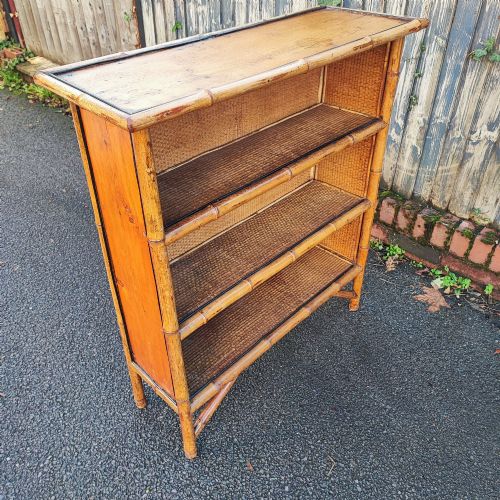
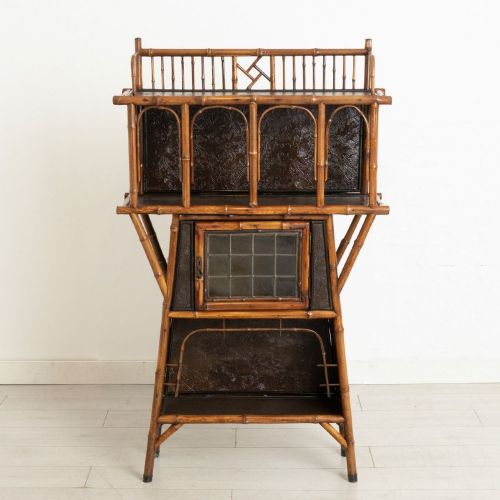
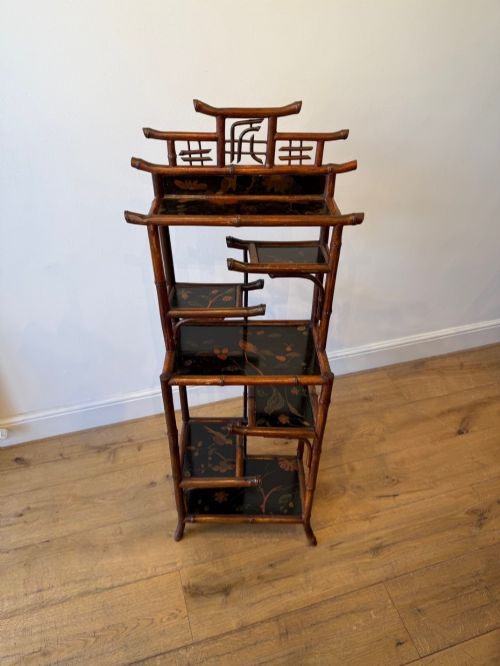
A bamboo display cabinet is a piece of nineteenth-century furniture designed to showcase treasured objects while introducing natural texture to a room. The evidence reveals forms ranging from straightforward shelving units and corner cabinets to glazed bookcases and bijouterie tables.
The pieces on this page span the late nineteenth century, specifically the eighteen-eighties and eighteen-nineties. Many align with the Aesthetic Movement and Victorian Chinoiserie taste, reflecting a period fascination with Eastern design motifs.
Buyers most frequently encounter tall display cabinets and corner cupboards featuring glass panels and wooden framing. These configurations successfully combine lightweight construction with practical storage and display capacity.
How they were made
Maker's workshops built these structures using natural bamboo for the main framework, often combined with wood for internal shelves and backing. Glass panels were fitted into doors to protect the contents while maintaining visibility.
Surface decoration frequently incorporated lacquer, embossed paper, and lacquered paper panels depicting Japanese or Chinese scenes. Some variations featured velvet linings within display areas to cushion delicate items.
Bamboo Display Cabinet Retail Price Guide 2026
Typical asking prices for bamboo display cabinet among the pieces listed under this phrase on Sellingantiques today, from the lower quarter to the upper quarter. They describe what is for sale here now, not the wider market.
Victorian craftsmen occasionally simulated bamboo out of ordinary timber, proving that imitation remains the sincerest form of Victorian flattery.
What varies in quality
Quality rests upon the structural integrity of the bamboo frame and the precision of its joinery. Superior examples maintain rigidity without loosening at the joints, whereas lesser pieces suffer from wobbling after decades of use.
The sophistication of the surface finish dictates the upper tier of the range. Hand-applied lacquer, intricate paper panels, and well-preserved glass elevate a piece far above standard utilitarian shelving.
Leonard Wyburd for Liberty and Co
The Bamboo Display Cabinet Glossary
- Aesthetic Movement
- A late nineteenth-century design style prioritising visual beauty over narrative subject matter. It heavily influenced the adoption of Japanese motifs in British furniture.
- Bijouterie table
- A glass-topped display table specifically designed for small ornaments and precious trinkets. The evidence shows these pieces sitting low on bamboo frames.
- Japanned
- A European imitation of Japanese lacquerwork applied to furniture surfaces. This finish appears frequently on nineteenth-century bamboo pieces.
- Vitrine
- A glass display cabinet used primarily for porcelain and curiosities. These structures provide all-around visibility for collections.
Bamboo Display Cabinet: Frequently Asked Questions
How do I clean a bamboo display cabinet?
Dust the bamboo frame regularly with a dry, soft cloth to prevent particulate buildup in the natural crevices. Avoid harsh chemical polishes that can degrade the original lacquer or wood surfaces.
For glass panels, use a mild glass cleaner applied to a cloth rather than sprayed directly onto the surface. This protects the surrounding bamboo and paper panels from excess moisture.
Can these cabinets hold heavy books?
Nineteenth-century bamboo furniture is valued for its lightweight construction rather than heavy-duty load capacity. While glazed bookcases and shelving units hold lighter volumes, heavy collections risk straining the bamboo framework.
Utilise these cabinets for display pieces, ceramics, and lighter volumes rather than dense reference libraries. This preserves the structural joints over time.
What rooms suit a bamboo display cabinet?
These cabinets suit living rooms, studies, and hallways where their natural texture adds warmth and visual contrast to heavier wooden furniture. Their association with the Aesthetic Movement makes them natural companions to eclectic or plant-filled interiors.
Keep them away from direct sunlight and damp environments to protect the lacquer, glass settings, and organic materials. Stable indoor conditions ensure the bamboo remains resilient.
How do I date a bamboo cabinet?
Dating relies on stylistic markers such as Aesthetic Movement influences and Japanese lacquer panels, which point directly to the late nineteenth century. Pieces from this era often exhibit construction methods typical of eighteen-eighty to eighteen-ninety production.
Examine the hardware, glass clarity, and interior materials like velvet or embossed paper for period consistency. Surviving makers' attributions also provide precise chronological anchors.