


Vintage Bamboo Furniture
Vintage bamboo furniture brings lightness and texture to interiors, spanning Victorian hall stands, occasional tables and chests of drawers.
Vintage Bamboo Furniture
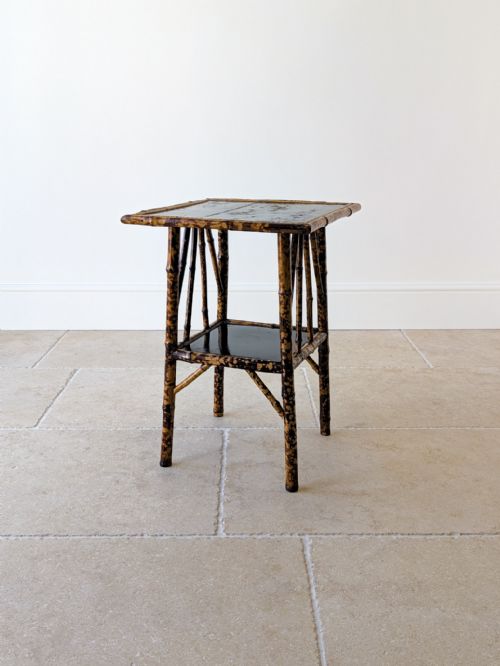
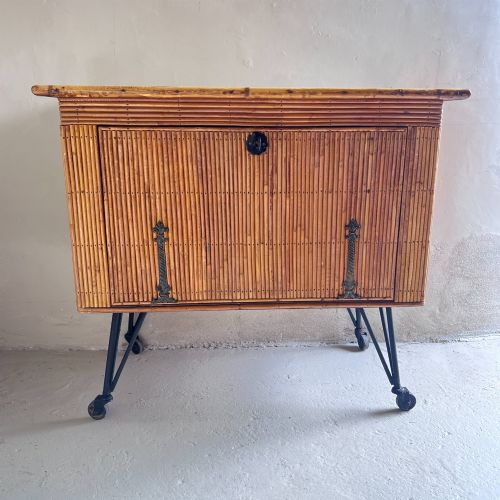
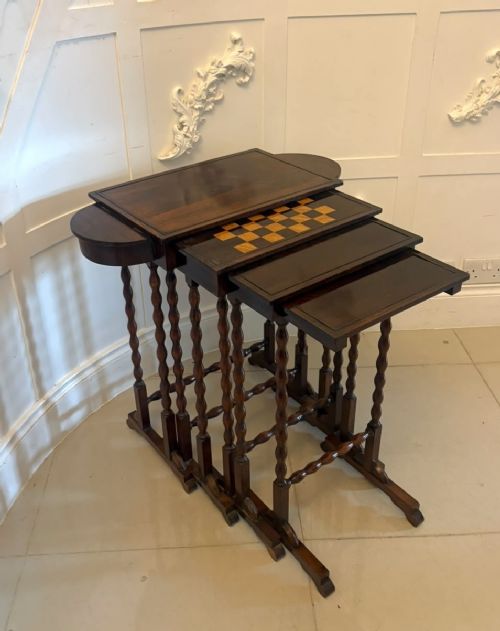
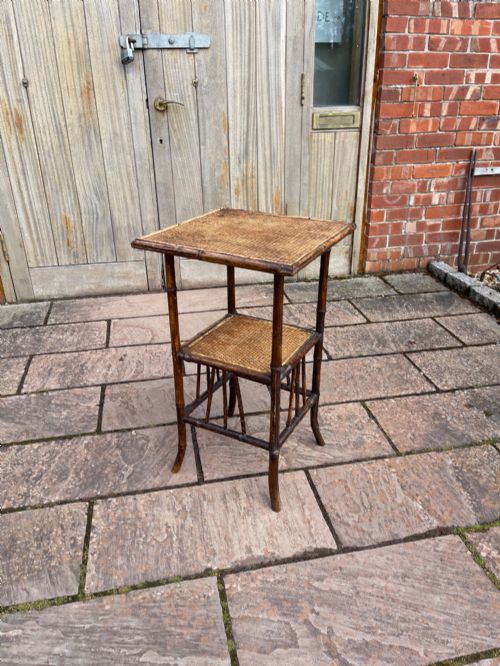
Vintage bamboo furniture encompasses practical household pieces produced primarily during the nineteenth and early twentieth centuries, drawing heavily on Victorian Aesthetic Movement and Chinoiserie tastes. Buyers encounter items ranging from occasional tables and canterburys to hall stands, side tables and chests of drawers.
What varies in quality
The standard of construction depends on the integrity of the natural cane joints or the precision of the simulated wood turning. Finer examples display careful hand-painted details and intact lacquer work rather than simple surface finishes.
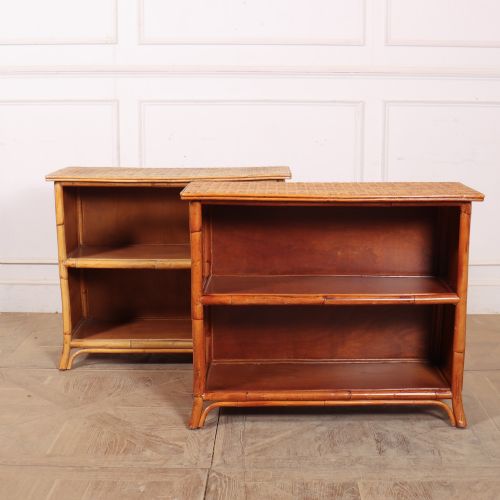
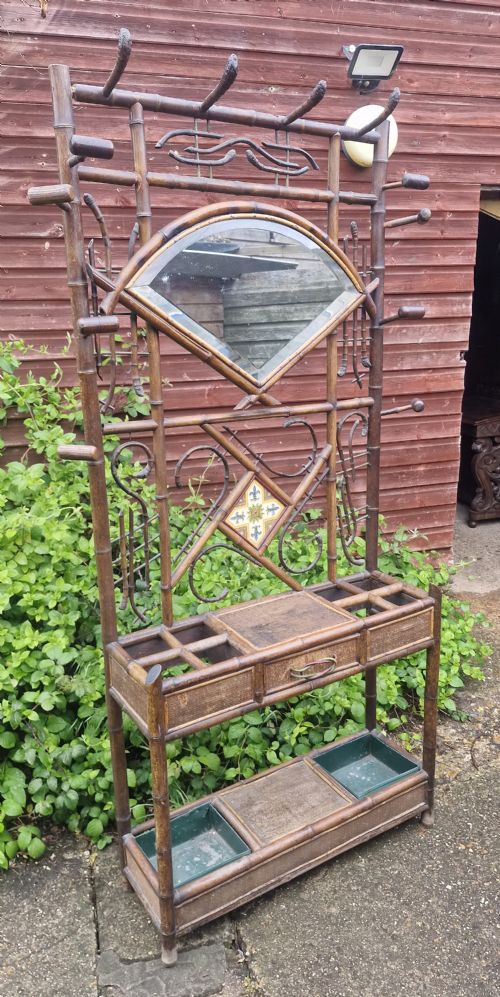
The integration of secondary materials like glass, brass fittings and woven panels distinguishes standard utility items from more ambitious decorative pieces. Preservation of the original surface patina and structural rigidity without excessive loosening of the cane bindings marks the upper tier of quality.
The listings span from the nineteenth century through to the 1930s, featuring materials such as bamboo, rattan, pine, cherry wood, glass and cast iron.
The Vintage Bamboo Furniture Glossary
- Faux bamboo
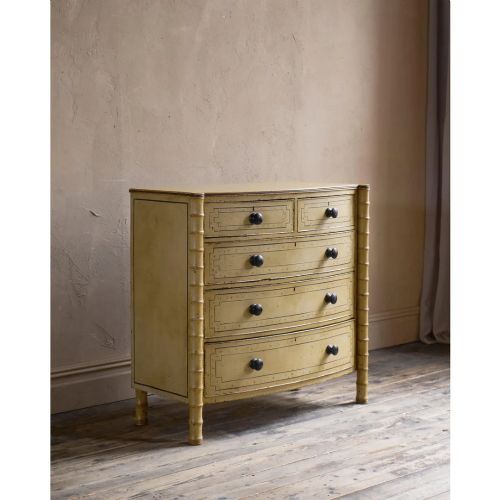
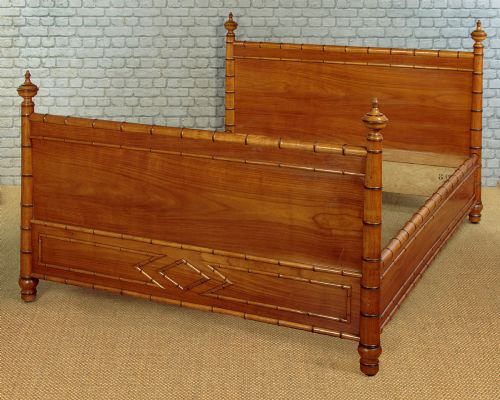
- Simulated cane forms carved or turned from solid wood such as pine or cherry to imitate genuine bamboo. This technique allowed cabinetmakers to achieve an exotic aesthetic using domestic timbers.
- Canterbury
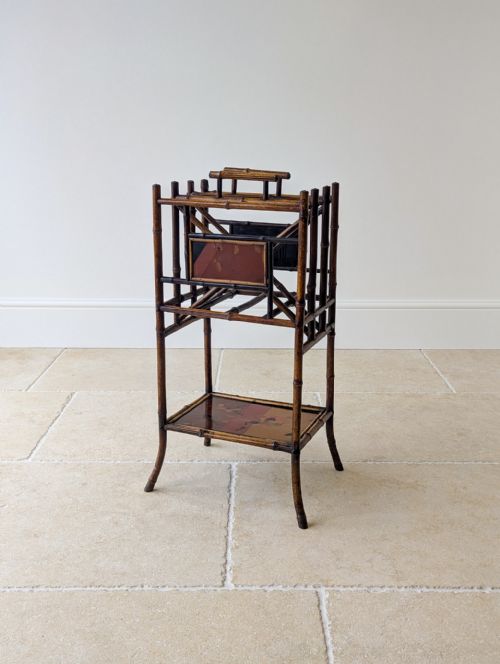
- A partitioned stand designed for holding sheet music, magazines or newspapers. These pieces often feature divided sections above a small drawer or low shelf.
- Aesthetic Movement
- A nineteenth-century design philosophy that emphasised art for art's sake and embraced Japanese and Chinese decorative motifs. Furniture from this movement often uses contrasting dark lacquer and bamboo forms.
- Hall stand
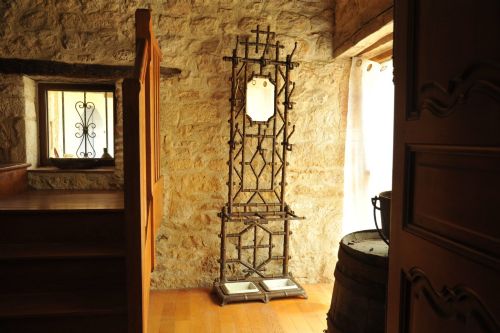
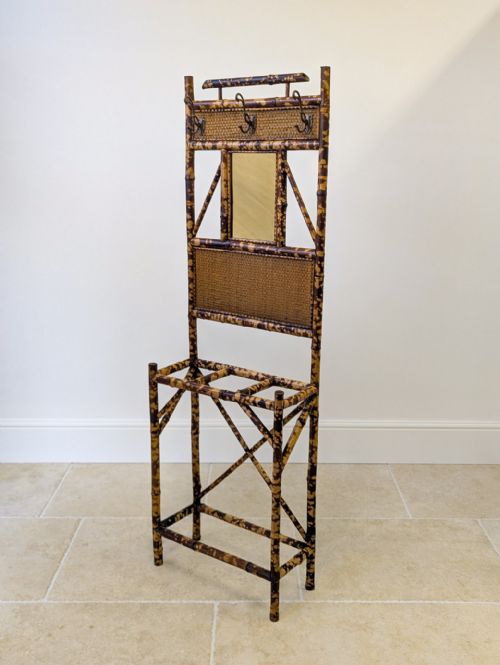
- A tall hallway furnishing equipped with mirrors, coat hooks, umbrella wells and small glove drawers. They provide compact storage for outerwear right inside the entrance of a home.
Vintage Bamboo Furniture: Frequently Asked Questions
How do I care for vintage bamboo furniture?
Keep these pieces away from direct heat sources and excessive moisture to prevent the natural cane from drying out or splitting. Dust regularly with a soft brush and clean occasionally with a slightly damp cloth.
Avoid harsh chemical polishes that can degrade the surface lacquer or damage the woven rattan panels. Conditioning the wood or cane periodically helps maintain flexibility and prevents brittleness over time.
What is faux bamboo furniture?
Faux bamboo refers to items where craftsmen have carved, turned or moulded other materials like pine, wood or metal to mimic the segmented appearance of real bamboo. This style became popular during the nineteenth century alongside imported natural cane pieces.
These simulated versions offered greater structural durability for heavy items like chests of drawers and bed frames while retaining the fashionable aesthetic.
How do I identify Victorian bamboo pieces?
Victorian bamboo items often reflect the Aesthetic Movement or Chinoiserie styles popular during the late nineteenth century, particularly around 1890. Look for construction methods using genuine cane combined with hand-painted lacquer details or incorporated mirrors.
Such pieces frequently take the form of occasional tables, canterburys and hall stands designed to bring an exotic touch to British interiors.