




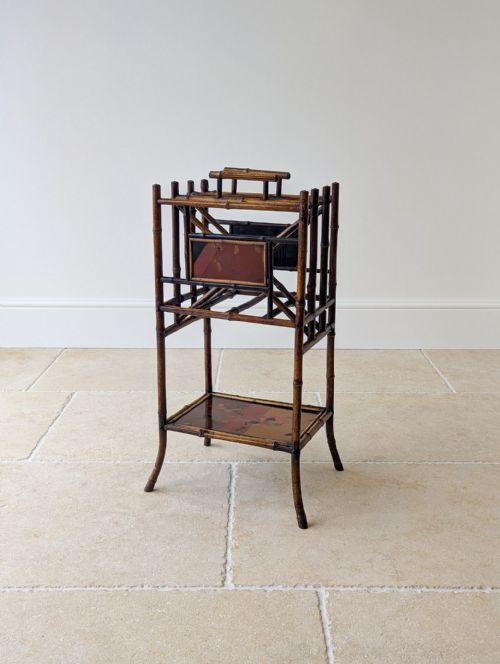
Antique Bamboo Furniture
Antique bamboo furniture brings natural lightness and exotic charm into a room, offering versatile occasional tables, stands and cabinets shaped by Victorian tastes.
Antique Bamboo Furniture
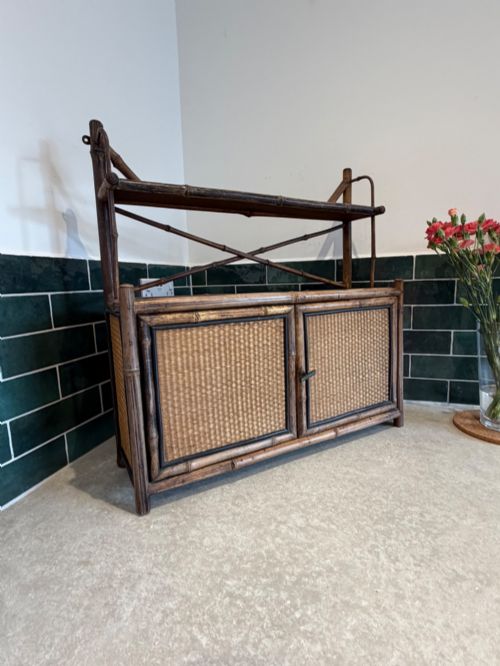
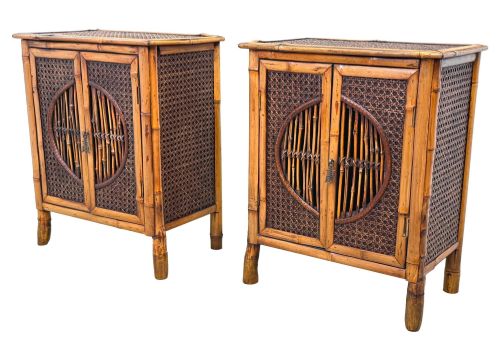
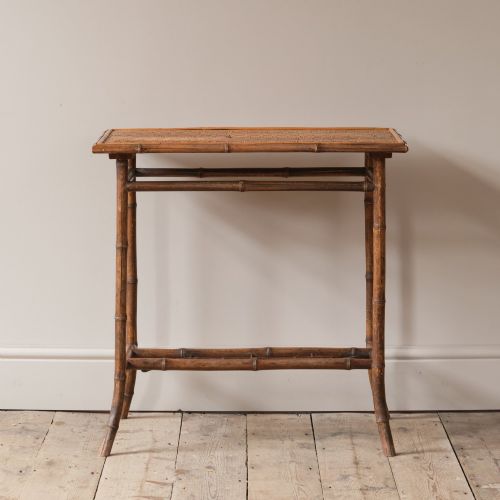
Antique bamboo furniture encompasses a variety of domestic items created primarily during the nineteenth century, reflecting the period fascination with Eastern design and the Aesthetic Movement. Buyers searching this phrase encounter everything from small occasional tables and nests of four tables to substantial hall stands, music canterburys, and cabinets.
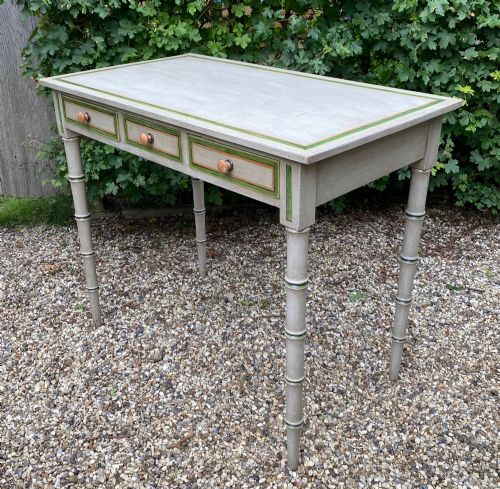
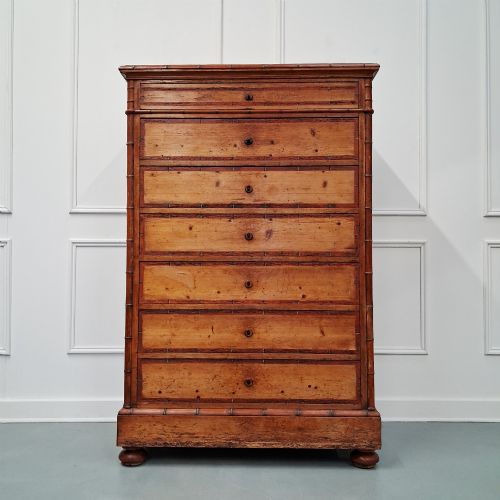
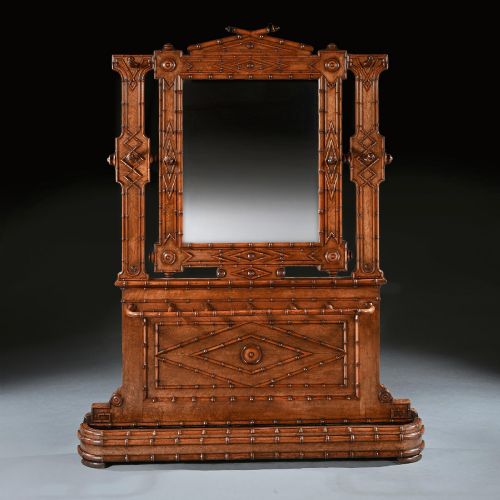
The pieces on this page lean heavily towards Victorian and late nineteenth-century examples, alongside French items and pieces utilising simulated or faux bamboo materials. Items range from practical magazine racks and side tables to fitted dressing cabinets, washstands, and folding rocking chairs originating from diverse design traditions.
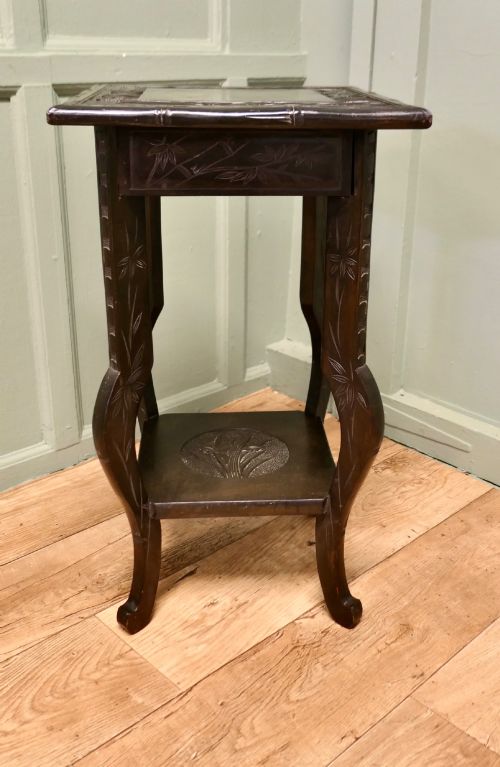
Origin points visible in the selection include Chinese export pieces, French workshops, and British makers influenced by Japonisme and Chinoiserie styles. Whether selecting a tiger bamboo item or a carved hardwood parlour suite, buyers find pieces designed for both ornamental display and daily utility.
What varies in quality
Quality in these pieces is dictated by the precision of the construction, the integrity of the cane or simulated wood turnings, and the intricacy of the decorative elements. Superior examples feature tighter joinery, well-matched natural bamboo sections, and stable frames that resist the wobbles common in lighter cane items.
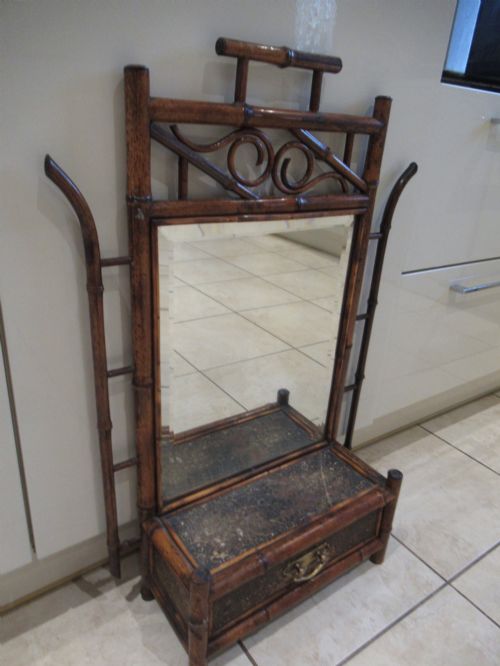
The presence of secondary materials such as genuine marble tops, birdseye maple panels, inset leather, or hand-painted lacquer distinguishes finer commissions from standard domestic wares. Maker attribution, balanced proportions, and retained original surfaces further elevate certain cabinets, tables, and hall stands above mass-produced alternatives.
Antique Bamboo Furniture Retail Price Guide 2026
Typical asking prices for bamboo furniture among the pieces listed under this phrase on Sellingantiques today, from the lower quarter to the upper quarter. They describe what is for sale here now, not the wider market.
Listings feature items spanning the Regency period through the Edwardian era, with a strong concentration of Victorian and 1890 examples.
Howard and Sons·Liberty and Co
The Antique Bamboo Furniture Glossary
- Faux bamboo
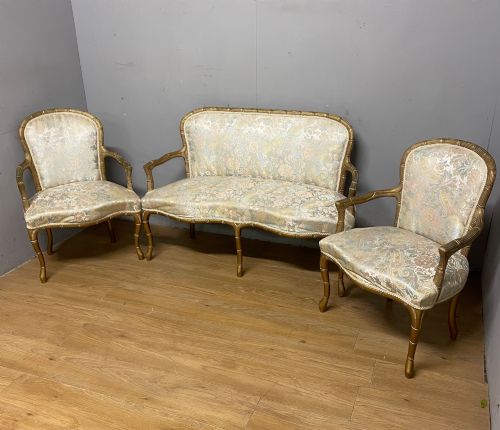
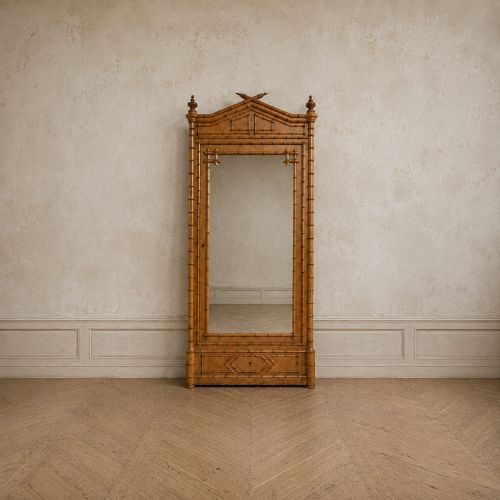
- Simulated bamboo created by turning wood, such as pine or maple, to mimic the segmented nodes of natural cane. This technique allowed cabinetmakers to achieve an exotic aesthetic using sturdier domestic timbers.
- Canterbury
- A low multi-section rack designed for holding sheet music, folios, or magazines, often fitted with carrying handles and small castors. Victorian examples frequently utilise bamboo or faux bamboo frames.
- Quartetto nest
- A graduated set of four occasional tables designed to slide neatly beneath one another when not in use. Regency and Victorian versions frequently employ rosewood or bamboo.
- Aesthetic Movement
- A nineteenth-century design current emphasising visual beauty over narrative meaning, heavily influenced by Japanese art and decorative forms. Pieces from this movement often feature asymmetric lines and flattened pictorial motifs.
- Hall stand
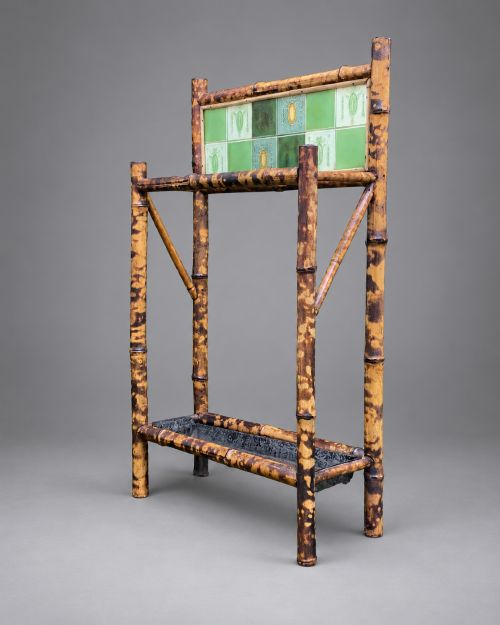
- A tall piece of hallway furniture combining a mirror, coat hooks, a glove drawer, and umbrella wells with drip trays. Bamboo and cast iron versions appeared frequently in late nineteenth-century homes.
Antique Bamboo Furniture: Frequently Asked Questions
How do I care for antique bamboo furniture?
Keep these pieces away from direct sunlight and damp environments to prevent the natural cane from drying out, splitting, or loosening at the joints.
Dust gently with a dry or barely damp cloth, avoiding modern chemical polishes that can degrade nineteenth-century lacquer or varnished surfaces.
What is faux bamboo furniture?
Faux bamboo refers to solid wood, such as pine or maple, that has been meticulously turned and painted to replicate the segmented appearance and texture of real bamboo.
Cabinetmakers utilised this technique to provide the fashionable exotic look of the Aesthetic Movement while ensuring structural stability for weight-bearing items like wardrobes and chests of drawers.
Where were these pieces used in the home?
Victorian households placed bamboo items in drawing rooms, conservatories, and hallways, where their light frames complemented light furnishings and potted plants.
Occasional tables, canterburys, and hall stands served practical daily roles while contributing to an eclectic, globetrotting interior aesthetic.
How can I tell the period of a piece?
Dating relies on stylistic clues like the presence of Aesthetic Movement motifs, Japonisme influences, or specific construction traits tied to the late nineteenth century.
Materials such as birdseye maple panels, mirrored backs, and associated hardware help narrow down production eras from the Regency period through to Edwardian times.