

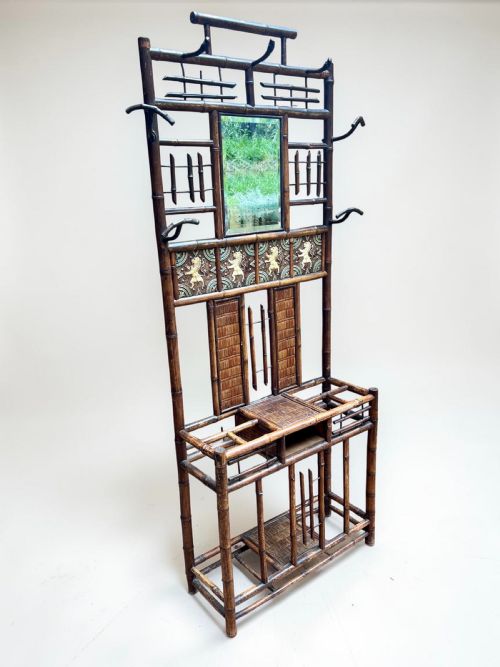


Aesthetic Movement Hall Stand
An aesthetic movement hall stand brings functional utility and striking nineteenth-century design to an entranceway, offering a practical place for coats, hats, and umbrellas.
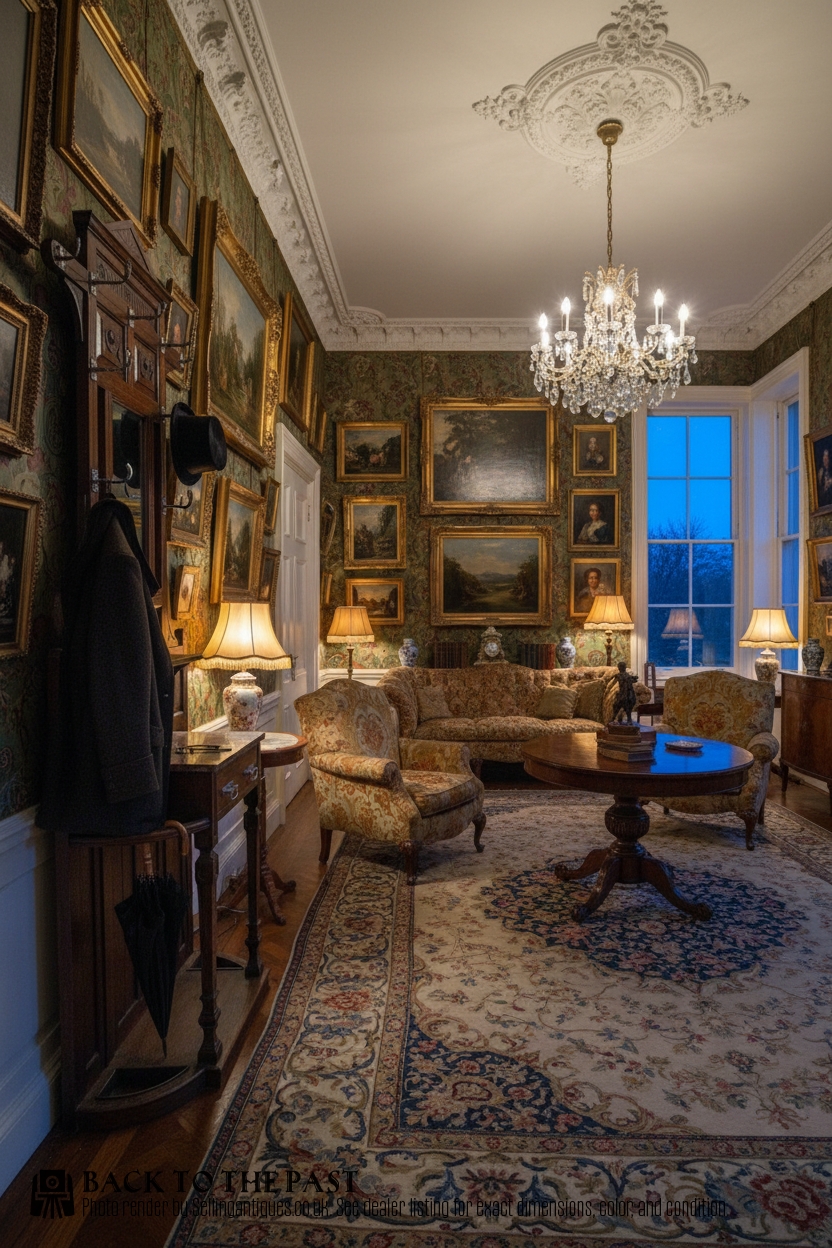
Aesthetic Movement Hall Stand
An aesthetic movement hall stand serves as a functional piece of entranceway furniture designed to hold walking sticks, umbrellas, and outerwear. These items combine practical storage with the distinctive decorative philosophies of the nineteenth century.
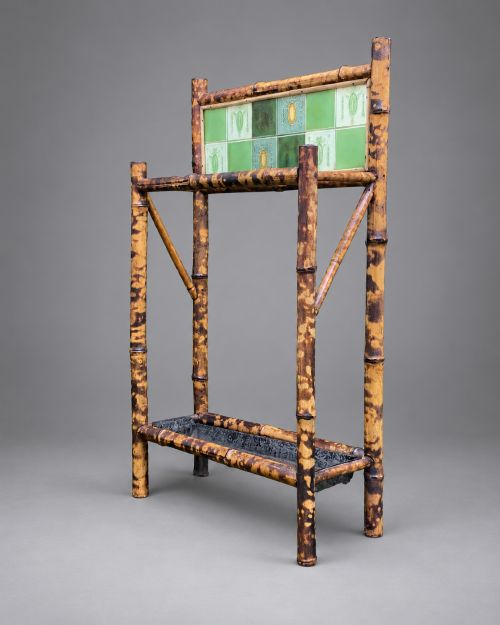
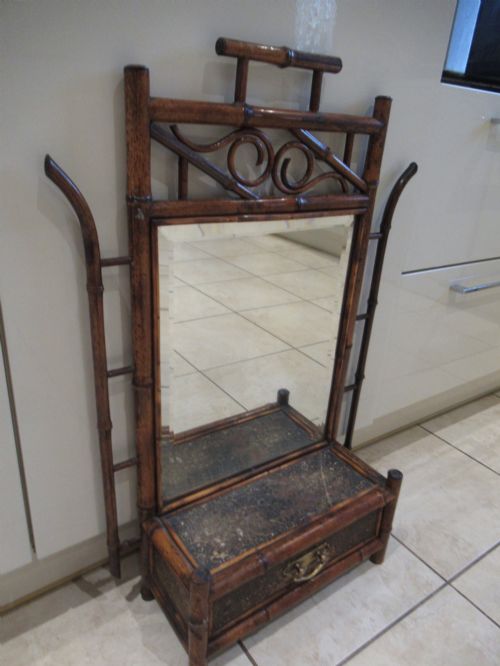
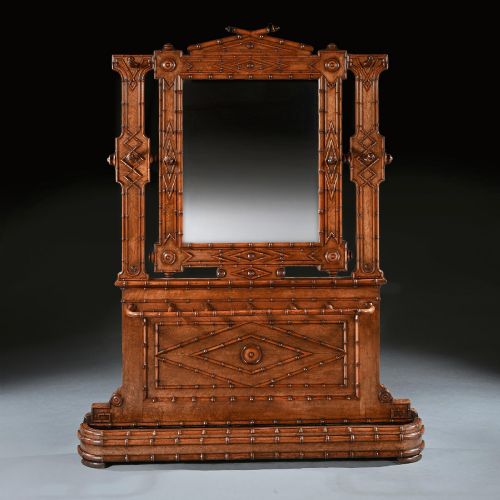
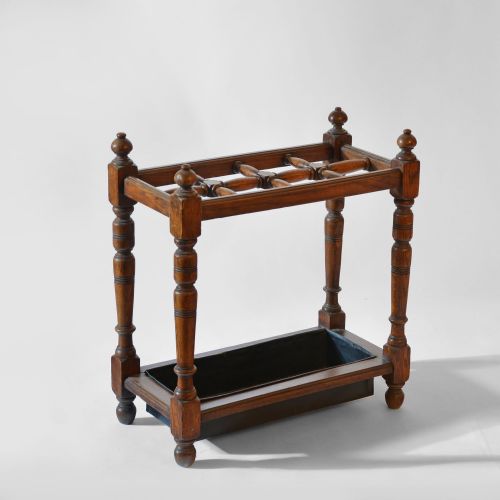
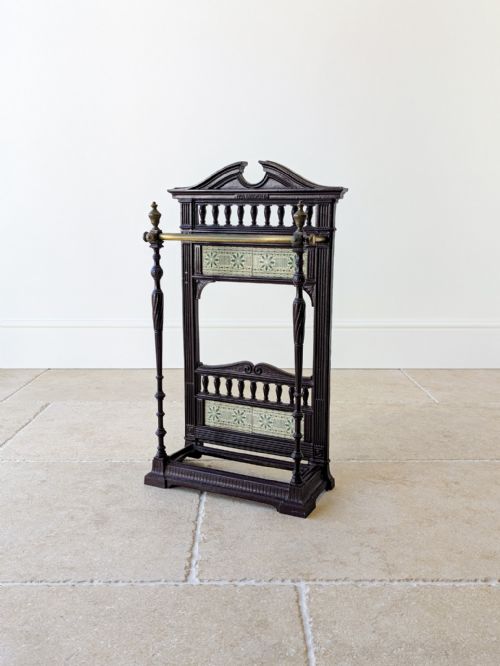
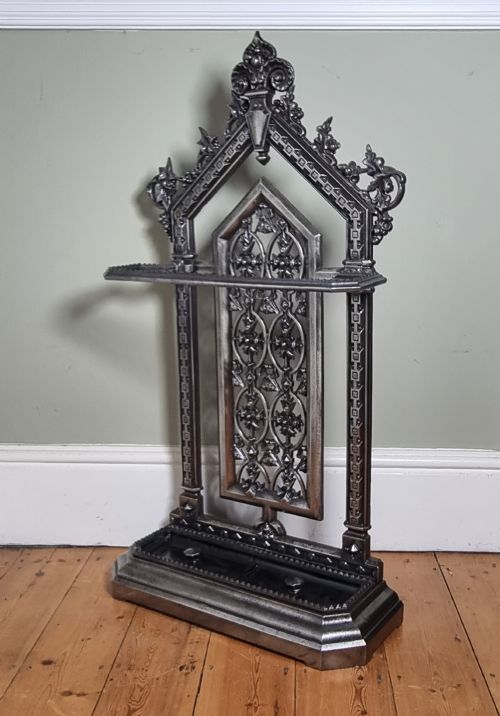
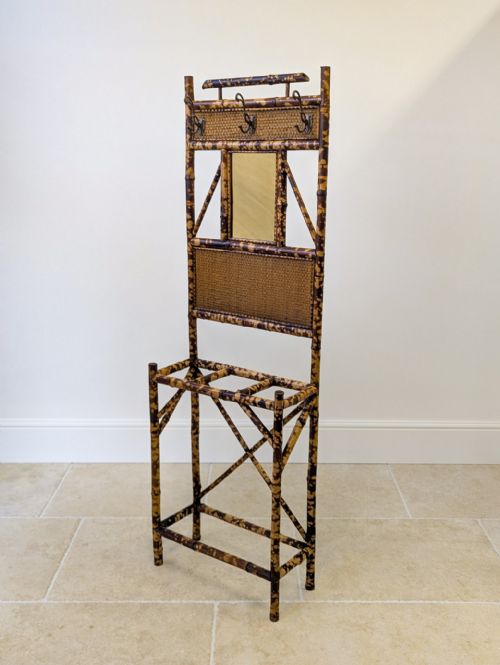
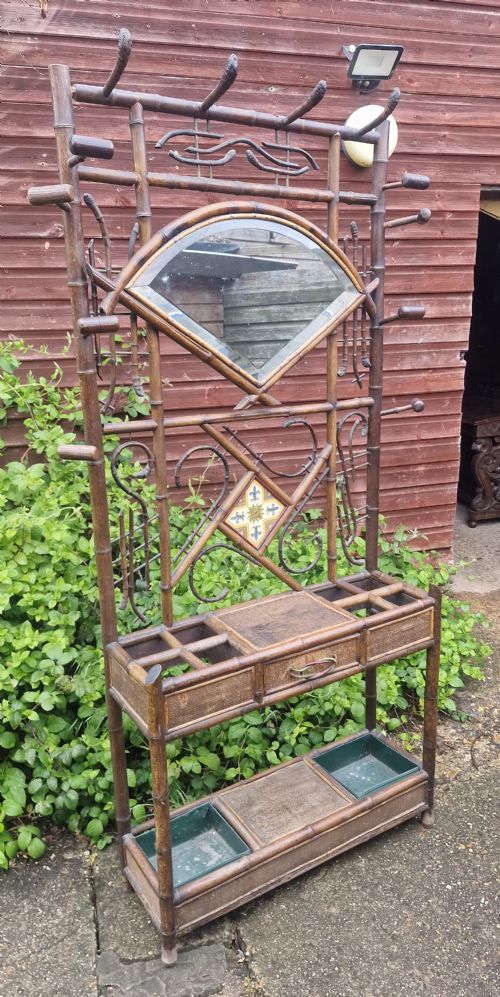
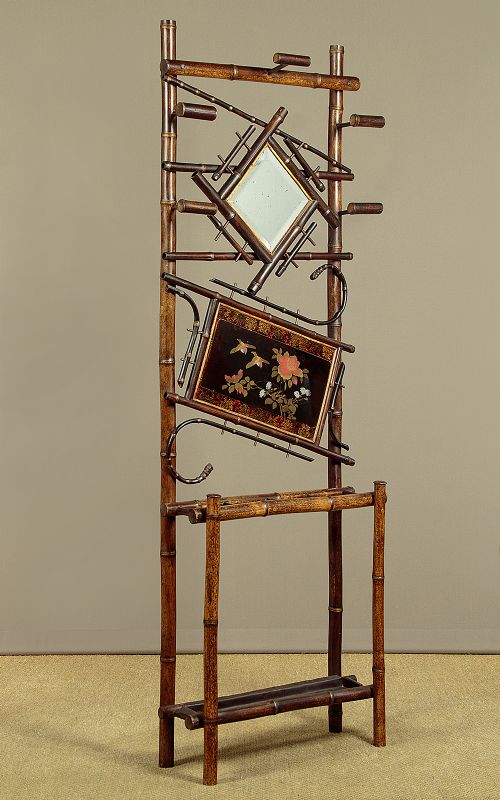
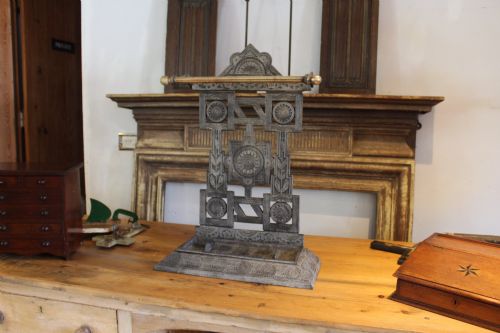
Visitors to this selection will encounter various forms, including tall bamboo hallstands fitted with mirrors and lacquered panels, robust oak and mahogany frameworks, and heavy cast iron umbrella stands.
The objects span from the Victorian period through the Edwardian era, reflecting both British craftsmanship and continental influences such as French Japonisme.
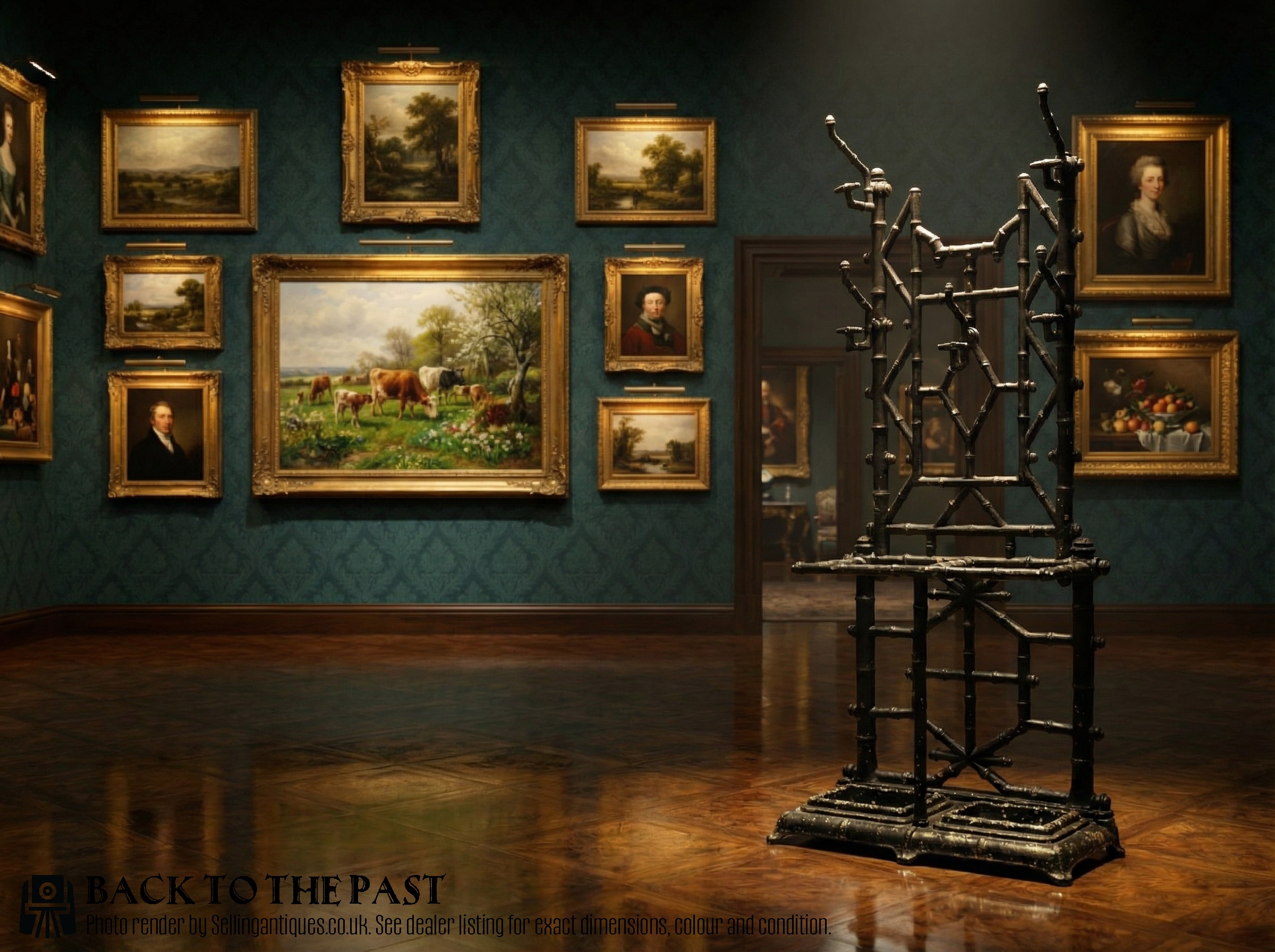
Materials and construction
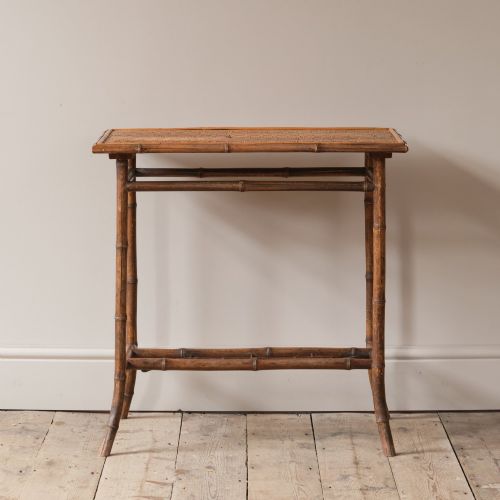
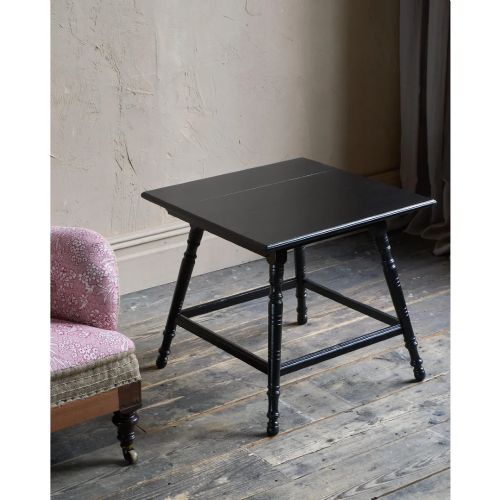
Makers utilised a diverse palette of materials, frequently combining natural bamboo and faux bamboo with solid woods like oak and mahogany, alongside ebonised finishes.
Metal components appear prominently in the form of cast iron and brass for stick and umbrella stands, often incorporating intricate decorative motifs or structural drip pans.
Ceramic elements, notably tiles produced by factories such as Minton, are integrated into wooden frameworks, while mirrors and lacquered panels complete the construction.
Aesthetic Movement Hall Stand Retail Price Guide 2026
Typical asking prices for aesthetic movement hall stand among the pieces listed under this phrase on Sellingantiques today, from the lower quarter to the upper quarter. They describe what is for sale here now, not the wider market.
Distinctions in quality
Quality rests upon the integrity of the construction and the sophistication of the design, distinguishing standard commercial production from ambitious artistic output.
Pieces bearing documented association with notable designers or firms demonstrate superior craftsmanship, particularly in the handling of specialised materials like bamboo and ebonised wood.
The inclusion of artistic ceramic tiles, bevelled mirrors, or cast metal elements executed by recognised foundries elevates a piece above simpler utilitarian examples.
Coalbrookdale·Hindley and Sons·Thomas Jeckyll·Falkirk Ironworks·Gillows·Minton·Martin Hall and Co
The Aesthetic Movement Hall Stand Glossary
- Aesthetic Movement
- A late nineteenth-century design movement that emphasised visual and decorative beauty over narrative or moral content.
- Japonisme
- The influence of Japanese art and design on Western decorative arts during the second half of the nineteenth century.
- Ebonised
- Wood treated with a dark stain or finish to imitate expensive ebony.
- Faux bamboo
- Wood carved or turned to resemble the segmented stalks of natural bamboo.
- Stick stand
- A piece of furniture designed specifically for holding walking sticks and umbrellas in a hallway.
Aesthetic Movement Hall Stand: Frequently Asked Questions
How were bamboo hall stands constructed?
Makers constructed bamboo hall stands using natural bamboo canes or turned wood shaped to resemble bamboo, joined together to form rigid supporting frameworks.
Additional elements such as mirrors, lacquered panels, and ceramic tiles were frequently incorporated into the wooden or bamboo structure.
Where should I place a hall stand?
A hall stand belongs in an entrance hall or vestibule where visitors arrive, fulfilling its original purpose as a drop-off point for outdoor wear.
Ensure adequate wall space and clearance are available, as these items often combine vertical height with protruding umbrella compartments.
How do I identify the period of a hall stand?
Dating relies on examining the combination of materials, construction methods, and stylistic indicators such as bamboo usage, ebonised finishes, or Iznik-revival ceramics.
Makers' marks, registration stamps, and foundry names cast into iron components also provide precise chronological evidence.